Why Is Epoxy FR4 Commonly Used in Electrical Applications?
2026-08-11 17:29:12
Epoxy FR4 has become the backbone of modern electrical engineering, trusted across industries from electronics manufacturing to power distribution. This glass-reinforced epoxy laminate material combines flame-retardant properties with exceptional electrical insulation, making it indispensable for printed circuit boards, switchgear, and high-voltage applications. Its balanced performance in thermal stability, mechanical strength, and dielectric properties addresses the critical demands of electrical systems while remaining cost-effective for mass production. Understanding why this material dominates the electrical sector helps engineering managers and procurement teams make informed sourcing decisions that ensure product reliability and regulatory compliance.
Understanding Epoxy FR4: Composition and Core Properties
What Makes Epoxy FR4 Unique?
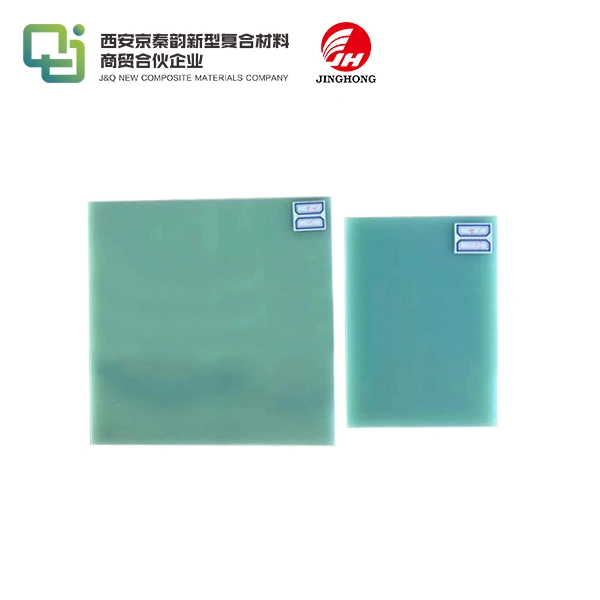
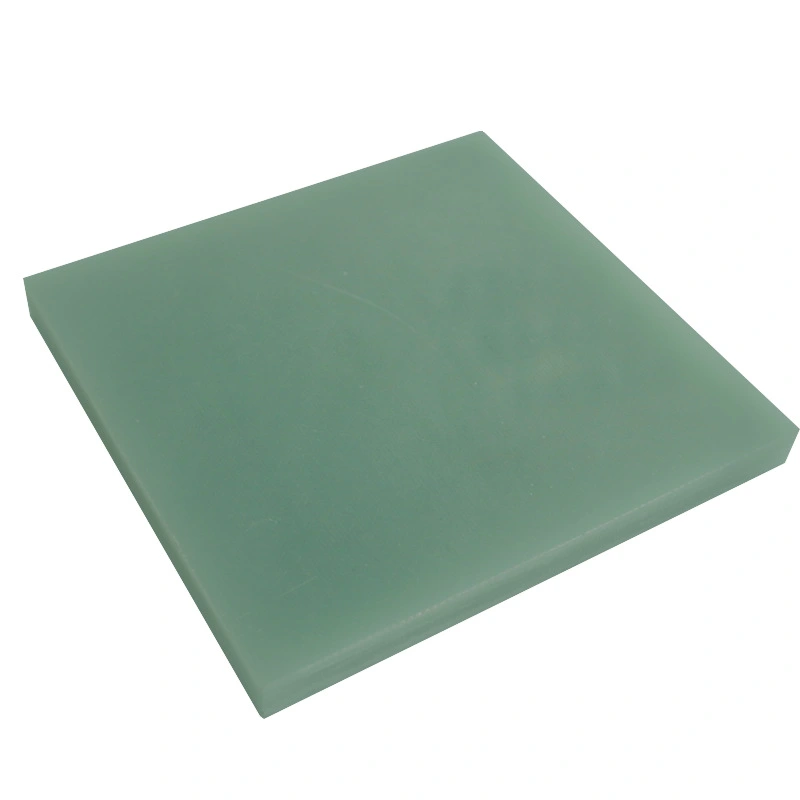
The carefully engineered composition of Epoxy FR4 is what makes it work. The structure is held together by woven fiberglass cloth that is saturated with epoxy resin. The layers are held together during a high-pressure curing process. This mix makes a rigid laminate whose qualities can be predicted, so makers can count on it for all production runs. "FR" stands for "flame retardant," which means that it meets UL94V-0 standards, which are very important for safety because they stop fires from spreading in electrical equipment.
Thermal and Electrical Performance Specifications
The glass transition temperature (Tg) is one of the main differences between normal types of Epoxy FR4 and high-performance versions. Standard Epoxy FR4 laminates have Tg values of about 130 to 140°C, while high-Tg versions reach 170-180°C and can be used in harsh thermal environments. At 1 MHz, the dielectric constant of about 4.5 provides consistent electrical insulation over a wide range of common operating frequencies. When the dielectric strength is higher than 20 kV/mm, voltage separation is stable, and sensitive circuits are protected from electrical breakdown. When designing power distribution equipment, motor controllers, and industrial automation systems that are constantly under electrical and thermal stress, these specs are very important.
Mechanical Strength and Dimensional Stability
In addition to their electrical qualities, Epoxy FR4 is widely used because of how well it works mechanically. The flexural strength of a material is usually between 380 and 450 MPa, which means it can handle physical forces during operation and assembly. Copper traces used in PCB construction have a low coefficient of thermal expansion that works well with them. This keeps the copper from coming apart when the temperature changes. Water absorption stays below 0.15%, which keeps the dimensions stable in damp places, which is very important for marine uses and outdoor electrical systems. Because the dimensions stay the same, precise CNC machining can be used to make unique parts that meet the strict tolerances needed by the aircraft and automotive industries.
Why Epoxy FR4 Is Preferred in Electrical Applications
Superior Electrical Insulation Capabilities
The main purpose of Epoxy FR4 in most situations is to keep electricity from getting through it. The material has a very high volume resistivity (more than 10^14 ohm-cm), which stops currents from leaking between conductive paths. This keeps signals intact in complicated circuit designs. Comparative tracking index (CTI) values above 600 volts in luxury grades show resistance to surface tracking, which is when electrical arcing in dirty settings makes conductive paths. These qualities are important for arc barriers and phase separators in power distribution equipment. If the shielding fails, it could damage the equipment badly or put people in danger.
Thermal Management in High-Heat Environments
Many insulation materials have trouble working when they have to deal with heat loss, but Epoxy FR4 laminates stay structurally sound over a wide temperature range. For standard grades, the material can work steadily at temperatures up to 130°C. For high-Tg versions, this range goes up to 170°C. When exposed for the right amount of time, properly defined Epoxy FR4 boards don't delaminate or blister during soldering processes that hit 260°C. In places where temperature changes often, like in car battery control systems, this thermal stability is very important. Manufacturers of transformers choose these laminates for coil insulation because thermal stability is directly linked to how long equipment lasts and how often it needs to be serviced.
Mechanical Durability Under Operational Stress
Physical durability makes sure that electrical parts can handle vibration, impact, and mechanical stress for the whole time they are in use. Quality Epoxy FR4 laminates have a strong interlaminar link that keeps the layers from separating during thermal shock testing, which is a validation process that mimics the pressures on an assembly. Industrial machinery builders like how phenolic options compare, but Epoxy FR4 materials have better peel strength (usually 1.4 N/mm or higher), which makes sure that the copper foil bonding stays strong while the machine is running. This mechanical reliability lowers the total cost of ownership for end users by lowering the number of field failures in switchgear assemblies and motor parts.
Cost-Effectiveness for Volume Production
The economics of manufacturing have a big impact on the choices of materials used, especially in the creation of consumer goods and appliances. The performance of Epoxy FR4 is reliable, and the prices are low enough to support mass production strategies. Because the material is easy to machine, custom shapes can be made quickly and easily using standard CNC equipment. This saves money on tooling costs compared to using specialized ceramics or advanced composites. Not only do buying teams look at the cost of the raw materials, but they also look at how efficiently the goods are processed, how much waste there is, and how long it takes for suppliers to get the goods. This type of material is always available and priced competitively on global markets thanks to its well-established supply chain infrastructure.
Comparing Epoxy FR4 with Other Common PCB Materials
Performance Metrics Across Material Types
When looking at different substrate options, a few important factors determine which ones are best for electrical uses. With a Tg of about 130 to 140°C and a dielectric constant close to 4.5, standard Epoxy FR4 works very well for most applications. While CEM-1 and CEM-3 composites are cheaper, they are not as strong mechanically. This means that they are better for single-sided consumer electronics but not as good for industrial equipment. Polyimide materials work great in places with very high temperatures—their properties stay the same above 250°C—but their much higher costs mean they can only be used in aerospace and other specialized areas. Rogers high-frequency laminates work better above 1 GHz and lose less insulator than other laminates. They are designed for RF and microwave circuits instead of general electrical shielding.
Metal-core PCBs with metal surfaces improve thermal conductivity, which helps LED drivers and power electronics get rid of heat. But these unique structures need different ways to be made and don't have as many practical options as regular fiberglass laminates. Each type of material has its own specific use in the electrical industry as a whole. For most common tasks, Epoxy FR4 products strike the best balance.
Application-Specific Material Selection
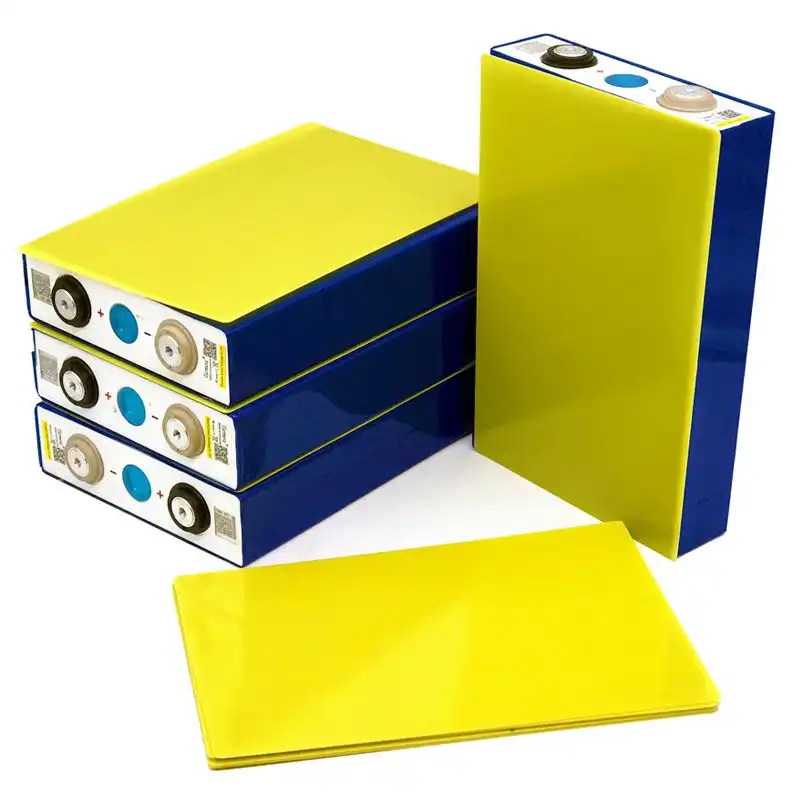
Power electronics designers who work with high-voltage switching circuits and transformer separation put dielectric strength and arc resistance at the top of their list of priorities. This makes standard Epoxy FR4 boards the obvious choice. When automotive makers make battery pack barriers, they have to think about both flame resistance and impact resistance. They often ask for better-grade versions with higher Tg values. When making motor brackets and thermal barriers for home appliances, companies usually choose grades that are the cheapest, meet safety standards, and can be put together automatically.
As part of the selection process, the operating temperature ranges, voltage levels, mechanical loads, and government rules are all looked at. Advanced materials perform better in some ways, but they come with higher costs and more complicated sourcing that might not work with the project's budget. This is the reason why Epoxy FR4 laminates are still the most common choice for electrical uses, even though there are better options available.
Procurement Insights: How to Source Quality Epoxy FR4 Materials
Identifying Reliable Manufacturing Partners
Making sure that the quality of the materials stays the same starts with evaluating the suppliers' production skills and quality control systems. As a basic quality assurance measure, established manufacturers keep ISO 9001 certification. Leading suppliers also hold IATF 16949 certification for automotive uses or AS9100 certification for aerospace uses. Verification of UL recognition makes sure that the flame-retardant qualities meet safety standards, and RoHS compliance makes sure that environmental rules are followed, which are important for sending goods to foreign markets.
When planning large orders or making long-term supply agreements, production capacity is very important. Suppliers with more than one production line can handle changing demand and provide extra capacity during busy times. Superior partners are different from commodity providers because they can provide better technical support. Responsive engineering teams can help you get the best material specs for your needs. Companies that have been making things for more than 20 years know a lot about how things work, which helps with unique projects that need non-standard sizes or performance traits.
Pricing Factors and Volume Considerations
Material costs depend on a number of linked factors that people who work in buying need to understand. The prices of fiberglass cloth and epoxy resin's raw materials change with the petrochemical market, which causes baseline cost changes over time. Specifications for thickness have a direct effect on prices, since bigger sheets need more material and take longer to cure. Choosing between bare laminate and copper-clad versions for the surface finish adds steps to the manufacturing process that change the cost per unit.
The biggest chance for buyers to gain leverage is through order volume. When you buy in bulk, you can usually get deeper discounts on prices, with real savings on sheet goods when you buy more than 500 square meters. Custom sizing and machining services cost extra, anywhere from 15% to 30% more, depending on how complicated the job is. However, these costs go down as the batch size goes up. Strategic buyers arrange framework deals that set baseline prices for expected yearly amounts while still allowing for freedom in spot purchases at agreed rates.
Quality Verification and Certification Requirements
Protocols for inspecting incoming materials protect output quality and cut down on mistakes further down the line. One important part of the inspection process is using calibrated micrometers to measure the thickness tolerance and make sure that any deviations stay within the allowed ranges, which for commercial grades are usually ±10%. A visual inspection of the surface finds any resin holes, delamination, or contamination that might affect the performance. Following the IPC-TM-650 guidelines for warp and twist measurements ensures that the flatness of the dimensions meets the needs of the assembly tools. This is especially important for automated SMT processes.
Thermal stress testing mimics the conditions of welding by heating samples to 288°C for set amounts of time. Samples must not delaminate or split in order to pass the test. Copper foil adhesion to clad materials is confirmed by peel strength testing. This makes sure that circuit traces won't lift during operation. Reviewing the documentation makes sure that the material certifications, such as UL recognition marks and RoHS compliance statements, are in line with the requirements. When suppliers include mill test reports with every shipment, they show that they are honest and committed to quality, which makes it easier for customers to do inspections.
Application Case Studies and Future Prospects of Epoxy FR4
Real-World Performance in Critical Applications
The biggest market group is PCB substrate use. Epoxy FR4 laminates are used in everything from consumer smartphones to industrial control systems. The ability to keep the dimensions stable during SMT assembly processes, where parts are heated to 260°C, is necessary to keep the solder joint's integrity. Temperature changes between -40°C and 125°C are common for automotive electronic control units that work under the hood. In these conditions, high-Tg variants are more reliable than standard grades.
Thick Epoxy FR4 sheets are used as arc chutes and phase barriers in power distribution networks to install high-voltage switchgear. During fault situations, these parts must be able to handle electrical arcing while still being structurally sound. Test results from utility companies show that materials that are properly specified can last for more than 25 years in substations, proving that the long-term durability claims are true. Aerospace uses push the limits of performance even further. For example, navigational equipment housings made from premium grades are reliable in situations with high vibration and temperature changes where failure is not an option.
Emerging Trends and Sustainability Considerations
Environmental laws are still changing the requirements for materials in places around the world. Concerns about toxic results of combustion can be eased with halogen-free formulations that offer flame retardancy without bromine chemicals. These options keep the same electrical and mechanical qualities while supporting companies' efforts to be more environmentally friendly and follow the rules in markets that are limited. Recycling programs for production waste and end-of-life equipment are becoming more popular. For example, material sources are working with electronics companies to collect and reuse fiberglass laminates.
New technologies are focusing on making materials more thermally conductive without affecting their electrical insulation. This helps power electronics uses that need better heat disposal. Formulations with less dielectric loss make them usable over a wider frequency range, which helps with 5G infrastructure and car radar systems. Improvements to the manufacturing process cut down on drying times and energy use, which keeps quality high while cutting production costs. As electrical systems get better at handling more power and higher frequencies, these changes will keep Epoxy FR4 laminates competitive with new materials.
Conclusion
Epoxy FR4 laminates have been the standard in the electrical insulation industry for decades because they work so well. The stable electrical qualities, thermal stability, mechanical strength, and low cost all work together to meet the needs of electronics makers, industrial equipment builders, and power system engineers. While other materials are useful for certain tasks, these laminates continue to meet most of the needs for electrical shielding across all industries thanks to their balanced properties. Companies can get materials that help their products be reliable and help them compete in global markets by using strategies that focus on source quality, certification compliance, and volume costs.
FAQ
What thickness options are available for electrical insulation applications?
Standard thicknesses range from 0.2 mm to 5.0 mm, which is wide enough to meet most electrical and electronic needs. PCB substrates are usually between 0.4 mm and 3.2 mm thick, but this depends on how complicated the circuit is and how strong it needs to be. For good arc resistance and structural rigidity, 6 mm to 12 mm sheets are often required for high-voltage switchgear parts. For specific uses, custom thicknesses can be made, but there may be lead times and minimum order amounts. For commercial grades, the thickness tolerance is usually between ±10% and ±5%. For precision applications that need tighter control over dimensions, the tolerance is around ±5%.
How does high-Tg material differ from standard grades?
The glass transition temperature goes up from about 135°C to 170-180°C in high-Tg formulations, which use modified epoxy resin systems. This improvement makes it possible to keep working at higher temperatures and makes it more resistant to thermal shock during assembly processes. Applications that need to work at high temperatures, like electronics under the hood of a car or industrial motor controls, gain from the better thermal stability. The extra cost is usually between 20% and 35% more than normal grades. This is okay when thermal performance has a direct effect on the trustworthiness of the product or on following the rules.
What certifications should buyers verify when sourcing materials?
UL certification is still the most important proof that flame-retardant properties meet safety standards for electrical uses. RoHS compliance paperwork makes sure that materials meet European limits on dangerous chemicals, which are needed for goods to be sold in the EU. If a supplier is certified with ISO 9001, it means that their quality management systems meet international standards. IATF 16949 certification adds requirements that are specific to the automotive industry. Shipments should come with material test results that list the electrical, thermal, and mechanical qualities that were measured during production. Compliance with the IPC-4101 standard proves that PCB base materials meet performance standards for electronics use in the industry.
Partner with J&Q for Premium Epoxy FR4 Solutions
J&Q has been making high-quality insulation materials for more than 20 years. They combine technical know-how with a wide range of service options that make the buying process easier. Our factories have strict quality controls that are in line with IPC-4101 and ASTM standards. These controls make sure that every sheet meets the performance requirements. As an Epoxy FR4 supplier with a lot of experience, we can offer custom sizes, precise CNC machining, and a range of order quantities to meet the needs of both prototype development and mass production. Our integrated logistics operations give you accurate arrival dates that help you plan your production, and our expert team can help you choose the best materials for your needs through application engineering. You can email us at info@jhd-material.com to talk about how our services can help with your electrical insulation needs, or you can go to jhd-material.com to see all of our products and certifications.
References
1. National Electrical Manufacturers Association (NEMA), "Industrial Laminating Thermosetting Products Standards," NEMA LI 1-2018, 2018.
2. Institute for Printed Circuits (IPC), "Specification for Base Materials for Rigid and Multilayer Printed Boards," IPC-4101E, 2020.
3. Underwriters Laboratories Inc., "Tests for Flammability of Plastic Materials for Parts in Devices and Appliances," UL 94, 2013.
4. ASTM International, "Standard Test Methods for Constituent Content of Composite Materials," ASTM D3171-15, 2015.
5. Coombs, C.F., "Printed Circuits Handbook," 7th Edition, McGraw-Hill Education, 2016.
6. Harper, C.A., "Electronic Materials and Processes Handbook," 4th Edition, McGraw-Hill Professional, 2015.