Glass Epoxy Sheet Provides Long-Term Stability in Harsh Conditions
2026-08-10 17:05:25
When industrial environments demand materials that won't fail under extreme stress, glass epoxy sheet emerges as the engineering solution of choice. This high-performance composite laminate combines woven glass fiber reinforcement with epoxy resin binders, delivering exceptional mechanical strength, electrical insulation, and thermal stability. Unlike conventional materials that degrade when exposed to heat, moisture, or chemical agents, glass epoxy laminates maintain structural integrity across temperature extremes and corrosive atmospheres—making them indispensable for electrical components, industrial machinery, automotive applications, and power distribution systems where reliability isn't negotiable.
Understanding Glass Epoxy Sheet: Composition, Properties, and Manufacturing Process
What Defines Glass Epoxy Laminates
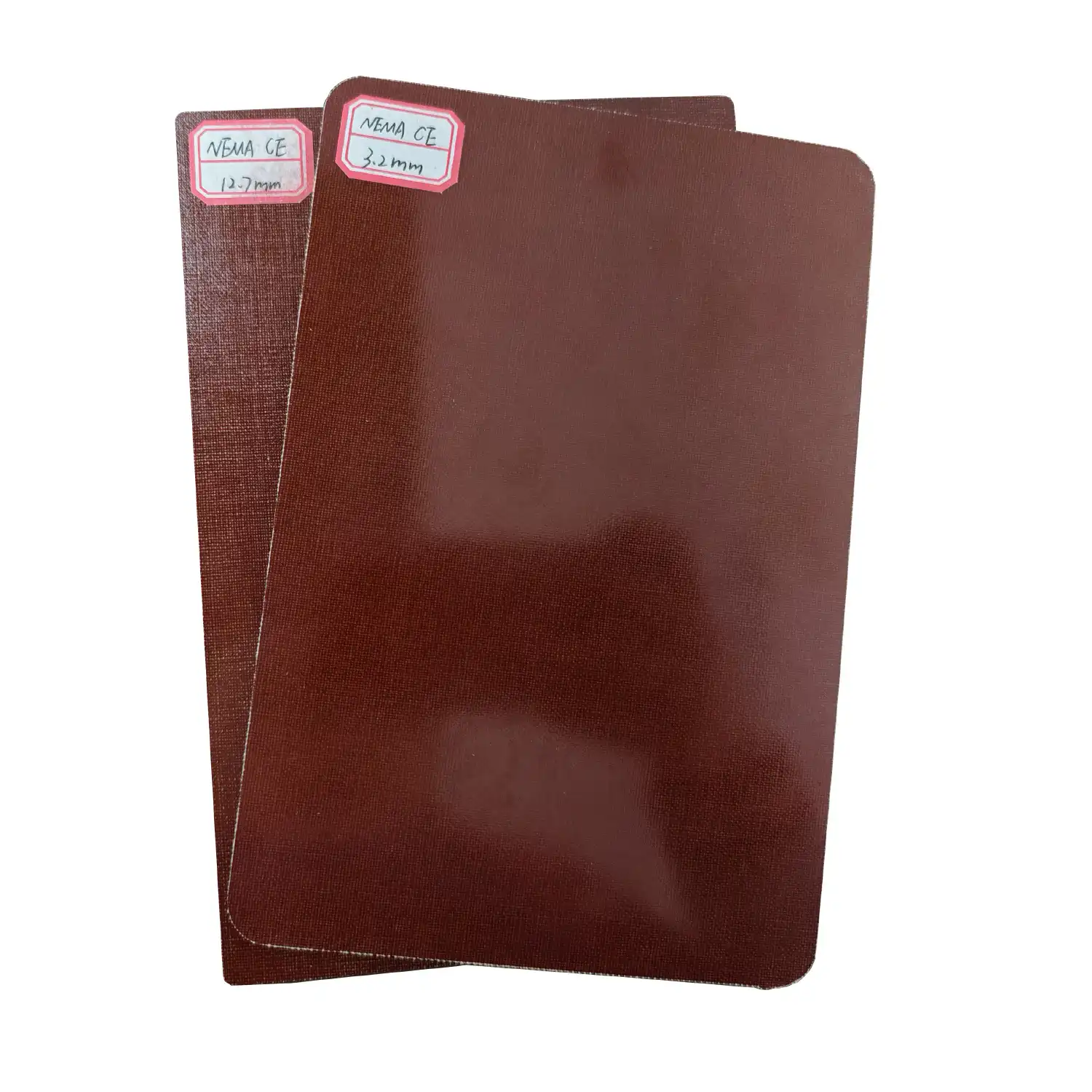
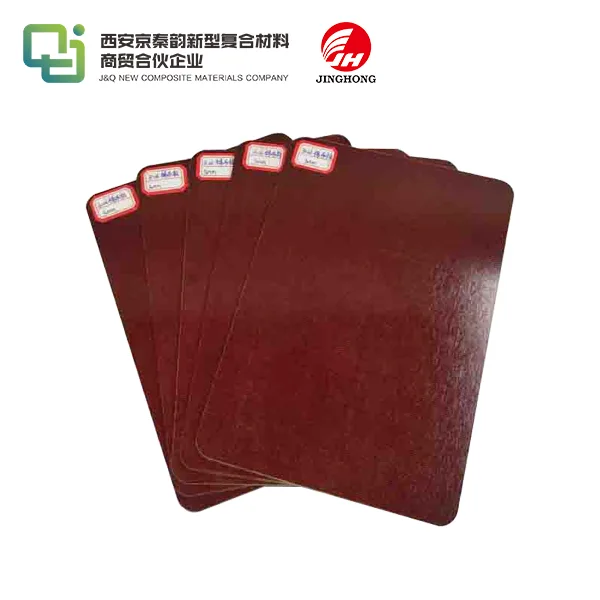
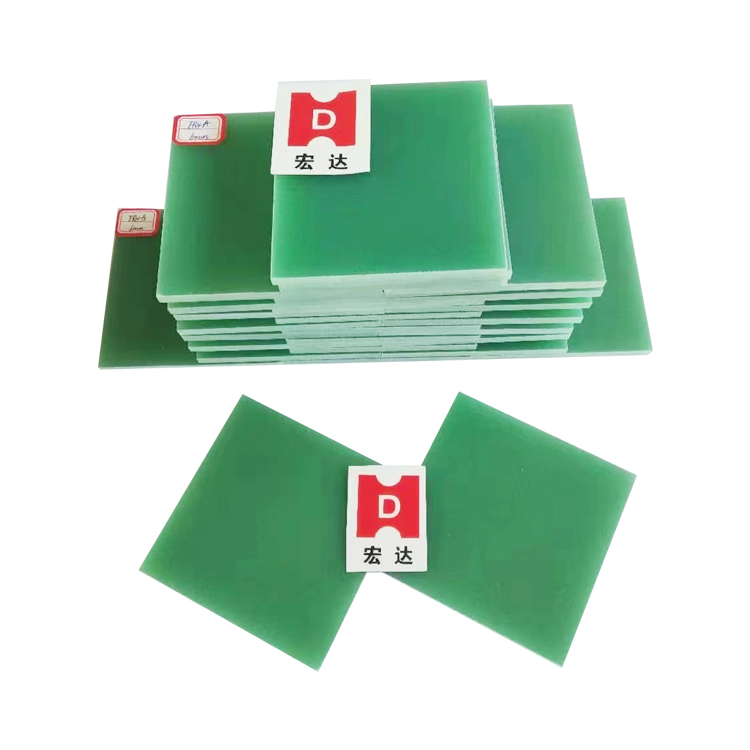
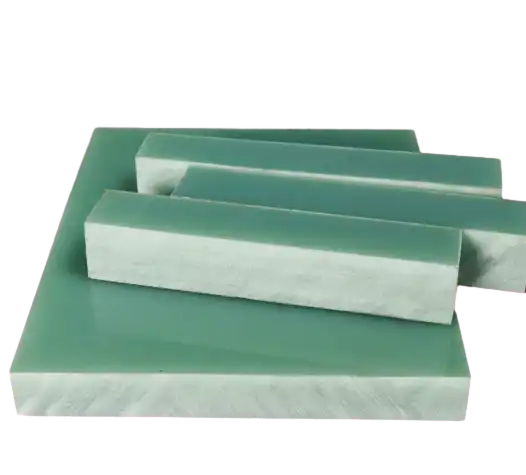
Glass Epoxy Sheets are a type of high-pressure thermoset plastic laminates made from spun glass cloth that is made of continuous filaments and is filled with epoxy resin. Several sheets of glass fabric are stacked on top of each other and soaked in liquid epoxy mixtures. The mixtures are then cured under controlled heat and pressure. This turns the mixture into a solid, even mass with a lasting molecule structure that won't melt or change shape when heated again.
The most well-known grade in this group of materials is FR4, where "FR" stands for "flame retardant." This formula uses brominated epoxy resins to meet UL94 V-0 flammability standards, which are a very important safety requirement in electronics manufacturing. Some other popular grades are G10, which doesn't put out flames, G11, which can handle higher temperatures, and FR5, which has better heat performance for lead-free soldering uses.
Manufacturing Excellence Ensures Consistency
To start making things, we choose high-quality E-glass fabric, which is a type of electrical-grade glass fiber known for having excellent dielectric properties. Before going into the resin impregnation stage, the glass cloth is treated first to make it stick to the resin better. Computer-controlled systems keep the resin-to-fiber ratios exact, which have a direct effect on the end mechanical qualities and the stability of the shape.
After being impregnated, the pre-preg sheets are cured in stages in hydraulic hot presses that reach temperatures of up to 170°C and pressures of more than 1,000 PSI. During the curing cycle, the epoxy molecules are linked together to form a three-dimensional polymer network. This gives the material its rigidity and heat resistance. Post-cure quality control checks the thickness, looks for holes or delamination, and uses electricity to make sure the dielectric strength meets NEMA LI-1 and IEC 60893 standards.
Technical Properties That Matter
The final Glass Epoxy Sheet has a bending strength between 45,000 and 70,000 PSI, which changes based on the grade and amount of glass used. The glass transition temperature (Tg) is different for each version. Standard FR4 stays structurally stable up to 130–140°C, while high-Tg forms stay stable above 170°C. The dielectric strength is usually between 500 and 800 volts per mil, which means that even in small assemblies, the electrical isolation is reliable.
Water absorption stays below 0.2% by weight, which keeps the accuracy of the measurements and stops dielectric breakdown in damp places. This low water absorption makes Glass Epoxy Sheets different from phenolic options, which can absorb a lot more water and change size as a result.
Performance Advantages of Glass Epoxy Sheets in Harsh Conditions
Superior Heat Resistance in Operating Environments
Often, industrial equipment works in temperature ranges that would damage less durable materials. Standard Glass Epoxy Sheet keeps its mechanical qualities up to 130°C (Class B grade) of constant temperature. Specialized high-Tg formulas raise this limit to 180°C. This thermal stability is very important for motor parts, transformer assemblies, and places under the hood of cars where heat is always present.
The low coefficient of thermal expansion of the material keeps the Z-axis from warping during thermal cycles, like when solder reflow processes are repeated in PCB assembly. This feature stops the board from bending, which can lead to misaligned parts or cracked solder joints in electronic systems.
Electrical Insulation That Doesn't Degrade
When you combine the naturally dielectric properties of glass fiber with the insulating properties of epoxy resin, you get very high electrical resistance. These sheets are great for keeping high-voltage circuits separate, making arc barriers in switchgear, and holding live wires in distribution equipment because their volume resistivity is greater than 10^14 ohm-cm. In contrast to biological materials that can turn into carbon when exposed to electrical stress, the inorganic glass support keeps the insulation's integrity even when there is a fault.
Testing against metal and engineering plastics shows that the benefits are very big. Aluminum carries electricity, so it needs extra layers of insulation, which makes it heavier and more complicated. Most plastics get soft at high temperatures and don't have the mechanical power needed to hold things up. Glass Epoxy Sheets solve both problems at the same time because they can insulate and support weight all in one piece.
Chemical and Environmental Durability
People who work in factories are often exposed to solvents, oils, weak acids, and alkaline solutions. Most common industrial fluids can't damage the cross-linked epoxy material chemically, so it keeps its mechanical qualities over a longer service life. This chemical resistance makes equipment last longer in places like chemical plants, auto factories, and the ocean, where corrosion would quickly break down metal parts.
The material's ability to fight water should be emphasized. When moisture gets into insulation in tropical areas or high-humidity production facilities, it lowers its resistance and can lead to electrical problems. Glass Epoxy Sheet absorbs almost no water, so its dielectric performance stays the same no matter how humid the air is around it. This is a huge benefit for companies that sell their products in different countries with different weather conditions.
How to Choose the Best Glass Epoxy Sheet for Your Industrial Needs
Matching Material Grade to Application Requirements
In order to choose the right laminate grades, you need to know how your business works. PCB makers usually choose FR4 because it doesn't catch fire easily and is easy to machine, which are both important qualities for making thousands of precise holes for fixing components. The UL94 V-0 grade makes sure that circuit boards will put out themselves if they come into contact with a flame. This meets the safety standards needed for consumer electronics.
Because power distribution equipment needs higher constant temperature rates, grades G11 or FR5 are better choices. These mixtures keep their mechanical strength at high temperatures that are common in transformer coil insulation and supports for high-current bus bars. The higher Tg keeps the material from softening during peak load, when equipment temperatures rise above normal.
Customized grades that mix flame resistance with precise machinability are useful for automotive uses. FR4's flame retardancy is needed to stop thermal runaway from spreading, and the insulation pads that support electric motor windings need to be able to keep their shape in temperatures ranging from -40°C to +150°C, which is usual in transportation settings.
Thickness and Tolerance Considerations
Thicknesses range from 0.4 mm to 100 mm, and for more precise uses, thickness tolerances can be made even tighter. PCB substrates and insulation spacers are mostly made of thin sheets (0.4–3.0 mm), where compact assembly is very important. Thicknesses between 3.0 and 12 mm are used for structural insulation in switches and motor frames. Heavy sections (12–100 mm) are used to support jigs and fixtures or parts of machines that don't wear out easily.
When it comes to assembly fit and electrical space, thickness accuracy has a direct effect. For most tasks, commercial tolerances of ±10% are enough, but for very precise work, control may need to be tighter, all the way down to ±0.1mm. When you're looking for materials, make sure you know if your application needs precision-ground surfaces or if a normal compression-molded finish will do. This makes a big difference in both price and lead time.
Certification and Compliance Verification
Teams that buy things for businesses must make sure that the items they get have the right licenses. Flame-retardant performance is confirmed by UL recognition under UL94 flammability tests. RoHS compliance paperwork makes sure that there are no banned chemicals, which is needed to get into the European market. For defense or space uses, Mil-Spec certifications (MIL-I-24768/27) might be needed.
Ask the maker for test results that show the mechanical qualities, dielectric strength, and flammability scores of the product. Reliable providers give certificates of conformance that are unique to each batch and use the NEMA LI-1 and IEC 60893 standards. This paperwork is very important during customer audits and assessments of product liability.
Procurement Insights: Sourcing Glass Epoxy Sheets Efficiently and Economically
Understanding Market Dynamics and Pricing Factors
The price of raw materials (like glass fiber, epoxy resin, and brominated flame retardants) changes based on order quantities, customization needs, and the cost of the materials themselves. When you buy standard sizes in bulk, you get better unit economics than when you order special cuts in small amounts. Setting up blanket purchase orders with scheduled releases helps manufacturers plan their production more efficiently, which often means that committed buyers get better prices.
Lead times are very different for stock items and items that are made to order. Standard FR4 sheets in typical sizes can be shipped within days of being stocked in the storeroom. Custom formulas, non-standard sizes, or surfaces that are precisely ground require planning in the production process, which could add a few weeks to the delivery time. Planning your material needs ahead of production peaks can help you avoid expensive expedite fees and delays in production.
Evaluating Supplier Capabilities and Reliability
Comparing unit prices is only one part of choosing a supplier. When evaluating a company's manufacturing capabilities, it's important to look at its testing centers, production tools, and quality control systems. Suppliers with ISO 9001 or IATF 16949-certified quality management systems show organized ways to make sure stability and accountability.
Superior suppliers are different from commodity vendors because they can provide technical support. During the creation of a product, engineering teams that help choose materials, make suggestions for machining, and solve application problems are valuable. This knowledge is especially useful when going from a concept to mass production or when changing plans to fit the needs of a new market.
Logistics and Supply Chain Considerations
Global buying adds a level of complexity to transportation that needs to be carefully managed. Total landed prices and delivery reliability are affected by how long it takes to move containers, how long it takes to clear customs, and how well the goods are distributed in the country. Suppliers who have established logistics ties and export knowledge are better able to deal with these problems than suppliers who only export sometimes.
We've set up our business so that there are no common supply chain problems. Our dedicated logistics division handles shipping consolidation, paperwork preparation, and freight forwarding, so there is only one person to blame from the factory floor to your receiving dock. This unified method cuts down on travel times and the extra work that comes with communicating between parties in multi-party logistics lines.
Case Studies and Application Scenarios Demonstrating Long-Term Stability
PCB Manufacturing: Sustained Performance Through Thousands of Cycles
A North American company that makes electronics for industrial control systems had problems with their PCB circuits that worked in hot places over and over again. It was found that FR4 material from a rival softened during wave soldering, which caused problems with board bending and component standoff. When we switched to our high-Tg FR4 grade, heat processing no longer caused distortion.
For performance validation, tests were done that went from -40°C to +125°C every 30 minutes for 2,000 cycles, which was meant to simulate 10 years of operational stress. During the whole test, the Glass Epoxy Sheet's dimensions stayed within 0.15 mm, and its dielectric strength stayed above 600 volts/mil. The customer said that there were no problems with the board substrate in the field during three years of production, which is equal to about 50,000 units in use.
Transformer Insulation: Chemical Resistance Under Continuous Load
A company that makes power distribution equipment needed insulation barriers that could stand up to both heat and mineral oil transformer fluids. In the past, phenolic materials swelled and lost their strength over time when they came in contact with oil. Our G11 grade Glass Epoxy Sheet didn't change much in size after being immersed in mineral oil at 90°C for 1,000 hours. It kept 95% of its original bending strength, while phenolic alternatives only kept 60%.
Field installations in tough industrial settings confirmed results from the lab. In chemical processing plants, transformers with these insulation parts ran nonstop for more than five years without any planned maintenance. At regular service intervals, inspection showed that there was no wear and tear, cracking, or dimensional instability. This proved that the material would last for a long time in real-world service conditions.
Automotive Battery Barriers: Safety Under Extreme Conditions
An automobile tier-one supplier that was making battery packs for electric vehicles needed insulation barriers that met strict standards for stopping flames from spreading while still keeping the structure's integrity in case of a crash. Our special FR4 mixture passed the UL94 V-0 flammability test and the mechanical impact test required by car safety standards. Thermal runaway simulation tests, in which cells next to each other hit temperatures above 800°C, showed that the barrier worked well to stop cascade failures. The chemical makeup of the material stopped the flame from spreading and kept the structure strong enough to keep failing cells in separate areas. Because of this, the battery pack design was able to get safety ratings in a number of global markets.
Conclusion
Glass Epoxy Sheet has a unique mix of thermal resistance, electrical insulation, mechanical strength, and chemical durability that makes it stable over time in tough industrial settings. These engineered Glass Epoxy Sheets work better than other options and save money on upkeep and downtime. For example, PCB boards can withstand thousands of thermal cycles, and transformer barriers can work constantly in harsh chemical environments. When choosing a material, it's important to match the grade requirements (FR4, G10, G11, or FR5) to the specifics of the application, such as the temperature range, flame retardancy needs, and mechanical loading conditions. To make sure that quality and delivery are consistent throughout the lifecycle of a product, good procurement balances the performance of the materials with the capabilities, certifications, and logistics support of the suppliers.
FAQ
What distinguishes FR4 from G10 epoxy laminates?
Both materials are made of Glass Epoxy Sheet and have similar mechanical properties. However, FR4 has brominated flame retardants added to it to make it UL94 V-0 self-extinguishing. G10 doesn't have any flame protective additives, so it can't be used in places that need fire safety standards. Because of insurance concerns and government rules, FR4 has mostly replaced G10 in the production of gadgets.
How does moisture affect dimensional stability?
Glass Epoxy Sheets stay true to size even in places with a lot of moisture because they absorb less than 0.2% of water. phenolic laminates, on the other hand, can soak up several percentage points of wetness, which can make them swell and bend. The stable sizes are very important in precision assemblies where the distance between parts affects how well they work electrically or mechanically.
Can these materials be machined to tight tolerances?
Using carbide or diamond tools, CNC cutting can easily get errors as low as ±0.05mm. The glass fiber content wears down cutting tools in a way that requires the right tool selection and cutting parameters. Professional machine shops use dust extractor systems to get rid of the tiny glass bits that are made when they drill, route, and mill. This keeps both the workers and the equipment safe.
Partner with J&Q for Reliable Glass Epoxy Sheet Solutions
When J&Q works with a Glass Epoxy Sheet supplier, we bring more than twenty years of experience in production and ten years of experience in foreign trade. Our fully combined operations include production sites, quality labs, and dedicated logistics services. This means that we can provide complete solutions from the creation of materials to their delivery. UL, RoHS, and international quality standards are strictly followed by us, and we also offer customization options to meet the needs of your particular application. Our technical support team helps engineering managers and procurement workers all over the world choose the right materials, make sure that standards are met, and fix problems with applications. Our prompt communication and clear quote process make it easier to source goods around the world, and our well-established logistics network makes sure that delivery times are always predictable. You can email us at info@jhd-material.com or go to jhd-material.com to talk about your insulation material needs and get detailed technical information that is specific to your application.
References
1. National Electrical Manufacturers Association (NEMA), "Industrial Laminating Thermosetting Products Standard LI 1-2020," NEMA Standards Publication, 2020.
2. Institute of Printed Circuits (IPC), "Performance Specification for Base Materials for Rigid and Multilayer Printed Boards," IPC-4101 Specification Series, 2021.
3. Underwriters Laboratories, "Standard for Tests for Flammability of Plastic Materials for Parts in Devices and Appliances," UL 94, 2013.
4. International Electrotechnical Commission, "Insulating Materials – Industrial Rigid Laminated Sheets Based on Thermosetting Resins for Electrical Purposes," IEC 60893-3-2:2018.
5. Materials Research Society, "Thermal and Mechanical Characterization of Epoxy-Glass Fiber Composites Under Environmental Stress," MRS Proceedings Volume 1732, 2019.
6. SAE International, "Environmental Durability of Polymeric Materials in Automotive Applications," SAE Technical Paper Series J2527, 2018.