Why Use G10 ESD Epoxy Board for Semiconductor Equipment?
2026-09-07 17:21:18
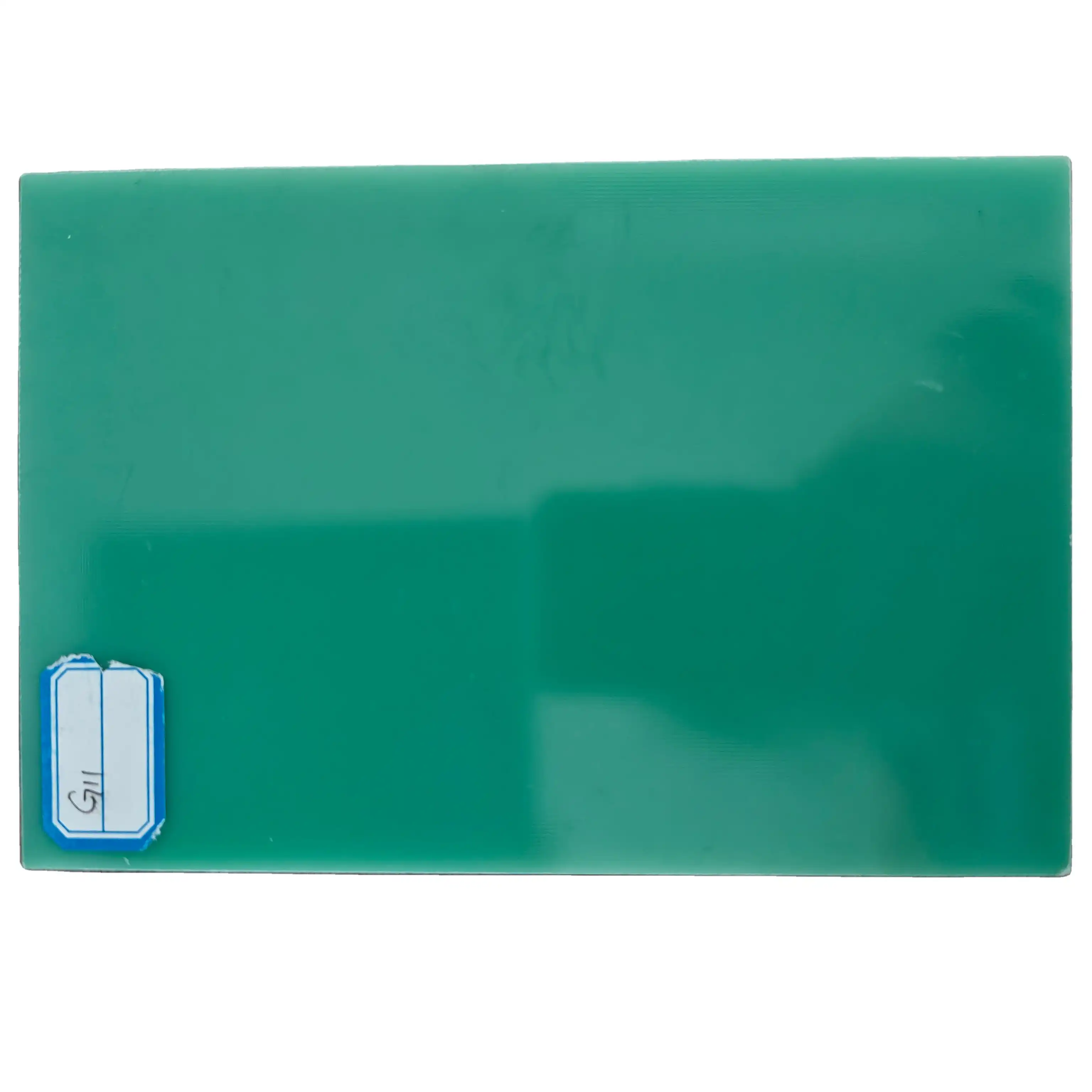
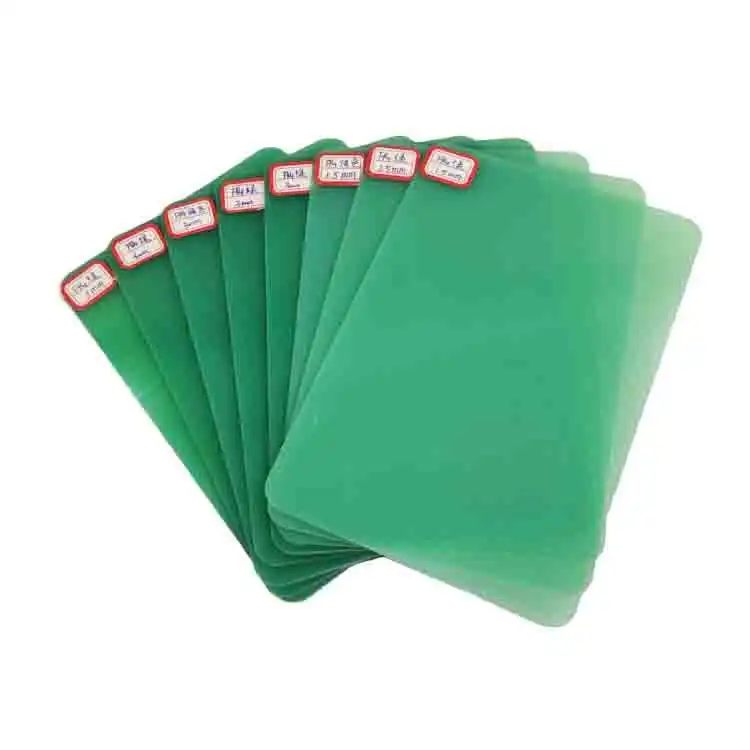
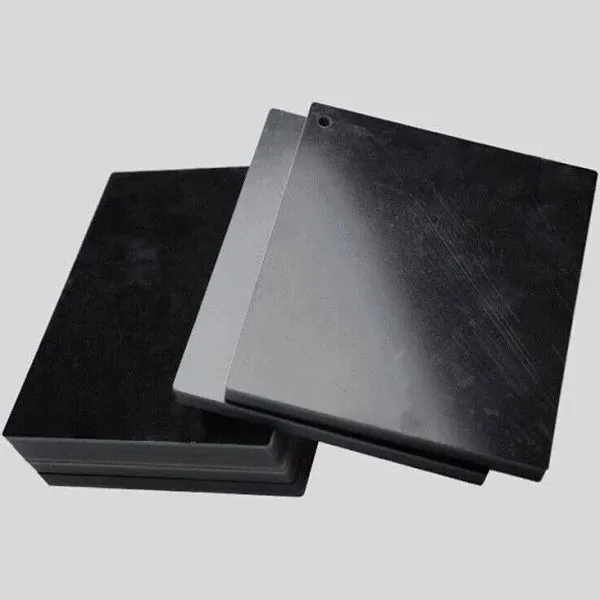
If you work in semiconductor manufacturing, you already know that a single electrostatic discharge event can silently destroy a microchip worth thousands of dollars. The question engineers and procurement teams keep asking is: what material reliably prevents that? The answer many leading manufacturers have settled on is the G10 ESD epoxy board — a static-dissipative composite laminate that combines the structural integrity of standard G10 fiberglass with volumetric ESD protection. It is not a surface coating. It is not a temporary fix. It is an engineered material solution built for the demanding realities of cleanrooms, SMT lines, and wafer-handling environments.
Understanding G10 ESD Epoxy Board and Its Role in Semiconductor Equipment
What Makes This Material Different from Standard G10?
Standard G10 is a great electrical shield, which is exactly what causes problems in places where ESD is a concern. Instead of safely releasing static charge, insulators hold on to it. This problem is fixed by adding carbon-based electrical fillers evenly to the epoxy resin matrix in G10 ESD Epoxy Board. As a result, the surface resistance is managed and is usually between 10⁵ and 10⁹ Ohms. This range meets the requirements of ANSI/ESD S20.20 for static dissipation. The ESD property doesn't get lost during CNC machining or surface abrasion because the conductive agents are spread out across the whole material. It stays the same across the whole cross-section.
Why Semiconductor Equipment Demands This Level of Protection?
There are parts on semiconductor production lines that have gate oxide layers that are as thin as a few nanometers. A 100-volt static discharge event, which can't be felt by the human hand, can damage these buildings forever. According to the ESD Association, failures caused by ESD cost the global technology business billions of dollars every year. As the first line of defense against these losses, fixtures, frames, test plates, and insulation sheets made from static-dissipative laminates like this one are used.
Advantages Over Conventional Epoxy Laminates in Semiconductor Applications
Performance Comparison with FR4 and Standard Epoxy Boards
FR4 is the standard for PCB substrates in the industry, but it acts like a pure insulator and has a surface resistivity of more than 10¹³ Ohms. When putting together semiconductors, that amount of electrical separation causes charges to build up on the fixtures and carriers, especially in places with low humidity. G10 ESD Epoxy Board gets rid of those charges in a controlled, non-destructive way, which keeps the unit being tested safe without putting it at risk of a conductive short circuit.
In addition to the ESD behavior, the mechanical performance is also very interesting. These are the main technical benefits that make this material different from other epoxy laminates:
- Consistent ESD performance regardless of humidity: While anti-static coatings and plastics treated with surfactants break down in dry conditions, carbon-filled epoxy systems keep their resistivity stable over a wide range of relative humidity, which is a huge benefit for climate-controlled cleanrooms.
- Integral volumetric protection: The ESD trait goes through the whole thickness of the material. In other words, the dissipative properties of cut slots, drilled holes, and curved edges are all the same as those of the original sheet surface.
- High flexural strength exceeding 45,000 PSI: This mechanical rigidity keeps ICT bed-of-nails fixtures from warping, which stops microflexing during test cycles from leading to false failures.
- Thermal stability up to 130°C continuous use: Continuous use at temperatures up to 130°C is enough for normal SMT wash trays, wave soldering pallets, and low-temperature carrier uses without losing their shape.
Technical Specifications and Procurement Parameters
Key Parameters That Determine Material Suitability
It takes more than looking at a document to choose the right type of static-dissipative fiberglass laminate. Volume resistivity in the 10⁶ to 10⁹ Ohm range is the most important electrical parameter to check. This is in line with ANSI/ESD S20.20. You shouldn't just guess at surface resistivity values from a product description; instead, a Certificate of Conformance (CoC) should be used to confirm each batch of G10 ESD Epoxy Board.
The thermal qualities are just as important. For most wave soldering and reflow carrier tasks, a steady working temperature of around 130°C is fine, with short-term changes up to 180°C allowed. Dimensional tolerances, especially consistency in thickness across large sheet formats, affect how accurate CNC fixtures are and how precisely they can be put together again and again.
When buying in bulk, you should also think about these other factors:
- Machining compatibility: Needs carbide or diamond-tipped tools with vacuum dust extraction. If coolants are used, make sure the material is completely dry before checking its resistance so that the results are not skewed.
- Customization availability: Before placing an order, you should check the thickness ranges, sheet measurements, and tolerance grades. Non-standard shapes are needed for many uses in semiconductor equipment.
- MOQ and lead time alignment: Making sure that shipping processes work with production plans keeps lines from stopping. Suppliers who can handle transportation in-house have a clear edge in this case.
How to Evaluate a Reliable G10 ESD Epoxy Board Supplier?
What Separates a Dependable Supplier from a Risk
A lot of ESD board that measures as an insulator when it gets there is not only a quality problem; it also stops production. This type of failure is more common than the industry realizes. It's caused by unevenly dispersed electrical filler or worn surface-only treatments. A reliable G10 ESD Epoxy Board maker includes batch-specific resistivity data with every package, not just a general proof of material.
Before committing to a long-term relationship, procurement teams should use these criteria to judge suppliers:
- Certifications and compliance documentation: UL recognition, ANSI/ESD S20.20 compliance, and RoHS conformity all confirm that the material meets safety and electrical performance standards.
- Quality control transparency: Suppliers who do their own resistivity testing and share batch CoC documentation show that the process is reliable, not just what they say on the marketing materials.
- Logistics infrastructure: Suppliers with their own logistics services can make lead times more stable and supply chains more reliable for semiconductor production schedules that need to be on time.
- Technical support access: Suppliers who offer application-specific advice in addition to just filling orders are helpful for engineering managers.
Application Scenarios and Where This Material Is Heading
G10 ESD Epoxy Boards are used in a lot of different types of semiconductor parts. This material is used on SMT solder pallets and wave soldering carriers because it has a low thermal mass, which lets it heat cycle more quickly and protects sensitive BGA and IC parts from static damage. ICT test devices depend on its stiffness to keep pogo pins lined up even after repeated mechanical contact. When working with wafers in a cleanroom, trays and storage cases made from this material don't react with chemical cleaners and let out very little gas, which are both very important for keeping things clean.
As we look ahead, lead-free soldering requirements are bringing new composite formulations to the market with tighter resistivity tolerances and better thermal ceilings. Next-generation buying strategies are also being shaped by how they work with smart production systems, which increasingly use IoT-compatible tracking and the ability to track materials. Even with these changes, this material's major benefit stays the same: it is a cheap, reliable, and workable option that can be used in high-volume semiconductor production settings.
Conclusion
Materials that work perfectly with semiconductor equipment are needed. Standard epoxy boards can't always stop specific types of failure, like electrostatic damage, fastener bending, and material inconsistency. Static-dissipative fiberglass laminates, such as the G10 ESD Epoxy Board can. This material is a standard for buying in cleanrooms and SMT lines across the industry because it protects against bulk ESD, has strong mechanical qualities, and works well with many semiconductor manufacturing processes.
FAQ
What distinguishes integral ESD protection from an anti-static surface coating?
Integral G10 ESD safety means that the electrical filler is spread out evenly throughout the whole material. Surface coatings come off when they are machined or used over and over, which means that ESD protection is lost in the exact places where contact is most likely to happen. Integrity in volumetric ESD is a must for long-lasting semiconductor fixtures.
Does ambient humidity affect the material's resistivity performance?
High-quality carbon-filled epoxy systems keep their resistivity stable no matter how humid the air is. Cheaper versions that use migrant lubricants may not work in dry cleanrooms. Always check the electrical device before you buy.
Can this material handle reflow oven temperatures?
It can be used continuously at temperatures between 130°C and 140°C, which is hot enough for normal wash trays and wave soldering carriers. Lead-free reflow methods that go above and beyond 260°C need better materials, like ESD Durostone types.
Why would a brand-new board measure as an insulator?
This could mean that the surface treatment has already worn off or that the conductive filler wasn't spread out evenly during production. Before receiving a shipment, you should always ask for a Certificate of Conformance that is specific to the batch and has confirmed resistivity values.
Partner with J&Q for Trusted ESD Laminate Solutions
J&Q has been making insulated sheets for more than 20 years and has been trading around the world for more than 10 years. As a G10 ESD Epoxy Board provider with a lot of experience, we can provide precisely cut sheets, batch-verified resistivity paperwork, a range of MOQ choices, and dependable shipping through our own transportation infrastructure. You can talk to our technical team about your semiconductor equipment material needs by emailing info@jhd-material.com or going to jhd-material.com.
References
1. ESD Association (ESDA). ESD Technology Roadmap. 2022.
2. IPC — Association Connecting Electronics Industries. IPC-A-610: Acceptability of Electronic Assemblies. 2020.
3. National Electrical Manufacturers Association (NEMA). NEMA LI 1: Industrial Laminating Thermosetting Products. 2021.
4. American National Standards Institute. ANSI/ESD S20.20: Protection of Electrical and Electronic Parts, Assemblies and Equipment. 2021.
5. IEC Technical Committee 28. IEC 61340-5-1: Electrostatics — Protection of Electronic Devices from Electrostatic Phenomena. 2016.
6. Harper, C. A. Electronic Packaging and Interconnection Handbook. McGraw-Hill. 2004.