3021 Phenolic Paper Sheet Supports Electrical Components with Easy Machining
2026-09-07 17:21:15
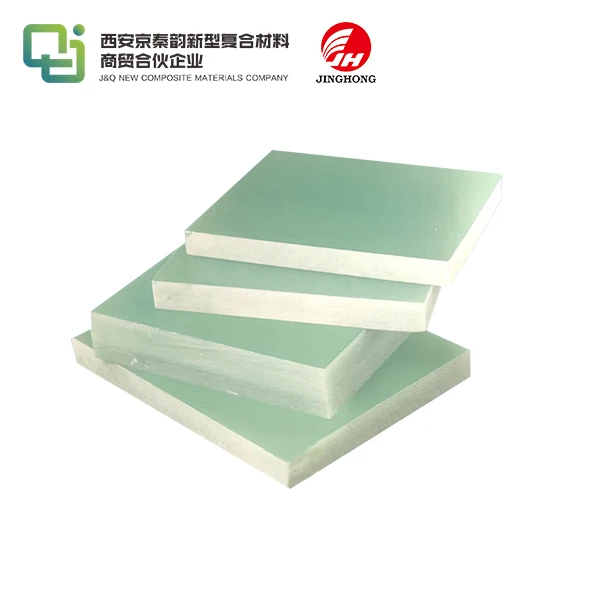
When looking for reliable, low-cost insulation materials for electrical systems, the 3021 Phenolic Paper Sheet stands out. This laminated sheet is made from kraft paper that has been saturated with phenolic resin and then pressed together under heat and pressure. It has good Class E (120°C) thermal performance, strong dielectric properties, and is very easy to work with. It is always used by engineering managers and procurement teams across the U.S. for PCB support structures, switchgear components, transformer insulation, and motor parts because it balances performance and processability without being more expensive than epoxy glass alternatives.
Understanding 3021 Phenolic Paper Sheet: Properties and Manufacturing Process
What It's Made Of and How It's Built?
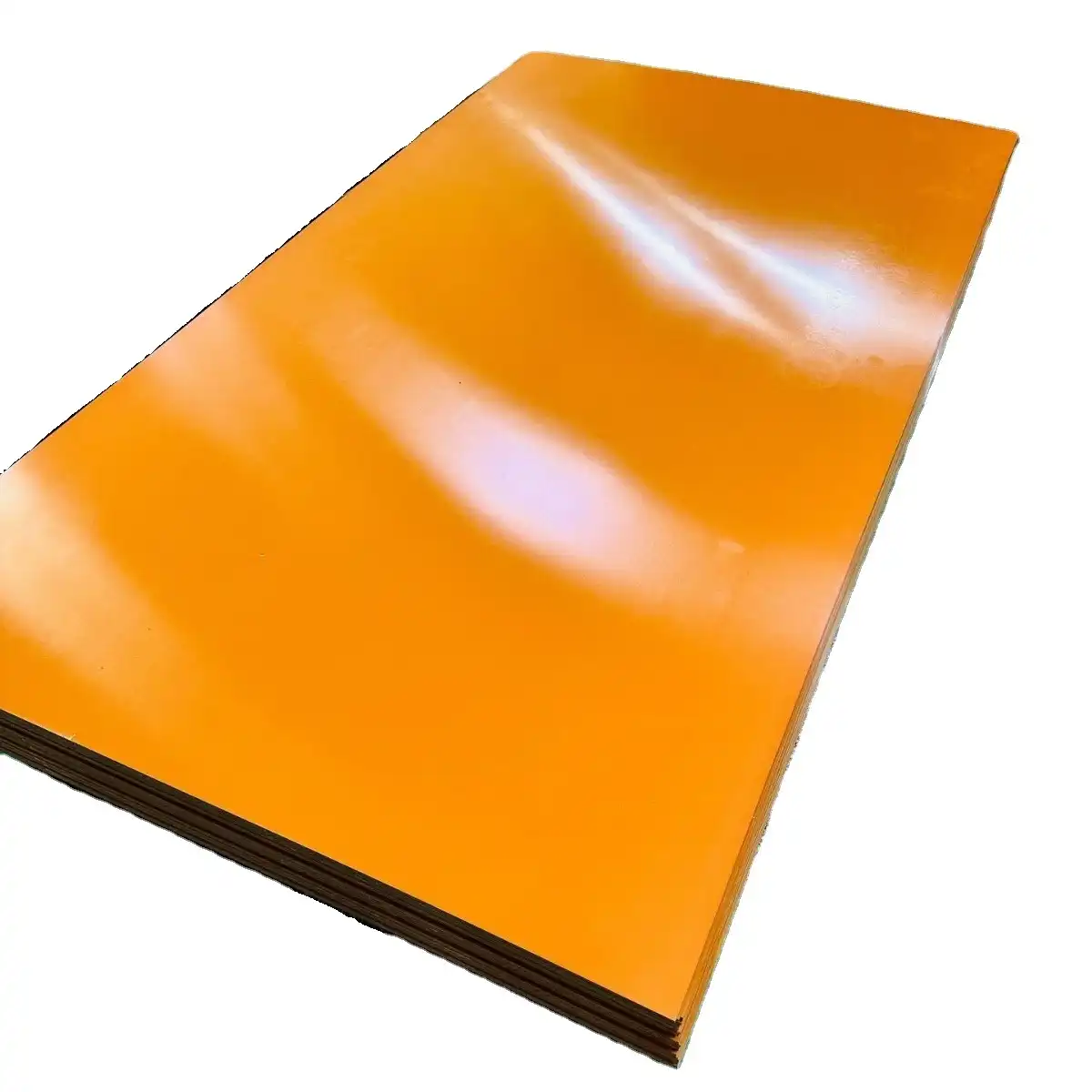
This phenolic laminate is made from bleached wood pulp kraft paper that is fully soaked with phenolic resin. After being stacked, these coated sheets are put through high-temperature compression pressing. The resin matrix cross-links during this process, making a hard board that stays the same size. The 3021 Phenolic Paper Sheet that was made meets the standards of IEC 60893-3-4 (Type PFCP201) and is the same as NEMA Type X/XX grades.
Some important technical factors checked are:
- Between 1.35 and 1.45 g/cm³
- Flexural strength (across laminations): ≥ 115 MPa, usually more than 135 MPa
- Strength of the dielectric in oil, step by step: 10–12 kV/mm
- Under normal conditions, the insulation resistance is less than 10°C.
- Impact strength (notched Charpy, parallel): 12 kJ/m² or more
- Class E thermal grade for constant service at 120°C
Before approving materials for production runs, engineering procurement teams need to see numbers that can be checked.
Reading the Datasheet Like a Pro
When reading a technical document, pay close attention to the direction of the test. The mechanical values are very different when the axs are perpendicular or parallel. When you test the dielectric strength in transformer oil, you can be sure that it will work well in sealed electrical boxes. Also, people in charge of buying things should check the sheet tolerances. Standard sheet sizes are 1030 mm x 2070 mm and 1220 mm x 2200 mm (±15 mm), and thicknesses range from 3 mm to 100 mm. Setting consistent standards for dimensions helps cut down on CNC setup time and scrap rates on the production floor.
Applications of 3021 Phenolic Paper Sheet in Electrical Components
Where This Material Actually Gets Used?
A lot of different electrical and computer parts use the 3021 Phenolic Paper Sheet. Because it is stiff, doesn't absorb much water, and can be machined cleanly, it is a good choice in many industry areas.
The 3021 Phenolic Paper Sheet is mostly used in the following areas:
- PCB backup boards and support fixtures: Because it drills cleanly and stays the same size, it is often used for backup boards during PCB manufacturing to keep the circuit side from burring and delaminating.
- Panel boards and switchgear: It is used for switching panels, insulation washers, and arc-barrier parts in low-voltage switchgear systems that need to be dielectrically consistent.
- Transformer insulation: The material works well in transformer oil because it doesn't soak up oil and keeps its insulating properties. It can be used as end rings, spacers, and bushings for coils.
- Motor parts and spacers: These sheets are used by mechanical engineers for insulation spacers and end shields in electric motors that need to be able to hold weight and fight heat at the same time.
These uses show why sourcing managers see this vinyl as an everyday item for production and not a one-of-a-kind item. It makes clean cuts that don't chip, which increases tool life and speeds up production.
Comparing 3021 Phenolic Paper Sheet with Alternative Materials
Choosing the Right Laminate for Your Application
When more than one type of laminate is available, it's harder to decide where to get it. To make your choice easier, here is a list of common alternatives to the 3021 Phenolic Paper Sheet:
| Material | Thermal Rating | Dielectric Strength | Mechanical Strength | Relative Cost | Best For |
|---|---|---|---|---|---|
| 3021 Phenolic Paper | Class E (120°C) | ≥10 kV/mm | Moderate-High | Low | Transformers, switchgear, PCB support |
| 3025 Phenolic Cotton | Class E (120°C) | Moderate | High impact | Low-Mid | Gears, mechanical spacers |
| FR4 Epoxy Glass | Class F (155°C) | ≥20 kV/mm | High | High | High-frequency PCBs, precision electronics |
| G10 Epoxy Glass | Class B (130°C) | High | High | High | Aerospace, defense, demanding moisture environments |
The 3021 Phenolic Paper Sheet prioritizes electrical insulation values over raw impact strength. This distinguishes it from its cotton phenolic counterpart (3025), which handles greater mechanical shock but lacks dielectric consistency. Compared to FR4 and G10 epoxy glass, the phenolic paper version is significantly more cost-effective and easier to machine, making it the rational choice for large-scale low-voltage insulation work where high-frequency performance is not required.
A big part of this is the total cost of ownership. Lowering the cost of materials, speeding up the cutting process, and reducing tool wear all save money for both R&D engineers testing samples and supply chain managers managing yearly contracts.
Procurement Guide for 3021 Phenolic Paper Sheet
What Buyers Need to Know Before Placing an Order
It takes more than just looking at price lists to find a 3021 Phenolic Paper Sheet from a reputable manufacturer. Before making a deal with a seller, buyers in North America and Europe should make sure of the following:
- Certifications and compliance: Make sure the material meets the requirements of IEC 60893-3-4 or a similar NEMA grade. Ask for test results on the density, dielectric strength, and bending strength.
- When it comes to lead times and minimum order quantities (MOQs), reputable manufacturers offer flexible MOQs for standard sizes. Supply chain risks can be cut down by planning 4–6 weeks ahead for large orders.
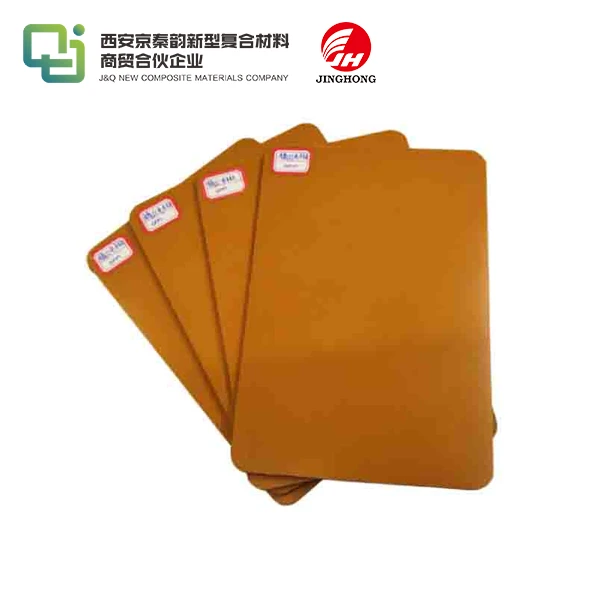
- The ability to customize: A lot of buyers need thicknesses that aren't standard, custom sizes, or certain colors (orange and black are standard). Make sure that the services for CNC cutting and surface cleaning meet your needs.
- Logistics and delivery infrastructure: Suppliers who handle their own logistics offer more reliable delivery slots and better insight into shipments, which is very important for handling just-in-time production plans.
It is more important than a single impressive standard to ask for batch test certificates from suppliers to make sure that data is consistent across orders.
Why Choose J&Q's 3021 Phenolic Paper Sheet?
J&Q has a good name thanks to 20 years of making industrial insulation and 10 years of trading with other countries. The 3021 Phenolic Paper Sheet product line comes in orange and black and has widths from 3 mm to 100 mm. It also comes in standard and special forms. IEC 60893-3-4 standards are followed during all stages of production, and each batch comes with verified test results for dielectric strength, flexural performance, and dimensional tolerances.
Buyers who need unique packages, measures that aren't standard, or technical data sheets that are made just for them can get help from OEMs. J&Q runs its own shipping network, which lets customers track packages from start to finish and choose when they should arrive. This help is especially useful for procurement teams in Europe and North America that have to meet tight deadlines. Long-term partnerships with global distributors show that an industrial supplier is reliable, which is what engineers look for in a supplier.
Conclusion
The 3021 Phenolic Paper Sheet is still one of the most useful insulation materials for making electrical parts. It is a reliable choice for switchgear, transformers, motors, and PCBs because it has a proven Class E thermal rating, good dielectric performance, and easy machining. When buying, teams compare performance to cost and how easy it is to process; this material always comes out on top. Buying from a company that has strict quality controls and combined services lowers the risk and keeps the production lines going smoothly.
FAQ
Why does 3021 Phenolic Paper Sheet work well for electrical insulation?
The phenolic resin binder makes a thick, cross-linked structure that stops dielectric breakdown very well. The 3021 Phenolic Paper Sheet can handle the needs of low-voltage switches and motor parts without breaking down even when it's heated to 120°C for long periods of time. It has an insulation resistance of more than 10⁷ Ω and a dielectric strength of 10–12 kV/mm in transformer oil.
How does it compare to fiberglass laminate on cost and performance?
Fiberglass epoxy laminates, such as FR4 and G10, have better insulating and temperature ratings, but they are much more expensive to make and machine. The phenolic paper type cuts faster, wears down tools less, and costs less per sheet, so it is the best choice when high-frequency performance is not needed for the design.
What are typical lead times for bulk orders shipped to the U.S.?
A lot of orders of standard sizes and thicknesses usually ship in two to four weeks, but this depends on how many are placed and how they are customized. Buyers should let manufacturers know early on about the expected yearly amounts so that they can set aside production capacity and keep wait times to a minimum during the buying cycle.
Request a Quote from J&Q — Trusted 3021 Phenolic Paper Sheet Manufacturer
J&Q provides certified 3021 Phenolic Paper Sheet backed by over 20 years of expertise and in-house logistics. Our team is ready to assist with your procurement, whether you need sample evaluation or a full bulk order. Contact our technical team at info@jhd-material.com or visit jhd-material.com to explore our full catalog and request a customized quote today.
References
1. IEC 60893-3-4: Industrial Rigid Laminated Sheets Based on Thermosetting Resins — Specifications for Phenolic Paper Laminates. International Electrotechnical Commission, 2003.
2. NEMA LI 1: Industrial Laminating Thermosetting Products Standard. National Electrical Manufacturers Association, 2020.
3. GB/T 1303.1: Laminated Thermosetting Materials — Part 1: Definitions, Designations, and General Requirements. Standardization Administration of China, 2008.
4. Harper, C. A. Handbook of Plastics Technologies. McGraw-Hill, 2006.
5. Mohan, R. Insulation Coordination in Electrical Systems. CRC Press, 2012.
6. Kulkarni, S. V., & Khaparde, S. A. Transformer Engineering: Design, Technology, and Diagnostics. CRC Press, 2013.
_1754967691873.webp)