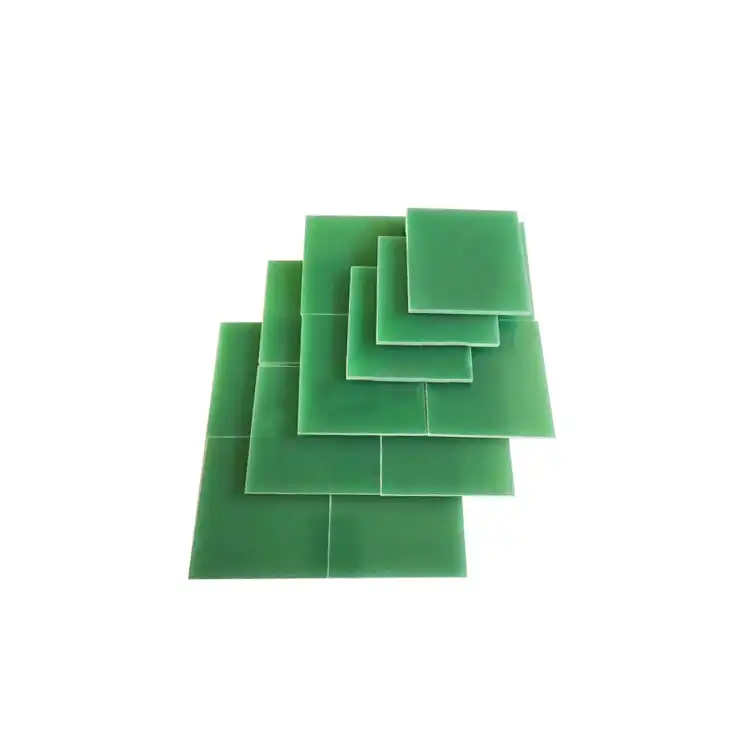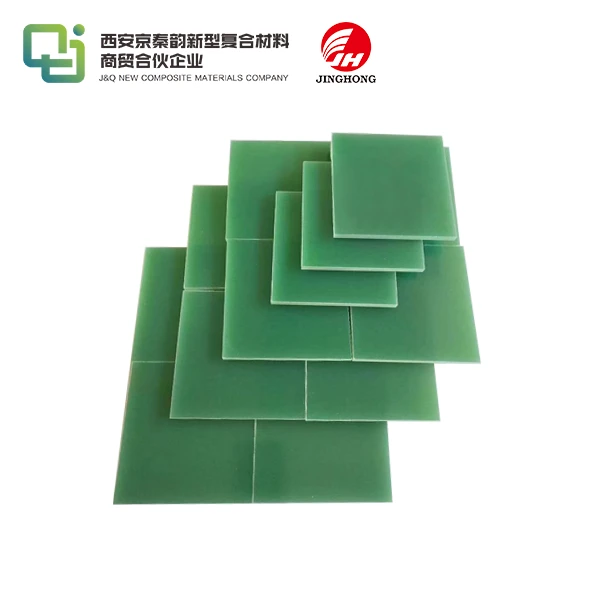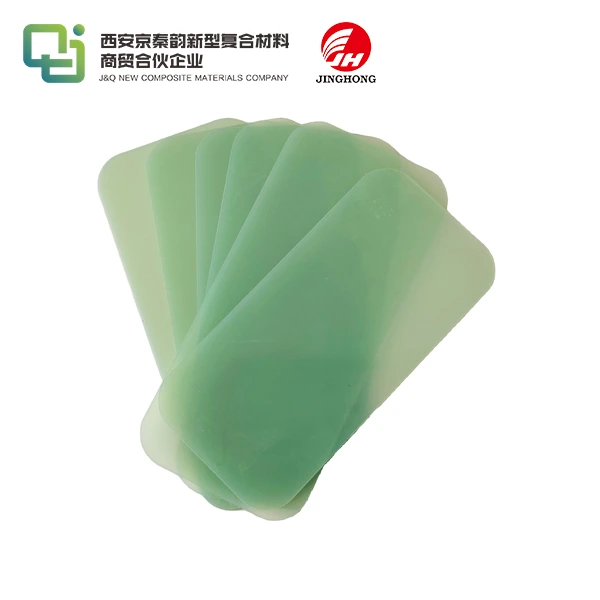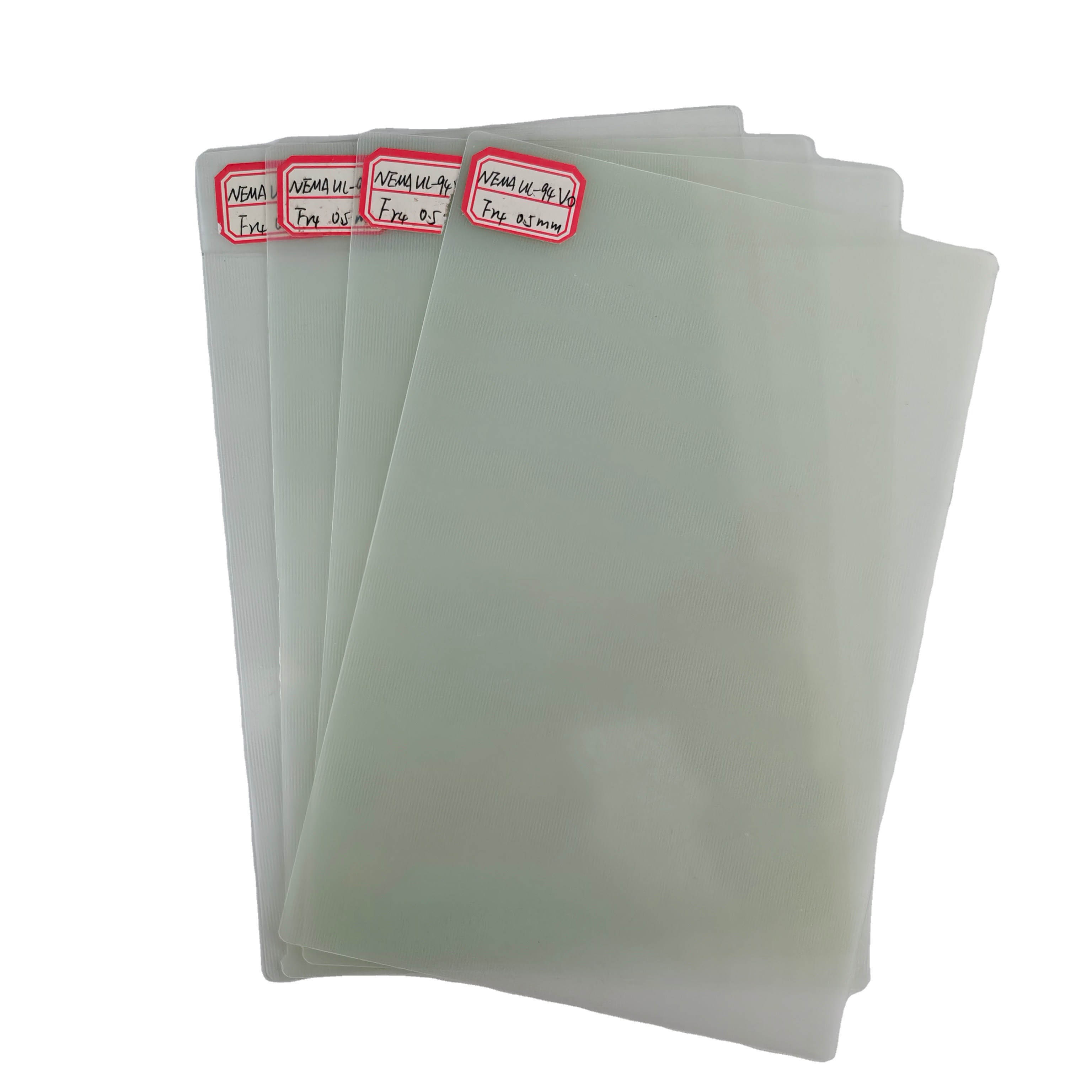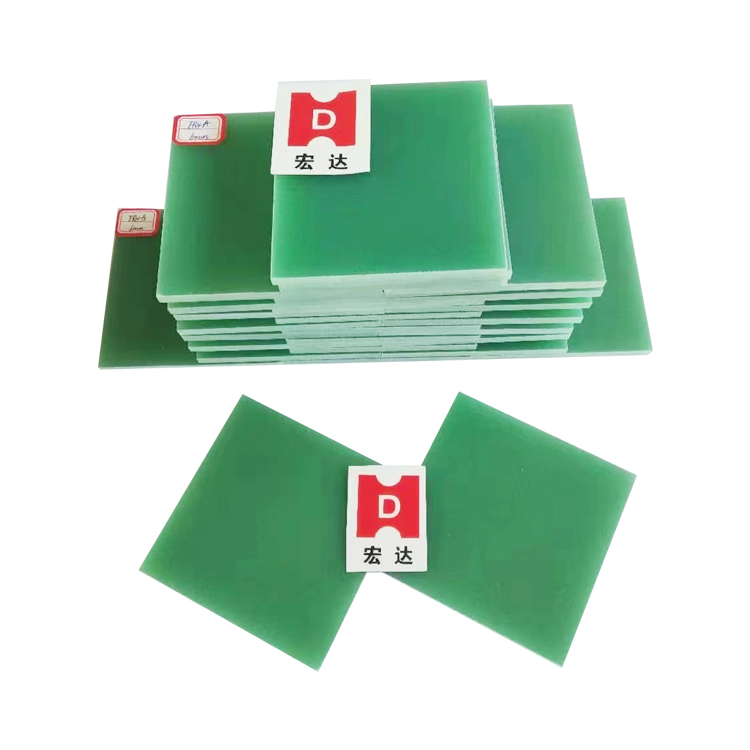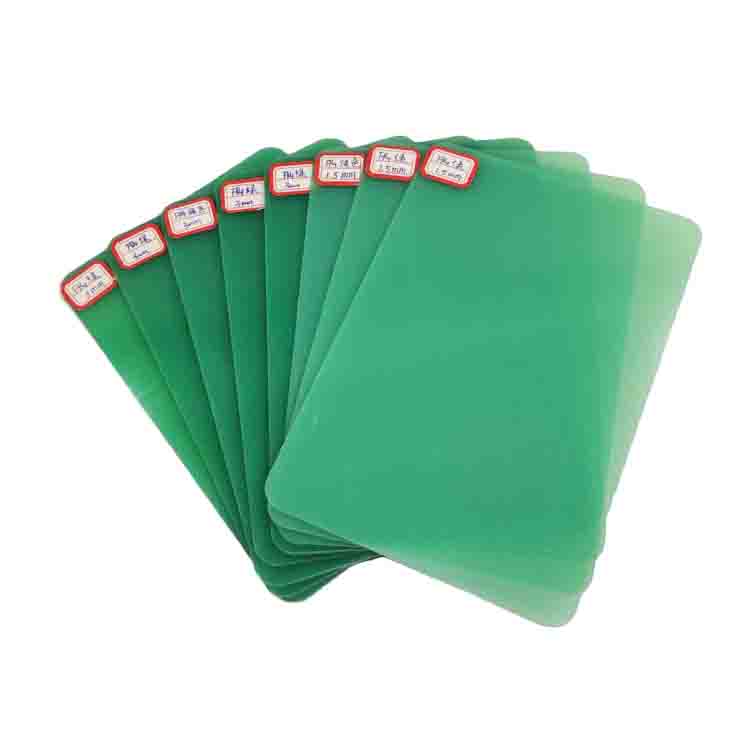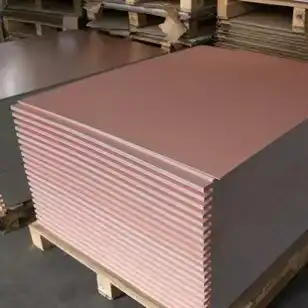
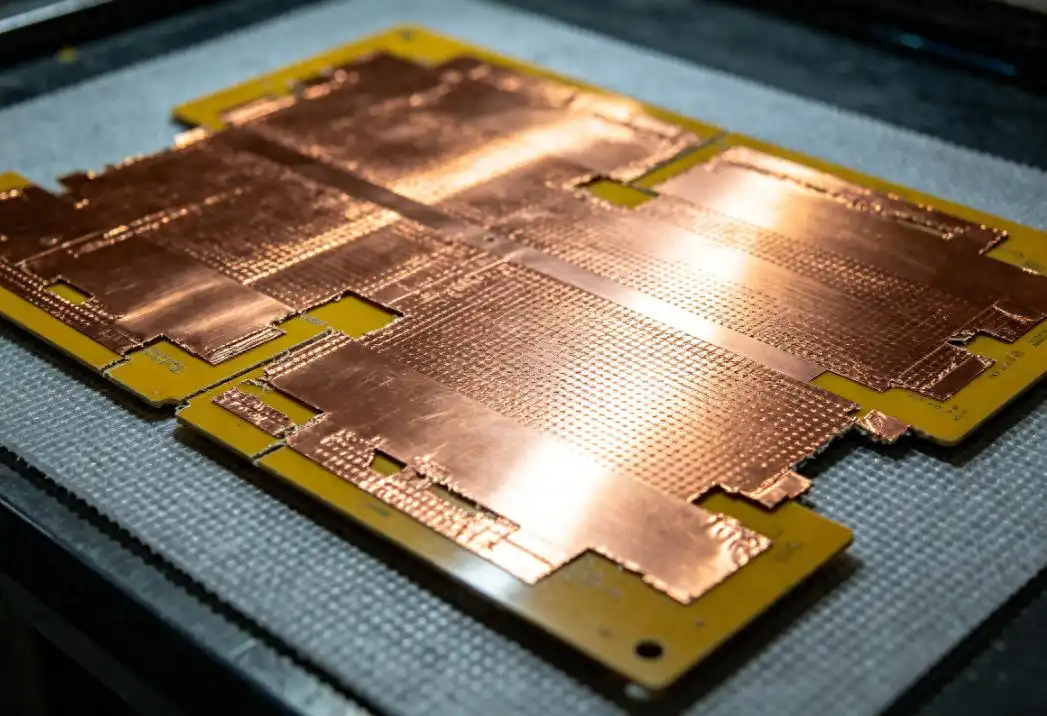
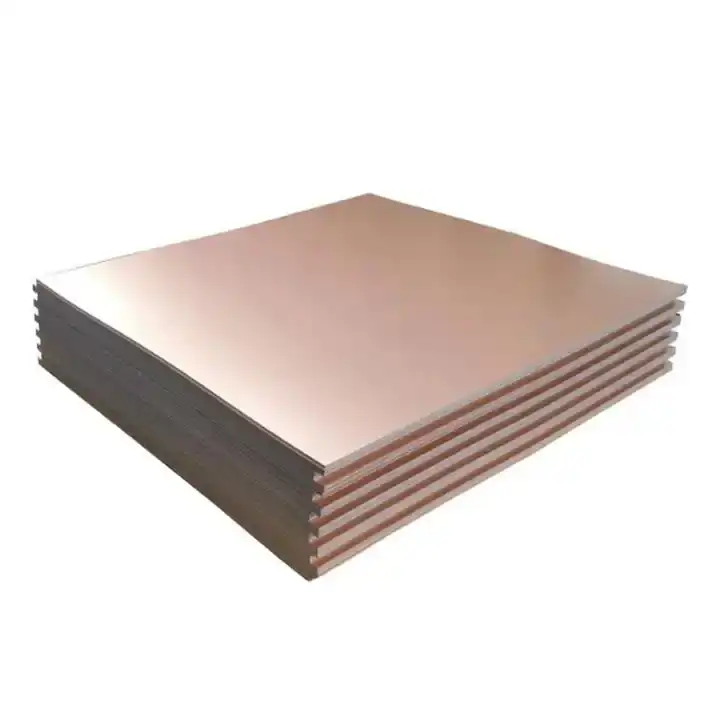
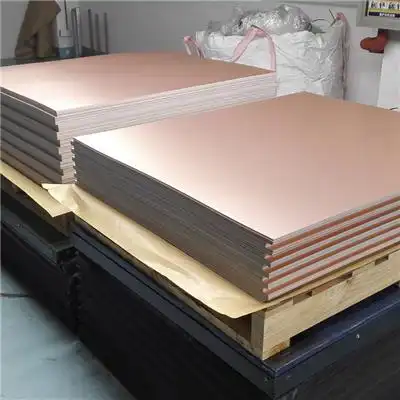
Copper Clad Laminate Sheet
Brand: JingHong
Materials: E-glass fabric + copper foil
Thickness: 0.2mm --- 3.2mm
Regular Size: 1040mm*1240mm
Packaging: Regular packing, Protect by Pallet
Productivity: 43000 Tons per year
Transportation: Ocean, Land, Air
Payment:T/T
MOQ:500KG
- Fast Delievery
- Quality Assurance
- 24/7 Customer Service
Product Introduction
High-Performance Copper Clad Laminate Sheet for PCB Manufacturing - Industrial Grade Solutions
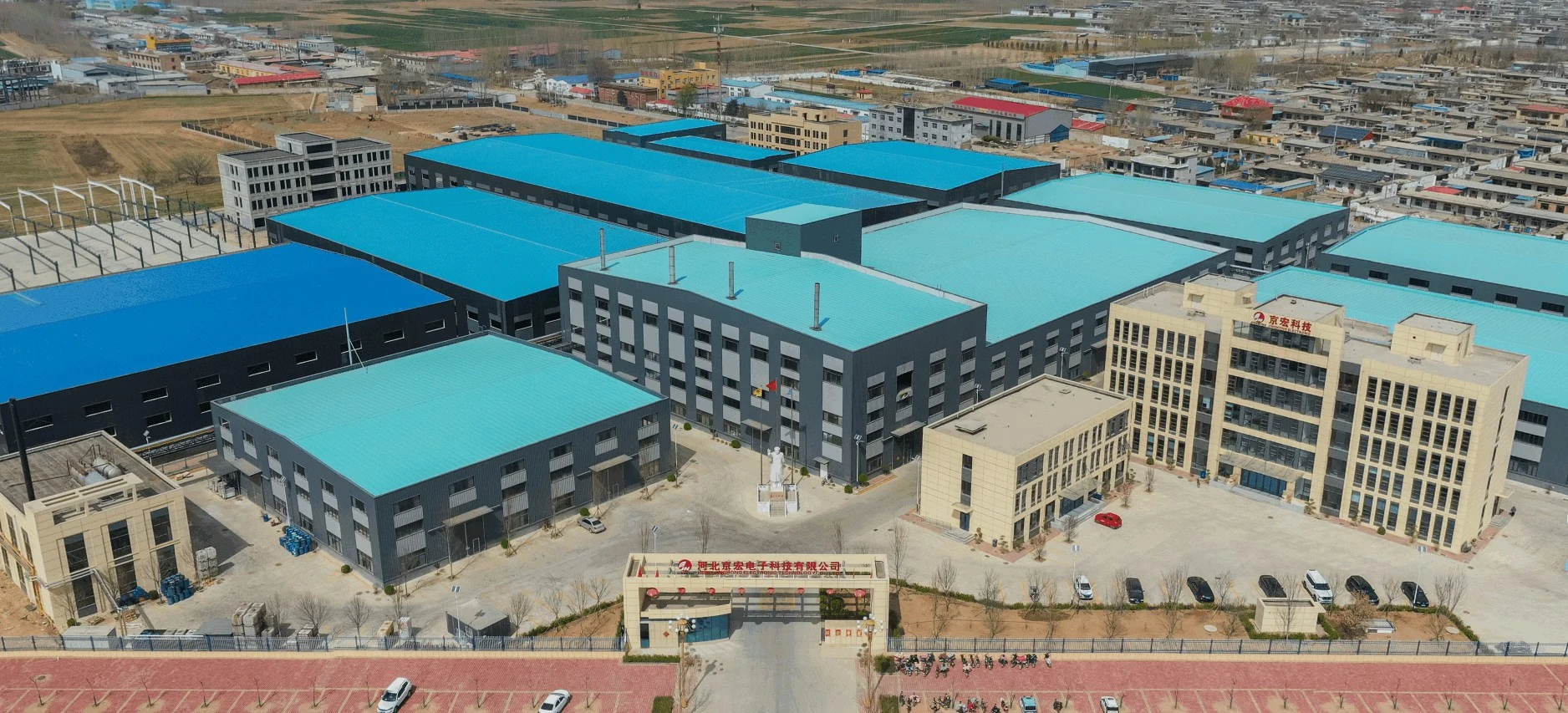
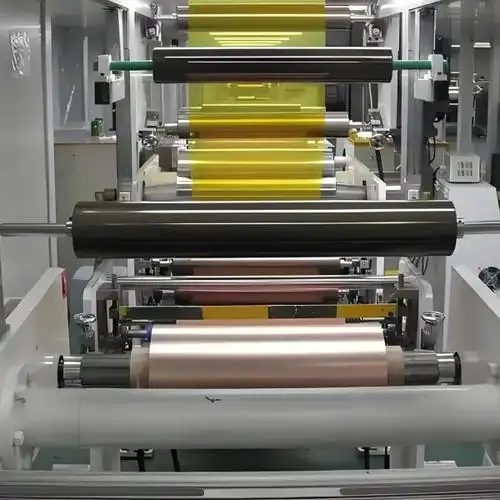
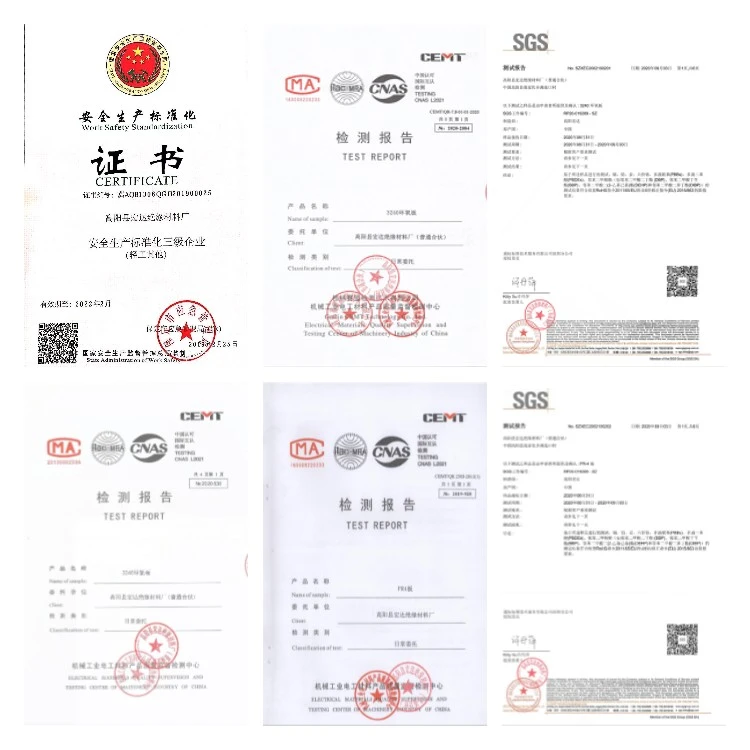
J&Q New Composite Materials Company delivers industrial-grade Copper Clad Laminate Sheet manufactured by Hebei JingHong Electronic Technology Co., Ltd, featuring E-glass fabric reinforcement with premium copper foil bonding. Our production capacity reaches 43,000 tons annually across two specialized facilities spanning 96,667 square meters. Each product undergoes precision processing through advanced thermal compressors and vertical glue application systems, ensuring consistent dielectric strength and dimensional stability for critical PCB applications. Available in thicknesses from 0.2mm to 3.2mm with standard dimensions of 1040mm×1240mm, meeting ISO9001, ISO14001, and SGS RoHS certification standards.
Superior Material Composition and Construction
The foundation materials you select will be the basis of your circuit board's performance. Our product is a composite construction consisting of alkali-free E-glass woven fabric and high purity copper foil, providing electrical isolation and thermal management.
The glass fibre reinforcing gives it a mechanical stiffness that resists warping in soldering procedures. This stability is important when you are making multi-layer PCBs where the dimensional precision directly affects the reliability of the circuit. The copper cladding is permanently bonded to the substrate with controlled heat and pressure bonding, removing the potential of delamination which can impair signal integrity.
You’ll like how this material maintains its structural qualities over temperature fluctuations. The laminate withstands temperature cycling conditions, whether your application is consumer electronics or industrial control systems.
Technical Specifications
| Parameter | Specification |
|---|---|
| Brand | JingHong |
| Base Material | E-glass fabric + Epoxy Resin |
| Copper Foil | High-purity electrolytic copper |
| Thickness Range | 0.2mm - 3.2mm |
| Standard Size | 1040mm × 1240mm |
| Dielectric Strength | 40-50 kV/mm |
| Operating Temperature | Up to 140°C continuous |
| Water Absorption | <0.1% (24hrs) |
| Annual Capacity | 43,000 tons |
| MOQ | 500 KG |
| Payment Terms | T/T |
Key Performance Advantages
Your production efficiency improves when you work with materials designed for manufacturability. The copper cladding accepts etching chemicals uniformly, producing clean circuit traces without undercutting or ragged edges. This precision matters when you're working with fine-pitch components and high-density interconnects.
The thermal resistance properties protect your circuits during wave soldering and reflow processes. Unlike inferior laminates that blister or delaminate at standard soldering temperatures, our Copper Clad Laminate Sheets maintain bonding integrity through multiple thermal exposures.
You'll find the mechanical strength particularly valuable for applications requiring structural support. The material withstands drilling operations without chipping or fiber pullout, ensuring clean plated through-holes. This durability extends to finished boards, where it provides vibration resistance in automotive and industrial environments.
Diverse Application Scenarios
Electronics manufacturers employ these laminates in the construction of single-sided and double-sided PCBs. The material is well suited for use in power supply circuits where heat dissipation and electrical isolation are equally significant.
Low dielectric loss properties are good for communication devices. The substrate in your RF circuits improves the signal integrity by minimising electromagnetic interference. The dielectric constant does not vary in frequency ranges allowing predictable impedance management.
These laminates are used in industrial control panels as a base for attaching bus bars and terminal blocks. And together the electrical insulation and mechanical strength let you put together tight assemblies that meet safety regulations without having to space everything too far apart.
Low cost for high-volume production is loved by consumer electronics manufacturers. The material is easy to mill with carbide equipment, decreasing manufacturing time while preserving dimensional tolerances.
Processing and Machinability Considerations
Carbide or diamond tipped tools are best suited for machining these laminates. The glass fibre component has an abrasive nature which causes quick tool wear of high speed steel tools. The right cutting parameters will give you smoother edges and a longer tool life.
Dust extraction devices are a necessary feature of machining operations. Glass particles formed during cutting are very small and are a respiratory threat, thus proper ventilation protects your work force. Wet machining and the use of coolant also mean less airborne dust, along with better cut quality.
Special considerations are necessary for feed rates and spindle speeds in drilling. If you go too slow you generate too much heat and you start to soften the resin. Too rapidly and you risk pulling fibre out around hole edges. This is why you want to balance your drilling settings between how fast you want to produce, and the quality of the hole to make sure the plating will adhere properly.
Quality Control and Environmental Standards
We have a constant quality monitoring system in place at important points of our production process. The glue application machinery ensures the resin is evenly distributed on the glass fabric so there are no dry spots that can generate weak points in the completed laminate.
There are tight criteria for temperature and pressure profiling during cure to ensure that the resin fully cross-links. Such attention to process control results in constant electrical and mechanical qualities from one production batch to the next.
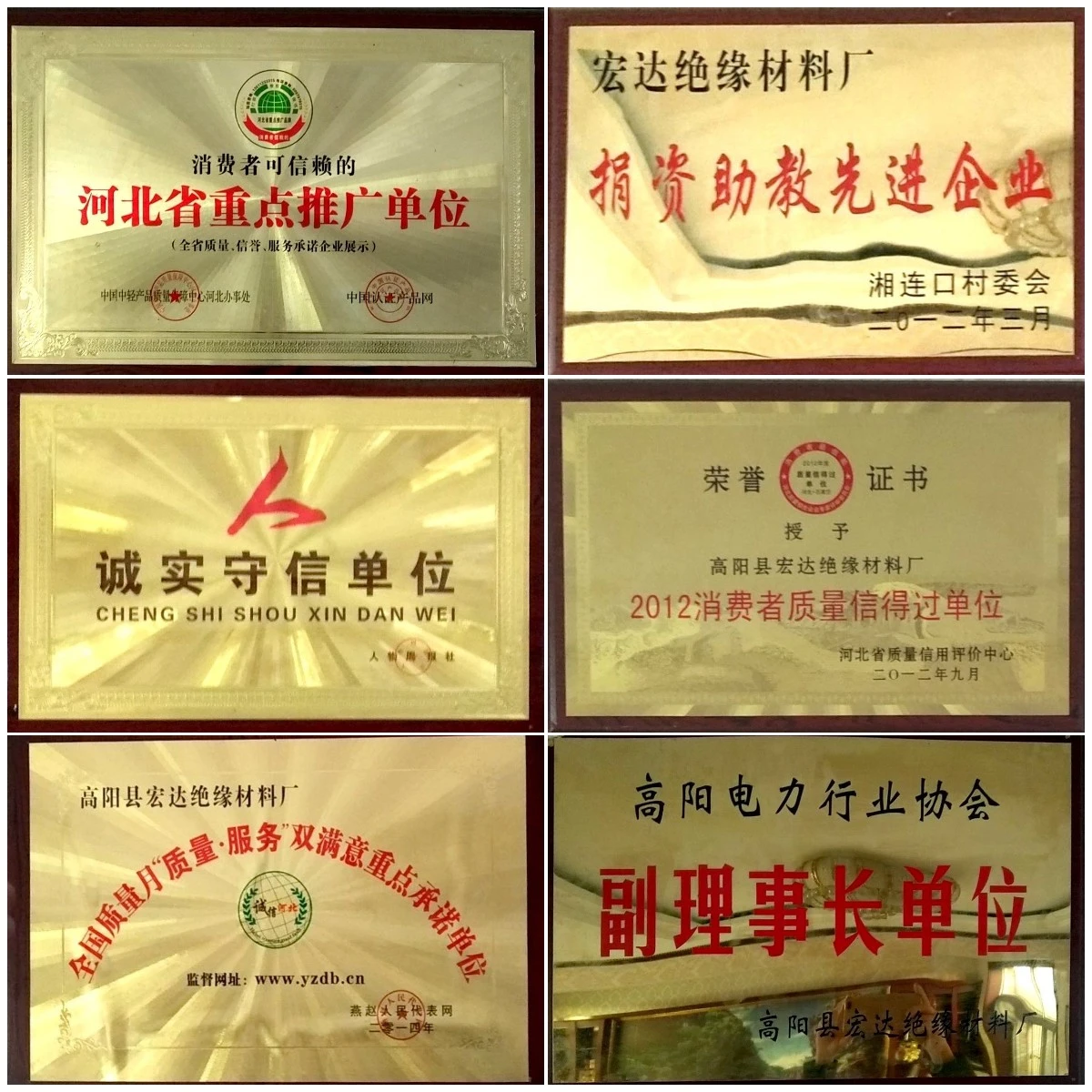
We work with environmental responsibility. We are committed to reducing our manufacturing effect with ISO14001 accreditation. Being RoHS compliant means your finished products are compliant with the worldwide regulations on hazardous compounds, and your electronics are eligible for global markets.
FAQ
Q: What thickness should I specify for my PCB application?
A: Single-layer boards typically use 1.6mm thickness for mechanical stability. Multi-layer constructions might require thinner sheets (0.4-0.8mm) between layers, with thicker outer layers for rigidity.
Q: How does moisture affect laminate performance?
A: Our laminates absorb less than 0.1% water in 24 hours. For high-voltage applications, you should store sheets in controlled humidity and consider pre-baking before processing to eliminate any absorbed moisture.
Q: Can these laminates withstand lead-free soldering temperatures?
A: Yes, the material maintains integrity through lead-free reflow profiles reaching 260°C peak temperature. The glass transition temperature exceeds standard soldering requirements.
Q: What copper weights are available?
A: Standard offerings include 1oz (35μm) and 2oz (70μm) copper. Heavier copper weights can be arranged for power applications requiring higher current capacity.
Q: Do you provide custom sizing?
A: While 1040mm×1240mm is our standard size, we can discuss custom dimensions for orders meeting our 500kg minimum. Contact our technical team to evaluate your specific requirements.
Partner With an Established Manufacturer
Choosing the right Copper Clad Laminate Sheet supplier impacts your production efficiency and product reliability. Contact us at info@jhd-material.com to discuss your specific application requirements.
Send Inquiry