3021 Phenolic Paper Sheet Delivers Stable Insulation for Low Voltage Systems
2026-09-28 17:26:34
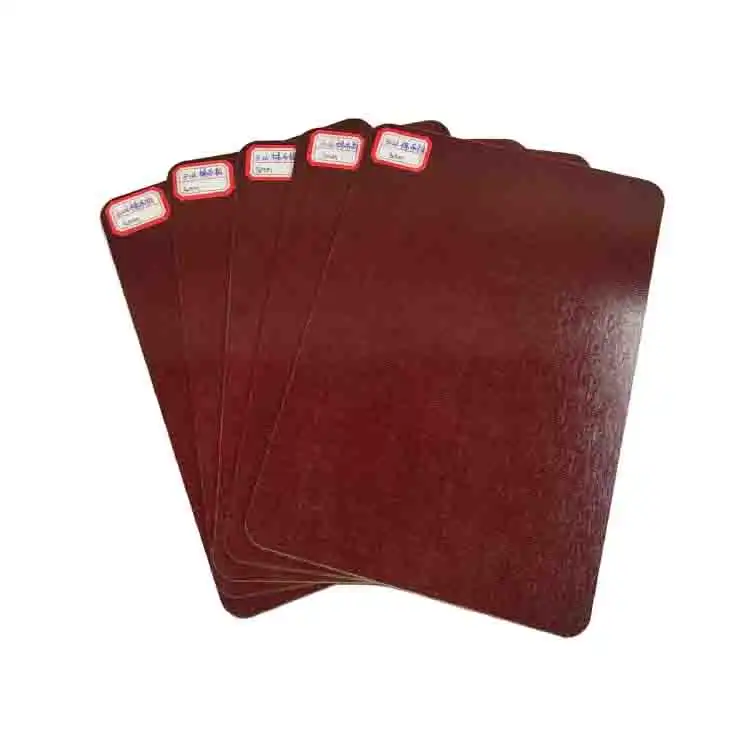
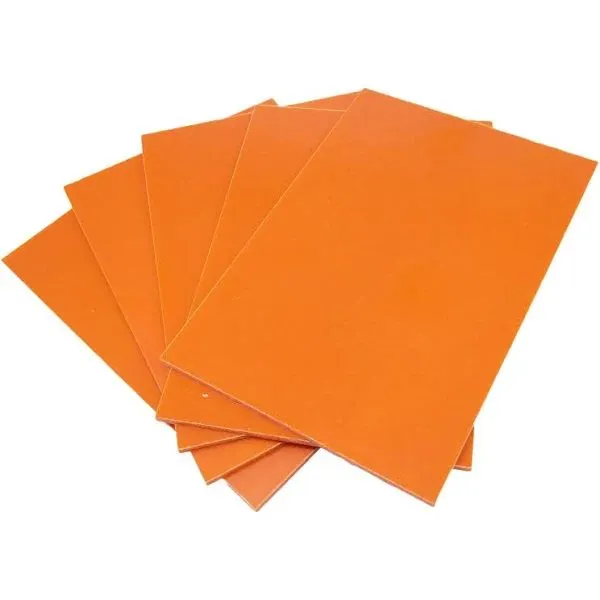
When engineers and procurement teams search for dependable insulation materials for low-voltage applications, the 3021 phenolic paper sheet consistently comes up as a practical choice. Made from kraft paper impregnated with phenolic resin and processed through high-pressure hot pressing, this laminated sheet belongs to the thermosetting plastic category. It meets Class E (120°C) thermal rating requirements and aligns with IEC 60893-3-4 (type PFCP201) and NEMA Type X/XX standards. For electrical assemblies, switchgear, and transformer components, this material offers a balance of mechanical strength, dielectric performance, and cost efficiency that few alternatives match at the same price point.
Understanding 3021 Phenolic Paper Sheet: Properties and Manufacturing Process
What It's Made Of?
Insulating kraft paper is mixed with phenolic resin and then cured under controlled heat and pressure to make the sheet. The layers of paper are glued together in this way to make a dense, rigid laminate. The end result is a substance with a density of 1.30 to 1.45 g/cm³ and a structure that doesn't change shape when subjected to moderate heat and mechanical force. This material is naturally resistant to transformer oil and typical industrial fluids because it is made of phenolic resin.
Key Physical and Electrical Properties
The minimum flexural strength perpendicular to the laminations is 115 MPa, and some production runs have it higher than 135 MPa. At least 12 kJ/m² of impact force can be applied to a Notched Charpy that is parallel to the laminations. Dielectric strength tests in oil (perpendicular, step-by-step method) give results of 10–12 kV/mm or more. Insulation resistance stays above 10⁷ © when everything is normal. These numbers show a material that works well in protected electrical settings where leakage current needs to be kept to a minimum.
Manufacturing Quality Standards
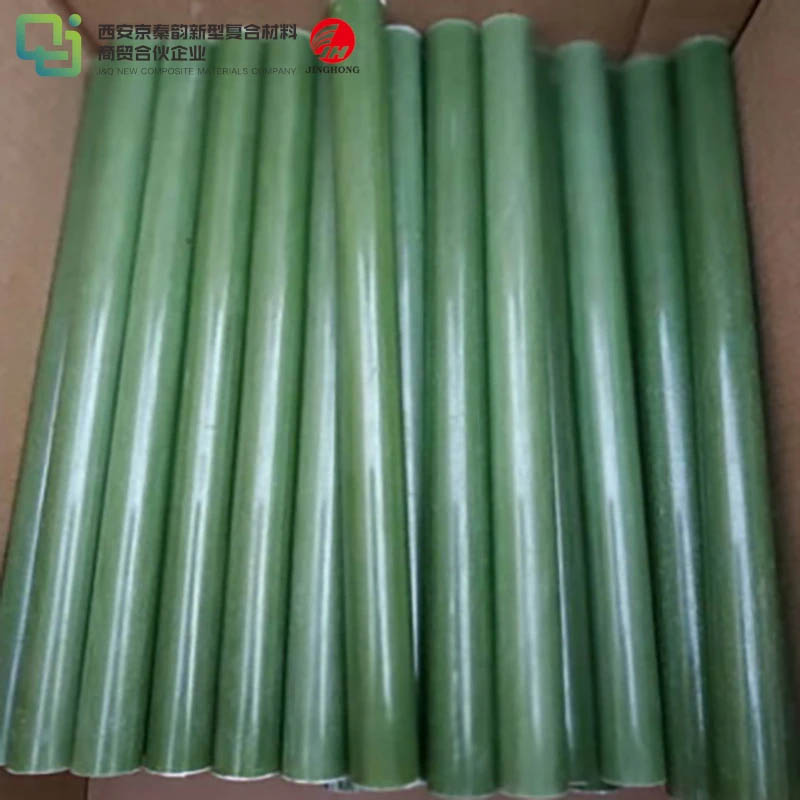
GB/T 1303.1 and similar IEC and NEMA rules are used for production. Tough checks are done during the process to make sure that the resin is evenly infused and that the pressing temperature and size tolerances are met. There are two standard sizes: 1030 × 2070 mm and 1220 × 2200 mm. Both have a limit of ±15 mm. It can be anywhere from 3 mm to 100 mm thick. You can choose from green, brown, and black. These quality checks make sure that each batch is the same, which is very important when engineering teams need exact limits for mechanical or electrical parts.
Technical Specifications and Application Areas
Standard Dimensions and Thickness Range
The thickness ranges from 3 mm to 100 mm, so design experts can pick the shape that works best for their needs. Standard sheet sizes are 1030 × 2070 mm or 1220 × 2200 mm, but cuts can be made to fit the needs of a particular job. The 3021 Phenolic Paper sheet's density of 1.30–1.40 g/cm³ makes it light for how well it works mechanically. This helps keep the total weight of electrical panels and motor housings down.
Where It's Used in Industry
This laminated phenolic sheet is commonly used in a number of fields. In the main areas where it works well, these are the applications:
- Electrical insulation components in switchgear assemblies, panel boards, and terminal blocks, where its dielectric strength prevents current leakage between conductive parts.
- Transformer insulation, including insulating washers, bushings, and coil separators used in oil-immersed transformer environments, where resistance to transformer oil is critical.
- Motor and mechanical supports such as spacers, backing boards, and structural insulation parts in electromotor housings, where the material's flexural strength handles load without cracking.
All of these uses need electrical protection that can stay stable under constant load without breaking down too much. The 3021 Phenolic Paper Sheet meets that need at a price that doesn't break the bank for production budgets.
Real-World Performance Evidence
A company that makes switchgear and gets insulation board for low voltage panel assemblies said that the dielectric test results were the same across various production batches, and there was no noticeable warping beyond the 3° limit. This level of batch stability is what procurement teams need to make sure that a material is ready for continuous production.
3021 Phenolic Paper Sheet Compared to Other Materials
Against Fiberglass (FR4) and Epoxy Laminates
For PCB bases and high-frequency uses, FR4 and G10 epoxy glass sheets are the best choice because they are stronger and don't absorb water as well. But they are a lot more expensive than phenolic laminates made from paper. Phenolic paper laminate works well for low-power devices that don't have to deal with a lot of mechanical stress. It also costs less. When engineers use FR4 for easy insulation bracket jobs, they are over-specifying and wasting money.
Against 3025 Cotton Phenolic Sheet
Instead of paper, the 3025 grade is reinforced with cotton cloth, which gives it a much higher impact strength and better performance in damp places. If the part will be exposed to repeated mechanical shock or the weather, 3025 is the better choice. It does cost more per sheet, though, and it machines a little differently. The 3021 Phenolic Paper Sheet grade's electrical insulation qualities are more important than its impact toughness in indoor, oil-immersed, or sealed electrical settings. This makes it the better and more cost-effective choice.
Against Melamine and Ceramic Alternatives
Melamine boards look nice and have a hard surface, but they aren't resistant to oil and don't have the structural rigidity needed in places like transformers and switchgear. Ceramic insulators are very good at withstanding high temperatures, but they are fragile, hard to work with, and pricey. The 3021 Phenolic Paper Sheet can be easily machined with standard CNC tools. It doesn't crack when drilled or routed, and it holds its shape well. These are all benefits that ceramic can't provide in a factory setting.
Procurement Considerations for 3021 Phenolic Paper Sheet
MOQ, Lead Times, and Logistics
Most approved makers will take orders as low as one pallet, though buying in bulk will naturally lower the cost per unit. Lead times for stocked sizes are usually between 7 and 15 business days, but this depends on how many items are ordered and where they are going. For custom thicknesses or sheet sizes that aren't normal, the preparation time may be one to two weeks longer. We can offer direct shipping management because we have our own logistics company. This cuts down on the number of people who handle packages and keeps delivery dates predictable.
Pricing Structure and Bulk Benefits
Prices are mostly based on the width of the sheets and the weight of the whole order. The cost per sheet goes up as the thickness goes up because it takes longer to press and more raw materials to make thicker sheets. When you order in full pallet or container amounts, the cost per unit goes down, and it's easier to plan your supplies. When purchasing managers combine several types of insulation into a single buying relationship, they often save even more money by combining freight costs.
Identifying Certified Suppliers
Check that the 3021 Phenolic Paper Sheet provider can give you material test results that show flexural strength, dielectric strength, and density numbers that are in line with IEC 60893-3-4 or GB/T 1303.1. Check to see if their products have the right certifications, like UL recognition or RoHS compliance paperwork. A seller with more than 20 years of experience making things and a long history of doing business with other countries is a more trusted source for purchasing than newer sources that haven't been checked out.
Why Choose 3021 Phenolic Paper Sheet for Your Low Voltage Insulation Needs?
Verified Performance Under Electrical Stress
In the lab, tests show that this 3021 Phenolic Paper Sheet phenolic laminate has an insulation resistance above 10⁷ © under normal conditions and an oil dielectric strength between 10 and 12 kV/mm. Because of these numbers, it is a reliable choice for Class E electrical systems that must keep the insulation's integrity over time.
Here are the main benefits that make it stand out for buying things:
- Low moisture absorption keeps electrical properties stable even in moderately humid storage or operating conditions.
- High compressive and flexural strength allows it to function as a structural insulation component, not just a passive barrier.
- Easy CNC machinability reduces fabrication time and tool wear compared to harder laminate alternatives.
- Resistance to transformer oil and acid-based chemical solvents extends service life in sealed electrical enclosures.
Because of these benefits, switchgear panels, transformer assemblies, and motor housings need less maintenance and cost less to replace.
Cost-Effectiveness Without Sacrificing Quality
Phenolic paper laminates are one of the least expensive types of thermoset laminates. Choosing the right grade, not the most expensive one, makes a big difference in how much money procurement teams save when they manage material budgets for large production volumes. The 3021 grade meets the needs for low-voltage shielding without costing more than fiberglass or high-grade concrete boards.
Emerging Improvements in Phenolic Insulation
In the past few years, manufacturers have improved the impregnation process to make the resin distribution more even. This lowers the number of internal voids and raises the dielectric consistency. Better rules for pressing have also lessened warpage in bigger sheets, which has been a problem with this type of material in the past. Because of these process changes, the phenolic paper laminates made today are more uniform than those made in the past.
Conclusion
The 3021 Phenolic Paper Sheet is a useful and tried-and-true way to insulate low-voltage electrical devices. It is a good material for electrical manufacturing, making transformers, making industrial machinery, and putting together motors because it is chemically resistant, mechanically rigid, and easy to cut with a CNC machine. This phenolic laminate grade always meets the need for Class E insulation in a protected or oil-immersed setting, without adding extra costs that aren't necessary. The fact that the material meets IEC and NEMA standards gives procurement teams and engineers looking at insulation board providers the documentation trust they need to move forward with confidence.
FAQ
Is the 3021 phenolic paper sheet waterproof?
It has low moisture absorption but is not classified as fully waterproof. It performs well in oil-immersed transformer environments and sealed electrical enclosures. For applications with direct water exposure or outdoor use, a cotton phenolic or epoxy glass laminate would be a more appropriate selection.
What thickness options are available?
Standard thickness ranges from 3 mm to 100 mm. Sheet dimensions of 1030 × 2070 mm and 1220 × 2200 mm are regularly stocked. Custom thicknesses and cut-to-size options are available for specific engineering requirements with advance production lead time.
How does it resist chemical exposure?
The phenolic resin matrix provides solid resistance to transformer oil, acid solvents, and common industrial cleaning agents. This chemical stability is one of the main reasons it remains a standard choice for coil insulation and insulating washers in oil-type transformers.
Can it be machined with standard CNC equipment?
Yes. It machines cleanly with standard routing, drilling, and cutting tools. Its machinability is considered one of its practical advantages over ceramic insulators or harder laminate grades, reducing production time and tooling costs.
Does it meet international insulation standards?
It aligns with IEC 60893-3-4 type PFCP201, NEMA Type X/XX, and GB/T 1303.1. These certifications confirm its suitability for Class E (120°C) electrical insulation systems used in industrial and commercial applications.
Get a Quote from J&Q — Trusted 3021 Phenolic Paper Sheet Manufacturer
J&Q has been making insulating sheets for more than 20 years and trading with other countries for more than 10 years. We also have our own logistics operation to handle the whole supply chain. Our team is ready to help you with your technical and purchasing needs, whether you need normal stock sizes or 3021 Phenolic Paper Sheets that are cut to your exact specifications. You can email us at info@jhd-material.com or go to jhd-material.com to get product datasheets, samples, or a bulk quote.
References
1. IEC 60893-3-4: Specification for Industrial Rigid Laminated Sheets Based on Thermosetting Resins — Specifications for Phenolic Resin Paper Laminates — International Electrotechnical Commission, 2003.
2. NEMA LI 1: Industrial Laminating Thermosetting Products — National Electrical Manufacturers Association, 2020.
3. GB/T 1303.1: Laminated Thermosetting Materials — Specification Methods — Standardization Administration of China, 2008.
4. Electrical Insulation: Fundamentals and Applications — IEEE Press, 2017.
5. Handbook of Thermoset Plastics (3rd ed.) — William Andrew Publishing, 2014.
6. Insulating Materials: Old and New Developments — CIGRE Technical Brochure, 2019.