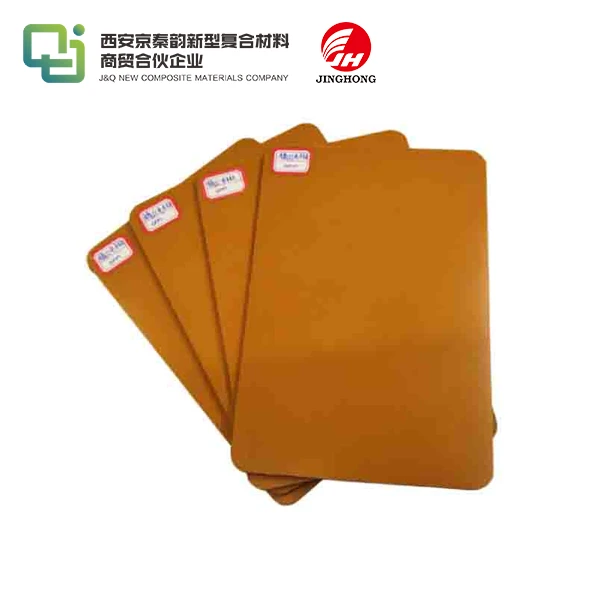
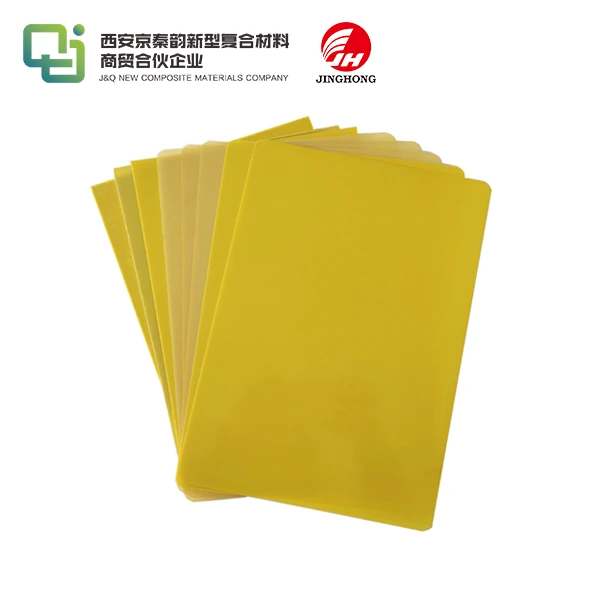
Where Is 94V0 FR4 Fiberglass Sheet Used in Industrial Equipment?
2026-09-28 17:26:47
If you work in electronics manufacturing, power distribution, or industrial machinery, you've likely come across the term FR4 fiberglass sheet. But what makes the 94V0 FR4 fiberglass sheet stand out from other insulation materials? In short, it combines flame retardancy, electrical insulation, and mechanical strength in one certified laminate — properties that most industrial applications simply cannot compromise on. This guide walks through where this material is used, how it compares to alternatives, and what to look for when sourcing it.
Understanding 94V0 FR4 Fiberglass Sheet: Definition and Key Properties
What Exactly Is This Material?
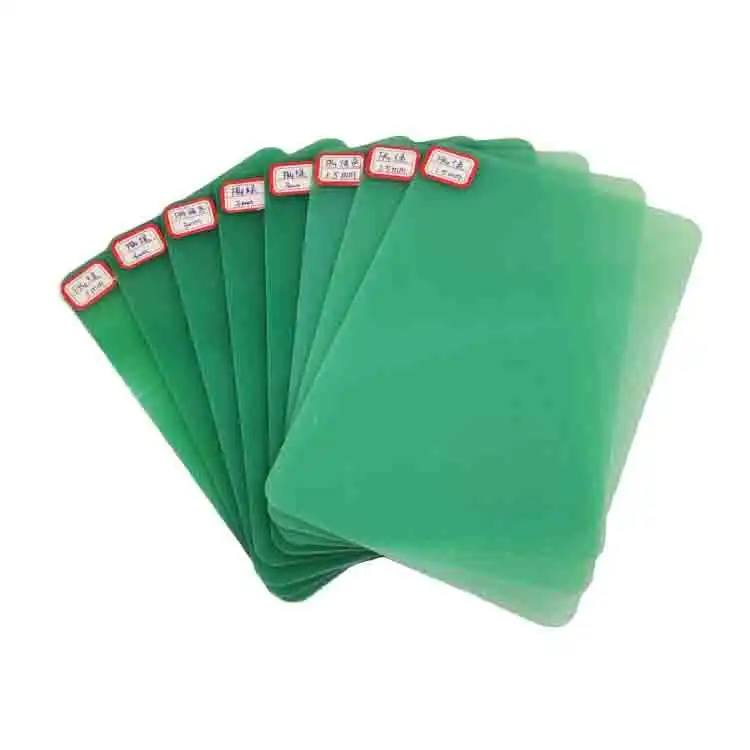
A NEMA-grade industrial laminate called 94V0 FR4 Fiberglass Sheet is made from woven fiberglass cloth that has been mixed with a brominated epoxy resin. It stands for Flame Retardant grade 4 and is given by the National Electrical Manufacturers Association's "FR4" mark. The "94V0" term refers to the UL 94 Vertical Burn standard, which is the best flammability rating in this group. Any item that catches fire must put itself out within 10 seconds without making flaming drips.
Core Mechanical and Electrical Properties
When loaded, the material stays stiff and doesn't bend because it has a density of about 1.85–2.08 g/cm³ and a flexural strength of more than 340 MPa (lengthwise). In terms of electricity, it has a dielectric strength of about 50 kV/mm and a breakdown voltage that is usually higher than 40 kV parallel to the laminations. These numbers meet the quality standards set by IPC-4101 and ASTM D709, which are regularly checked by engineering managers and technical procurement teams during qualification.
Thermal Stability Grades
The glass transition temperature (Tg) for standard FR4 sheets is between 130°C and 140°C, and they are rated Class B for continued use. High-Tg versions can handle temperatures up to 170°C to 180°C in high-demand situations like wave soldering pallets or transformer coil barriers. Picking the right Tg grade during the procurement stage stops delamination and failures in the field before they happen.
Typical Industrial Applications of 94V0 FR4 Fiberglass Sheet
FR4 fiberglass laminate is used in a lot of different types of industries. Here are the three main areas where this material consistently proves useful:
-
PCB Substrates in Electronics Manufacturing: 94V0 FR4 Fiberglass Sheet is the foundational base material for single-sided, double-sided, and multi-layer printed circuit boards. It withstands soldering temperatures and electrically isolates copper layers, making it the default choice for control panels, switchgear assemblies, and motor driver circuits. Compliance with RoHS and REACH standards makes it suitable for export-grade electronics produced for the U.S. market.
- High-Voltage Insulation in Power Equipment: Power distribution companies and transformer manufacturers use FR4 sheets as arc shields, phase barriers, and busbar supports inside electrical cabinets. The 94V0 flame rating is non-negotiable here — an arc fault in a high-voltage enclosure can trigger catastrophic failure if insulation materials propagate fire instead of containing it.
- Precision Fixtures in Manufacturing Operations: Wave solder pallets and Automated Test Equipment (ATE) fixtures rely on FR4's dimensional stability. During repeated thermal cycling in production lines, the material resists warping, maintaining precise alignment of components. Automotive R&D engineers and OEM sourcing managers frequently specify FR4 for battery pack barriers and heat-resistant assembly jigs.
The steady need for certified FR4 laminate in U.S. corporate supply lines can be explained by the fact that these three groups cover a wide range of uses in electronics, energy, and transportation.
Comparing 94V0 FR4 Fiberglass Sheet with Alternative Materials
94V0 FR4 vs. Standard FR4 and G10
G10 is chemically similar to FR4, but it doesn't have any brominated flame retardants that are brominated. The UL 94 V-0 grade is not met. Standard G10 is not good enough for places where fire safety rules must be followed, like UL-listed switchgear or aerospace ground support equipment. That hole is filled by FR4, which doesn't cost too much.
94V0 FR4 vs. CEM-1
CEM-1 is a hybrid epoxy material that has fiberglass layers on top of a paper body. It's less expensive than FR4, but it's not as strong and doesn't resist water as well. CEM-1 is good for simple, single-sided PCBs but not for multi-layer boards or insulation parts that are heavy physically.
94V0 FR4 vs. Polyimide Sheets
Polyimide laminates can withstand temperatures above 200°C for a long time and work well in uses that require bendable circuits. But they cost a lot more and are usually only used for high-tech electronics used in space or the military. For most industrial equipment that works at 180°C, 94V0 FR4 Fiberglass Sheet offers the same level of safety at a lower cost.
Procuring 94V0 FR4 Fiberglass Sheets: Tips for B2B Buyers
Verify Certification Before Committing to a Supplier
Real 94V0-rated sheets must have UL approval paperwork that can be checked. Ask for the UL Yellow Card or similar test records when you are buying something. Sheets that are offered without a certificate that can be tracked may fail compliance checks, putting the group that bought them at risk of being sued. For entering the U.S. market, both RoHS and REACH declarations are important.
Match Thickness Tolerance to Your Application
In precision assemblies, thickness uniformity is important. Thin FR4 sheets should be able to hold limits of ±0.1 mm, and PCB-grade sheets should be able to hold less. High-density boards must not bend or twist more than 0.5% of the time. Include these limits in your buy orders to make sure you don't get material that doesn't meet your needs.
Factor in Lead Time and Customization Needs
Standard sheet sizes of 94V0 FR4 Fiberglass Sheet are available with shorter lead times, but for many industrial uses, custom sizes, drilled holes, or CNC-machined profiles are needed. Because it contains glass fiber, FR4 needs to be machined with tungsten carbide or diamond-coated tools. Before you place an order, make sure that your provider can do custom cutting and meet the deadline for your project.
Maintaining and Using 94V0 FR4 Fiberglass Sheet in Industrial Settings
Proper Handling and Storage
According to ASTM D570, FR4 doesn't take much water—below 0.2%—but even small amounts can change how well a high-frequency insulator works. It is best to keep sheets in dry, climate-controlled places, especially when they are meant for RF or precision analog applications. When handling, don't come into close contact with water that is still.
Machining and Cutting Guidelines
Because glass fiber is rough, machining needs cutting tools covered with tungsten carbide or diamond. High spinning speeds and good dust extraction systems keep the edges of cuts from delaminating and keep the operator's health safe from small glass particles. With the right set of tools, you can do routing, cutting, and punching.
Inspection and Replacement Intervals
Checking regularly for surface delamination, edge chipping, or darkening can help find wear and tear before it breaks down equipment. Sheets that are kept in temperatures above their rated Tg for a long time or chemical liquids that are not in their resistance range should be replaced right away. As part of preventive maintenance programs, setting inspection intervals keeps equipment safe and in line with the rules.
Conclusion
94V0 FR4 Fiberglass Sheet is a useful and tried-and-true choice for industry shielding materials. It meets the real needs of electronics makers, power equipment builders, and machinery OEMs with its UL 94 V-0 flame rating, high dielectric strength, and mechanical stiffness. Compared to other options like G10, CEM-1, or polyimide, it offers the best value for money and performance across the largest range of conditions. Paying attention to certification, thickness tolerance, and the supplier's ability is what makes the difference between reliable field performance and failures that could have been avoided.
FAQ
What is the difference between G10 and 94V0 FR4 fiberglass sheet?
G10 lacks self-extinguishing flame retardants. FR4 is essentially G10 with bromine added to the epoxy resin, achieving the UL 94 V-0 safety rating. For safety-critical electronics and switchgear, FR4 is the required standard.
Can this material handle continuous high temperatures?
Standard FR4 is rated for continuous operation at 130°C (Class B). High-Tg FR4 variants are available for more demanding applications, offering thermal resistance up to 170°C–180°C, suitable for soldering pallets and transformer components.
Does 94V0 FR4 absorb moisture?
Water absorption stays below 0.2% per ASTM D570. For precision high-frequency applications, storage in dry environments is recommended to prevent any impact on dielectric properties.
How should FR4 fiberglass laminate be machined?
Tungsten carbide or diamond-coated tools are required due to the abrasive glass content. High spindle speeds with proper dust extraction prevent delamination and protect operators from fine glass particulate.
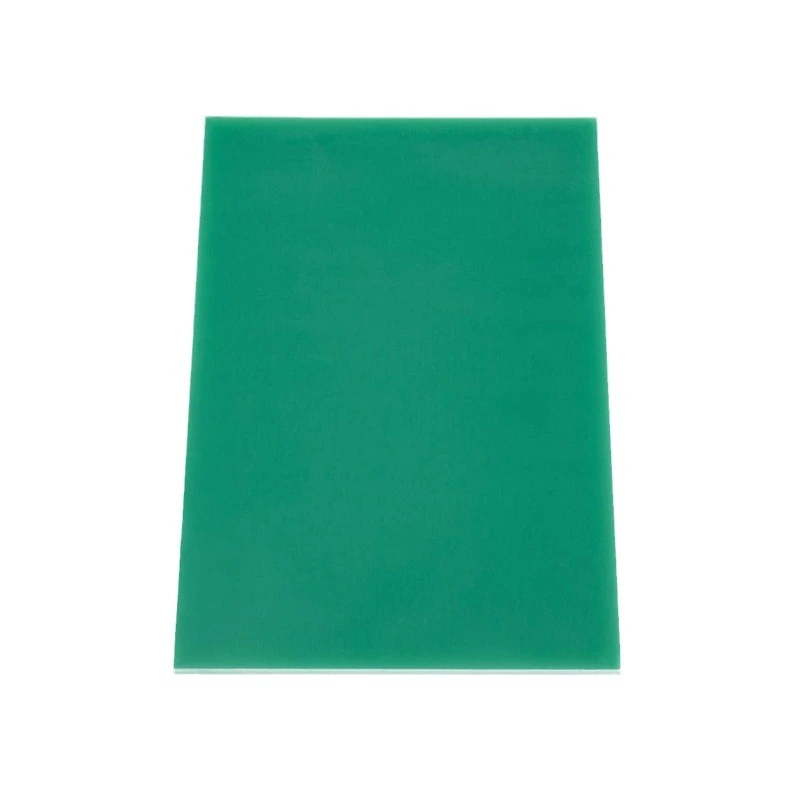
Is the green color mandatory for the 94V0 rating?
No. Color — whether green, black, yellow, or white — does not determine the UL 94 V-0 rating. The rating depends entirely on the flammability performance of the resin chemistry, not the pigment.
Request a Quote from J&Q — Your Trusted 94V0 FR4 Fiberglass Sheet Supplier
J&Q has been making soundproofing sheets for more than 20 years and has been trading with other countries for more than 10 years. We are a direct supplier of 94V0 FR4 Fiberglass Sheet and handle all of our own logistics. We offer certified FR4 laminates that can be machined on a CNC machine and meet UL, RoHS, and REACH standards. To get product specs and samples right away, email our scientific team at info@jhd-material.com or go to jhd-material.com.
References
1. UL Standards & Engagement. UL 94: Standard for Flammability of Plastic Materials for Parts in Devices and Appliances. Underwriters Laboratories, 2023.
2. IPC Association Connecting Electronics Industries. IPC-4101E: Specification for Base Materials for Rigid and Multilayer Printed Boards. IPC, 2021.
3. ASTM International. ASTM D709: Standard Specification for Laminated Thermosetting Materials. ASTM International, 2021.
4. ASTM International. ASTM D149: Standard Test Method for Dielectric Breakdown Voltage and Dielectric Strength of Solid Electrical Insulating Materials. ASTM International, 2020.
5. National Electrical Manufacturers Association. NEMA LI 1: Industrial Laminating Thermosetting Products. NEMA, 2020.
6. Harper, C. A. Handbook of Plastics Technologies. McGraw-Hill, 2006.