3640 Epoxy Tube Supports Transformer and Motor Insulation Applications
2026-09-24 16:46:31
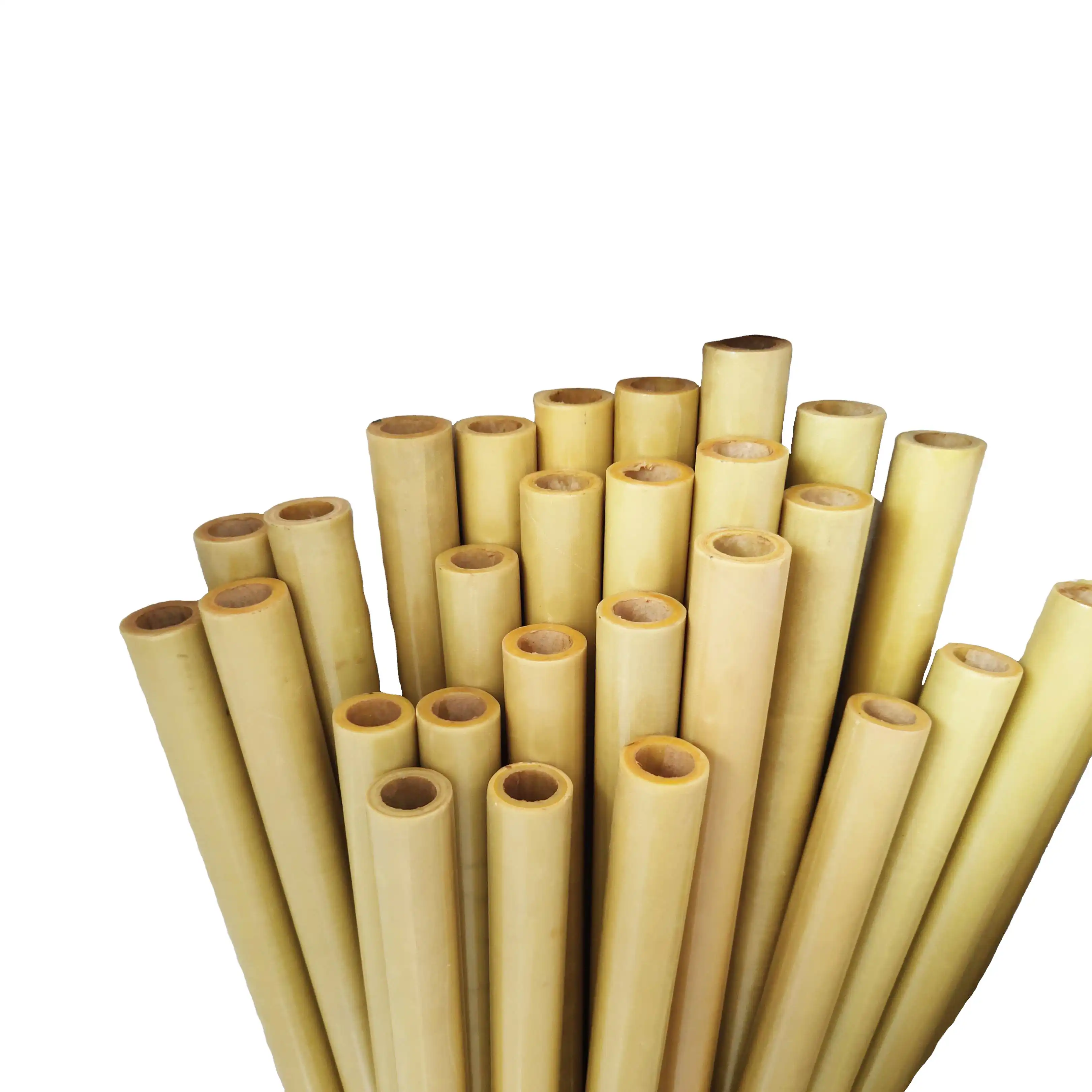
The 3640 Epoxy Tube is a rigid, industrial-grade insulation cylinder manufactured by hot-rolling alkali-free glass fabric cloth impregnated with epoxy-phenolic resin. Classified under GB/T 5132 and IEC EP GC series standards, this material addresses real structural-insulation challenges in high-voltage engineering. It resists dielectric breakdown in humid environments, prevents hoop-stress failure in switchgear, and holds dimensional stability through thermal cycling. For procurement teams in electrical manufacturing, power distribution, and industrial machinery, choosing this epoxy laminate tube directly affects equipment safety, longevity, and compliance.
Understanding 3640 Epoxy Tube: Specifications and Performance
Chemical Composition and Material Structure
The tube is made from alkali-free fiberglass cloth that has been fully soaked with epoxy-phenolic glue. It is then hot-rolled, baked, and put under pressure to dry. This method makes a dense, void-free laminate wall that has the same dielectric properties all the way through. The standard color is yellow, and the insulation level goes up to Class B (130°C). Some grades can also handle Class F (155°C) environments. It has a density of 1.70 to 1.90 g/cm³, which makes it a solid mechanical base for tough jobs.
Key Electrical and Mechanical Properties
When tested in oil, the dielectric strength along the laminations is more than 10 kV per 25 mm. Even after being submerged in water or transformer oil for a long time, the insulation resistance stays above 100 M©. Water absorption stays below 0.05%, which directly stops hydrolytic breakdown in wet substations or transformers that are full of liquid. Its axial compressive strength and interlaminar shear strength make it possible to CNC-machine the tube into threaded spacers, support collars, and coil forms without the edges breaking or delaminating.
Performance Advantages for Industrial Use
To set this epoxy laminate apart from other insulation materials, here are the main performance benefits that make it better:
- Thermal stability: Continuous service from 130°C to 155°C without softening or dimensional shift, directly reducing failure risk in motor windings and transformer coils.
- Chemical resistance: Compatible with transformer oil, mild acids, and common industrial solvents, extending service life in liquid-filled and outdoor power equipment.
- Machinability: Clean cutting, drilling, and threading under CNC operations, meeting tight tolerance requirements for OEM component fabrication.
Because of these qualities, epoxy fiberglass laminate tubes are a good choice for production settings with a lot of cycles where material consistency is important for each batch.
Comparing 3640 Epoxy Tube with Alternative Insulation Tubes
Silicone and Polyurethane Tubes
When temperatures are very high, above 200°C, silicone tubes work well, but they are less rigid and cost more overall. Polyurethane tubes are flexible, but they don't have the compression strength or insulating performance that transformer coils need. Silicone and polyurethane are not good choices for structural insulation jobs that need to be rigid and prevent voltage, making 3640 Epoxy Tube the better fit.
353N Epoxy and Acrylic Alternatives
Most of the time, 353N epoxy compounds are not used as structural tubes but as potting or enclosing resins. Acrylic insulation tubes don't have great dielectric qualities, but they do take on more water over time, which makes switchgear cabinets less reliable in the long run. The 3640 grade is better for making high-voltage parts because it doesn't absorb water as much and has higher interlaminar strength.
Total Cost of Ownership Comparison
When purchasing managers compare the initial prices of materials, they often forget to take into account how often they need to be maintained. Silicone and polyurethane alternatives might need to be replaced more often in places where they are mechanically loaded. The epoxy fiberglass tube lasts longer and breaks down less often, which lowers the total cost of repair and work over the life of a product. This longer life directly lowers the cost of insulation per unit over time for OEM sourcing managers who are in charge of long production runs.
Application Areas and Usage Guidelines for 3640 Epoxy Tube
Transformer and Motor Winding Applications
The epoxy tube is often used as an insulation cylinder for coils in dry-type transformers and as end rings for transformer windings that need protection. Because it can keep the shape of the coil even when it expands with heat, it is often used as a structural insulation form in medium- to high-voltage distribution transformers. It acts as an insulator between the rotor and stator parts of motors, where both shock protection and dielectric stability are needed.
Switchgear, Power Distribution, and Automotive Use
To stop arcs and make space, power distribution panels and switchgear assemblies use these tubes. Tier-1 automotive makers use them to make heat-resistant structural supports for EV and hybrid drivetrains and fittings that insulate battery packs. Manufacturers of appliances use epoxy laminate tubes in motor brackets and thermal separation supports in assembly lines that make a lot of products.
Installation and Curing Guidelines
The right way to put a 3640 Epoxy Tube in place starts with making sure the dimensions match up with the matching part. To get rid of surface dirt, the tube should be cleaned with a dry cloth before it is put together. If you need to bond something, you should use an epoxy-compatible glue and let it set at room temperature for at least 24 hours before turning it on. Handle cut edges carefully at all times because fiberglass laminate dust is irritating. When machining, you should always wear the right respiratory protection.
Procurement Guide: How to Source 3640 Epoxy Tube for Your Business?
Buying Channels and Order Formats
You can get epoxy fiberglass insulation tubes from the producer directly, from wholesalers, or through business-to-business (B2B) sites. When you buy directly from confirmed makers, the batches are more likely to be the same, and you can make changes to meet non-standard needs for wall thickness or inner diameter. When you place a bulk order, the lead time for each unit is usually shorter, and you can ask for samples before committing to full production quantities.
Supplier Selection Criteria
Before making an order, buying teams should make sure of the following about a 3640 Epoxy Tube supplier:
- Certifications: The supplier should hold compliance documentation aligned with GB/T 5132, IEC standards, and UL/RoHS requirements where applicable.
- OEM experience: Suppliers with proven partnerships in power, automotive, or electronics sectors carry more production credibility.
- Logistics capability: Suppliers with in-house logistics reduce shipping risk and improve delivery consistency for time-sensitive production schedules.
If you choose a supplier without checking these things first, it could lead to batch differences, late shipments, or materials that don't meet standards, which can stop production further down the line.
Supply Chain Optimization Tips
Working with a supplier that does both production and logistics in-house cuts down on the work that needs to be done to coordinate everything. J&Q has been making insulation materials for more than 20 years and trading internationally for more than 10 years. Because we have our own transportation business, we can offer a true "one-stop procurement service," from confirming the order to delivering it. Long-term partnerships with trading companies in North America and Europe have been made possible by this structure.
Conclusion
The 3640 Epoxy Tube is still one of the most reliable structural insulation materials for use in motor windings, transformer coils, and switchgear. Its dielectric strength, heat stability, and ability to be machined on a CNC machine make it useful for real-world production needs in the power distribution, industrial machinery, and electrical manufacturing sectors. Getting materials from a trusted company with quality systems that have been approved and combined processes will make sure that the materials work the same way in every production run. Early in the procurement process, teams that put a high priority on material specifications and seller verification can avoid costly changes and output delays later on.
FAQ
What is the standard temperature rating of a 3640 Epoxy Tube?
Class B is the normal temperature rating, which means it can handle continuous service up to 130°C. Some grades are as good as Class F at 155°C. This range includes most of the transformer coil and motor winding settings you'll find in industrial and power distribution settings.
How does this epoxy tube handle chemical exposure?
The substance is very resistant to transformer oil, weak acids, and common solvents used for cleaning in industry. The dielectric stability is kept even in humid or partially flooded settings because water absorption stays below 0.05%. This means it can be used for outdoor switchgear installations and transformer assemblies that are filled with liquid.
Can it be machined to custom dimensions?
Yes. The epoxy fiberglass laminate structure works well with CNC tools. To close limits, it can be cut, punched, threaded, and turned without coming apart. Because it can be machined, OEM production lines can use it to make custom spacers, coil forms, and insulation collars.
What is the minimum order quantity for bulk procurement?
Minimum order amounts depend on the goods and the supplier. J&Q takes both trial requests and sales for a lot of items. Please email us at info@jhd-material.com so that we can give you a quote that fits the size and number needs of your project.
Request a Quote from J&Q — Your Trusted 3640 Epoxy Tube Manufacturer
Electrical manufacturers, power equipment builders, and auto suppliers all over the United States and the world have bought certified epoxy insulation materials, including 3640 Epoxy Tube, from J&Q. Our production team can meet your needs from the sample stage through mass delivery, whether you need standard stock tubes or tubes with specific dimensions. To get a bulk quote for your next insulation job, email our buying team at info@jhd-material.com or go to jhd-material.com.
References
1. IEC 60893-3: Specification for Industrial Rigid Laminated Sheets Based on Thermosetting Resins — International Electrotechnical Commission, 2003.
2. GB/T 5132: Test Methods for Laminated Sheets Used for Electrical Purposes — Standardization Administration of China, 2009.
3. Electrical Insulation: Fundamentals and Applications — Bartnikas, R. & Eichhorn, R.M., IEEE Press, 1983.
4. Transformer Design Principles: With Applications to Core-Form Power Transformers — Del Vecchio, R.M. et al., CRC Press, 2010.
5. Handbook of Plastics Technologies — Harper, C.A., McGraw-Hill, 2006.
6. Industrial Electrical Equipment and Installation — Heathcote, M., Newnes, 1998.