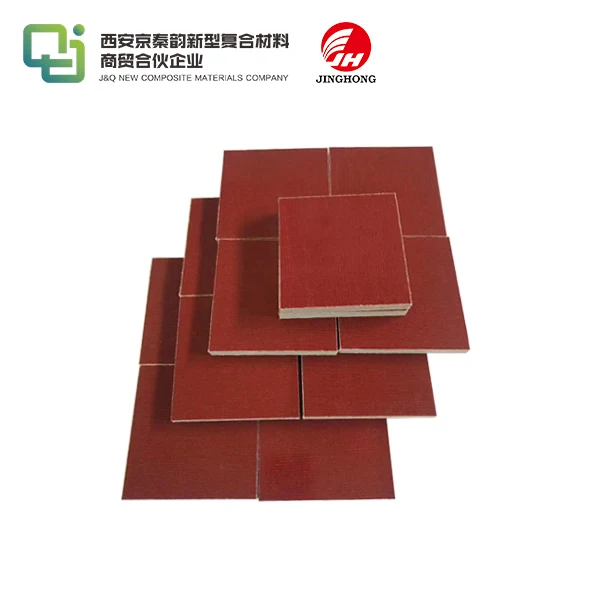
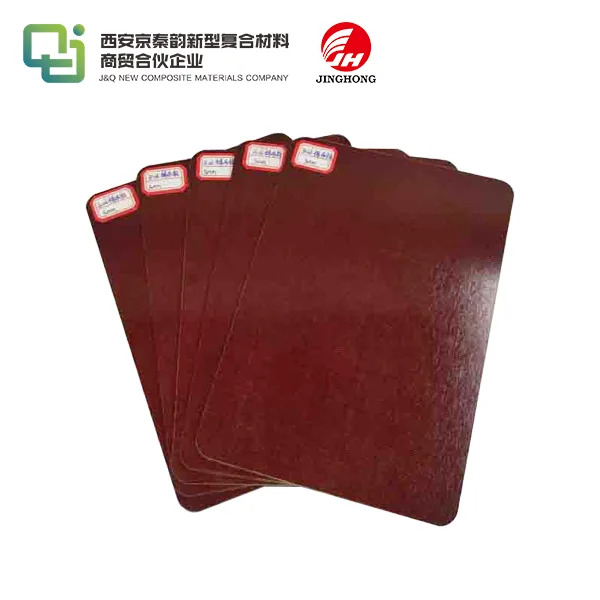
3240 Epoxy Sheet Characteristics of a Versatile Laminated Material
2026-04-15 17:17:08
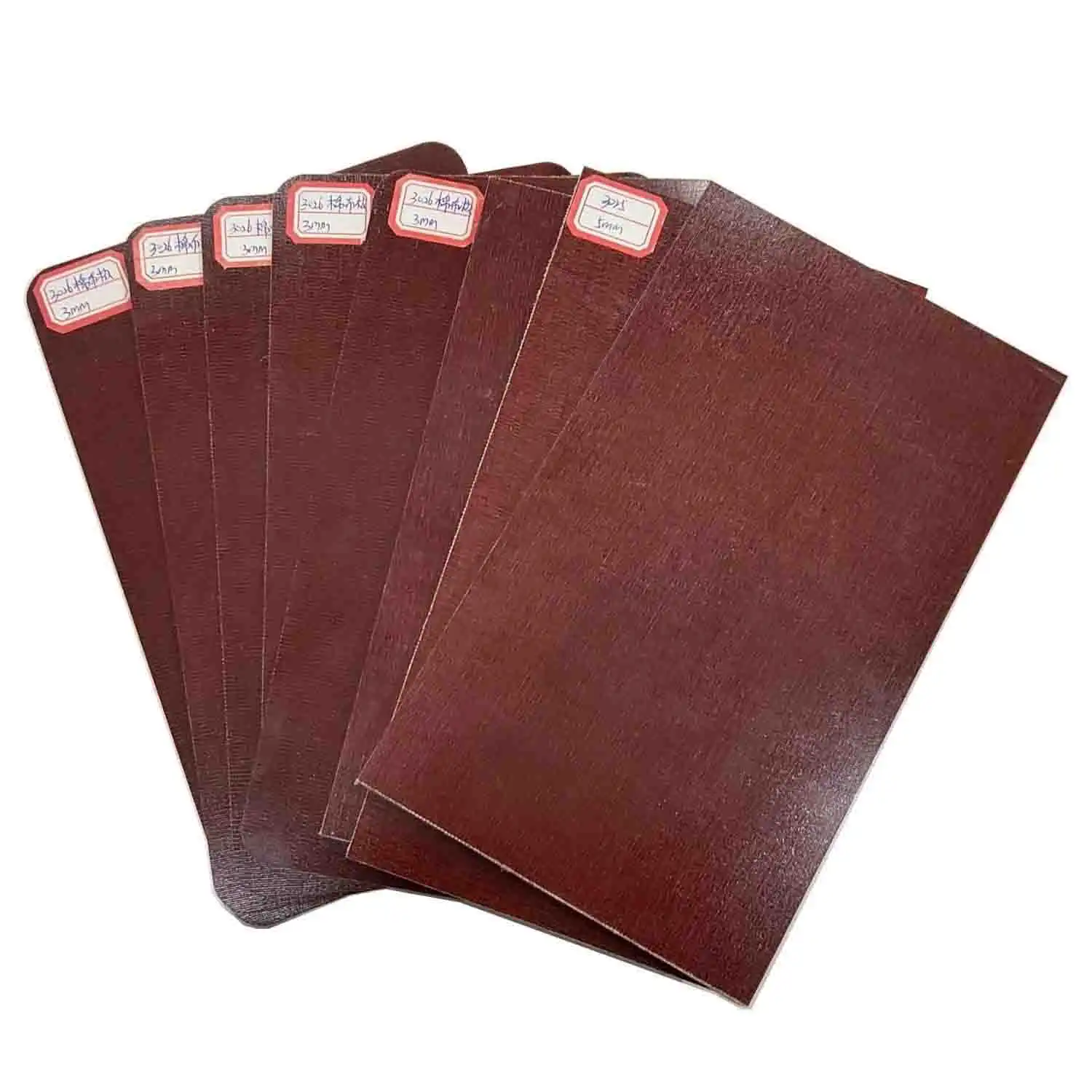
When purchasing and engineering managers look for solid electrical insulation options, the 3240 epoxy sheet always comes up as a top choice in a number of different industries. This stiff laminated material is made of woven glass cloth that doesn't contain any alkali and epoxy phenolic glue. It was handled under controlled heat and pressure to give it great dielectric strength, mechanical integrity, and thermal stability. Knowing what it's made of helps buyers make smart choices that match performance needs with budget concerns while ensuring long-term operating reliability.
Understanding 3240 Epoxy Sheet: Composition and Key Properties
How well epoxy glass laminates work in tough settings depends on how precisely they are made. We've seen that the structure of a material directly affects how well it works in both electrical and mechanical applications.
Base Material and Manufacturing Process
Electrical-grade fiberglass cloth that is soaked with epoxy phenolic resin is the base of this material. During production, several layers are lined up and then put through hot pressing equipment that applies heavy pressure and temperatures that reach 155°C. During this curing stage, molecules cross-link, which turns liquid resin into a rigid thermoset matrix. The process makes sure that the resin is spread evenly throughout the glass cloth, filling any gaps that might affect the way the glass works electrically or mechanically. The thickness ranges from 0.5mm to 150mm, so it can be used for a wide range of purposes, from making thin PCB boards to thick structural gaps.
Electrical Insulation Characteristics
Dielectric strength is a very important factor for companies that make transformers and circuits. The tests show that these laminates can handle voltage stress of more than 16 kV/mm perpendicular to the layers of lamination. Measurements of volume resistance usually show values higher than 1.0 × 10^14 Ω·cm, which stops leakage currents in high-voltage circuits. At 1 MHz, the low dielectric constant (4.5 to 5.5) keeps signal distortion to a minimum in electrical devices. International purchasing teams that need approved insulation materials can be sure that the materials they buy will meet IEC 60893-3-2 standards.
Mechanical and Thermal Performance
Flexural strength tests show that these sheets can withstand bending forces of up to 380 MPa without breaking. This means that they can be used for structure parts that are put under mechanical loads. The material stays the same size even when the temperature changes. Its glass transition temperature is around 130°C, and it can be used continuously up to Class F levels (155°C). Impact resistance stops cracking during CNC cutting, which lowers the amount of waste during manufacturing. After 24 hours of soaking, less than 0.5% of the material is still wet, so its electrical qualities are still good in humid industrial settings.
Chemical Resistance Profile
Exposure tests to common industrial chemicals shows that the structure is very stable. Mineral oils used in transformers don't break down the epoxy matrix, so it can be used for decades in oil-filled situations. Parts in electroplating plants and chemical processing equipment are safe because they don't react with weak acids and bases. In contrast to phenolic options that absorb water and swell, these epoxy composites keep their shape even when they are exposed to cleaners and cleaning agents that are used during the manufacturing process.
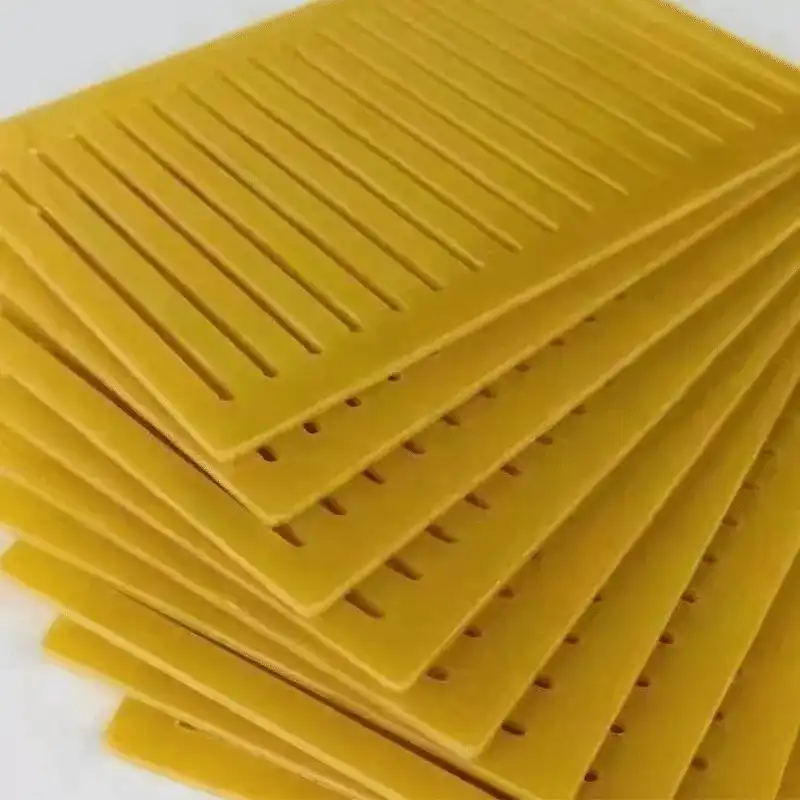
Applications and Advantages of 3240 Epoxy Sheet in Industry
The success in real life shows why purchasing managers in all fields choose these laminates for important parts. Because the material is so flexible, it can be used to solve different problems in electrical systems, industrial parts, and thermal management.
Electrical and Electronics Manufacturing
Insulation walls that are carefully cut from 3240 epoxy sheet stop arcing between coil windings, which is what transformer builders depend on. Because the material is both dielectrically strong and mechanically rigid, it can have thin shapes that make the most of copper fill in small designs. PCB makers use these sheets as backing plates for assembly parts because they can handle being heated up and down many times during soldering. Epoxy laminates are used by motor makers as slot wedges and phase insulators because they don't break down easily when they get vibrations. Arc barriers are built into switchgear units to limit electrical faults and protect people and equipment nearby.
Industrial Machinery Components
These laminates are cut by gear makers into wear-resistant spacers for gearbox systems that have to work under heavy mechanical loads. The self-lubricating qualities of the material make it less frictional than metal options and eliminate the risk of corrosion. Bearing insulation covers made from epoxy sheets stop electric motor shaft currents, which makes bearings last longer. The material's ability to insulate electricity and support structures makes mounting brackets for control screens useful. Precision cutting keeps the errors very small, which is important for automatic assembly processes.
Power Generation and Distribution
Utility companies choose these laminates for busbar support systems because they stay in place even when heated and cooled many times. Epoxy sheets are used by wind turbine makers in generator systems that are exposed to high and low temperatures and humidity. Insulation barriers are built between high-voltage units in battery energy storage systems to keep them safe. These barriers must be flame-resistant. These materials are used in switchgear at hydroelectric sites because they can resist moisture and vibration for many years.
Automotive and Transportation Applications
Designers of battery packs for electric vehicles use these sheets to keep heat from spreading between cell sections, stopping thermal runaway. The standards for testing materials in the car industry say that they must keep their properties when heated and cooled from -40°C to 125°C. These laminates regularly pass these tests. Epoxy parts are used by charging station makers in high-power connections to protect against electrical faults through arc resistance. For traction motor insulation that is constantly vibrating and changing temperatures, these materials are recommended by rail transportation systems.
When buying teams understand these different uses, they can see how a single material platform can be changed to meet different technology needs. For all of these industries, the materials have been used for decades in harsh conditions where failure would have major effects, proving their dependability.
Comparative Analysis: 3240 Epoxy Sheet vs. Other Laminated Materials
To choose the right material, you need to know how the different choices affect efficiency. Objective comparisons that point out clear benefits that meet the needs of a particular application are helpful for engineering teams.
Comparison with FR4 Laminates
Both materials are made with fiberglass support and epoxy glue, but they are made for different uses. UL94 V-0 grades mean that FR4 sheets must be used for consumer gadgets that need to meet strict fire safety standards. They contain brominated flame retardants. But because it doesn't catch fire, the materials cost more, usually 30 to 50 percent more than regular epoxy laminates. The tensile strength of both fabrics stays about the same, but FR4 absorbs a little less water. For uses that don't need halogenated flame retardants, normal epoxy laminates are cheaper and don't affect the electrical or mechanical performance.
Distinction from Phenolic Paper Laminates
Phenolic laminates that are attached to paper surfaces make cheap insulation for low-stress situations, but they don't fight water as well as 3240 epoxy sheet. Phenolic materials can absorb more than 2% of their weight in water, which can change their dimensions and make it hard to put together precisely. The epoxy glass option stays stable in damp places, which is why it was chosen, even though it costs 20–40% more in materials. When bending testing is done, the differences in mechanical strength become clear. Epoxy composites can handle almost twice as much force before they break. Chemical protection also works in favor of epoxy formulas when they are regularly exposed to oils or solvents.
Contrast with Polyester Laminates
When compared to epoxy options, polyester resin systems use less expensive raw materials but don't work as well in hot conditions. Polyester laminates can only handle temperatures up to 130°C for long periods of time, which limits their use in high-temperature equipment. Epoxy resins' curing chemistry makes cross-linking thicker, which gives the material better mechanical qualities and physical stability. If you want to save money right away, you might want to look at polyester choices for uses that will be used at room temperature. On the other hand, epoxy laminates offer a better total cost of ownership for long-term stability under thermal stress.
Performance Against Bakelite Materials
Traditional Bakelite sheets have great electrical qualities, but they are hard to work with because they are so fragile. Modern epoxy glass laminates can be machined without breaking, which cuts down on waste and makes it easier to get the right measurements. Even though Bakelite is cheaper per kilogram, resin alternatives are easier to work with, which cuts down on the cost of labor when making parts. The thermal performance of the materials is about the same, but epoxy versions are better at withstanding impacts, which is useful in situations where there is mechanical shock or shaking.
These comparisons help procurement professionals match the qualities of materials with the most important application needs. They do this by matching technical performance with budgetary limits and making sure that all regulations are followed.
Procurement Guide: How to Source and Buy 3240 Epoxy Sheet
Comparing unit prices is only one part of finding good materials. Procurement teams with a lot of experience look at providers based on a number of factors that affect the value of the partnership over time and the consistency of operations.
Supplier Qualification Criteria
Verified production skills tell the difference between trustworthy partners and traders looking to make quick money. Quality standards, like ISO 9001, show that process controls make sure that stability from batch to batch. For important uses, material test results that list the electrical, mechanical, and thermal qualities of a substance make it easy to track. Assessments of suppliers' production ability show that they can increase volumes when demand goes up without affecting supply times. Logistics prices and wait times are affected by how close two locations are to each other. However, established freight partnerships can make up for the disadvantages of distance.
Pricing Structure and Volume Discounts
Costs of raw materials, the difficulty of making the product, and competition in the market for 3240 epoxy sheet all affect the base price. When you place a bulk order, the minimum weight is usually 500 kilograms. Depending on the difficulty of the specifications, the volume price ranges from 8 to 15%. If you need a thickness that isn't available in normal sizes, you may have to pay extra for tooling for specialty pressing equipment. Long-term supply deals that cover more than one shipping window allow for negotiated prices that make budget planning easier. Payment terms affect the amount of operating capital needed. For established supply relationships, net-30 or net-60 payment terms are typical.
Customization and Technical Support
Precision cutting services turn standard sheets into final parts, which means that less manufacturing needs to be done in-house. CNC machining lets you make precise parts with complicated geometries and tolerances of just ±0.1mm. Other colors besides natural amber make it easier to see what's inside units made of more than one material. Getting technical advice before choosing materials makes sure that the specs match the needs of the application, which saves money on redesigns that have to be done after the materials have been bought. After-sales help answers questions about how the product is working in the field that come up during its lifetime, which strengthens relationships beyond just transactions.
Quality Assurance and Compliance
As the goods come in, checking routines make sure that the measurements are correct, the surface is smooth, and the material has the right properties for the buy. Independent proof from third-party testing labs is needed for important applications that need to show compliance. RoHS certification makes sure that electrical parts going into global markets don't contain any restricted chemicals. Products with these materials can get the safety standards they need to be sold in stores because they are recognized by UL. Traceability tools that connect output lots to batches of raw materials help find the root cause of quality problems.
Logistics and Delivery Considerations
Depending on how much product is available and how much customization is needed, standard wait times are two to four weeks. Urgent project deadlines can be met with expedited production, but there are usually extra costs for speeding up the plan. Packaging methods keep things safe while they're being shipped, and moisture-barrier wrapping keeps things from being exposed to air. For international shipping, you need things like business invoices, packing plans, and material safety data sheets. Expertise in freight handling makes clearing customs easier, which keeps production plans from getting thrown off.
Conclusion
The 3240 epoxy sheet has been tested and shown to work well in applications like electrical insulation, mechanical support, and temperature management. This is because it uses the best mix of fiberglass reinforcement and epoxy resin chemistry. When engineering managers select these laminates, they can be sure that they will meet strict standards for dielectric strength, mechanical durability, and chemical protection. It's helpful for procurement teams to know how the characteristics of the materials, the skills of the suppliers, and transportation issues all work together to affect the success of a project. These laminates are still used in industries that need stability in tough working conditions, whether they're holding transformer assemblies, making accurate gears, or insulating parts for electric vehicles. By choosing materials based on technical needs and the skills of the seller, both short-term project needs and long-term operating continuity can be met.
FAQ
What thickness ranges are available for 3240 epoxy sheets?
Thicknesses range from 0.5 mm to 50 mm in standard production runs, which is enough for most commercial uses. Special orders can be made for thicknesses up to 150 mm, but wait times are longer because of the need for specialized pressing tools. When the material is smaller, the tolerances get tighter. Sheets less than 3mm thick can have tolerances of ±0.05mm. Because of the limits of the production process, thicker laminates usually have tolerances of ±0.5mm.
Can these laminates withstand continuous high-temperature operation?
Class B temperature standards let them work continuously at 130°C, and Class F versions let them work at 155°C. Temperature changes of up to 180°C that last only a short time don't damage things permanently, giving you a safety cushion during temperature changes. When resin is exposed to temperatures above its rated range for a long time, it breaks down faster, which lowers its mechanical and electrical qualities over time. With the right thermal control, a product will last for decades and reliably work within certain working windows.
Are customized dimensions and machining services available?
Cutting precisely to the dimensions given by the customer gets rid of the need for in-house manufacturing steps, which speeds up production and cuts down on waste. With CNC machining, you can make complicated shapes with holes, slots, and curved edges while keeping the tolerances very tight. When you cut with a water jet, you avoid heat-affected zones that could weaken the material near the cut edges. Custom color options help with visual recognition in structures made of more than one material, but natural amber is still the most cost-effective choice for less important tasks.
Partner with J&Q for Your 3240 Epoxy Sheet Requirements
Customers across North America looking for trusted insulation material producers can turn to J&Q, which has been in business for more than 20 years. Our combined production sites keep a wide range of inventory to support both small prototypes and large production runs. This keeps your project schedules on track. As a manufacturer with a lot of experience in 3240 epoxy sheets, we offer expert advice to make sure that the material specs match the needs of the application. This keeps costly specification mistakes from happening. Our relationships with logistics companies give you access to cheap freight rates and reliable delivery schedules, which makes managing your supply chain easier. Each shipment comes with a material test record and a quality license, such as ISO 9001. This gives your quality systems the proof they need. Email our technical team at info@jhd-material.com to talk about your unique needs, get examples of our materials, or get quotes for projects that are coming up. We've formed long-lasting relationships with tech teams that value quick responses to messages, consistent quality, and dependable delivery.
References
ASTM International. "Standard Specification for Glass Fabric-Reinforced Epoxy Resin Laminates." ASTM D709-18, 2018.
IEC Technical Committee. "Insulating Materials - Industrial Rigid Laminated Sheets Based on Thermosetting Resins for Electrical Purposes - Part 3-2: Specifications for Individual Materials." IEC 60893-3-2, 2017.
National Electrical Manufacturers Association. "Industrial Laminated Thermosetting Products." NEMA LI 1-1998 (R2010).
Lubin, George. "Handbook of Composites: Epoxy Resin Systems for Electrical Insulation." Van Nostrand Reinhold Company, 1982.
Lee, Stuart M. "International Encyclopedia of Composites: Epoxy Glass Laminates for Electrical Applications." VCH Publishers, 1991.
Daniels, Matthew J. "Electrical Insulation Materials: Properties, Selection, and Performance in Power Systems." IEEE Press, 2015.