The Role of Epoxy Sheet in PCB and Electronics Production
2026-04-15 17:17:06
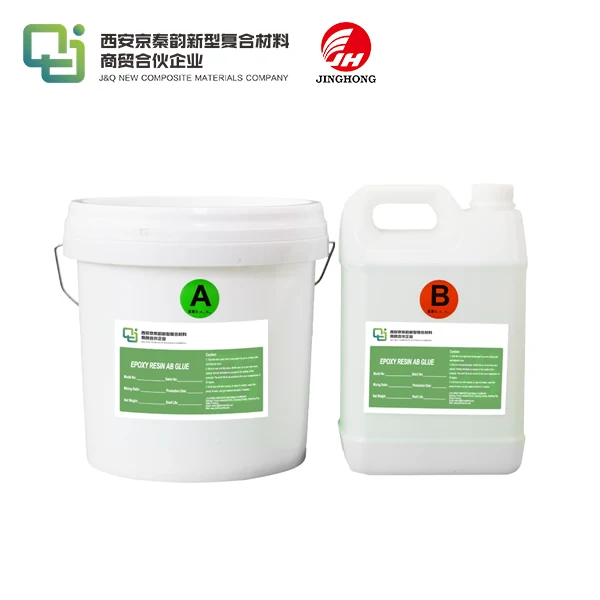
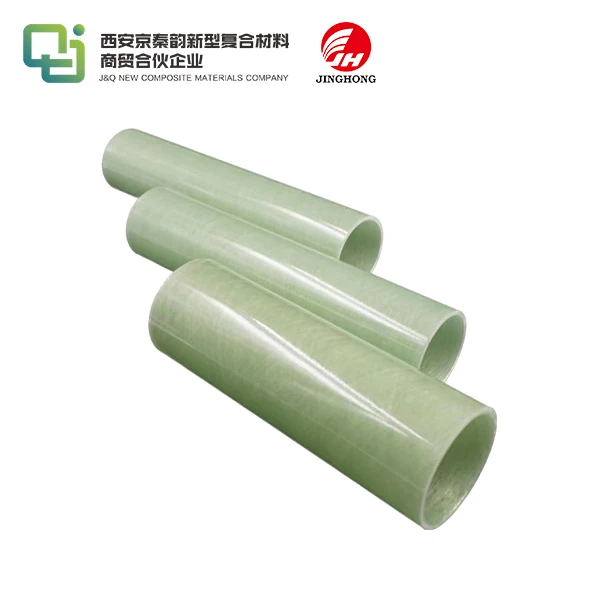
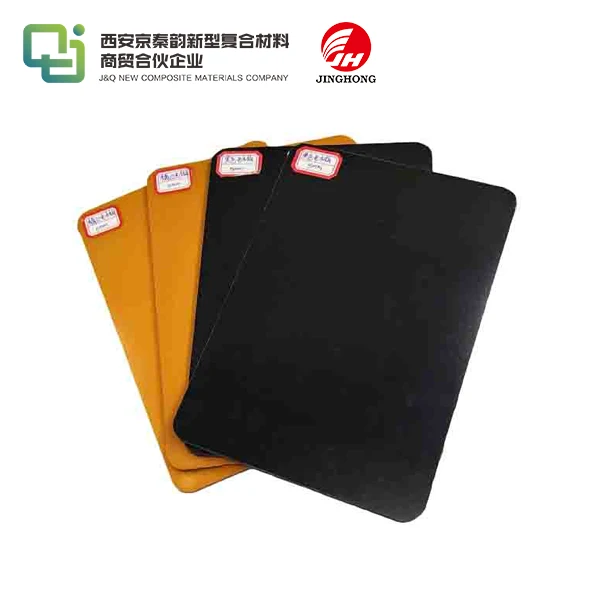
Epoxy sheet materials are the basis for making effective PCBs and electronics. They provide the necessary electrical insulation and structural stability for modern devices. The continuous fiberglass cloth and epoxy resin binders in these high-pressure thermosetting laminates make a composite material that is resistant to temperature stress, moisture penetration, and dielectric breakdown. Working with electronics makers for 20 years has taught me that choosing the right epoxy laminate has a direct effect on how long a product lasts, how efficiently it is made, and how safe it is in harsh industrial settings.
Understanding Epoxy Sheet in Electronics Production
Epoxy-based laminates are essential for electronics that need both mechanical strength and electrical insulation because of how they are made. Under controlled heat and pressure, these materials go through a permanent curing process. This is what makes them different from thermoplastic options, which can soften and harden over and over again.
Material Composition and Manufacturing Process
Epoxy laminates are made up of woven fiberglass cloth that is fully soaked with epoxy resin mixtures. In the production process, many layers of resin-impregnated cloth are stacked on top of each other and pressed together at temperatures over 300°F and pressures of up to 1,000 PSI. This process joins the layers together to make a single sheet that has the same insulating properties all the way through. The curing process makes lasting connections between polymer chains. This gives the material rigidity in all dimensions and at all temperatures. Modern factories use automatic systems to apply glue that make sure that the saturation ratios are the same everywhere. This gets rid of any weak spots that could affect the insulation's performance in the field.
Common Variants: FR4, G10, and CEM Materials
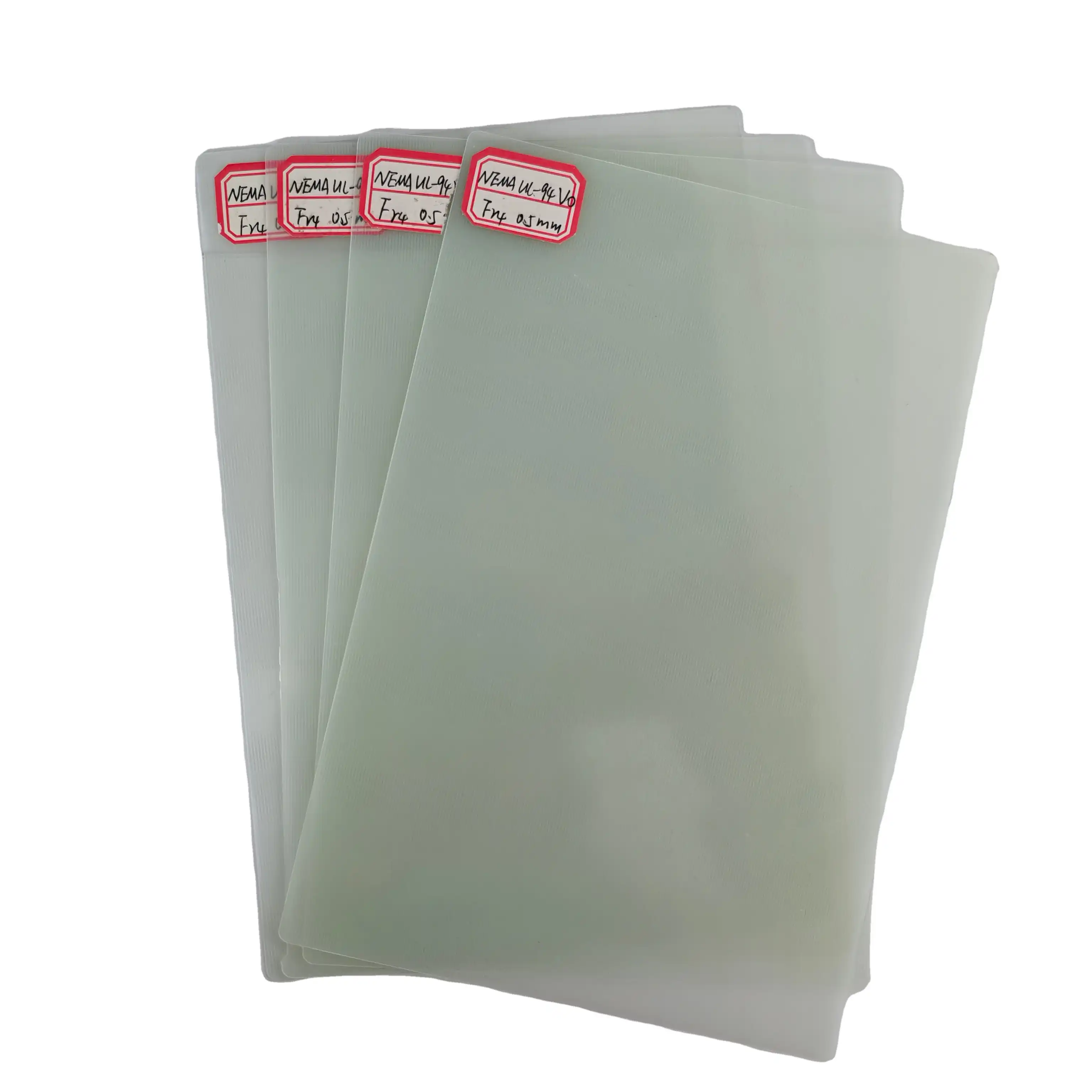
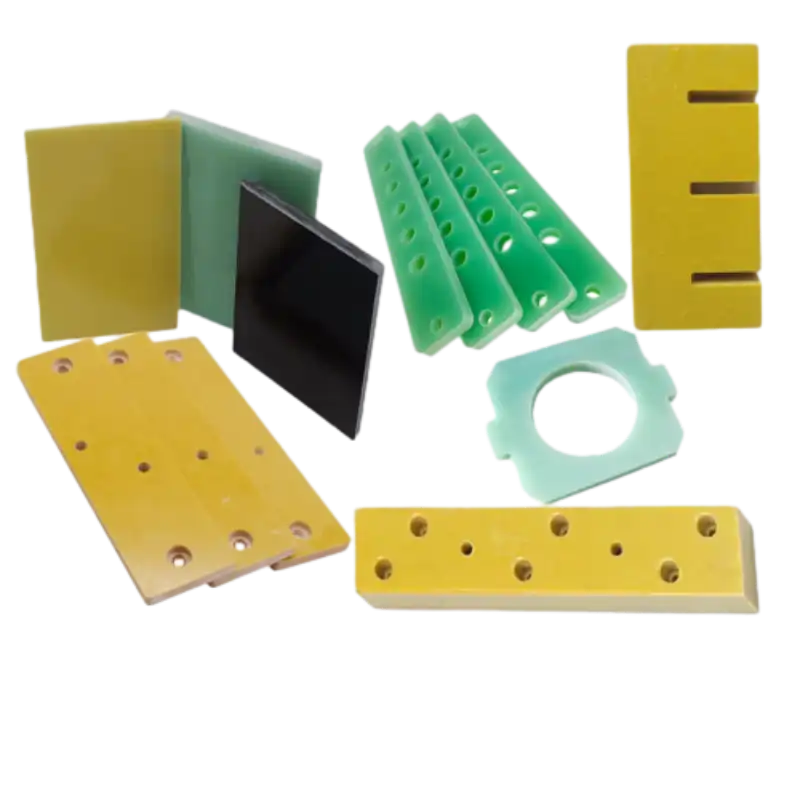
In the electronics production industry, different types of epoxy are used for different tasks. The most common type is FR4, which has flame-retardant additives that meet the UL94 V-0 standards for flammability that are needed for household electronics and commercial equipment. This grade stays structurally sound at temperatures up to 280°F and has a dielectric strength of more than 20 kV/mm. G10 laminates don't have flame retardants, so they have slightly better mechanical qualities and are more resistant to moisture. This makes them better for aerospace uses where weight savings mean that special fire safety steps are needed. The CEM-1 and CEM-3 materials combine woven glass surfaces with cellulose paper cores to make low-cost options for single-sided circuit boards in home products and consumer gadgets where high resistance to harsh environments isn't necessary.
Quality Standards and Compliance Requirements
Electronics companies need to make sure that laminate materials meet international standards like NEMA LI-1 requirements, IPC-4101 approval standards, and regional safety certifications. More and more, we've seen procurement teams asking for RoHS compliance paperwork to make sure that products don't contain any restricted chemicals, such as lead or brominated flame retardants. Suppliers of laminates that are ISO 9001 certified make sure that quality is controlled throughout the whole production process. Materials that are UL recognized have been tested for flammability by a third party. These certificates keep companies from being sued and make sure that the finished goods meet safety standards in the countries they are meant for.
Key Performance Dimensions of Epoxy Sheets for PCBs
To choose the right laminate materials, you need to know how different performance traits affect the reliability of a circuit board when it is put through practical stresses. When engineering teams choose materials for certain uses, they look at a number of technical factors.
Electrical Insulation and Dielectric Properties
Epoxy sheet laminates' insulation resistance stops current from leaking between neighboring wires. This keeps signals intact in circuit layouts with a lot of components. Good FR4 materials have a volume resistance greater than 10^14 ohm-cm, which effectively separates traces with small gaps. At frequencies below 1 MHz, the dielectric constant is usually between 4.2 and 4.8. This makes the impedance features reliable, which is important for controlled impedance transmission lines. Signal loss is kept to a minimum in high-frequency uses with low dissipation factors. This is especially important for telecommunications equipment and RF circuits that works above 100 MHz. When materials use the right resin mixtures that don't absorb water, these electrical qualities stay the same even when the humidity changes.
Mechanical Strength and Dimensional Stability
During their service life, circuit boards are put under mechanical stress when components are inserted and when they are put together automatically. They are also subjected to heat cycles. Epoxy laminates have a bending strength of more than 50,000 PSI, which means they can hold heavy components without the board bowing out, which could damage solder joints. The low rate of thermal expansion of the material makes it very similar to copper foil. This keeps the layers from coming apart when the temperature changes from -40°F to 250°F. This dimensional stability is very important for layered boards, where misalignment between layers can lead to registration mistakes that make it hard to drill holes in the right place. Manufacturers like how epoxy-based materials are easy to machine with carbide tools, making smooth hole walls that can accept plated-through connections without putting stress in one place.
Thermal Resistance and Glass Transition Temperature
The glass transition temperature (Tg) is the temperature at which fiberglass materials change from being stiff to being flexible, losing their ability to hold their shape and be strong. Standard types of FR4 have Tg values around 270°F, which is good for standard tin-lead soldering methods. For lead-free assembly, reflow temperatures need to be higher, around 500°F. This means that high-Tg laminates rated at 340°F or higher are needed to keep the board from warping during soldering. Beyond Tg scores, the decomposition temperature shows the point at which the material starts to break down, which for high grades is usually around 600°F. For long-term dependability, we suggest keeping working temperatures at least 50°F below Tg values. This is especially important for power electronics and car uses that have to deal with high temperatures all the time.
Chemical Resistance for Harsh Environments
Oils, solvents, cleaning agents, and outdoor toxins can get into industrial equipment and car electronics. Most industrial chemicals, like mineral oils, aliphatic hydrocarbons, and weak acids that are common in factories, won't damage epoxy laminates. This chemical inertness keeps circuit boards safe while they are being cleaned with isopropyl alcohol or special flux removers. The materials can also be in long-term touch with car fluids like brake fluid, transmission oil, and coolant mixes without getting swollen or losing their mechanical qualities. Specialized epoxy mixtures for harsh chemical settings have extra cross-linking agents that make them more resistant to strong alkaline and volatile solvents.
Comparing Epoxy Sheets with Alternative Materials for Electronics
Electronics companies sometimes look at other foundation materials if they need to for a certain purpose or because of cost concerns. Knowing the pros and cons of each type of material helps buying teams make choices that are in line with product performance goals.
Performance Comparison with Polyimide and PTFE
Polyimide laminates can withstand temperatures up to 480°F without breaking, which makes them ideal for technology used in spacecraft and deep-sea drills. Polyimide materials, on the other hand, are three to five times more expensive than regular FR4 and need special tools to work with. With dielectric constants below 2.5, PTFE-based surfaces work very well at high frequencies and are perfect for microwave uses above 1 GHz. Because these materials don't stay the same size over time and need to be mechanically strengthened, they can only be used in certain RF circuits. Epoxy laminates offer great performance at a fair price for most industrial electronics that work below 350°F and 100 MHz.
Cost Considerations and Bulk Procurement Strategies
Epoxy sheet material prices have a big effect on the economics of production, especially when it comes to making a lot of consumer gadgets. For general-use purposes, standard FR4 sheets have the best price-to-performance ratio. When you buy full production runs of sheets with standard sizes, you save money on each unit and keep your supplies simple. Long-term supply deals with laminate makers keep prices stable and make sure that supplies are always available, even when there are problems in the supply chain. When you commit to a certain amount of a product, you can often get better prices and make sure that the features of the material stay the same from batch to batch. We've helped buying teams make blanket purchase orders that balance the costs of keeping inventory with the benefits of volume discounts.
Evaluating Total Cost of Ownership
A machine's total purchase costs include things like how well it is machined, how much it produces, and any guarantee claims that come up because of problems in the field. Standard carbide tools work well with epoxy laminates, so they don't wear out as quickly or cost as much to replace as rough ceramic-filled options. Superior physical stability lowers the amount of scrap boards that don't meet tolerance requirements during automatic assembly. FR4 materials have been shown to be reliable in tough situations. This lowers the risk of guarantee claims and field service costs, which often go over the money saved on cheaper materials in the first place. This all-around view of cost helps engineers choose materials that maximize long-term profits instead of just reducing purchase price.
How to Choose the Best Epoxy Sheet Supplier for Electronics Industry Needs?
Choosing the right supplier has a big effect on the standard of production, delivery, and technical help throughout the whole creation process of a product. When forming effective relationships, procurement teams with a lot of experience look at more than just price.
Certifications and Quality Management Systems
Reputable laminate suppliers keep their ISO 9001 certification, which shows that they have strict quality controls in place throughout the whole production process. This approval makes sure that the properties of the materials are the same from one production batch to the next, which is important for keeping assembly rates high and products reliable. UL certification means that products have been tested for flammability by a third party, and IPC membership shows that suppliers keep up with changes in industry standards. Ask for proof of conformance papers with every package to make sure that the qualities of the materials meet the requirements. Suppliers should give full test results that include grades for flammability, dielectric strength, tensile strength, and moisture absorption. These written quality controls keep companies from being sued and make sure they follow the rules in the places they want to reach.
Customization Capabilities and Technical Support
Electronics projects often need sheet sizes that aren't standard, copper covering shapes that aren't standard, or resin formulas that have to be changed. If a supplier has an in-house research team, they can suggest the best material specs based on the working temperature, frequency range, and environmental exposure of the application. Technical help goes beyond choosing the right material at the start and includes fixing problems with the assembly and finding the best cutting settings. The best producers keep samples on hand so that quick prototypes can be made before committing to large amounts of production. Working with big electronics companies has taught me that quick technical help can solve problems with materials that would have caused product launches to be months behind schedule if not fixed.
Lead Times and Logistics Coordination
Production plans depend on timely deliveries of materials that match the needs of the production line. Check with the seller about the wait times for both regular inventory items and custom orders that need extra work. Usually, domestic providers deliver within two weeks, but it could take up to eight weeks for imported goods to get to you. Keeping a backup stock protects against sudden increases in demand, but having too much inventory can tie up operating capital. Suppliers with vendor-managed inventory programs keep track of how much you use and send out restocking packages automatically. This keeps your inventory levels at the best level and makes sure you always have the materials you need. When suppliers can combine orders with other industrial materials, lowering freight costs and making getting easier, integrated logistics planning is very useful.
Conclusion
epoxy sheet materials are still the most effective way to make PCBs because they provide the electrical protection, mechanical strength, and thermal stability that current electronics need. By learning about the different types of materials, how they work, and how to evaluate suppliers, procurement teams can find the best options for each application. The right way to handle and treat materials will get the most out of them while keeping production costs as low as possible. Strategic relationships with suppliers offer technical help, reliable delivery, and consistent quality, all of which have a direct effect on how efficiently products are made and how reliable they are.
FAQ
What temperature range can epoxy sheets withstand in PCB applications?
Normal FR4 epoxy laminates work well at temperatures up to 280°F, and the glass transition point is around 270°F. This range is extended to 340°F by high-Tg versions, which are good for lead-free soldering methods that hit 500°F during reflow. The material stays the same size and has dielectric qualities even when the temperature changes from -40°F to these higher limits. Based on steady working temperatures and thermal shock exposure, the right grade is chosen based on the needs of the application.
Can epoxy sheet thickness and size be customized for specific projects?
Epoxy laminates come in thicknesses from 0.008 inches to 2.0 inches, and manufacturers can also make unique widths for specific uses. Standard sheet sizes are 36x48 inches and 41x49 inches, but providers can cut pieces to different sizes to fit specific plan needs. Different current-carrying needs can be met by custom copper coating with different weights and shapes. Lead times for unique designs are usually two to four weeks longer than normal delivery times.
What certifications should I verify when selecting an epoxy sheet supplier?
Priority certifications include registration for an ISO 9001 quality management system, recognition for flammability performance by UL, and proof of RoHS compliance. The IPC-4101 qualification shows that the materials meet the standards for base laminates in the business. Ask for certificates of agreement with every package. These should include test results for important factors like dielectric strength, bending strength, and moisture absorption. These approvals make sure that the materials are consistent and that they follow the rules.
Partner with J&Q for Premium Epoxy Sheet Solutions
When we work with a client, J&Q brings more than 20 years of experience making great products and 10 years of experience trading with other countries. Electronics companies, industrial machinery builders, and power equipment makers all over North America trust our wide selection of FR4, G10, and specialized epoxy sheet materials to meet their specific needs. We have strict quality controls that make sure the dielectric properties stay the same, the measurements are correct, and we meet UL and RoHS standards. Our expert team gives you advice based on the application, which helps you choose the best products for your needs. In addition to making great products, our integrated logistics section coordinates all of your services in one place, making it easier to buy things and making sure they arrive on time to match your production plans. Our team is ready to help you succeed, whether you need basic inventory items or items that are made to your exact specs. Get in touch with info@jhd-material.com right away to talk about your epoxy sheet source needs, ask for samples, or get full technical specs. Find out how working with an experienced company can make your products more reliable and make your supply chain run more smoothly.
References
Coombs, Clyde F. "Printed Circuits Handbook, Seventh Edition." McGraw-Hill Education, 2016.
Harper, Charles A. "Electronic Materials and Processes Handbook, Fourth Edition." McGraw-Hill Professional, 2018.
Gilleo, Ken. "AREA Array Packaging Handbook: Manufacturing and Assembly." McGraw-Hill Professional, 2002.
Prasad, Ray P. "Surface Mount Technology: Principles and Practice, Second Edition." Springer Science Business Media, 2013.
Jawitz, Michael W. "Materials for Rigid and Flexible Printed Wiring Boards." CRC Press, 2006.
Klein Wassink, R.J. "Soldering in Electronics: Second Edition." Electrochemical Publications Ltd, 1989.