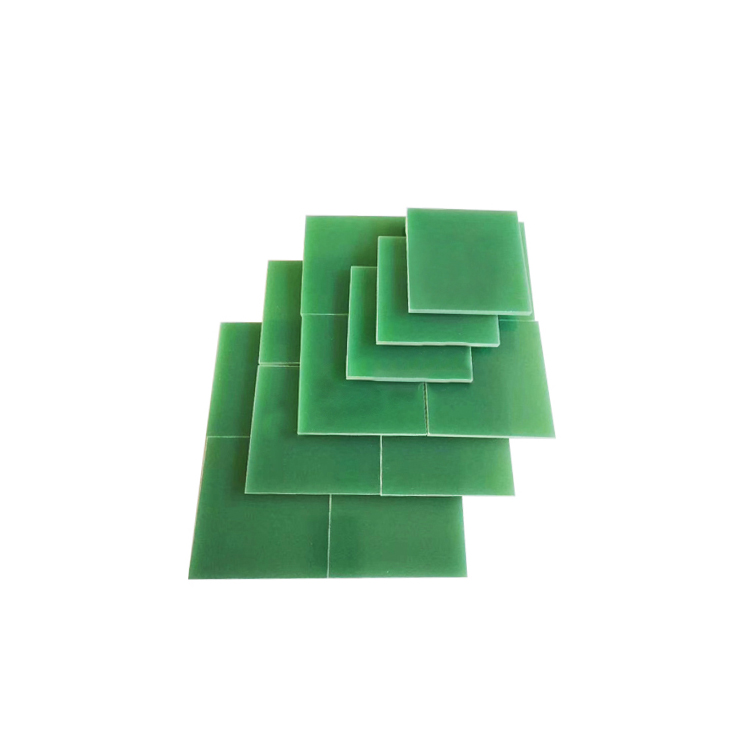
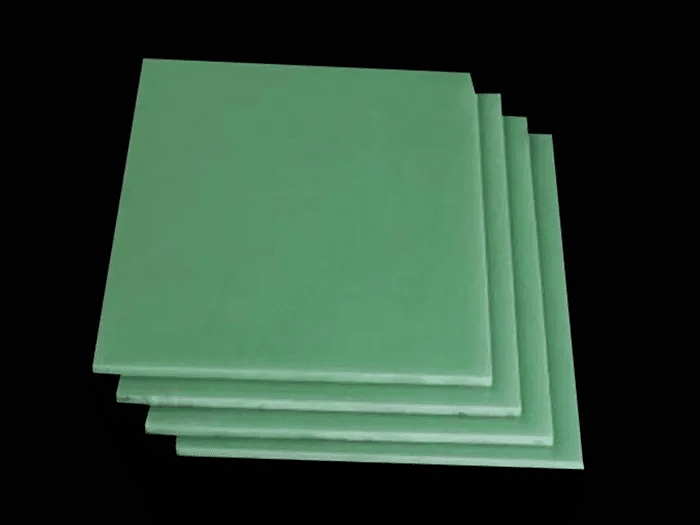
How Bakelite Sheets Can Be Used for Various Purposes?
2026-04-14 17:19:55
Bakelite sheet, a thermosetting phenolic laminate, is used as a insulation material in many fields that need to keep heat and electricity from getting through. This hundred-year-old combination still works well in places where modern plastics often fail, like in battery barriers in electric cars and circuit breakers in power plants. Its unique mix of low cost, ability to be machined with a CNC, and consistent dimensions even at high temperatures makes it essential for engineering tasks that need accuracy and longevity in tough working conditions.
Understanding Bakelite Sheets: Composition, Properties, and Manufacturing
The Chemical Foundation of Phenolic Laminates
Leo Baekeland made the first fully manufactured plastic from phenol and formaldehyde resins in 1907. This was the start of Bakelite sheet. In contrast to thermoplastics, which soften when heated, this thermoset crosses-links in a way that can't be undone during hardening. This makes the molecules stiff and resistant to both chemical and thermal damage. The SRBP grade or SRBF grade cellulose paper is layered and then mixed with liquid phenolic glue. The layers are then heated and pressed in hydraulic presses under controlled conditions. This polymerization process joins the layers together to make a single mixture that has properties that neither part has by itself.
Core Material Properties That Drive Industrial Adoption
When we talk to buying teams about engineering benefits, we stress three main points. The electrical performance is the most important thing. These sheets are perfect for transformer spacers and switchgear insulation because they have a volume resistivity greater than 10^10 ohm-cm and an arc resistance that stops surface tracking. Thermal properties include being able to handle temperatures up to 149°C continuously and up to 180°C at its hottest point. Flame-resistant types that meet UL94 V-0 standards are also available. The material's mechanical longevity is shown by its compressive strength of about 170 MPa and its low moisture absorption of less than 1.5%, which keeps its shape in wet industrial settings. These features stay the same over the material's useful life, unlike plastics that break down in UV light or heat.
Manufacturing Standards and Quality Assurance
Modern factories follow ISO 9001 guidelines and use automatic resin impregnation systems that make sure the resin goes through all of the base layers evenly. After being laminated, sheets are post-cured in precise ovens to finish the cross-linking reaction and keep the stresses inside stable. As part of quality control, ASTM D149 dielectric breakdown tests are done, ASTM D790 bending strength checks are done, and ±0.1mm accuracy is maintained for thickness tolerance inspections for standard grades. Formulations that are ROHS-compliant get rid of dangerous chemicals, meeting the environmental standards for sending goods to regulated markets. We've teamed up with makers who keep batch traceability systems that record resin lot numbers and curing conditions. This is important information for engineering teams that need to make sure that materials are the same across production runs that last years.
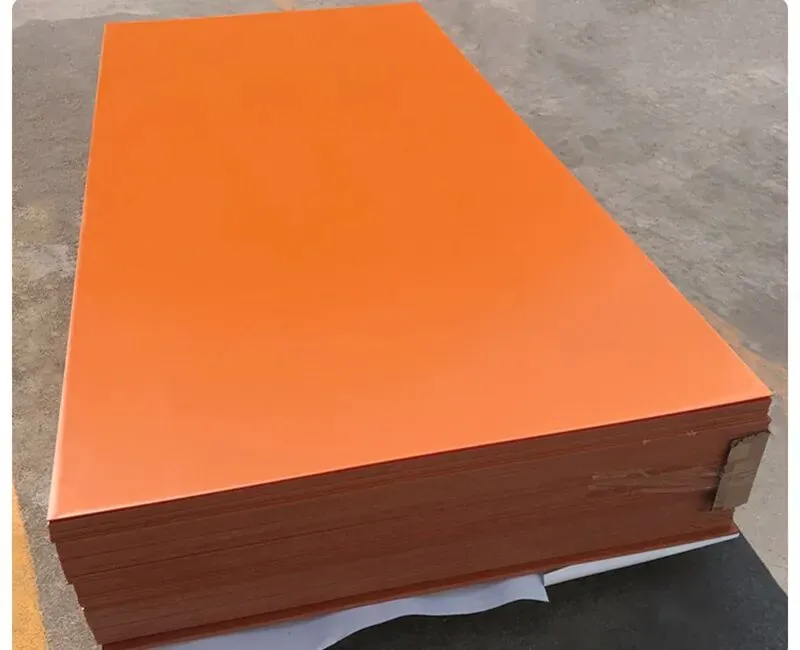
Diverse Applications of Bakelite Sheets Across Industries
Electrical and Electronics Manufacturing Solutions
Manufacturers of electrical parts use Bakelite sheet phenolic laminates in situations where shielding failure could have disastrous results. The physical stability of Bakelite sheet is used by PCB support structures to keep the exact spacing between conductors in high-frequency circuits. The parts that make up switchgear systems have arc shields that stop flashover voltages and carbon deposits from tracking. Manufacturers of motor parts use these sheets to make commutator plates and terminal boards because they are good at keeping electricity from flowing and staying hard even when the machine is vibrating. Because the material can be cut with a CNC machine, it is possible to make plug bodies, lamp cases, and coil bobbins with very tight tolerances. When designing parts that need threaded inserts or precise mounting holes that won't bend when assembly pressure is applied, engineering managers choose phenolic grades.
Industrial Machinery and Mechanical Engineering
Aside from using Bakelite for electrical protection, machinery makers also use its mechanical qualities for building structures. Different types of phenolic cotton cloth have compressive strength that makes them good for use as load-bearing spacers in hydraulic systems and wear-resistant guide plates in conveyor units. Because these laminates don't have a high friction coefficient, they can be used as gears in low-speed mechanical drives. Also, they are easier to machine than ceramics or metals, which makes it easier to make prototypes. OEM sourcing managers like uniform thickness tolerances that get rid of the need for extra grinding. Sheets come ready to be waterjet cut or CNC routed according to CAD specs. We've provided phenolic parts for textile machinery, printing presses, and packaging machinery where metal options would make the machines less heavy or less able to conduct electricity.
Power Distribution and Transformer Manufacturing
The power industry needs shielding materials that have been tested and proven to work well in high-voltage settings for a long time. When transformers are made, Bakelite shields are put between the coil windings. These create air holes that help cool the transformer and stop the arc from spreading when there is a fault. These sheets are used as supports for busbars and bases for fuses in distribution equipment because they don't catch fire and meet strict safety standards. Electrical engineers choose grades whose performance records can be tracked. For example, some phenolic formulations have been used in power substations for more than forty years without breaking down. The low thermal expansion coefficient of the material keeps mechanical stress from building up at the contact with metal parts during thermal cycling. This means that less upkeep is needed than with other insulators that crack or delaminate over time.
Automotive and Transportation Component Integration
Automotive manufacturers have to meet strict standards for the materials that are used in both battery-electric vehicles and cars with internal combustion engines. In order to meet vehicle safety standards, Bakelite sheet insulation pads isolate battery cell modules from the frame ground. Heat-resistant types can handle the high temperatures inside the engine, and they're used as mounting plates for computer control units and ignition parts. Tier-1 supply chain managers like that the quality of each batch of the material is steady. Consistent mechanical features make validation testing easier and cut down on production line rejects. Custom thickness choices meet particular voltage standoff needs without changing the tools, which speeds up the development of new models. People who work in the car industry like phenolic laminates because they don't break down easily in coolant, brake fluid, and gasoline products.
Home Appliance Manufacturing Economics
Brands of appliances have small profit margins, so the choice of Bakelite sheet has a direct effect on their ability to make money. For less money than epoxy or silicone, Bakelite can be used to insulate motor clamps and junction blocks from electricity. Because it can be punched, it is good for mass production. Stamping companies can make thousands of insulation frames an hour with little die wear. Manufacturers of kitchen appliances use these sheets to keep hot elements thermally separated from plastic housings. This keeps the housings from warping and meets flame-spread rules. The idea of "just-in-time" manufacturing is supported by short wait times and little waste during production. Product development teams that are trying to cut costs often compare glass-filled nylons to phenolic grades again and find that Bakelite has better long-term structural stability, even though it costs a little more for the raw materials.
How to Source and Procure High-Quality Bakelite Sheets?
Evaluating Manufacturer Credentials and Capabilities
Checking the quality management systems of potential suppliers is the first step. For example, ISO 9001 certification shows that process controls have been recorded, and ISO 14001 certification shows that environmental management practices have been put in place. We suggest that you ask for certification scope papers to make sure that the certificate only covers laminate manufacturing and not all kinds of trade. When it comes to procurement continuity, manufacturing capacity is important. For example, sites with multiple press lines lower the risk of supply interruptions during equipment repair. Geographic factors include how close you are to sources of raw materials (like companies that make phenolic resin) and how easy it is to ship your products to your production sites. Suppliers who keep inventory systems keep common grades in regional stores so that high-turnover parts can be restocked quickly. Better partners are different when it comes to technical support. Being able to talk to materials experts who can suggest the best grades for new uses or fix processing problems adds a lot of value above and beyond basic prices.
Supply Chain Risk Management
Transparent pricing systems show how much materials cost in relation to phenol and formaldehyde feedstocks. This lets planning be more stable even when commodity prices change. Metrics for delivery dependability should include information on how often deliveries are made on time and the average wait time for both stock and custom orders. It's important to have a wide range of products when designing new parts. Suppliers who offer complementary materials like FR4, vulcanized fiber, and polyester laminates give you more options when technical needs change. After-sales service includes help with testing materials, advice on manufacturing, and quick technical fixing when production problems happen. Stakeholders in procurement reduce risk by working with at least two qualified sources for important materials and keeping an accepted list of Bakelite sheet vendors with proof of their qualifications.
Sample Evaluation and Custom Order Processes
To make sure that the right Bakelite sheet material is chosen, sample requests should include accurate grade names, thickness requirements, and information about the purpose that the material will be used for. Suppliers you can trust give you certified test results that list the electrical, mechanical, and thermal qualities of each batch. A physical review checks for stability in the surface finish, good edges after shearing, and the lack of delamination or gaps. Functional testing in your application confirms that the material can be machined, that its dimensions will stay the same after being exposed to heat, and that it will work electrically at real working voltages. For custom orders, you need clear paperwork, like CAD models with tolerances, annual volume estimates, and instructions on when the goods need to be delivered. For custom layers or specialty resin formulas, production times are usually between 4 and 6 weeks, which includes tests to make sure the materials are safe to use. For custom grades, we recommend keeping safety stock buffers because wait times for reorders are longer than for standard goods.
Identifying Genuine Bakelite Sheets and Ensuring Long-Term Value
Authentication Methods for Material Verification
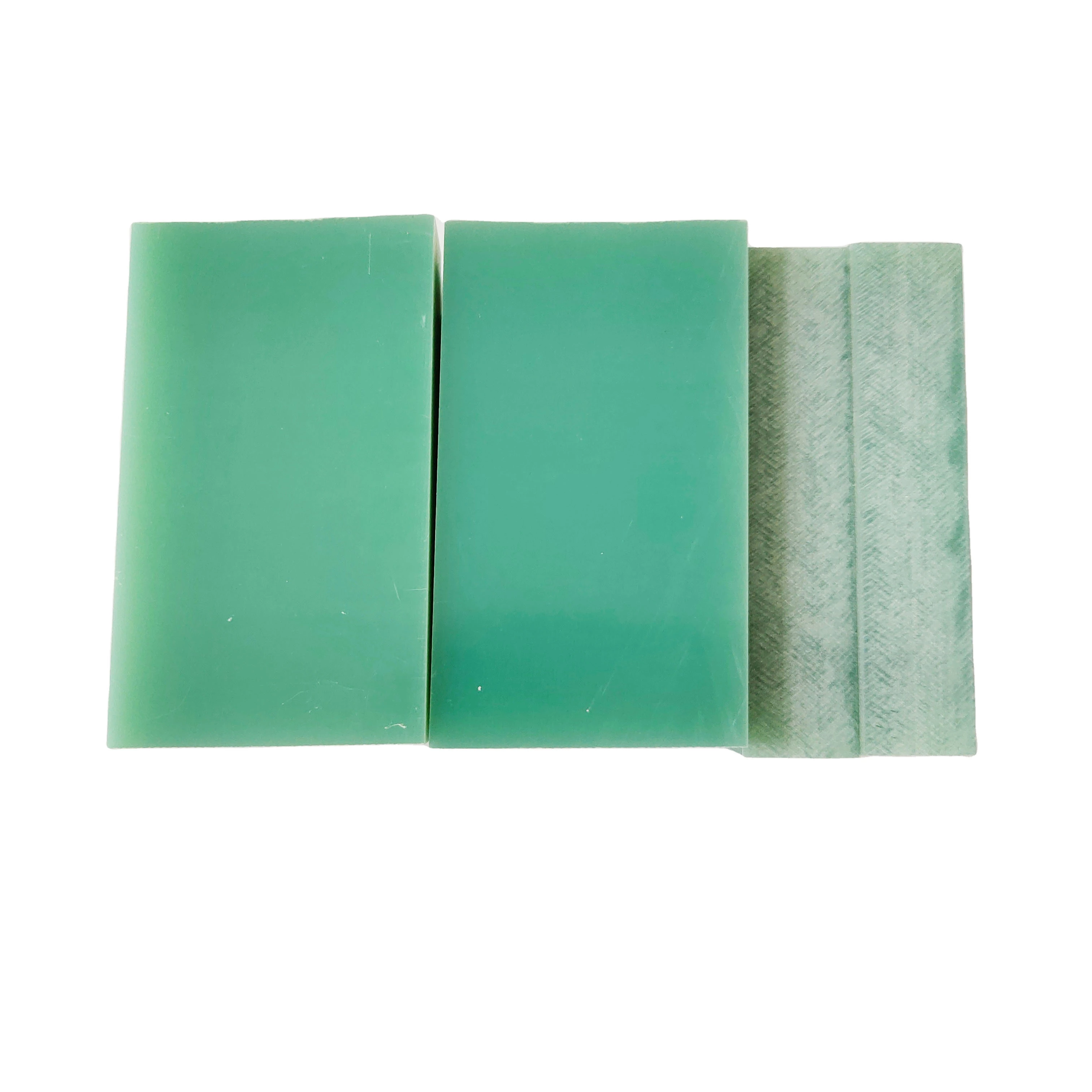
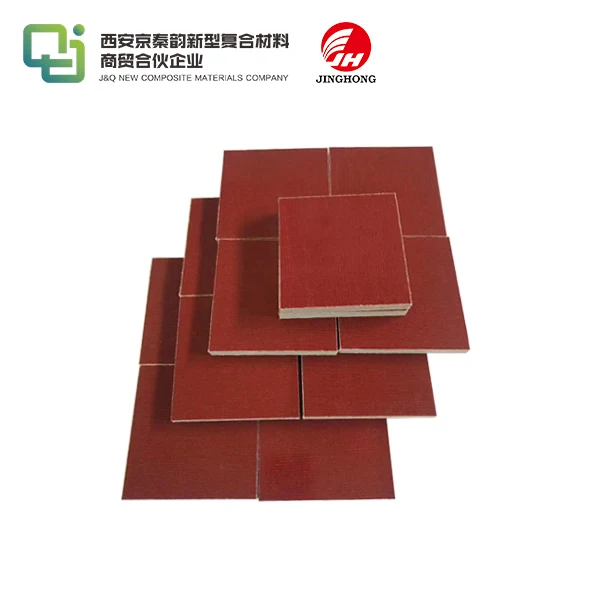
When you look closely, you can tell the difference between them: real phenolic laminates have a uniform color (usually dark or black) and are not see-through, and paper-based grades with newly cut edges have clear layer structure. To do the tactile test, a small edge piece is slowly heated with a flame. Real Bakelite sheet gives off a phenolic smell (like carbolic acid) without melting or dripping, but thermoplastics soften and deform. Density readings give us a way to be sure of the numbers. For phenolic paper laminates, the range is 1.30–1.45 g/cm³, and for fabric-based grades, it's 1.35–1.50 g/cm³. Values outside of these ranges suggest that lower-quality materials might have been used instead. Fourier-transform infrared spectroscopy (FTIR) is used for advanced identification to find out what kind of polymer something is made of, but this lab method is too complicated for most buying situations.
Sustainable Practices and Environmental Stewardship
The cross-linked polymer structure of thermoset composites makes it hard to recycle mechanically in the same way that thermoplastics can be recycled. Researchers are looking into pyrolysis methods to get back phenolic monomers and char for making activated carbon, but they haven't been used on a large scale in the real world yet. Progressive makers cut down on waste by using improved cutting designs that make less scrap during sheet production. Some businesses save grinding dust and edge trim to use as filler in lower-grade phenolic molding compounds. This creates closed-loop material flows within their businesses. Buyers who believe in the circular economy should ask their sources how much of their trash they divert and how much they participate in industry-wide environmental efforts.
Maintenance Recommendations for Extended Service Life
Proper keeping protects the qualities of a material before it is used. For example, Bakelite sheets should stay in dry places (below 60% relative humidity) so they don't absorb water, which can temporarily lower their electrical performance. Stacking sheets flat stops them from twisting, and separating layers keep the surface from getting scratched. Machining techniques affect how long a part lasts. For example, carbide tools make edges that are smoother and have fewer microcracks than high-speed steel, and using coolant during drills stops thermal stress fractures. Installed parts should be checked for surface residue that could cause tracking tracks on a regular basis and cleaned with isopropyl alcohol or light detergent solutions. When thermal cycling is used, stress-relief times should be allowed whenever possible, since sudden changes in temperature can cause stresses inside metals close to their edges. By extending the time between replacements and lowering the number of unexpected repair events, these simple steps help industrial buyers get the most out of their investments.
Conclusion
Bakelite sheet solutions are still a practical choice for business-to-business buying teams that want reliable electrical protection, long-lasting mechanical performance, and low costs. Their 100-year history in a wide range of fields, from making transformers to car battery systems, shows that they are reliable, which is something that new materials must show over time. The material is easy to work with on a CNC machine, doesn't change much in temperature, and comes in standard grades. This makes technical requirements easier to follow and meets strict safety standards.
To do good sourcing, you need to look at the quality systems of suppliers, compare the properties of different materials, like FR4 epoxy laminates, and build relationships with makers who can provide expert help beyond just selling goods. We've learned that buying value goes beyond unit price and includes things like consistent delivery, the ability to make changes, and quick problem-solving when production problems happen.
FAQ
What temperature range can Bakelite sheets withstand in continuous operation?
Standard phenolic paper laminates keep their shape and electrical qualities up to 300°F (149°C) for constant service, and up to 180°C for short-duration peaks. Fabric-based types can handle a little higher heat. Epoxy glass laminates that can handle ongoing operation at 180°C should be considered for uses that go beyond these limits.
How does Bakelite compare to FR4 for electrical insulation applications?
Bakelite sheet is easier to work with and costs less than FR4 epoxy fiberglass, but it has lower tensile strength and can't handle high temperatures. Pick phenolic laminates for mechanical parts and low-voltage uses. Choose FR4 when the design calls for better strength-to-weight ratios or temperatures above 150°C.
What lead times should procurement teams expect for custom Bakelite orders?
Stock widths in standard grades usually get sent out within 10 to 14 business days. Custom thickness requirements or custom resin formulations take 4 to 6 weeks, which includes planning production, laminating, drying, and testing for quality. Planning for safety stock gaps keeps production from stopping during rounds of custom orders.
Partner With J&Q for Certified Bakelite Sheet Solutions
J&Q has been making laminates for more than twenty years and has developed its export skills over a decade of working with companies around the world. Our combined production plant uses quality systems that are ISO-certified to make sure that every batch of phenolic paper and fabric laminates has the same electrical performance and accurate measurements. Engineering teams get full technical support, from help choosing materials to suggestions for CNC machining parameters. This is backed up by approved test results that show compliance with UL and ROHS standards.
As both a maker of Bakelite sheet and a logistics company, we offer a true one-stop service that takes away the hassle of coordinating with multiple providers. Direct factory prices and variable minimum order amounts make it possible to meet the needs of both prototype development and high-volume production. Through our batch traceability tools and open communication about order progress, we make the supply chain clear to procurement managers.
Our application engineers can help you find the best phenolic grades for your needs, whether you're looking for circuit insulation, motor parts, or battery barriers. You can talk to our expert sales team at info@jhd-material.com about your needs, ask for samples of our materials, or get full quotes for your next project. We want to build long-lasting relationships with you based on quality, dependability, and quick service for every transaction.
References
Baekeland, L.H. (1909). "The Synthesis, Constitution, and Uses of Bakelite." Journal of Industrial and Engineering Chemistry, 1(3), 149-161.
Knop, A., & Pilato, L.A. (1985). Phenolic Resins: Chemistry, Applications and Performance. Berlin: Springer-Verlag.
American Society for Testing and Materials. (2020). ASTM D709-20: Standard Specification for Laminated Thermosetting Materials. West Conshohocken, PA: ASTM International.
Underwriters Laboratories. (2018). UL 94: Standard for Safety of Flammability of Plastic Materials for Parts in Devices and Appliances. Northbrook, IL: UL LLC.
Institution of Electrical Engineers. (2017). IEC 60893: Insulating Materials - Industrial Rigid Laminated Sheets Based on Thermosetting Resins for Electrical Purposes. Geneva: International Electrotechnical Commission.
Harper, C.A. (2004). Handbook of Building Materials for Fire Protection. New York: McGraw-Hill Professional.