FR4 - Optimal Material for Fabrication of Printed Circuit Boards
2026-04-14 17:19:49
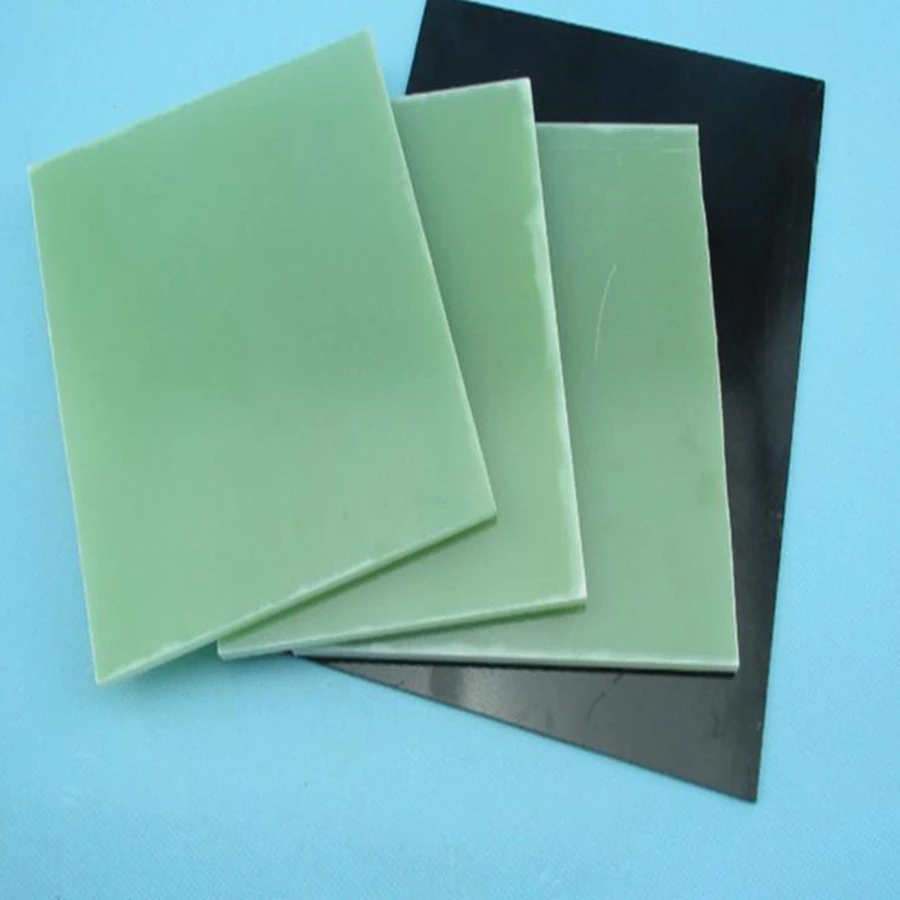
The FR4 sheet is always the best choice when engineering managers and buying teams look at base materials for making printed circuit boards. This epoxy laminate with fiberglass reinforcements meets strict industry standards for electrical protection, mechanical longevity, and flame retardance. As a composite material made of woven glass cloth and epoxy resin binder, FR4 sheets have the appropriate performance features needed for making reliable PCBs in the automobile, electronics, industrial machinery, power distribution, and home appliances industries. Knowing a material's qualities helps people make choices about which materials will make a product last longer while still being cost-effective.
Understanding FR4 Material: Composition, Properties, and Advantages
Manufacturing Process and Core Composition
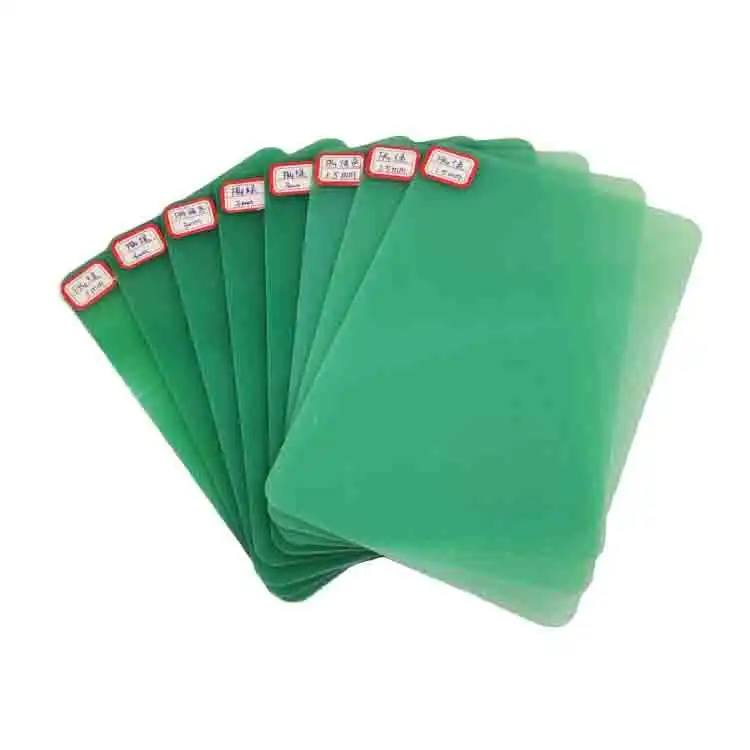
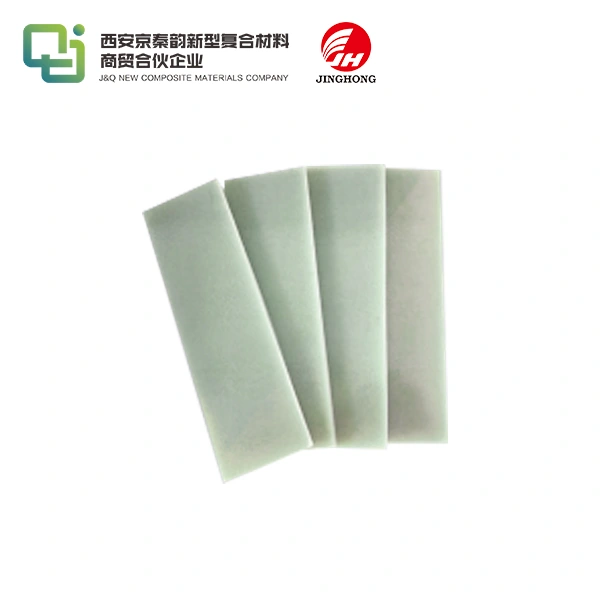
FR4 sheet epoxy laminates are made starting with continuous filament glass cloth that is weaved into precise designs that keep the layers' shapes. Manufacturers cover this fiberglass support with epoxy resin systems that have flame retardants based on brominated or phosphorus. Because the heat and pressure are managed, the resin hardens into a stiff structure. This thermosetting process crosses-links molecules in a way that can't be undone. This is what makes FR4 different from synthetic materials. The laminate that was made has regular thickness tolerances, which are important for automatic assembly processes.
Thermal and Electrical Performance Characteristics
A very important property for FR4 materials is their glass transition temperature (Tg), which can be anywhere from 130°C to 180°C based on the resin mixture. The structure of standard-grade FR4 stays strong at temperatures up to 130°C, while high-Tg versions can handle the higher temperatures found in car and power distribution uses. At 1 MHz, the dielectric constant of FR4 is about 4.4, which makes it easy to predict how signals will travel. When the dielectric strength is higher than 20 kV/mm, the electrical separation between the conductive layers is stable. The evaporation factor stays below 0.02, which means that very little energy is lost when high-frequency signals are sent.
Fire Retardancy and Safety Compliance
The UL94 V-0 grade for flammability sets FR4 apart from laminates that don't resist fire. This classification proves that the material goes out on its own within ten seconds of taking away the source of fire, leaving no flaming drips. Engineers in the power sector use V-0 grade materials for insulating transformers and putting up arc shields in places where fire spread could be very dangerous. RoHS compliance makes sure that the epoxy resin systems don't contain any banned chemicals, such as lead, mercury, or certain brominated compounds. This makes sure that they comply with environmental laws around the world.
Mechanical Strength and Machinability Features
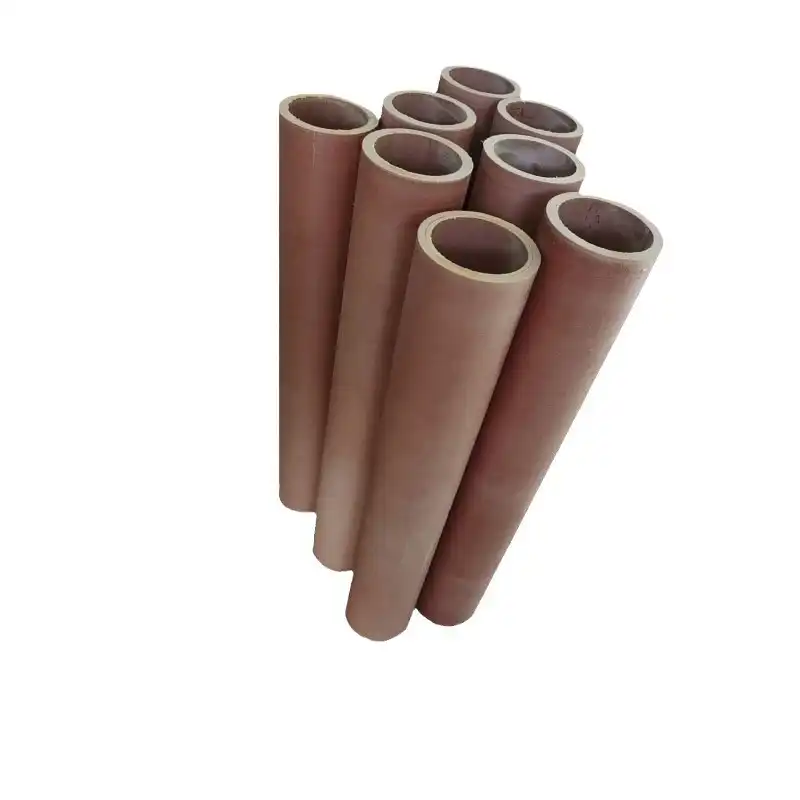
FR4 usually has a flexural strength of more than 415 MPa, which means it can support structure loads in industrial machinery uses. When mechanical stress and temperature changes happen, the constant glass fiber support keeps the layers from coming apart. CNC processes like cutting, routing, and milling work quickly and accurately when the right tools are used. This makes it possible to make things with complex shapes. When making gears, spacers, and wear-resistant parts from phenolic and epoxy laminates, machinery builders like how easy it is to machine these materials. Different thicknesses, from 0.2mm to 100mm, can be used for different design needs, such as lightweight circuit supports or heavy-duty insulation walls.
Cost-Effectiveness and Supply Chain Advantages
The cost of materials for standard FR4 sheet is still much lower than those for specialty substrates like polyimide or Rogers laminates. This means that it is still a good choice for mass production. When making a lot of insulation frames and motor clamps, this cost structure is especially helpful for companies that make home appliances. Because FR4 is widely available through well-established supply networks, lead times are less likely to change than for niche materials that need to be sourced in a specific way. Because it is fast, easy to find, and cheap, FR4 is the most popular material for making general-purpose PCBs in many businesses.
Comparative Analysis: FR4 vs Other PCB Materials
FR4 Versus CEM-1 and Paper-Based Laminates
CEM-1 is made up of layers of paper core and glass cloth on the outside. It has lower material costs than FR4 sheet. But the paper support easily soaks up water, which makes the dielectric qualities worse in damp places. Electrical experts don't use CEM-1 for long-term reliable uses where the weather can change. Even more sensitive to wetness and less able to handle high temperatures, FR1 phenolic paper laminates can only be used in low-cost, non-critical consumer products. The glass cloth structure of FR4 gets rid of these worries about moisture absorption, so its electrical properties stay stable across a wide range of temperature and humidity conditions.
Performance Comparison with High-Temperature Materials
Glass transition temperatures for polyimide laminates are higher than 250°C, which means they can be used in aircraft and harsh environments where FR4 doesn't work well. In general, though, polyimide costs three to five times more than regular FR4. FR5 is a performance intermediate that uses different epoxy resin formulas to get better Tg values around 170°C while keeping costs close to those of FR4. Procurement professionals choose FR5 when an application needs reasonable temperature protection above and beyond what FR4 can provide, but the cost of polyimide is not justified.
Metal-Core and Ceramic Substrate Alternatives
Aluminum-backed PCBs are great at getting rid of heat in LED lights and power electronics, where design standards are based on thermal management. The electrical separation qualities that FR4 offers across all layers are lost on these metal-core boards. Rogers' high-frequency laminates work better as dielectrics at microwave frequencies, which is useful for radar and telephony devices. Their specialized plastic systems are very expensive and should only be bought when the signal stability at high frequencies makes it worth it. Standard FR4 is good for most digital and analog devices that work below 1 GHz and need to be cost-effective more than having small performance gains.
Halogen-Free and Environmental Considerations
Halogen-free FR4 versions switch out brominated flame retardants for phosphorus or nitrogen-based systems. This solves the problem of halogenated chemicals harming the environment when they are thrown away or recycled. These options get the same UL94 V-0 grades while lowering the chance that harmful byproducts will be made during combustion. To meet the environmental standards of manufacturers, more and more automotive component providers ask for materials that don't contain halogens. Because it costs a little more than standard FR4, this is a choice that can be used when procurement rules value both technical efficiency and environmental friendliness.
When you look at application standards as a whole, the benefits of FR4 become clear. When choosing a material, the criteria should take into account budget, mechanical loading conditions, electrical performance requirements, and thermal needs all at the same time, instead of just improving one parameter at a time.
Procurement Insights: Sourcing FR4 PCB Materials and Services
Regional Supplier Landscapes and Certification Requirements
Global FR4 sheet supply lines are centered in areas that make a lot of gadgets. Suppliers keep a lot of standard sizes and types in stock, which makes it easy to meet common needs quickly. As a minimum, buying teams should check that possible partners have ISO 9001 quality management certification when they look at them. UL marks on material data sheets show that electrical and flammability qualities have been tested by a third party. European providers who stress REACH compliance paperwork take care of chemical substance rules that affect shipping across EU markets.
Pricing Structures and Volume Considerations
The price of sheet material is directly related to its thickness. Thinner laminates cost more per kilogram because they are harder to make. When you make a volume promise, you can use tiered pricing systems. Usually, prices drop at pallet amounts. Transportation costs have a big effect on landing prices, which is why regional buying is better for regular restocking orders. Strategic buying teams keep in touch with both direct manufacturers for high-volume projects and local dealers for quick responses to small-batch needs. Currency changes affect the prices of imports, which suggests that long-term supply deals with clear rules for price increases could be worth considering.
Custom Fabrication and Lead Time Management
For custom thicknesses or special resin formulations, the minimum order numbers often start at production run levels. This means that normal grades are more cost-effective for medium to large amounts. Lead times for products that are in store run from the same day to one week. On the other hand, custom specs may take four to eight weeks, based on when they are made. Power sector procurement experts who are in charge of transformer insulation programs can use blanket purchase orders with planned releases to make sure they have the materials they need without having to pay too much for storage. Delays in completion can be avoided by making clear technical specifications, such as thickness tolerances, copper cladding standards, and surface finish expectations.
Quality Assurance and Testing Protocols
Suppliers you can trust give you certificates of conformance that list the electrical qualities, flammability scores, and size requirements for each production lot. Using calibrated micrometers, incoming inspection programs should compare the real width to the specs. Testing the material on a regular basis in damaging ways, like measuring its peel strength, flexural stiffness, or dielectric breakdown voltage, makes sure that it stays the same. Automotive tier-1 suppliers often ask laminate makers for statistical process control data that shows capability measures that can predict the rate of defects. By setting these quality standards when choosing a seller, you can avoid expensive production delays caused by materials that aren't up to par.
Through many years of working with suppliers, we've learned that trustworthy partners are clear about their producing skills and ready to offer technical help. Long-term relationships based on reliable quality delivery give businesses an edge over their competitors by letting them set priorities when supplies are low and work together to solve problems when application problems come up.
Ensuring Optimal Performance: Evaluating FR4 PCB Specifications for Your Project
Thickness Selection and Mechanical Requirements
The choice of FR4 sheet PCB width is based on the amount of power it needs to carry, how it needs to be mounted, and how rigid it needs to be. Thicknesses that are standard are 0.4mm, 0.8mm, 1.6mm, and 3.2mm. For most circuits, 1.6mm is the best pick. Laminates that are 3.2 mm or bigger are often required for industrial machinery uses that need strong structures so they don't bend when they're loaded. The flexural modulus shows how stiff something is, which helps with choice when boards need to stay flat over long distances. Thin laminates (less than 0.8 mm) need to be handled carefully during assembly, but they allow for small product designs in places where room is limited.
Critical Electrical Parameters and Testing Methods
Verification of the glass transition temperature makes sure that the laminate can handle the high temps used in solder reflow processes, which can reach up to 260°C for lead-free assembly. Differential scanning calorimetry tests prove the Tg values, and the results are written down on certificates for the materials. When creating impedance-controlled traces for high-speed digital signals, it's important that the dielectric constant stays the same across frequency bands. The dissipation factor measures how much energy is lost. It is important in RF uses or high-frequency switching circuits. Insulation resistance tests, done at high voltages and temperatures, can predict how reliable something will be in wet or dirty settings for a long time.
Thermal Management and Operating Environment Suitability
Continuous working temperature ratings help choose materials based on the temperature inside and the weather outside. Standard FR4 can be used in most business and industry settings where the temperature stays below 130°C. High-Tg formulations help power transfer equipment that makes a lot of heat when it's working by keeping its mechanical qualities at high temperatures. FR4 is not a good material for a major heat dissipation path because it has low thermal conductivity through the laminate width. Instead of depending on the conductivity of the base layer, applications that need to handle heat use copper planes, thermal vias, or metal-core structures.
Real-World Application Validation
FR4 is used for backplane assemblies and line cards in telecommunications core equipment that works in temperature-controlled settings. The material has been used in millions of systems and has been shown to be reliable. This means that it will work well under constant electricity stress. Automotive makers use FR4 for battery management systems in electric cars because it has stable dielectric qualities that keep high-voltage circuits safe. Industrial motor drives use the mechanical strength and arc resistance of stronger FR4 laminates for power switching systems that are shaken and heated and cooled many times. These case studies show how flexible FR4 can be when the specs match the needs of the application.
Conclusion
Picking the right substrate material has a big impact on how reliable PCBs are, how efficiently they are made, and how long products last in electrical, industrial, power, car, and gadget settings. Because it is better at balancing temperature stability, electrical insulation, mechanical strength, and cost-effectiveness than other materials for most uses, FR4 sheet remains the best choice for most situations. When engineering managers and procurement specialists know about the specifics of a product's makeup, how it should work, and how to get it, they can gain a competitive edge. The technical information and buying tips in this book give people who make decisions the confidence to confidently define materials, deal well with suppliers, and build strong supply chains that support long-term manufacturing success.
FAQ
How does FR4 differ from CEM-1 material in practical applications?
The main difference is in the structure of the reinforcements: FR4 sheet is made of a continuous glass cloth, while CEM-1 has a paper core with glass layers on top. This change in structure makes big gaps in how well it resists wetness and how stable it is at high temperatures. CEM-1 is less expensive, but it takes in water from the air, which weakens the dielectric over time. Electrical engineers choose FR4 when long-term dependability is more important than the cost of the material at first. This is especially true in industrial controls, power distribution, and vehicle electronics, where failure at the wrong time can have serious effects.
What lead times should procurement teams expect for custom FR4 orders?
Standard thickness materials in stock at a wholesaler can be shipped within days. It usually takes four to six weeks from the time an order is placed until it is delivered for custom specs that need special resin formulas or non-standard sizes. This schedule covers when to make things, how long they should cure, and quality checks. Setting up blanket orders with scheduled releases is helpful for high-volume programs because it lets makers make the most of their production runs while making sure that material supply matches up with assembly plans. Sharing expected needs with providers helps them use their ability more efficiently.
Can FR4 support high-frequency circuit applications effectively?
In digital circuits that work below 1 GHz, where cost-effectiveness is more important than precise impedance control and low dielectric loss, standard FR4 works well enough. Special laminates with lower dissipation factors and more stable dielectric constants across temperature ranges are often needed for telecommunications equipment that works at multi-gigahertz rates. The decision point is based on the budget and the amount of signal integrity gap that is appropriate. A lot of mixed systems use FR4 for low-frequency parts and Rogers or similar materials only when the signal performance calls for it.
Partner with J&Q as Your Trusted FR4 Sheet Supplier
J&Q has been making high-quality epoxy and phenolic insulation materials for over twenty years. These materials meet the exact needs of electronics makers, industrial machinery builders, and power distribution companies all over the world. Because we know so much about how FR4 sheet applications are used in a wide range of businesses, we can make suggestions that are perfect for your unique thermal, electrical, and mechanical needs. We offer one-stop solutions that make your supply chain easier because we have combined logistics skills and have had foreign trade partnerships for more than ten years. Get in touch with our expert team at info@jhd-material.com to talk about your project needs and find out how our quality systems, quick customer service, and low prices for FR4 sheets from manufacturers can help you reach your buying goals.
References
National Electrical Manufacturers Association (NEMA), "Industrial Laminating Thermosetting Products Standard LI 1-1998," NEMA Standards Publication, Washington DC, 1998.
Institute for Printed Circuits (IPC), "Performance Specification for Rigid Printed Board Laminates," IPC-4101 Standard Series, Bannockburn, Illinois, 2020.
Coombs, Clyde F., "Printed Circuits Handbook, Seventh Edition," McGraw-Hill Education, New York, 2016, Chapter 4: Base Materials for Printed Circuits.
Harper, Charles A., "Electronic Materials and Processes Handbook, Third Edition," McGraw-Hill Professional, New York, 2004, Section 2.3: Epoxy Resin Systems.
Underwriters Laboratories (UL), "Standard for Safety of Flammability of Plastic Materials for Parts in Devices and Appliances," UL 94 Standard, Northbrook, Illinois, 2018.
Lasky, Ronald C., "The Role of Laminate Glass Transition Temperature in PCB Reliability," SMTA International Conference Proceedings, Rosemont, Illinois, 2019, pp. 156-163.