Aerospace Grade Laminates: Why FR4 and G10 Sheet Meet Rigorous Standards
2026-07-16 17:18:31
Every component used in systems operating at high altitudes must meet extremely stringent performance standards established by aerospace engineers. For these critical applications, aerospace-grade laminates—particularly FR4 sheet and G10—deliver the required reliability and consistency. These glass-reinforced epoxy materials offer excellent electrical insulation, mechanical stability, and flame resistance, as validated through rigorous testing protocols. Their proven performance under high temperatures, strong vibration, and safety-critical operating conditions makes them essential in modern aircraft manufacturing. A clear understanding of these material properties enables procurement teams to make informed, performance-driven sourcing decisions.
Understanding Aerospace-Grade Laminates: FR4 and G10 Sheets
Materials that won't break down under pressure are needed in aerospace uses. The superior performance of these laminates in tough settings comes from their basic makeup.
Material Composition and Structural Foundations
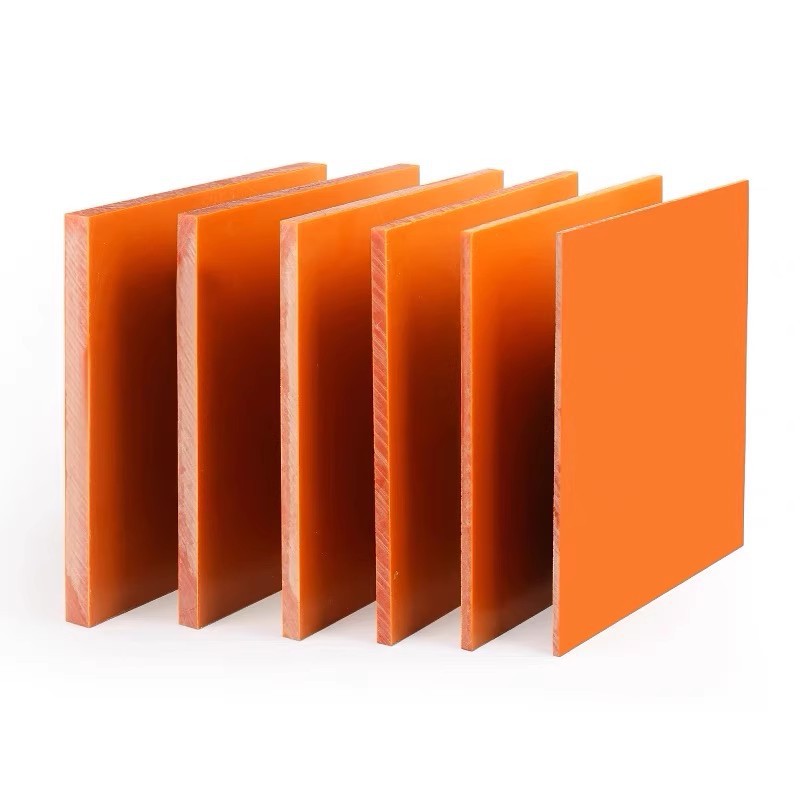
FR4 sheet is a high-pressure thermosetting industrial material that meets NEMA standards. It is made of continuous thread glass cloth that is fully saturated with epoxy resin binding. With these two parts together, you get a hybrid structure. The glass fibers give it tensile strength, and the epoxy matrix holds everything together and keeps electricity from flowing through it. The "FR" label specifically refers to flame retardant qualities, which are the ability to put out fires on their own, which stops them from spreading in important electrical systems.
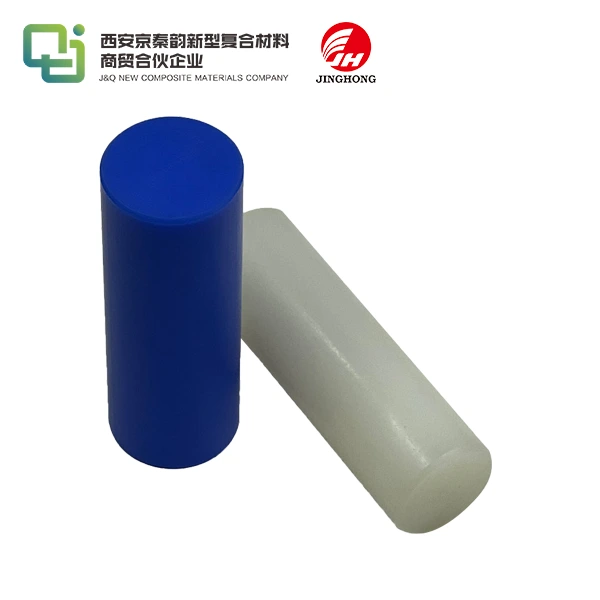
G10, on the other hand, is made of fiberglass and epoxy, but its glue is different. Because it doesn't have any brominated flame retardants, G10 is very tough and stays the same size across a wide range of temperatures. Both materials are laminated under high pressure, which gets rid of any air bubbles and makes sure that each sheet is the same thickness all the way through.
Key Performance Properties That Matter
Because these laminates are so strong compared to their weight, they don't bend mechanically when heavy equipment is loaded on them. This is very important in aircraft design, where every ounce counts. Unlike paper-based laminates, FR4 sheet absorbs almost no water. This means that its insulating properties stay stable even when it's being used in places with a lot of dampness or a tendency to condense.
Aerospace-grade materials are different from regular industrial ones because they are more stable at high temperatures. High Tg (glass transition temperature) forms of FR4 sheet keep their shape at high temps, while G10 naturally doesn't change shape when heated. When parts are subjected to rapid temperature changes during the climb, operation, and descent stages, these traits become very important.
Certification Standards and Compliance Requirements
Aerospace buying teams are right to expect thorough checks. IPC guidelines set minimum requirements for how well laminated materials used in computer assemblies should work. The UL94 V-0 flame retardancy grades show that materials put out fires on their own within seconds of the ignition source being removed. This keeps huge fires from starting in enclosed airplane areas.
In addition to basic certifications, aerospace-specific standards cover things like stresses that are unique to the climate. Materials must keep working the same after being heated and cooled, tested for shaking, and exposed to aircraft fluids. When suppliers provide full traceability paperwork, makers can keep full material pedigree records, which is required by law for safety-critical aircraft parts.
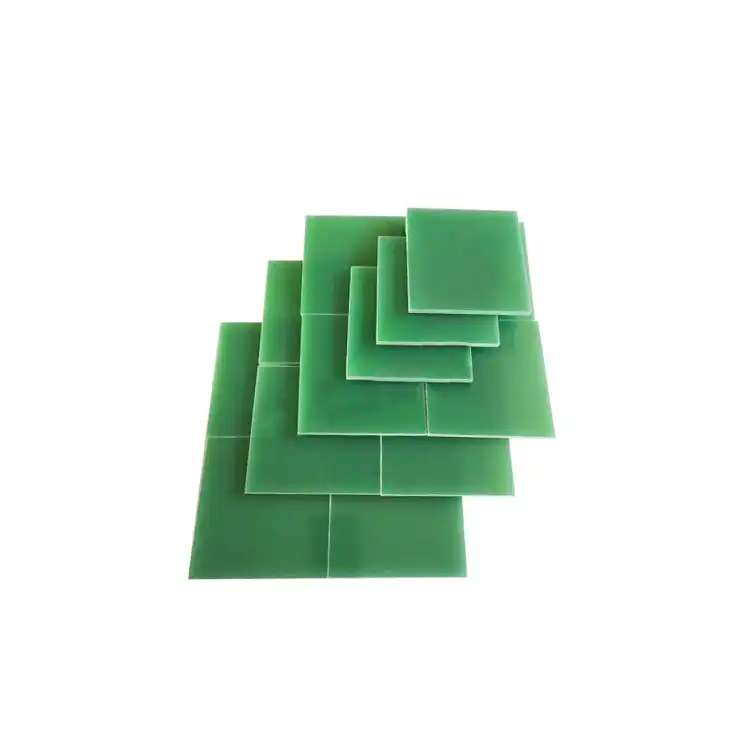
Performance and Advantages of FR4 and G10 Sheets in Aerospace Applications
In the real world, aircraft settings test materials in ways that can only be roughly matched in a lab. Both FR4 sheet and G10 laminates have been used for decades and have been proven to be durable.
Thermal Management Capabilities
When electrical systems work all the time in small areas, controlling heat becomes very important. High Tg grades of FR4 sheet keep their mechanical qualities at temperatures above 170°C, which is a lot higher than normal grades. This better resistance to heat keeps computer boards and structure parts from warping or coming apart during long operations.
Because G10 can handle a wide range of temperatures, it is ideal for use in places near engines or that are subject to radiant heat. The cloth can stay at high temperatures for a long time without getting soft or changing its shape. This level of dependability gets rid of sudden fails that could hurt the mission's success or put passengers in danger.
Mechanical Strength and Vibration Resistance
Engines, wind, and structure resonance all cause aircraft to vibrate all the time. Parts made from these laminates don't send vibrations through systems; instead, they absorb and reduce them. The continuous glass fiber support is very resistant to impacts, so cracks don't spread from mechanical stress or accidental impacts during upkeep.
Engineers can choose from different thicknesses to get the best strength-to-weight ratios for each job. Thinner sheets make the system lighter generally, while thicker ones make it easier to place heavy parts because they are more rigid. Because of this, engineers can come up with exact answers that are perfect for each specific aerospace problem.
Safety and Flame Retardancy Features
The aircraft business has a strict policy against any materials that could start cabin fires or make it harder to evacuate. The UL94 V-0 approval shows that both FR4 sheet and G10 sheets quickly put out their own fires and produce very little smoke when they come into contact with flames for a short time.
Alternatives without halogens help solve rising health and environmental problems. Instead of brominated chemicals, these versions use phosphorus-based additives to make them flame retardant. This means that less harmful gas is released during fires. This new idea fits in with changing rules that are focusing on protecting passengers and taking care of the earth.
Cost-Efficiency Compared to Specialized Alternatives
Rogers laminates and polyimide films are examples of specialized materials that work very well in a small set of parameters. But because they are so much more expensive, they can only be used in situations where their special qualities are truly necessary. FR4 sheet and G10 sheets offer good performance in a number of areas, including resistance to electrical current, mechanical stress, temperature changes, and flames, while also being much cheaper to produce.
This cost-effectiveness goes beyond the price of raw materials. Both laminates can be machined cleanly with normal CNC tools, which makes the process easier and reduces tool wear. Their constant quality makes it possible to plan production with confidence, since they don't have the yield changes that can happen with some unusual materials.
FR4 vs G10: Making Informed Procurement Decisions for Aerospace Projects
To choose the best laminate, you need to know how the qualities of different materials fit with the needs of the job. Both materials are great for use in aircraft, but each is better for certain tasks because of its own unique properties.
Electrical Property Comparisons
FR4 sheet always does a great job of insulating against electricity; in most cases, its dielectric strength is higher than 20 kV/mm. This makes it the best choice for places where electrical separation is still very important, like circuit board substrates, walls between high-voltage parts, and arc-resistant panels in power distribution systems.
Depending on the type of resin and glass used, FR4's dielectric constant can be anywhere from 4.2 to 4.8. Engineers can confidently build impedance-controlled transmission lines because the electricity will behave in a known way. The slightly lower dielectric constant of G10 can help high-frequency uses that care more about signal loss reduction than maximum insulation resistance.
Mechanical Performance Trade-offs
In terms of functional longevity, G10 is better than other materials and costs less. Because it is tougher, it can be used for fixing brackets, spacers, wear-resistant parts, and insulation that are put under a lot of mechanical stress. The material doesn't get damaged by impacts and keeps its shape even when it's being loaded mechanically over and over again.
In situations where both good electrical qualities and good mechanical power are needed, FR4 sheet is the best choice. It meets most of the needs for aircraft laminates in a single material standard thanks to its dielectric performance and structural capability.
Quality Verification and Testing Protocols
For aerospace purchases, verification goes beyond just source approvals. As part of the incoming inspection, thermal resistance tests should be done to make sure that the Tg numbers meet the requirements. Measurements of the dielectric constant make sure that the electrical qualities are within acceptable limits. Standardized burn tests for flame retardancy make sure that the product meets UL94 V-0 standards.
Quality methods for suppliers need to be carefully looked over. ISO 9001 certification shows basic quality management, while AS9100 approval meets the special needs of the aerospace business. Full material tracking, from where the raw materials come from to how they are laminated at the end, lets you figure out what went wrong if something fails in the field.
Strategic Procurement Considerations
A project's success is also affected by real buying factors that go beyond the properties of the materials. Minimum order amounts have an effect on the cost of keeping goods and on cash flow. Standard sheet sizes may need to be optimized to keep CNC cutting processes as waste-free as possible. Lead times are very different for stock items and custom orders, which affects when things are made and when they are delivered.
Reliability in the supply line should be carefully looked at. Suppliers whose production capabilities and inventory range are varied are better able to handle problems caused by a lack of raw materials or shipping issues. Long-term partnership deals can make sure that certain resources are allocated more fairly when the market is tight, and they can also often keep prices stable when the prices of commodities change.
Supplier Landscape: Finding Trusted FR4 and G10 Sheet Providers
The final performance of a material relies on how well it was made and how reliable the seller is. Finding partners who understand the needs of flight is what makes projects successful or unsuccessful.
Validating Supplier Credentials and Capabilities
Manufacturers at the top of their fields keep extensive certification files that show they meet global aircraft standards. IPC approval proves that best practices for making laminates are followed, and UL recognition proves that the laminates are flame retardant. Suppliers should easily give test results, proof of compliance, and full breakdowns of what the material is made of.
Evaluation of production skill goes beyond just giving certifications. Site audits show if makers use the right quality assurance, process controls, and environmental tracking methods. High-tech equipment, clean rooms, and automatic checking systems all show that money is being spent on making sure that the work is always of high quality.
Building Effective Partnership Relationships
When you buy something transactionally, you only care about the price, and you often give up the value that trusted relationships offer. When choosing materials, reliable sources offer expert support that helps engineers find the best specifications for difficult uses. They keep in touch with each other throughout the order delivery process and deal with any delays or quality issues before they affect production plans.
Sample programs let you test them before committing to large amounts for production. Respondent providers send assessment materials quickly, along with full technical documentation. This method lowers the risk when looking for new providers or different requirements. Offering custom cutting services, different thickness choices, and fast shipping times give you more options than rigid suppliers can offer.
Evaluating Total Cost of Ownership
The purchase price is only one part of the total cost of buying. Consistent quality cuts down on the number of inspections that need to be done and gets rid of the costs that come with rejecting materials or delaying production. When deliveries are reliable, you don't have to pay high fees for faster delivery or stop production. Engineers spend less time fixing problems with materials when they have technical help.
Coverage under warranties and return policies protect against material flaws that were not expected. Suppliers who are sure of their quality will make sensible adjustments to address valid quality concerns. This guarantee is especially useful in aerospace uses, where failures of materials can have big effects.
Future Trends and Innovations in Aerospace-Grade Laminates
The aircraft business is always pushing the limits of how well materials work. New technologies and changing rules change what laminates are needed and how they are bought.
Enhanced Thermal Performance Developments
New high Tg FR4 sheet formulas raise the glass transition temperature above 180°C, which makes the operating temperature range bigger for tough jobs. When put under long-term thermal stress that would break down regular grades, these advanced materials keep their mechanical qualities and physical stability. When ceramic fillers or special glue systems are added to composite laminate structures, they can handle even higher temperatures while still insulating electrically.
Environmental and Regulatory Evolution
As time goes on, halogen-free flame suppressant systems get better, closing the performance gap with older brominated formulas. UL94 V-0 grades can be reached with phosphorus-based additives and intumescent technologies, which do away with the environmental and health issues that come with halogenated compounds. Pressure from regulators to use cleaner materials speeds up usage, even though they cost a little more.
Weight Reduction Imperatives
Getting rid of weight is still an important goal in aircraft. Advanced fiber designs in thinner laminates keep the strength while lowering the mass. Every gram saved in structure parts means better fuel economy or more payload capacity, which drives ongoing attempts to improve performance.
Digital Traceability and Supply Chain Transparency
Blockchain technologies and digital material cards make it possible to track everything from where the raw materials come from to how the end component is installed. Throughout the supply chain, these systems keep track of the conditions under which the goods are made, the results of tests, and how they are handled. Aerospace makers can be more sure that the materials they use are real, and the paperwork they need to follow regulations can be done automatically and checked.
Conclusion
Aerospace-grade FR4 sheet and G10 laminates have a reputation for being strong and reliable in harsh circumstances. Their balanced mix of electrical insulation, mechanical strength, temperature stability, and flame protection meets a wide range of aircraft needs at a reasonable price. To choose between these materials, you need to know how their different qualities match up with the needs of the application. For example, electrical performance favors FR4 sheet, while industrial toughness highlights the benefits of G10.
Successful procurement extends beyond material selection to supplier partnership development. Verified certifications, consistent quality, expert help, and a reliable supply chain are what set great providers apart from average ones. As aircraft technologies improve, these laminates also change to provide better heat performance, protect the environment, and make digital tracking easier.
FAQ
What fundamental differences distinguish FR4 from G10 laminates?
Both products are made of glass-reinforced epoxy, but FR4 sheet is better for electrical insulation uses because it has brominated flame retardants that give it UL94 V-0 grades. G10 focuses on mechanical hardness without using halogenated additives. This makes structure parts last longer at a lower cost. Which one to use relies on the purpose and whether electrical properties or mechanical performance are more important.
How should procurement teams evaluate material quality?
To check the quality, you need to do tests on the thermal resistance to make sure it meets Tg specifications, the dielectric constant to make sure it meets electrical property requirements, and the flame retardancy to make sure it meets UL94 V-0 standards. Supplier standards like IPC and AS9100 show that quality systems are in place for manufacturing, and full tracking paperwork makes sure that materials are always correct along the supply chain.
What lead times should aerospace procurement expect?
Standard thicknesses in popular sheet sizes usually ship within two to three weeks from reputable sources who keep a deep inventory. Custom specs, such as different thicknesses, resin formulations, or sizes that aren't standard, usually take four to eight weeks, based on the production line and the supply of raw materials. When there is a lot of demand, building relationships with suppliers can help you get better service.
Partner with J&Q: Your Trusted FR4 Sheet Supplier
When it comes to buying aerospace plywood, J&Q has more than 20 years of experience making high-quality products and 10 years of experience dealing internationally. Our approved FR4 sheet and G10 materials are made to strict flight standards and come with full testing records and can be tracked all the way back to their source. We know how important your applications are, so our quality systems make sure that every order works the same way, whether you need a small amount for testing or a large amount to keep making things.
Our integrated logistics skills give you real one-stop service, which makes planning easier and cuts down on wait times. Throughout the lifetime of your project, technical support teams help you choose the right materials, make the best use of your specifications, and fix problems with your applications. We keep a wide range of items in stock so that we can quickly meet pressing needs and also offer custom specs that are made to fit specific flight problems. Get in touch with us at info@jhd-material.com to talk about your particular needs and find out how our knowledge, low prices, and dedication to long-term relationships can help your aerospace manufacturing business succeed.
References
Coombs, Clyde F. "Printed Circuits Handbook." McGraw-Hill Professional, 7th Edition, 2016.
Institute for Interconnecting and Packaging Electronic Circuits. "IPC-4101E: Specification for Base Materials for Rigid and Multilayer Printed Boards." IPC International, 2020.
Prasad, Ray. "Surface Mount Technology: Principles and Practice." Springer Science, 2nd Edition, 2018.
National Electrical Manufacturers Association. "NEMA LI 1-1998: Industrial Laminated Thermosetting Products." NEMA Standards Publication, 2019.
Harper, Charles A. "Electronic Materials and Processes Handbook." McGraw-Hill Professional, 4th Edition, 2017.
Underwriters Laboratories. "UL 94: Standard for Safety of Flammability of Plastic Materials for Parts in Devices and Appliances." UL Standards, 2021 Edition.
_1765955136885.jpg)