Buying CE Phenolic Sheets: Grade Selection and Supplier Evaluation
2026-10-20 17:25:13
If you are sourcing phenolic cotton canvas laminates for electrical insulation, structural components, or wear-resistant parts, choosing the right grade and the right supplier matters more than most buyers initially realize. CE phenolic sheet — a NEMA-grade canvas-reinforced thermosetting laminate — is a workhorse material across power distribution, industrial machinery, automotive fixtures, and electronics manufacturing. This guide walks you through grade selection criteria, material comparisons, supplier evaluation factors, and practical handling tips, so you can make a well-informed procurement decision with confidence.
Understanding CE Phenolic Sheets: Properties and Grades
What Makes CE Grade Different
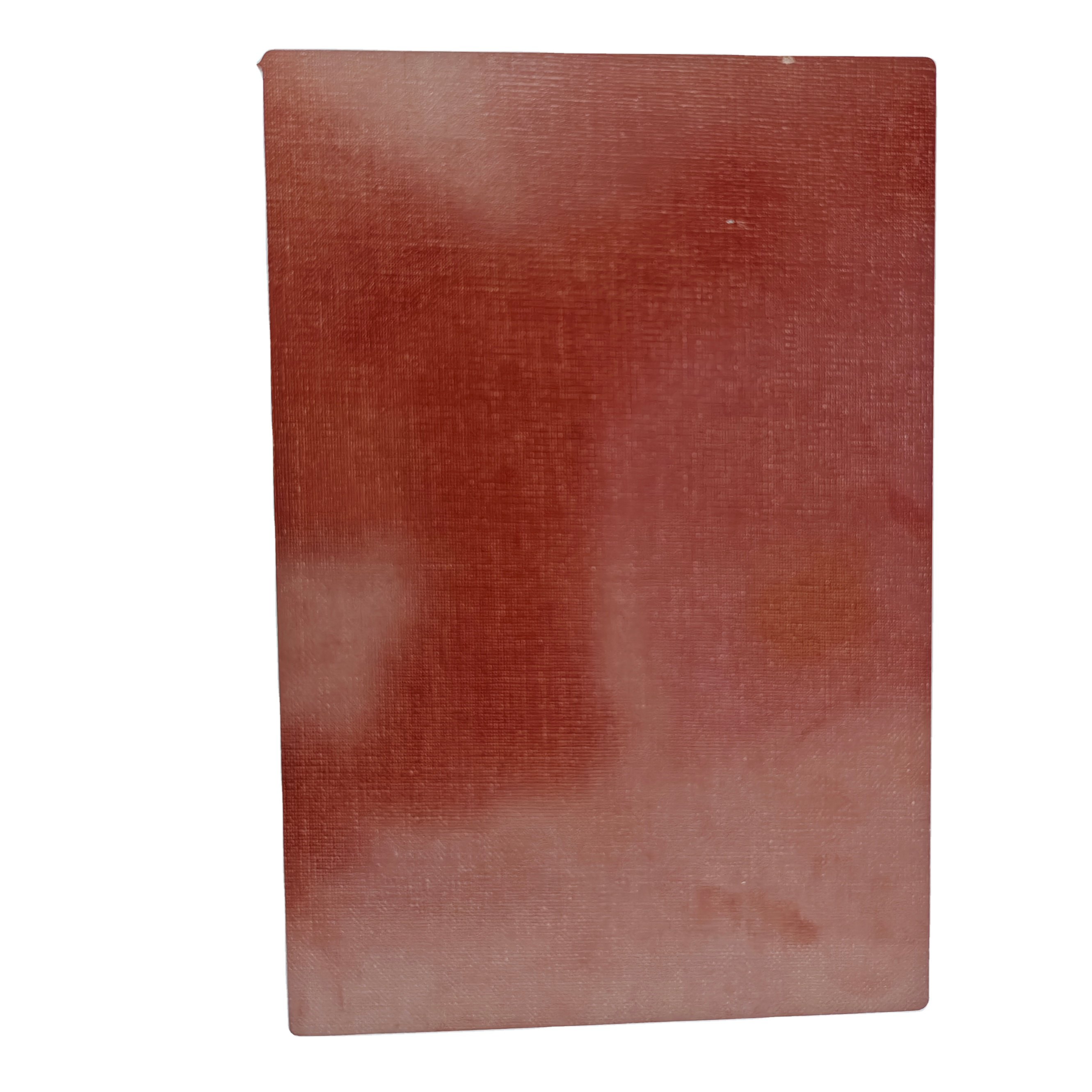
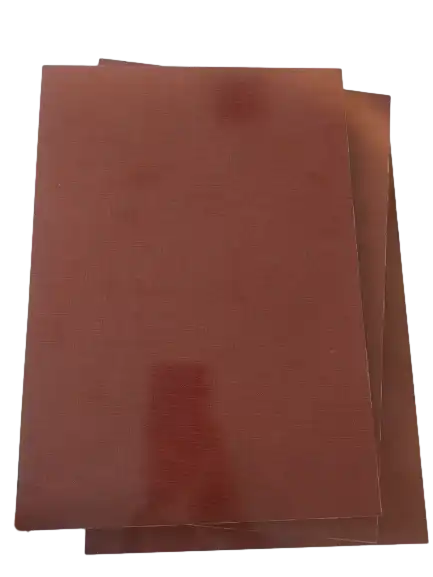
To make CE Phenolic Sheet, medium- to coarse-grained woven cotton canvas fabric is mixed with phenolic resin and pressed under high heat and pressure. The final mixture has a specific gravity of 1.34 to 1.36 and a Rockwell Hardness (M Scale) of about 105. The cloth weave is much more resistant to impact than paper-based phenolics. It has an Izod impact strength of about 1.6 ft-lb/in notch. Because of this, it is the best material for gears, bushings, pulleys, and structural insulation plates that need to be very tough mechanically.
Key Physical Properties to Know
When tested perpendicular to the laminate, the dielectric breakdown voltage is about 35–40 kV, and the flexural strength is usually more than 15,000 psi along the length of the laminate. The temperature range for continuous use is 115°C to 125°C. Hongda-brand phenolic cotton canvas laminates from J&Q come in widths ranging from 0.5mm to 100mm and a standard sheet size of 1220mm × 2020mm. This gives buyers a lot of options for both small-scale production runs and testing.
Grade Comparison: CE vs. LE vs. FR-4
The CE grade uses rougher canvas to make it more resistant to impact, while the LE (Linen Electrical) grade uses fine-weave linen to make it more precise in size and less likely to absorb water. UL 94 V-0 flame ratings and better insulating performance are found in FR-4 glass-epoxy laminates. The CE grade is the right specification for applications that need shock absorption, mechanical load-bearing, and moderate electrical insulation. For example, silent gears in crushers or switchboard mechanical arms. When it comes to fine surface detail or flame resistance, LE or FR-4 are better choices.
Comparing CE Phenolic Sheets to Other Materials
CE Phenolic vs. Plywood and MDF
Over time, plywood and MDF soak up water, and they don't have any useful insulation qualities. When moisture gets into switchgear panels or the housings of transformer parts, it changes their shape and can cause an arc. CE phenolic laminates don't break down easily in places where wood-based panels would in just a few months because they are resistant to common solvents, mild acids, and oils. In harsh industrial situations, the difference in lifetime costs is easy to see.
CE Phenolic vs. PVC and Melamine Sheets
PVC strips don't rust, but they're not very strong under heavy stress. Melamine-faced boards are just surface coverings, not structural laminates. In comparison, CE Phenolic Sheet offers better impact resistance and can withstand higher temperatures, making it a more suitable choice for demanding industrial applications. PVC and melamine are not recommended for motor brackets, wear pads, or busbar spacers operating at high temperatures.
Where CE Phenolic Has Defined Limitations
Please be aware that normal NEMA Grade CE does not have a UL 94 V-0 flame-retardant grade unless a flame-retardant formulation is specifically asked for. For UL-compliant PCB support structures or switchgear interiors, engineers should ask for flame-retardant grades or J&Q's UL94V0-certified phenolic choices, which come in black and brown and range in thickness from 3mm to 100mm.
Criteria for Selecting High-Quality CE Phenolic Sheet Suppliers
Certifications and Quality Standards
Make sure that the providers you work with are certified by ISO 9001, UL, and ASTM D709. Most industrial procurement specifications in the U.S. require these to be used. For defense or aerospace buyers, NEMA LI-1 Grade CE compliance and MIL-I-24768/14 (Type FBG) are also important standards. The phenolic laminate goods sold by J&Q meet the requirements of ISO 9001, UL, and ASTM D578. Proof of this can be provided upon request.
Production Capacity and Lead Time Reliability
If a seller only makes 2,000 tons a year, it might be hard for them to meet sudden orders without delays. J&Q has the ability to produce 13,000 tons of goods every year, and they can keep to their delivery schedules for both short-term orders and long-term supply contracts. The minimum order quantity (MOQ) is 500 kg, which is a good size for engineering teams to use for testing before buying in bulk. There are T/T payment terms for shipping by water, land, and air freight.
OEM Capability and Customization Support
OEM service capability is a key differentiator for automotive tier-1 suppliers and home appliance manufacturers that need CE Phenolic Sheet products in specific sizes, colors, or thickness tolerances. J&Q works directly with engineering teams to manufacture customized sheets that may not be available in the standard 1220mm × 2020mm format. This level of customization reduces downstream machining costs and streamlines production line integration.
Practical Buying Guide: How to Choose the Right Grade and Supplier
Match Grade to Application First
Before you ask for prices, be clear about what you need in terms of mechanical and electrical work. CE grade is the right place to start if the part needs to handle impact loads or work as a quiet gear in a drivetrain. FR-4 or LE grade may be better if the part is in a high-frequency electrical circuit that needs very tight insulation limits. It costs time and money to make a mistake with the grade.
A good way to make a choice is to look at four things in order: the working temperature, the type of mechanical load, the amount of dielectric requirement, and the flame-retardant compliance. When you compare your application to these four points, you get a clear set of grades before you even start negotiating with companies.
Evaluate Supplier by Performance, Not Price Alone
When procurement teams look at a canvas phenolic laminate supplier, these are the main things they should look at:
- Certifications: ISO 9001, UL listing, ASTM compliance, and NEMA grade documentation should all be verifiable, not just claimed.
- Thickness tolerance control: For precision machined components like gears and bushings, ask for a tolerance certificate across the full thickness range. J&Q offers 0.5mm through 100mm with pallet-protected packaging to maintain sheet flatness in transit.
- Sample policy: Request cut samples before committing to volume. Legitimate manufacturers support sample testing. J&Q provides pre-order samples to qualified procurement teams.
- Technical responsiveness: When your engineering team submits a drawing or specification question, turnaround time on technical responses indicates how the supplier will handle production issues later.
By regularly going over these criteria, you can lower the risk of buying and find gaps in your skills before they become practical issues.
Run a Pilot Batch Before Full Commitment
If everything seems to be in order, a test run of 500 to 1,000 kg of CE Phenolic Sheet before signing an annual contract is a good idea for everyone. Check that the actual thickness tolerances are correct, that the material can be machined with your CNC setup, and that the dielectric breakdown values match those specified in the datasheet. With J&Q’s 500 kg MOQ, this testing approach is affordable.
Maintenance, Handling, and Machining Tips for CE Phenolic Sheets
Machining Best Practices
When cutting or removing phenolic canvas laminates, it's best to use tools with carbide tips. The phenolic resin matrix is rough, and high-speed steel tools will wear through it faster than most metals. Phenolic dust must be removed because it can be harmful to your lungs and can also catch fire in some situations. Routing speeds should be reasonable to keep the edges from coming apart along the direction of the cloth weave.
Storage and Handling Conditions
Lay sheets out flat on pallets and store them in a dry, climate-controlled area. The chance of warping goes up when stored vertically, especially for thinner gauges below 5mm. All of J&Q's orders are shipped on pallets to protect them during shipping and keep them flat so they can be machined precisely.
Cleaning and Chemical Exposure Management
Use isopropyl alcohol or a mild solvent to wipe down surfaces. Alkalis break down the phenolic resin core over time, so don't expose it to them for long periods of time. In places where oil is used to lubricate things, like pulleys and guide rollers, CE phenolic laminates work well because the cotton canvas holds on to the oil and polishes to a smooth surface, which keeps mating parts from wearing out.
Conclusion
To choose the right type of phenolic canvas laminate, you need to ensure that the material meets your requirements for mechanical load, temperature, and electrical insulation through verified performance standards. CE Phenolic Sheet is suitable for applications requiring high mechanical strength and reliable load-bearing performance. When selecting a supplier, look for verified certifications, consistent thickness tolerances, sufficient production capacity, and reliable OEM support. With a dedicated foreign trade team and more than 20 years of manufacturing experience, J&Q offers direct factory access, worldwide shipping, and full customization, helping procurement professionals move smoothly from specification confirmation to final delivery.
FAQ
What is the continuous operating temperature of CE phenolic laminate?
CE grade is rated for continuous operation at approximately 115°C to 125°C. Exceeding this range causes carbonization of the cotton reinforcement and a measurable drop in mechanical properties.
Does CE phenolic sheet meet UL 94 V-0 flammability requirements?
Standard NEMA Grade CE does not carry a flame-retardant rating by default. If UL 94 V-0 compliance is required, specify a flame-retardant formulation. J&Q offers UL94V0-certified phenolic sheets upon request.
What is the minimum order quantity and standard lead time?
J&Q's MOQ is 500 kg. Lead times vary by order volume and destination, but ocean, land, and air freight options are all supported to meet your schedule.
Can sheets be customized for non-standard dimensions?
Yes. J&Q provides OEM services covering custom sizes, thicknesses from 0.5mm to 100mm, and color options beyond the standard catalog.
Is CE phenolic suitable for submerged or wet environments?
CE grade absorbs more moisture than glass-epoxy laminates. It performs well in oil-lubricated environments but may swell slightly under continuous water immersion. For precision submerged applications, consult J&Q's technical team for alternative grade recommendations.
Get a Direct Quote from J&Q — Trusted CE Phenolic Sheet Manufacturer
Every order comes from J&Q New Composite Materials Company, which has been making products for more than 20 years and has been trading with other countries for more than 10 years. As a factory-direct supplier of CE Phenolic Sheet, we can provide 13,000 tons of capacity per year, ISO 9001 and UL certifications, OEM customization options, and reliable global logistics. All of these benefits can be gotten from a single source. Get in touch with our technical team right away at info@jhd-material.com or jhd-material.com to ask for samples or talk about the details of your project.
References
1. National Electrical Manufacturers Association. NEMA LI-1: Industrial Laminating Thermosetting Products Standard. NEMA, 2020.
2. ASTM International. ASTM D709: Standard Specification for Laminated Thermosetting Materials. ASTM International, 2021.
3. Underwriters Laboratories. UL 94: Standard for Tests for Flammability of Plastic Materials for Parts in Devices and Appliances. UL, 2022.
4. Harper, C.A. Handbook of Plastics Technologies. McGraw-Hill, 2006.
5. Rosato, D.V., & Rosato, M.G. Reinforced Plastics Handbook. Elsevier, 2004.
6. International Organization for Standardization. ISO 9001:2015 — Quality Management Systems: Requirements. ISO, 2015.