Do You Offer Low-Temperature Insulation Materials?
2026-04-02 16:49:40
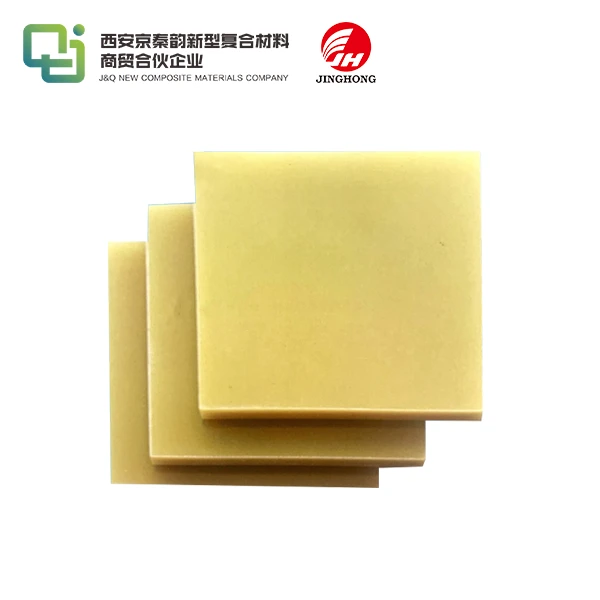
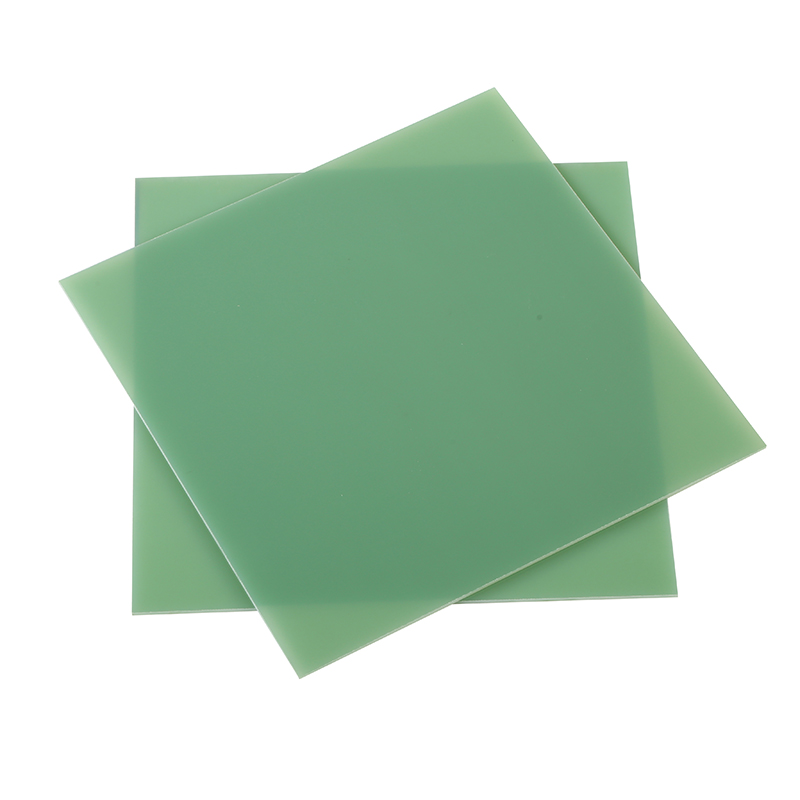
Yes, we do have special low-temperature insulation materials made for industrial uses that are very strict. Our G10 fiberglass sheet products work great in very cold places. Standard grades can withstand temperatures as low as -50°C, and custom versions can be made to work in temperatures as low as -200°C. When it comes to cryogenic systems, refrigeration equipment, and aerospace uses where traditional insulation materials don't work consistently, these composite materials are the best when it comes to thermal stability, electrical insulation, and mechanical strength.
Understanding G10 Fiberglass Sheets: Properties and Applications
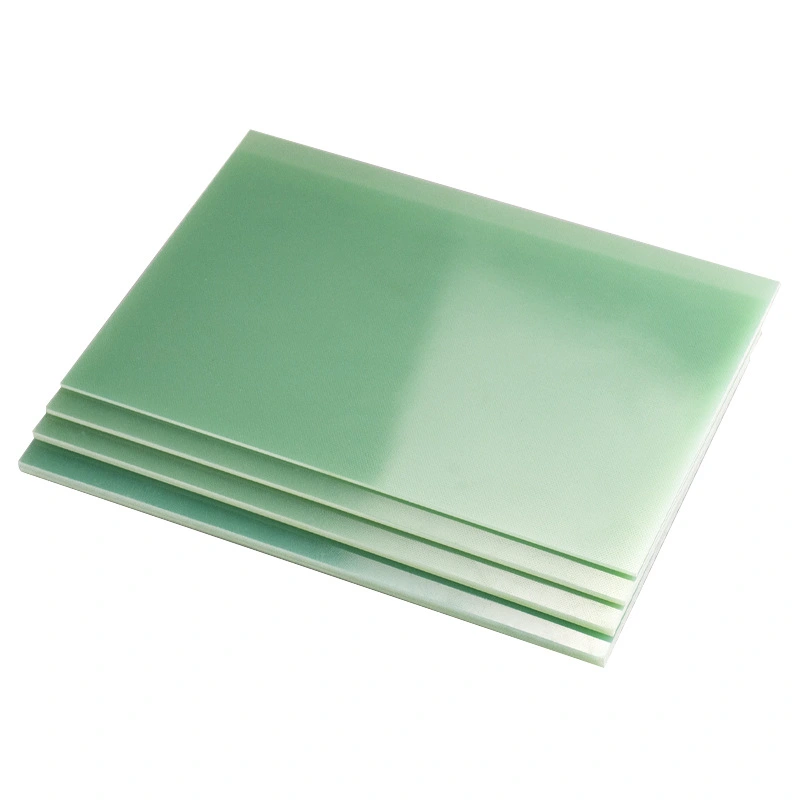
G10 fiberglass sheet is the best composite insulation material ever made from an engineering point of view. These sheets are made of woven fiberglass cloth that has been saturated with high-quality epoxy resin. Precise heat and pressure are used to create a laminated structure. The process of making the sheets makes sure that all of them have the same density and performance.
Core Material Properties
The unique molecular structure of G10 fiberglass materials gives them their useful properties. When epoxy and glass are mixed, they make dielectric strength that is usually higher than 15 kV/mm. This makes these materials perfect for insulating power systems. Its mechanical properties include a flexural strength of up to 415 MPa and great dimensional stability when the temperature changes.
G10 is different from other insulation materials because it works better at low temperatures. Standard grades stay structurally sound up to -50°C, but specially made versions can handle cryogenic temperatures close to -200°C without breaking or becoming brittle. Because it is so resistant to heat, G10 is essential for systems that use liquid nitrogen, for use in space, and in industrial refrigeration equipment.
Industrial Applications Across Sectors
Electronics companies rely on G10 sheets for PCB substrates and as insulation in switchgear where temperatures change often. The material doesn't lose its performance in humid places because it absorbs less than 0.1% of moisture. Transformer barriers, arc chutes, and bushing supports are all uses in the power sector where flame resistance meets UL94 V-0 standards.
G10's strength-to-weight ratios are very high, making it ideal for use in aerospace applications. These materials are used to make cryogenic fuel system parts, satellite thermal barriers, and ground support equipment that can work reliably in harsh conditions.
Comparing G10 Fiberglass Sheets with Alternative Insulation Materials
A thorough understanding of the performance characteristics of the different insulation options is needed to choose the right material. When used in low-temperature situations, G10 fiberglass composites are clearly better than other options.
Performance Comparison with FR4 Materials
FR4 materials can be used for most electrical tasks, but they don't work well in places with very high or low temperatures. At low temperatures, G10 keeps its better mechanical properties. For example, its impact strength stays the same, while FR4 breaks down below -40°C. The temperature at which G10 turns into glass is lower, which means that it can be used in a wider range of demanding situations.
Because it is dielectric, G10 works best in high-voltage situations. Both materials are very good at keeping electricity from moving, but G10 is better at tracking resistance and keeps its dielectric strength over a wider temperature range. This performance advantage means that power distribution and electrical equipment will be more reliable.
Cost-Effectiveness Analysis
The total cost of ownership, not the initial purchase price, is often used by procurement professionals to judge materials. It is common for G10 fiberglass sheet materials to be more expensive than standard phenolic or paper-based laminates, but they last longer and need less maintenance.
The advantage of durability becomes clear in harsh working conditions where the cost of replacing materials is higher than the initial savings on materials. Chemical resistance properties keep things from breaking down when they come in contact with industrial solvents, oils, and cleaning products that are common in manufacturing settings.
Strategic Procurement of G10 Fiberglass Sheets for B2B Clients
For procurement strategies to work, suppliers' skills, quality systems, and logistical support must be carefully looked at. When industrial buyers look for materials, they have to balance the specifics they need with the time they need them delivered and the cost.
Supplier Evaluation Criteria
Quality certifications are important proof that the way something is made is consistent. UL recognition verifies electrical performance characteristics, and ISO 9001 certification makes sure that quality management is done in a systematic way. Adhering to NEMA standards makes sure that the mechanical and electrical properties of the material meet the standards set by the industry.
Things to think about when figuring out manufacturing capacity are the ability to make custom sizes, the tolerances for thickness, and the surface finish options. Leading suppliers keep standard sizes in stock and also offer custom cutting services for customers with specific size needs. Lead times for standard grades are usually available right away, while lead times for custom specifications can take up to several weeks.
Bulk Order Considerations
When you buy in bulk, you can save money and make sure that the material's properties stay the same from one production run to the next. Different suppliers have different minimum order quantities. Standard sheets can be bought in smaller amounts, while custom grades need bigger commitments.
When there are a lot of applications, quality consistency is very important. Batch certification documents make it possible to track down the properties of materials, making sure they meet the needs of the application. During long warehouse periods, storage and handling procedures keep things from getting wet and breaking down mechanically.
How G10 Fiberglass Sheets Solve Low-Temperature Insulation Challenges
The usefulness of G10 fiberglass sheet materials in tough industrial settings is shown by examples from real life. Case studies from a range of industries show how performance benefits and operational improvements can be seen.
Cryogenic System Applications
Insulation materials that stay strong at -196°C are needed for liquid nitrogen storage systems. When temperatures change, traditional materials become brittle and crack, which can cause systems to fail and raise safety concerns. G10 materials keep their mechanical strength and flexibility even after being frozen and thawed many times.
When a big industrial gas company switched their cryogenic transfer systems to G10 insulation parts, their maintenance costs went down by 40%. The better performance of the materials stopped them from failing too soon and cut down on unplanned downtime.
Electrical Performance in Cold Environments
In cold places, insulation materials can shrink and crack, which makes power distribution systems more difficult to use. G10 materials keep their dielectric properties across a wide range of temperatures, which keeps electrical problems from happening and makes sure the system works well.
Electricity companies have done research that shows that after 10,000 thermal cycles between -40°C and +85°C, G10 insulation systems lose less than 5% of their dielectric strength. This stability in performance cuts down on maintenance times and raises the system's availability.
Chemical Resistance Benefits
In industrial settings, insulation materials are exposed to many chemicals that can break down regular materials. G10's epoxy matrix provides excellent resistance to hydraulic fluids, cleaning solvents, and industrial oils. This chemical stability keeps the material from swelling, cracking, and losing its performance over long periods of time.
Conclusion
G10 fiberglass sheet materials are the best way to deal with problems related to low temperatures in a wide range of industrial settings. Because they are stable at high temperatures, strong, and don't conduct electricity, these materials are essential for use in cryogenic systems, electrical equipment, and spacecraft. G10 materials work reliably in cold places where other insulation materials don't, with standard grades working to -50°C and custom versions reaching -200°C. The chemical resistance and dimensional stability of the material make it work well for a long time, with less maintenance needed and a lower total cost of ownership for tough industrial uses.
FAQ
What temperature ranges can G10 fiberglass sheets withstand?
Standard grades of G10 keep their mechanical and electrical properties up to -50°C, while specially designed grades can work reliably at temperatures as low as -200°C. These materials also work well at high temperatures up to 140°C, so they can be used in a wide range of thermal environments.
How does G10 compare to FR4 in low-temperature applications?
When it comes to low temperatures, G10 works better than FR4 materials. FR4 becomes brittle below -40°C, but G10 stays flexible and resistant to impact over a wide temperature range. Because of the differences in glass transition temperatures, G10 is the best material for cryogenic and very cold uses.
What certifications should I look for when purchasing G10 materials?
Look for NEMA G-10 compliance, UL recognition for electrical applications, and ISO 9001 certification from the company that made the product. These certifications make sure that the properties of the materials meet industry standards and that the quality of the manufacturing processes stays the same. RoHS compliance is necessary for many electronic uses.
Partner with J&Q for Premium G10 Fiberglass Sheet Solutions
J&Q has been making things for more than 20 years and trading with other countries for 10 years. They can help you with your low-temperature insulation needs with great G10 fiberglass sheet solutions. Our large network of suppliers and in-house logistics make the whole procurement process smooth, from the specification stage to delivery. To make sure that the performance characteristics are right for a given application, engineering teams can ask for technical datasheets and samples of the material. Get in touch with our experts at info@jhd-material.com to talk about custom sizes, bulk pricing, and delivery times that are perfect for your project.
References
National Electrical Manufacturers Association. "Industrial Laminating Thermosetting Products - NEMA LI 1-1998." Standards Publication for G-10 Glass-Epoxy Specifications.
American Society for Testing and Materials. "Standard Test Methods for Electrical Insulating Materials Under Cryogenic Conditions." ASTM D2775-18 Testing Protocols.
Institute of Electrical and Electronics Engineers. "Guide for Application of Insulation Systems for Low-Temperature Environments." IEEE Standard 1553-2002.
International Electrotechnical Commission. "Specifications for Industrial Rigid Laminated Sheets Based on Thermosetting Resins for Electrical Purposes." IEC 60893-3-1:2003.
Society of Plastics Engineers. "Composite Materials Performance in Extreme Temperature Applications." SPE Technical Papers Volume 45, Cryogenic Applications Study.
Materials Research Society. "Thermal and Mechanical Properties of Glass-Epoxy Composites at Low Temperatures." MRS Symposium Proceedings on Advanced Materials for Extreme Environments.

 拷贝.webp)