Which Material Is Suitable for Electrical Cabinets?
2026-04-02 16:49:41
When engineers and procurement workers choose materials for electrical cabinets, they need to make sure that safety, durability, and following the rules are the top priorities. There are many choices, but 3240 epoxy sheet is the best because it is better at insulating electricity, being strong, and staying stable at high temperatures. The glass cloth reinforcement in this composite material, which is made of epoxy resin, gives it a dielectric breakdown strength of more than 20 kV/mm and meets UL94 V-0 flame retardancy standards, which makes it perfect for tough electrical uses.
Understanding the Requirements for Electrical Cabinet Materials
Electrical cabinet materials work in tough conditions where they have to meet many performance requirements at the same time. When procurement teams know these requirements, they can make choices that balance technical efficiency with cost-effectiveness.
Critical Performance Standards
Things that are used to make current electrical cabinets need to be very good at a few important things. No matter what the voltage is, it's still very important to have good shielding. The materials used have to stop the flow of electricity and keep the system together. Cabs are mechanically strong, which means they will last as long as they are used, even if they are hit by things in their surroundings, vibrations, or physical stress.
Electricity systems need to be thermally steady even more because they make heat when they work. Things should always work the same way, and they should be able to let enough heatout. Things don't break down when they come in contact with oils, solvents, and cleaning products used in plants.
Regulatory Compliance and Safety Standards
Things that follow global rules like IEC 60893, UL recognition, and RoHS directives are safe and will be sold in shops. It's safe to use and will work well for coders and end users because of these marks.
There are some basic electrical qualities that are looked at, but there are also safety factors like flame resistance, fuel toxicity, and long-term stability under operational stress. The way things work must stay the same for as long as they're supposed to in order to meet new government standards.
In-Depth Analysis of 3240 Epoxy Sheet for Electrical Cabinets
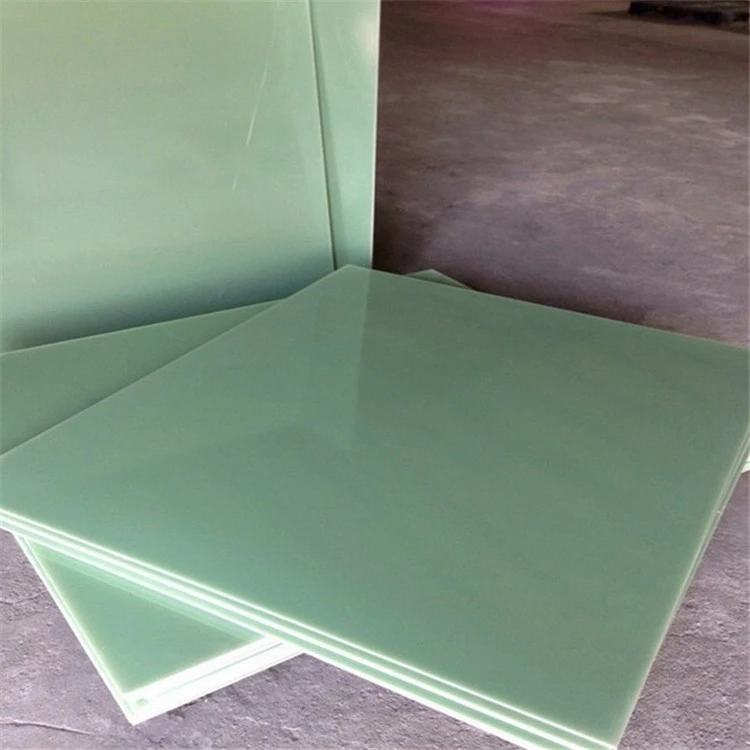
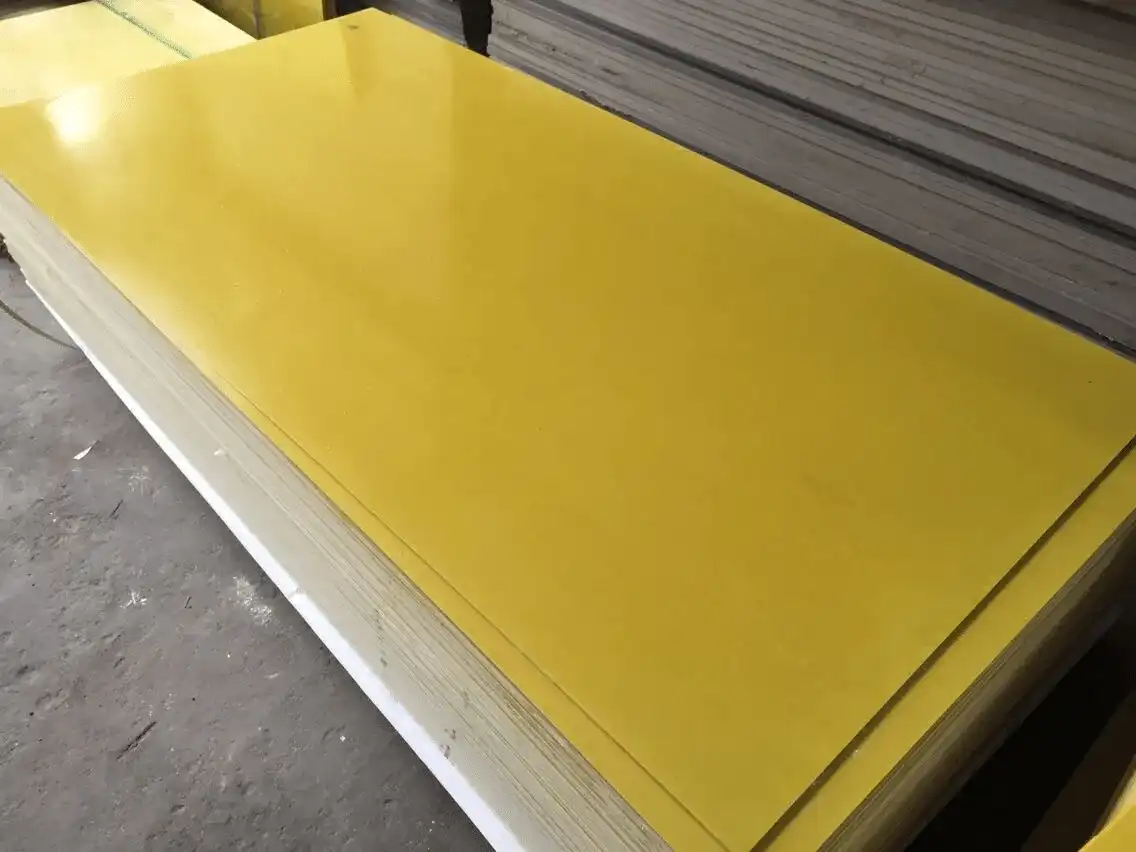
3240 epoxy sheet represents a sophisticated engineering solution combining woven glass fabric with advanced epoxy resin systems. This thermosetting composite undergoes precise manufacturing processes involving controlled temperature and pressure cycles to achieve optimal material properties.
Composition and Manufacturing Excellence
Waxed glass cloth that doesn't have any alkalis in it and is filled with epoxy phenolic resin is what they use. A lot of heat and pressure are used to make it. This way makes sure that all of the resin gets into the fibers and holds them together well. What this means is that the material is electrically and mechanically the same all the way through.
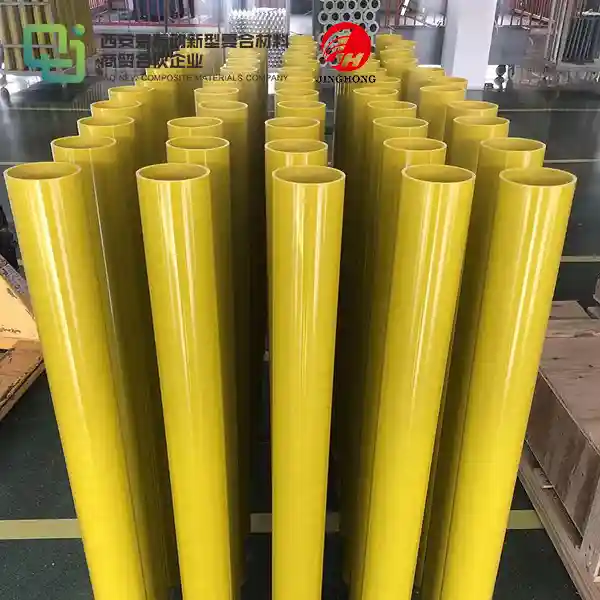
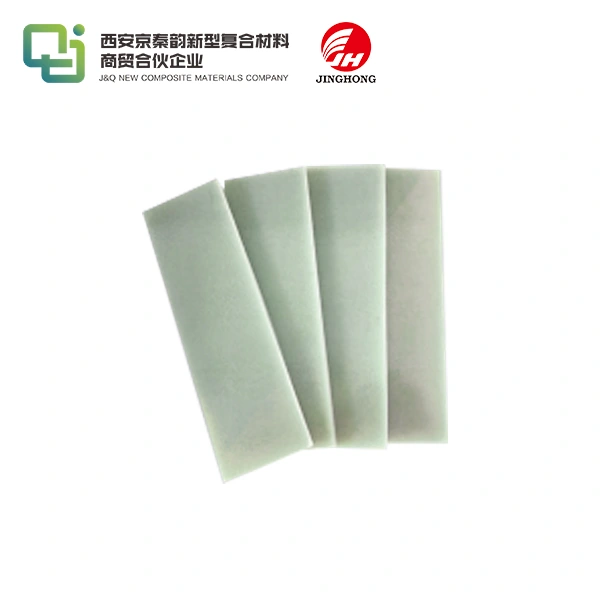
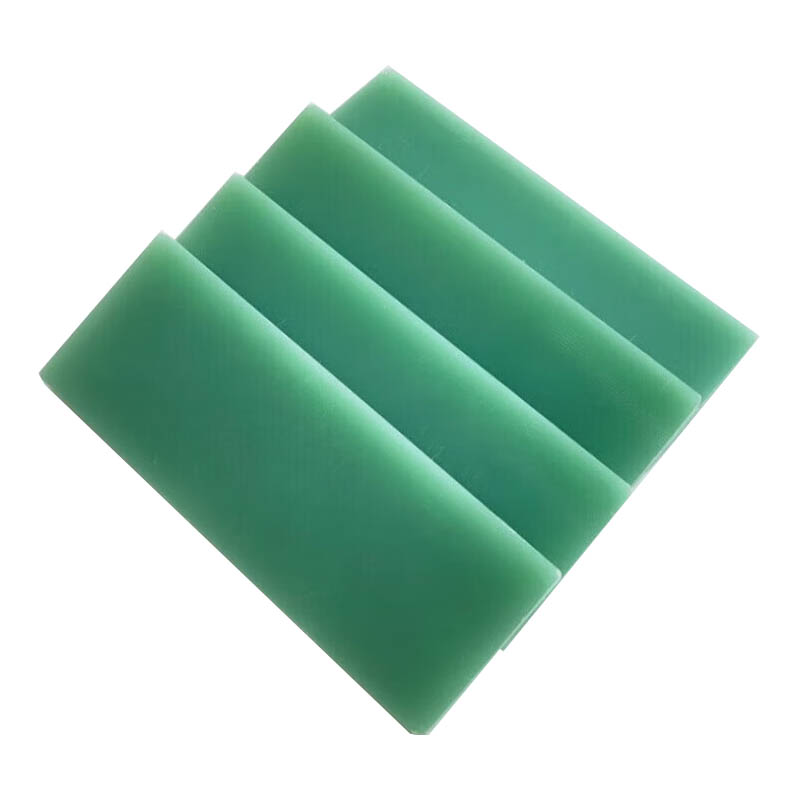
The thickness of the material can be anywhere from 0.5 mm to 150 mm, so it can be used for a lot of different design tasks. The quality is the same in every way. Some are yellow, some are red, some are green, and some are black. This lets you see different parts of the cabinet or voltage levels.
Superior Technical Performance
This stuff is one of the best electrical insulators you can buy because it breaks down at more than 20 kV/mm. Electricity works the same even if the environment and speed of operation change because it has a high volume resistivity and a low dielectric constant.
It can handle being hit, has a high flexural strength, and stays the same size even after being heated and cooled many times. The stuff doesn't change shape at temperatures up to 155°C. Also, it doesn't soak up water quickly, so it can be used in damp places.
Comparing 3240 Epoxy Sheet with Alternative Materials
Understanding how 3240 epoxy sheet compares with alternative materials helps procurement professionals evaluate options based on specific application requirements and budget constraints.
Performance Against FR4 Fiberglass
While FR4 offers good electrical properties and widespread availability, epoxy sheets provide superior mechanical strength and temperature resistance. FR4 typically operates effectively up to 130°C, whereas epoxy variants maintain performance at higher temperatures, making them suitable for demanding industrial applications.
Cost considerations often favor FR4 for standard applications, but the enhanced durability and extended service life of epoxy materials can provide superior long-term value in critical applications where reliability is paramount.
Advantages Over Phenolic Materials
Phenolic sheets are great because they are cheap and won't catch fire. But epoxy alternatives are better when it comes to strength and resistance to water. Chemicals don't hurt epoxy materials and they stay in shape well. It is very important to do this in places where oils or cleaning products are used.
The processing characteristics of epoxy sheets also enable more precise machining and fabrication, supporting complex cabinet designs with tight tolerance requirements.
Considerations Against Bakelite Options
In the past, bakelite was a cheap and effective way to stop electricity from moving. However, epoxy composites made today are stronger and can handle higher temperatures better. It's important to pick the right epoxy material for tasks that need to be strong against impacts or high temperatures.
When things are made automatically, the cost may go down, even if the materials cost more. This is because epoxy sheets are easier to work with.
Procurement Considerations for 3240 Epoxy Sheet
Successful procurement of high-performance insulation materials requires understanding market dynamics, supplier capabilities, and total cost of ownership factors that impact project success.
Supplier Selection and Qualification
To find good suppliers, you should look at how well they can make things, how they make sure the quality is good, and how they help you with hardware issues. If you buy from a well-known company with ISO and UL certifications, you can be sure that the rules will be followed and the materials will be the same.
When you've worked with the same suppliers for a long time and trust them, you can come up with custom solutions and make sure that your production needs are always met by reliable supply chains. How close a supplier is and how good they are at logistics can make a big difference in an emergency when you need gear quickly.
Cost Structure and Budgeting
A material's price usually depends on how thick it is, how much you need, and how you want it to be changed. For big projects, there are discounts for buying in bulk. You can get a good idea of how much programs that make electrical cabinets will cost and plan your budget around that if you know how these pricing models work.
Plan ahead to keep the project on track, since lead times depend on how busy the supplier is and what the materials need to be made of. If the sizes or properties aren't standard, it might take longer to deliver. The project schedule should include this.
Quality Assurance and Testing
Before they are used in production, things are tested a lot to make sure they meet certain standards. You can be sure that the measurements are correct and that the dielectric strength and thermal properties are met by standard tests.
You should let your suppliers know what kinds of paperwork they need to keep track of things and let you know if they're following the rules. Here's what you need to make sure you have the right quality records and material certifications for the government and your clients.
Best Practices for Using 3240 Epoxy Sheet in Electrical Cabinet Manufacturing
Maximizing the performance benefits of 3240 epoxy sheet requires adherence to proven fabrication, installation, and maintenance practices that preserve material integrity throughout the manufacturing and operational lifecycle.
Fabrication and Machining Guidelines
If you know how to use a machine right, you can make cuts that are smooth and the right size. To make things even safer, they will keep the surface from peeling or getting damaged in any way that could affect the power. The material won't get too hot and change how it works if you cut it at the right speed and with sharp tools.
When drilling holes for hardware, certain steps must be taken to keep the hole sides smooth and the fibers from coming out. These days, diamond-tipped tools are the best because they last longer and make the finish better.
Installation and Assembly Protocols
Things don't break before they should when you carefully put them together. If you torque screws correctly, they will hold things together well without putting too much stress on the material's structure.
One thing that changes the size and how it is handled is the weather and humidity when it is being installed. There may be problems getting things together when the temperature changes. You can avoid these by letting the materials get used to the conditions of the installation.
Maintenance and Longevity
It is possible to find problems with the system before they affect how well it works by checking it often. The cabinet will last longer, so it will be less likely to break down during use. On the outside, look for damage, staining, or changes in size or shape to spot early signs of getting older or being stressed by the environment.
Rubbish or strong chemicals should not be used to clean because they could damage the surface or make the electricity not work as well. If you clean a cabinet with the right things, it will stay looking good and the wood will stay safe over time.
Conclusion
Selecting appropriate materials for electrical cabinets requires balancing multiple performance requirements with practical considerations including cost, availability, and manufacturing compatibility. 3240 epoxy sheet emerges as an outstanding choice for demanding applications requiring superior electrical insulation, mechanical strength, and thermal stability. Its exceptional dielectric properties, flame resistance meeting UL94 V-0 standards, and temperature resistance up to 155°C provide reliable performance in challenging industrial environments. The material's excellent machinability and dimensional stability support efficient manufacturing processes while ensuring long-term operational reliability that justifies the investment in premium insulation materials.
FAQ
What makes 3240 epoxy sheet suitable for electrical cabinet applications?
The material combines exceptional electrical insulation properties with mechanical strength and thermal stability. Its dielectric breakdown strength exceeding 20 kV/mm, flame retardancy meeting UL94 V-0 standards, and temperature resistance up to 155°C make it ideal for demanding electrical applications requiring reliable long-term performance.
How does 3240 epoxy sheet compare to FR4 materials?
While both materials offer good electrical properties, epoxy sheets provide superior mechanical strength and higher temperature resistance. FR4 typically operates effectively up to 130°C, whereas epoxy variants maintain performance at elevated temperatures, making them more suitable for high-stress industrial applications.
What thickness options are available for electrical cabinet design?
The material is available in thicknesses ranging from 0.5mm to 150mm, accommodating diverse design requirements. Standard thicknesses from 0.5mm to 50mm are readily available, while specialized applications can utilize thicker variants up to 150mm for enhanced mechanical properties.
Can the material be customized for specific cabinet requirements?
Yes, customization options include various thicknesses, sizes, and color choices to meet specific application needs. Multiple color options including yellow, red, green, and black provide visual identification capabilities for different cabinet sections or voltage levels while maintaining consistent electrical and mechanical properties.
Partner with J&Q for Premium 3240 Epoxy Sheet Solutions
J&Q brings over 20 years of manufacturing excellence and 10+ years of international trading experience to deliver superior insulation solutions for your electrical cabinet projects. As a trusted 3240 epoxy sheet supplier, we provide comprehensive material expertise, competitive pricing, and reliable delivery through our integrated logistics network. Our experienced technical team supports your procurement decisions with detailed specifications, custom sizing options, and quality assurance that meets the most demanding industry standards. Contact our specialists at info@jhd-material.com to discuss your specific requirements and discover how our premium materials enhance your electrical cabinet performance and reliability.
References
International Electrotechnical Commission. "IEC 60893-3-2: Specifications for industrial rigid laminated sheets based on thermosetting resins for electrical purposes." Geneva: IEC Publications, 2022.
Underwriters Laboratories. "UL 94: Standard for Safety of Flammability of Plastic Materials for Parts in Devices and Appliances." Northbrook: UL Standards, 2021.
American Society for Testing and Materials. "ASTM D229-20: Standard Test Methods for Rigid Sheet and Plate Materials Used for Electrical Insulation." West Conshohocken: ASTM International, 2020.
Institute of Electrical and Electronics Engineers. "IEEE 930-2004: IEEE Guide for the Statistical Analysis of Electrical Insulation Breakdown Data." New York: IEEE Press, 2019.
National Electrical Manufacturers Association. "NEMA LI 1-1998: Industrial Laminated Thermosetting Products." Rosslyn: NEMA Publications, 2018.
British Standards Institution. "BS EN 60893-2:2016: Specifications for industrial rigid laminated sheets based on thermosetting resins for electrical purposes." London: BSI Standards, 2017.