Epoxy Glass Cloth Laminated Tube Supports Electrical and Mechanical Systems
2026-09-09 17:29:43
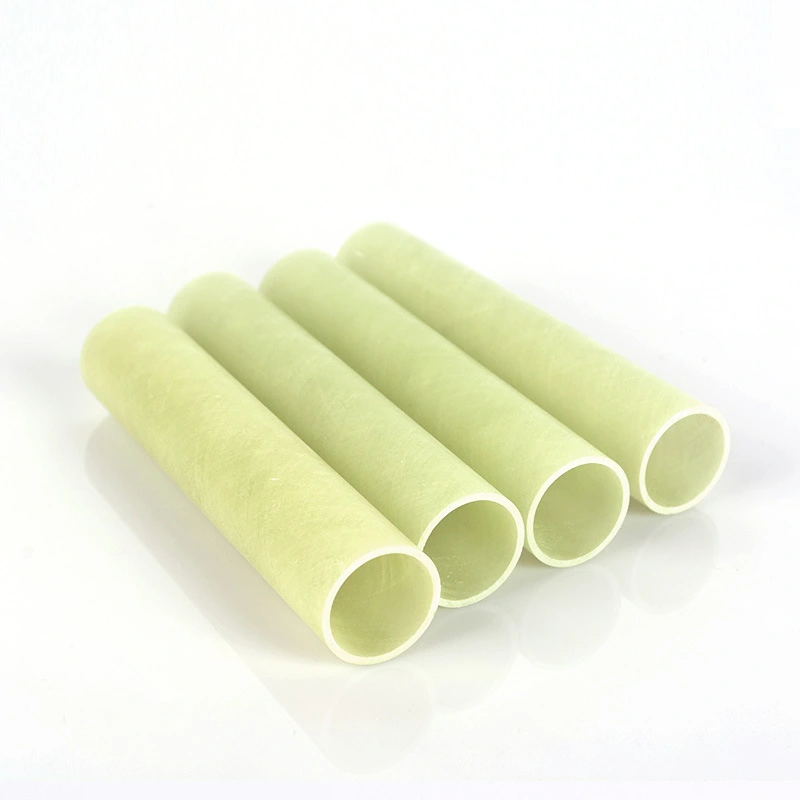
When engineers and procurement managers search for reliable insulation materials, the epoxy glass cloth laminated tube consistently rises to the top of the list. This cylindrical composite — built from alkali-free woven glass cloth impregnated with epoxy resin, then hot-rolled and cured — delivers a rare combination of dielectric strength, mechanical rigidity, and chemical resistance. Whether you're specifying components for high-voltage switchgear, transformer assemblies, or motor housings, understanding what this material truly offers can sharpen your sourcing decisions and reduce costly specification errors.
Understanding Epoxy Glass Cloth Laminated Tubes and Their Key Properties
How Are These Tubes Made?
To begin the making process, alkali-free glass cloth is soaked in epoxy phenolic resin. The wet cloth is then wound onto a mandrel in parallel layers. It is then heated and pressed together, and the layers are cured until they stick together permanently. When the tube is finished, it is ground and machined to very tight specs for size, usually with a diameter error of well within ±0.2 mm. This carefully planned process of making something gives it the same amount of strength in both the radial and circular directions.
Core Material Specifications
This is the most common grade used in industrial procurement in North America. It is NEMA G-10/FR-4. This insulation is B class, which means it can withstand temperatures of up to 130°C continuously. The G-11 grade makes it safe up to 155°C to 180°C. Standard sizes include popular cross-sections like 14 mm × 18 mm and 18 mm × 22 mm. If you need a different size, just let us know. Products that are UL (E310670), RoHS, and REACH certified give procurement teams proof that they are following the rules for compliance audits.
Here are the core material properties that set Epoxy Glass Cloth Laminated Tubes apart from competing laminates:
- High dielectric strength: The glass-epoxy matrix makes an insulation barrier that is thick and free of holes. This barrier doesn't break down electrically even when voltage stress is applied for a long time, which is very important for switchgear and transformer parts.
- Low water absorption: Epoxy Glass Cloth Laminated Tubes don't absorb much water compared to phenolic cotton-based laminates. This means that their dielectric properties stay fixed in wet or oily working conditions.
- Tight dimensional stability: When the epoxy matrix cures, it doesn't creep or warp when it's loaded, so it can be used for precision-machined spacers and structural support columns where deviation from the tolerance is not acceptable.
- Chemical resistance: The material can handle weak acids, alkalis, and mineral transformer oil without delaminating. It also passes the usual Acetone Extraction test to show that it is fully cured.
Because of these features, Epoxy Glass Cloth Laminated Tubes are a reliable choice for many tough tasks. You can't say enough good things about how this reliability boosts the confidence of tech teams when system downtime costs real money.
Applications of Epoxy Glass Cloth Laminated Tubes in Electrical and Mechanical Systems
Electrical Industry Uses
These tubes work as arc-suppressing chambers and insulating operating rods in high-voltage switchgear, such as SF6 and vacuum circuit breakers. They take in the explosive arc pressure and keep the electricity from flowing through them. In big power transformers, they act as insulator shafts for changing taps and support beams for the structure. They have to stay in hot dielectric oil for decades without getting dirty.
Industrial and Automotive Sectors
OEMs of machinery use Epoxy Glass Cloth Laminated Tubes as wear-resistant bushings and mechanical spacers in places where phenolic parts would break under heavy compression. Automotive tier-1 suppliers are using G-10/FR-4 tubes more and more in battery pack barrier systems and heat-resistant fixture parts because they are reliable in terms of their sizes from batch to batch when CNC cutting.
Specialized High-Performance Sectors
Equipment used in cryogenics and science is a very demanding application. G-10 grade tubes stay flexible and non-magnetic at temperatures close to absolute zero in superconducting magnets and LNG system parts. Their low thermal conductivity stops thermal bridging, which is an important design goal that can't be met by any metal tube. Besides renewable energy systems, aerospace structures and custom-wound Epoxy Glass Cloth Laminated Tube sections are also used in situations where weight, strength, and electrical isolation all need to be met in a single part.
Comparing Epoxy Glass Cloth Laminated Tubes with Alternative Materials
Teams in charge of buying things often compare Epoxy Glass Cloth Laminated Tubes to options made of PVC, polyester, metal, phenolic cotton, and carbon fiber. It's important to know the pros and cons of each medium before making a long-term decision.
PVC tubes are cheap, but they break at temperatures above 60°C to 70°C and don't hold much mechanical load, so they can't be used in most power or industrial settings. Metal conduit makes structures stronger, but it also conducts electricity, which can be dangerous in sensitive insulation designs. Phenolic cotton tubes are cheap and easy to work with, but they soak up a lot more water, which makes them less effective as dielectrics over time.
Carbon fiber tubes are very stiff for their weight, but they can cause galvanic corrosion in mixed-metal assemblies and can't be used as electrical insulation because they conduct electricity. Epoxy Glass Cloth Laminated Tubes are stronger and more stable at high temperatures than phenolic laminates. They also don't conduct electricity like carbon fiber or metal, and they're much better at resisting heat and wetness than PVC or polyester options.
Procurement Strategies: Buying Epoxy Glass Cloth Laminated Tubes for Your Business
Evaluating Supplier Credibility
When buying a lot of Epoxy Glass Cloth Laminated Tubes, the qualifications of the seller are just as important as the product specs. Make sure that your supplier has third-party certifications that can be checked. For example, UL recognition, RoHS compliance, and REACH declarations are required to sell in the U.S. and Europe. Instead of just relying on datasheets, ask for written process control records and batch test reports.
Assess the supplier's machining capability. A lot of buying teams need finished parts instead of raw tubes. These parts need to be drilled, filed, or turned into a net shape. When a supplier has their own CNC machine, it cuts out a step in the supply chain. This shortens wait times and eliminates the differences in size that come from using extra subcontractors.
Bulk order transparency is another practical consideration. If you buy Epoxy Glass Cloth Laminated Tubes from a reputable company, they will give you clear price levels based on amount, confirmed wait times, and logistics paperwork for foreign shipments. When managing multi-SKU procurement programs, it's helpful for suppliers to have their own logistics infrastructure so they can combine shipments and lower transit risk.
Advantages and Long-Term Value of Using Epoxy Glass Cloth Laminated Tubes
There are many more financial reasons to choose Epoxy Glass Cloth Laminated Tubes besides the unit price. Durability directly lowers the frequency of maintenance: parts that keep their dimensions under thermal cycling and mechanical stress need to be replaced less often than lower-quality alternatives. This is especially important in transformer and circuit uses where planned downtime for replacing parts costs a lot of money.
The compliance profile of the material also creates value further down the line. Products that are certified to UL E310670 and meet RoHS/REACH requirements move more quickly through the customs and procurement approval processes. When engineering managers spend less time fixing safety issues, they have more time to work on design and efficiency.
If Epoxy Glass Cloth Laminated Tubes are stored properly—laying flat, in a dry room-temperature area, away from direct UV light—they can be used for an infinite amount of time. However, they should be tested again every 12 to 24 months as a matter of course. This storage durability helps buying teams that have to deal with changing production dates plan their strategic supplies.
Conclusion
Epoxy Glass Cloth Laminated Tubes are engineered composite structures with specific performance requirements for electrical insulation, mechanical load-bearing, and chemical resistance. Choosing the right grade (G-10, FR-4, or G-11), making sure the source is certified, and making sure the tube geometry fits the needs of the application are all choices that have a direct effect on the system's stability and cost over its lifetime. We've been making things for over 20 years, so we know what B2B procurement teams need: consistent quality, proof of compliance, and a supplier who can grow with your production needs.
FAQ
What is the difference between FR-4 and G-10 epoxy glass cloth tubes?
The mechanical strength of both grades is about the same. With a UL94 V-0 grade, FR-4's bromine-based flame retardant makes it the best choice for places where fire safety rules apply. G-10 does not have the flame retardant, but its mechanical properties are often slightly better. FR-4 is the standard and is used for most electrical enclosures and switches in the U.S. market.
Can these tubes be CNC machined to custom dimensions?
Yes, Epoxy Glass Cloth Laminated Tubes can be machined with high-speed CNC tools that have carbide or diamond tips. To stop delamination and keep workers safe from glass fiber particles, there needs to be enough dust extraction and cooling. Manufacturers who are trained can make pipes in any length, width, or wall thickness.
How do I verify that an epoxy tube is fully cured before use in transformer oil?
The standard method in the business is the Acetone Extraction test. Mineral transformer oil's breakdown voltage may be lowered by soluble resin parts that leak out of tubes that haven't been fully cured. Before accepting any transformer-grade application, make sure you have test results from your provider that show full cure compliance.
What temperature rating should I specify for high-heat environments?
B-class (G-10/FR-4) tubes can handle 130°C of continuous service. For power generation or motor uses that work above that temperature range, G-11 grade is the right standard because it keeps its mechanical strength up to 155°C–180°C.
Partner With J&Q — Your Trusted Epoxy Glass Cloth Laminated Tube Supplier
J&Q has been making soundproofing materials for more than 20 years and has been trading with other countries for more than 10 years. Our Epoxy Glass Cloth Laminated Tube line is certified by UL (E310670), RoHS, and REACH. It comes in custom sizes, can be ordered in bulk, and has in-house shipping support for safe delivery in the United States. Send your requirements or ask for samples to info@jhd-material.com or visit jhd-material.com. Our technical team will get back to you right away with pricing information and advice on how to use the material.
References
1. NEMA Standards Publication LI 1 — Industrial Laminated Thermosetting Products, National Electrical Manufacturers Association, 2020.
2. IEC 60893-3-2 — Specification for Industrial Rigid Laminated Sheets Based on Epoxy Resin, International Electrotechnical Commission, 2019.
3. ASTM D709 — Standard Specification for Laminated Thermosetting Materials, ASTM International, 2021.
4. Harper, C.A. — Handbook of Plastics Technologies, McGraw-Hill, 2006.
5. Brydson, J.A. — Plastics Materials, 7th Edition, Butterworth-Heinemann, 1999.
6. UL White Book — Recognized Component Directory: Electrical Insulation Systems, Underwriters Laboratories, 2023.