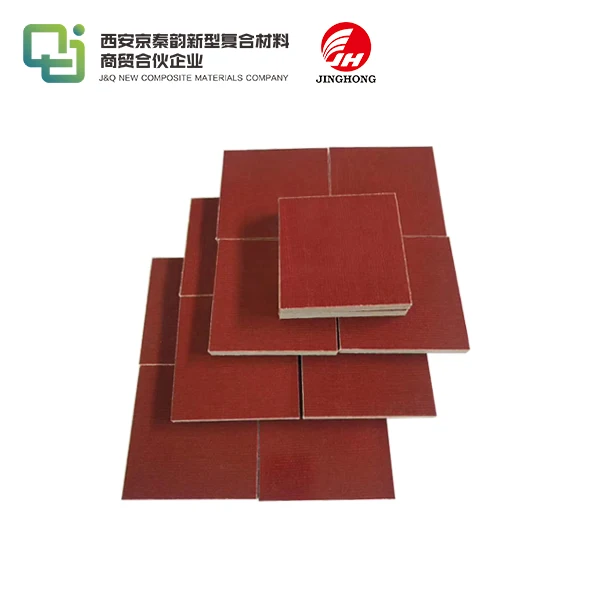
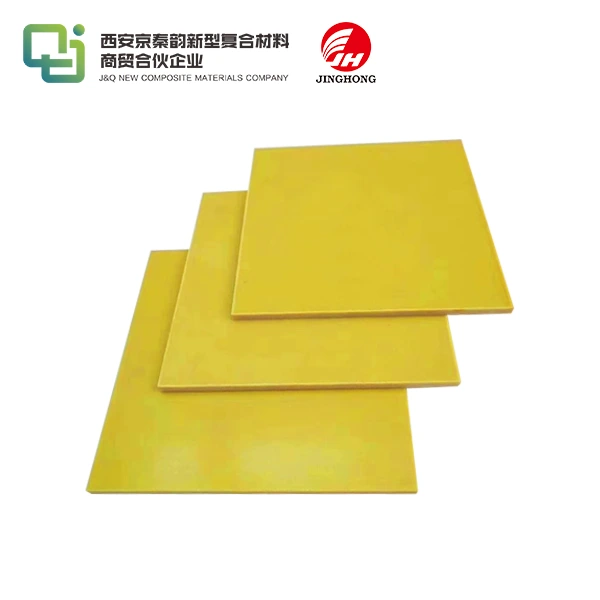
Epoxy Resin Sheet for CNC Machined Insulation Components
2026-07-22 17:19:01
When engineering managers and procurement specialists search for reliable materials to fabricate precision insulation parts, epoxy resin sheet stands out as a proven solution. Combining exceptional dielectric strength with superior machinability, these composite materials deliver consistent performance across electrical enclosures, transformer barriers, and motor housings. Our two decades of manufacturing experience have shown that the right material selection directly influences production efficiency, product longevity, and regulatory compliance—critical factors for achieving competitive advantage in today's demanding industrial landscape.
Introduction
Today, epoxy resin sheets are an important part of modern manufacturing, especially when CNC-machined insulation parts need to be both electrically sound and strong. These thermosetting laminates combine epoxy polymer frameworks with supporting fabrics, most often fibreglass, to make boards that can handle changes in temperature, chemical exposure, and load without losing their shape. This guide is for global B2B procurement workers, such as sourcing heads for appliance makers, purchasing managers at companies that supply cars, and engineering leads at companies that distribute electricity.
In this piece, we'll look at the technical aspects of epoxy laminates that make them essential for CNC uses. We show how different insulation materials compare in terms of performance, talk about how to choose based on industry standards like UL and ROHS, and give you useful cutting tips from real-life production settings. If you know about these materials, you can make better buying choices that balance quality, cost, and the stability of the supply chain, whether you are in charge of a transformer assembly line or looking for parts for battery pack insulation.
Understanding Epoxy Resin Sheets for Insulation Components
Composition and Structure
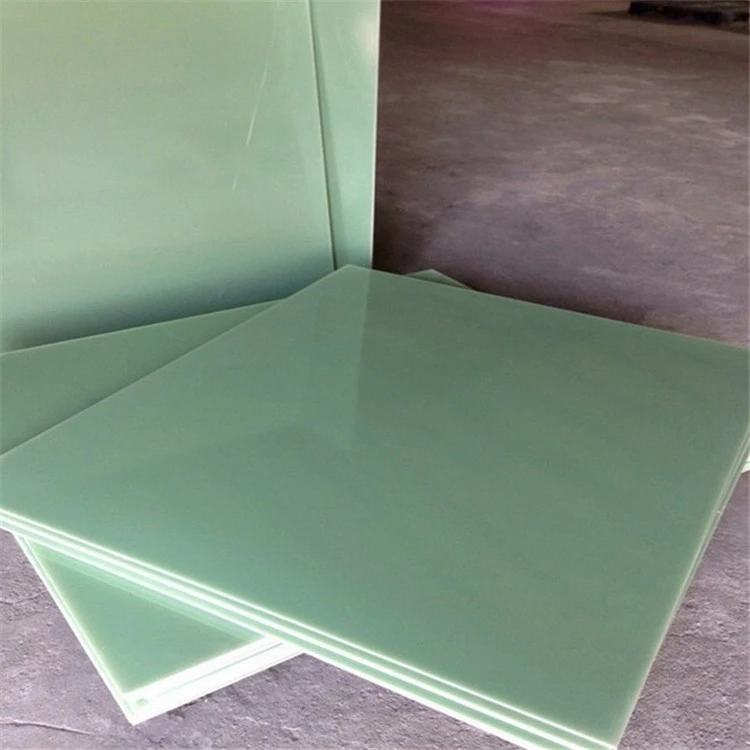
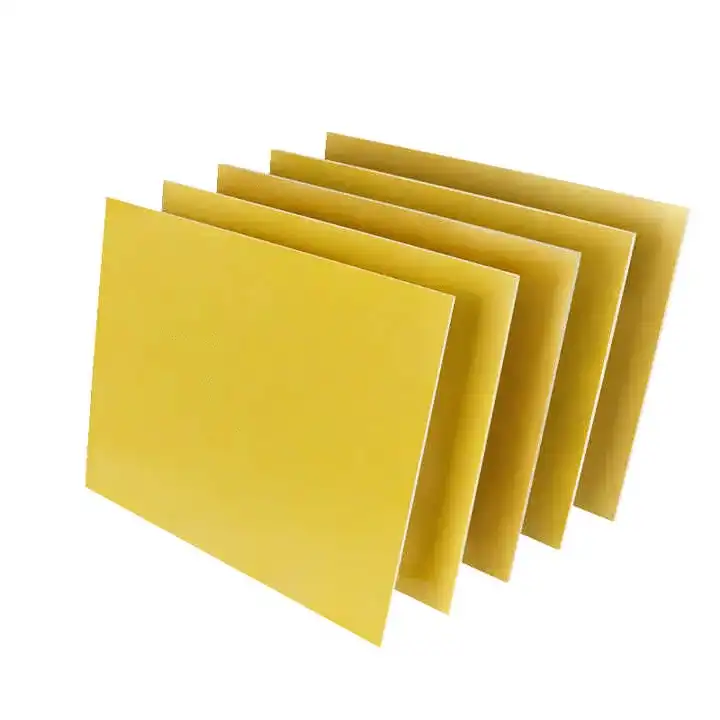
When epichlorohydrin and bisphenol-A react, a thermosetting resin called an epoxy polymer backbone is made. This is where epoxy resin sheets get their name. When this glue is mixed with knitted fibreglass cloth, it makes a laminate that hardens into a structure that won't melt. The glass cloth makes the material strong and stable in its shape, and the epoxy core protects against chemicals and keeps electricity from flowing. Some common grades are FR4, which has flame-retardant additives to meet UL94 V-0 ratings, and G10, which is a similar laminate that doesn't have any halogenated retardants.
Key Performance Characteristics
When resin and reinforcement work together, they create properties that are very important for CNC insulation applications. High-voltage switchgear and transformer systems don't have electrical breakdowns because the dielectric strength is usually higher than 20 kV/mm. Standard FR4 is thermally stable up to 130°C, while high-Tg versions can withstand temperatures of over 170°C. This means that they can be used continuously in motor housings and under hoods of cars. Moisture absorption stays below 0.1%, so even in humid factory areas, the electricity works properly. Because of these features, epoxy laminates are perfect for precisely machined parts where surface finish and dimensional tolerances have a direct effect on the quality of the assembly.
Why CNC Compatibility Matters?
Epoxy fibreglass laminates don't delaminate as much when they're machined with carbide or diamond tools as phenolic cotton boards do. The even spread of resin makes it possible for operations like drilling, milling, and routing to produce clean edges and precise hole placements. This is necessary for putting hardware in switchgear panels or making complex slot patterns in coil insulation barriers. This makes it easier to machine, which cuts down on secondary finishing steps. This saves money on labour and speeds up OEM production runs.
Comparing Epoxy Resin Sheets with Other Materials for CNC Insulation
Mechanical Strength and Durability
Epoxy laminates have better flexural strength than acrylic or polycarbonate options when machinery makers look at materials for wear-resistant gaps or structural insulation plates, and for epoxy resin sheet, independent tests confirm that FR4 epoxy boards maintain load-bearing capacity at temperatures where thermoplastics soften, providing a significant advantage for industrial gearboxes and motor mounts, while phenolic cotton sheets offer lower cost but insufficient moisture resistance for naval or outdoor electrical enclosures. Independent tests show that FR4 epoxy boards can still hold loads at temperatures where thermoplastics soften. This is a huge benefit for industrial gearboxes and motor mounts that need to handle a lot of torque. Phenolic cotton sheets are stiffer than phenolic cotton sheets but cost less. However, they don't fight water well enough for use in naval or outdoor electrical enclosures.
Electrical Insulation Performance
When voltage stress is kept up for a long time, transformer makers look for materials that stop arc tracking and surface flashover. In Comparative Tracking Index (CTI) tests, epoxy resin sheets do better than many other options because they don't allow carbon paths to form, which can cause power distribution equipment to fail catastrophically. Polyimide films can handle higher temperatures, but because they are expensive and only come in a few thicknesses, they can only be used in certain aerospace applications. Epoxy laminates are a good way to balance performance and cost-effectiveness when it comes to general-purpose shielding in switches and motor controls.
Cost-Performance Analysis
Often, procurement teams compare the starting cost of an item to its value over its entire life. Acrylic sheets are 30–40% cheaper per square metre, but because they have a lower heat deflection temperature, they need to be made with thicker cross-sections or more cooling. This makes the savings less significant because the heavier and more complicated the assembly is. Epoxy laminates work reliably at all temperatures, which lowers the number of warranty claims and problems in the field. These benefits are hard to measure, but they are important enough to support the higher prices for mission-critical parts. By negotiating annual supply agreements, buyers who buy in bulk can get competitive rates that close the price gap with commodity plastics.
How to Select the Right Epoxy Resin Sheet for CNC Machining?
Application-Specific Considerations
The first step in picking the best laminate grade is to match technical needs with the qualities of the material. According to FMVSS 302 standards, automotive battery pack shields must be flame-resistant. This means that FR4 or phenolic versions with approved test reports are the best choices. For transformer coil insulation to work continuously at 155°C, high-Tg epoxy boards are needed to keep the Z-axis from expanding during thermal cycles. Power delivery equipment that is outside can benefit from UV-stabilized plastics that keep it from turning yellow and losing strength over many years of service.
Supplier Evaluation Criteria
By checking the certifications of suppliers, you can tell the difference between well-known manufacturers and resellers who don't have quality control. Check to see if the company is registered with ISO 9001. This will make sure that the sheet width and resin content are the same from one production lot to the next. UL marks on product data sheets show that they meet electrical safety standards, and ROHS statements talk about limits on dangerous materials in electronic systems. Before placing bulk orders, it's a good idea to get test reports from a third party to make sure that the published specifications are accurate for dielectric strength, flammability, and moisture absorption.
Customization and Lead Time Management
Standard sheet sizes, like 1000x1220mm, work well for many uses, but custom sizes cut down on waste when making parts with the same shape over and over again. Suppliers with a lot of experience can split and pre-cut blanks so that they are ready to be programmed into CNC machines. This cuts down on setup time and scrap rates. Lead times depend on the grade. Standard FR4 usually ships in two weeks, but thick boards or specialised high-frequency laminates may need four to six weeks for the resin to be made and laminated. To keep production going while keeping stocking costs low, purchasing managers often split purchases between quick samples and planned container orders.
Best Practices for Using Epoxy Resin Sheets in CNC Machined Insulation Components
Material Preparation and Handling
When you store things correctly, they don't absorb water, which can hurt the quality of your work and the way your electronics work, and for epoxy resin sheet, storing wrapped sheets in climate-controlled spaces with 40–60% relative humidity and acclimating them to the shop floor for 24 hours before cutting prevents dimensional changes, while incoming inspection for surface defects like resin voids or fibre print-through prevents propagation during winding that could cause premature part failure. Keep sheets wrapped in protective film in climate-controlled spaces where the relative humidity stays between 40 and 60%. Before cutting, let the material get used to the shop floor for 24 hours. This will keep it from expanding or contracting in ways that throw off the measurements. When sheets come in, check them for surface flaws like resin gaps or fibre print-through. These flaws can spread during winding and cause parts to fail early in service.
CNC Machining Parameters
To make clean cuts without delamination, glass-reinforced laminates need special tools and feeds/speeds. When shaping complicated shapes, carbide end mills with polished flutes and 30-degree helix angles stop fibres from pulling out. When you combine spindle speeds of 15,000 to 20,000 RPM with modest feed rates of 1.5 to 2.5 m/min, chips are pushed away, which stops resin from spreading and heat from building up. When drilling, brad-point or diamond-coated bits that use pecking cycles to clear the hole of dust are better because they keep the hole diameter within the tolerances needed for threaded insert installations.
Quality Assurance and Process Control
Using checking procedures during shipping, machining, and final assembly helps find problems early on, before they cost more to fix. Check the thickness of the sheet with micrometres several times to make sure it is consistent within 0.1mm. This is important because differences in thickness affect how well laminated busbars or multilayer switchgear assemblies stack. Surface roughness meters show that the CNC finishing meets the Ra values needed for sealing gaskets or sticking things together with glue. Electrical testing with megohm meters confirms that the insulation's resistance is higher than the design limits. This stops failures in the field that could be caused by cracks or contamination that weren't seen.
Manufacturing efficiency improves when procurement teams partner with suppliers offering technical support throughout the machining learning curve. We've seen many cases where changing the geometry of the cutter or the way coolant is delivered fixed edge chipping problems that happened during the first production runs. This way of working together cuts down on the costs of trial and error and speeds up the time it takes to get new insulation component designs to market.
Procurement Insights: Buying Epoxy Resin Sheets for Your Business
Sourcing Channels and Pricing Dynamics
Epoxy laminates can be bought by businesses directly from makers who offer custom formulas or from regional dealers who stock standard grades. Distributor relationships let you get small quantities quickly, which is great for prototyping. On the other hand, direct sourcing lets you get volume discounts of more than 20% on yearly contracts. Prices change based on the cost of raw materials. For example, the prices of epoxy resin and E-glass cloth change based on the price of oil and the supply of silica sand. As a way to protect themselves against price changes, buyers agree to quarterly price reviews that are based on public commodity indices instead of set yearly rates.
Logistics and International Trade Considerations
For container shipping from makers in other countries, lead times of eight to twelve weeks door-to-door need to be planned around. Freight costs and breakage rates are affected by the type of packaging used. For example, wooden crates protect goods better than shrink-wrapped pallets, but they cost more because of their size. Importers have to figure out how to deal with tariff classifications under HTS codes 3920.61 for polycarbonate comparisons and 3916.90 for epoxy profiles. If they get it wrong, they will have to deal with delays and fines at customs. Our integrated logistics skills make these things easier by allowing us to combine packages that lower the cost of freight per unit while still allowing us to keep delivery plans open so they can meet production needs.
Building Strategic Supplier Relationships
Long-term partnerships have benefits that go beyond lowering the cost of doing business. Suppliers who know what your application needs will offer alternative materials when supply problems threaten delivery times. This keeps production going even when raw materials are in short supply. Collaborative planning based on your yearly volume estimates lets providers set aside production capacity, making sure that it is used first during times of high demand. After-sales support, such as machining troubleshooting and failure analysis, turns suppliers into extensions of your engineering team. This speeds up the process of fixing problems and making improvements all the time.
Conclusion
When choosing epoxy resin sheets for CNC-machined insulation parts, you need to carefully look at their electrical properties, mechanical performance, and the supplier's abilities. These laminates have been shown to be reliable in electrical, automotive, and industrial settings where safety rules and long-term use support spending more on high-quality materials. Understanding the changes in makeup between FR4 and G10 grades, comparing lifetime costs to other materials, and using best practices for machining give procurement pros a competitive edge by lowering the amount of scrap and improving the quality of the products they buy. Strategic partnerships with suppliers add to these benefits by giving you access to technical know-how and a flexible supply chain that can adapt to changing manufacturing needs.
FAQ
Can epoxy resin sheets withstand continuous exposure to water or chemicals?
With absorption rates below 0.1%, epoxy laminates are very good at keeping their electrical insulation properties even in damp places. Chemical resistance depends on the type of resin used. For example, normal epoxy grades don't react with mineral oils or light alkaline solutions, but more specialised types can handle strong acids or solvents. Chemical compatibility charts from manufacturers show how much of a product can be dissolved in water.
What thickness should I specify for CNC machined switchgear insulation?
Minimum thickness requirements are based on voltage ratings. For low-voltage controls below 600V, 1.6mm boards are enough, but for medium-voltage switchgear above 5kV, laminates that are 3.2mm or thicker are usually needed. Because of mechanical loads, the thickness may need to be higher to keep it from bending under the clamping forces of the busbar. Checking the IEC 61439 standards makes sure that the clearance and creepage lengths are correct.
How does high-Tg FR4 differ from standard grades in practical applications?
The standard FR4 glass shift happens around 130°C, which means that it can only be used continuously at temperatures up to 105°C. High-Tg versions with a glass transition temperature of 170°C can handle 155°C continuous duty, which is necessary for parts under the hood of cars or motor housings that are closed off and don't have forced ventilation. The higher grade keeps the material from warping when the lead-free soldering reflow patterns go above 260°C peak temperatures.
Partner with J&Q for Premium Epoxy Resin Sheet Solutions
J&Q has been making insulation materials for more than twenty years and has been trading internationally for ten years. They can help you with your CNC component production problems. As a well-known company that sells epoxy resin sheets, we have strict quality control systems that include inspecting the raw materials and checking each board's electrical performance to make sure it meets UL and ROHS standards. Our custom size services get rid of wasteful materials, and our in-house transportation network makes sure that deliveries happen on time all over North America.
We can make solutions that fit your technical needs and your budget, whether your engineering team needs sample sheets to test prototypes or your purchasing department needs annual supply agreements with volume pricing. To talk about your CNC shielding needs, email our applications engineers at info@jhd-material.com. We don't just sell materials; we also form relationships with you that make your business more efficient and your products more reliable. Get your sample kit today and see the difference in quality and service at J&Q.
References
1. Harper, Charles A. Handbook of Materials for Product Design. McGraw-Hill Professional, 2001.
2. Lubin, George. Handbook of Composites. Van Nostrand Reinhold Company, 1982.
3. Satas, Donatas. Plastics Finishing and Decoration. Van Nostrand Reinhold, 1986.
4. National Electrical Manufacturers Association. Industrial Laminating Thermosetting Products Standards. NEMA LI 1-1998.
5. Institute of Electrical and Electronics Engineers. IEEE Guide for Insulation Maintenance of Electric Machines. IEEE Std 56-2016.
6. International Electrotechnical Commission. Low-Voltage Switchgear and Controlgear Assemblies. IEC 61439 Series Standards.