G10 Sheet Performance in Extreme Temperature Applications
2026-07-22 17:19:04
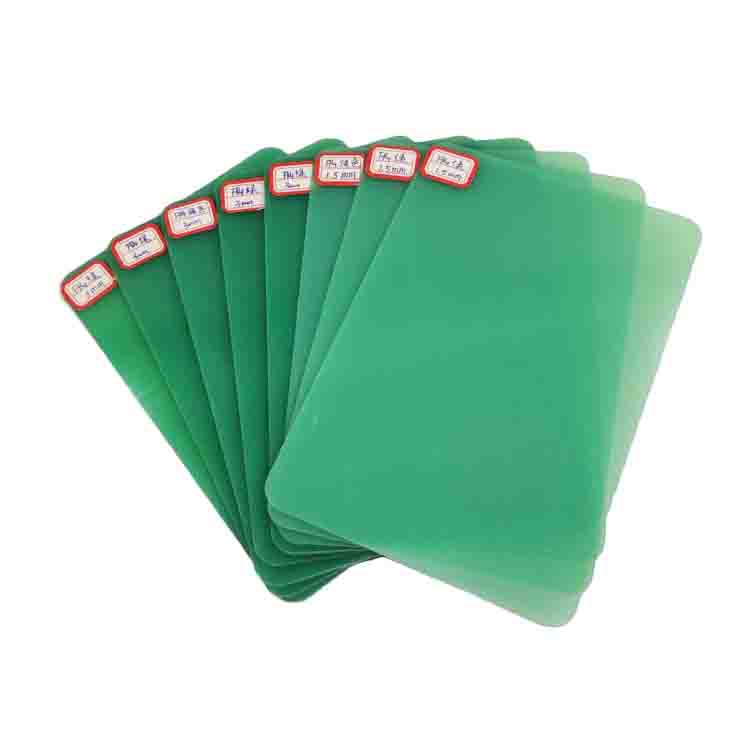
G10 sheet materials stand as one of the most reliable solutions when electrical insulation and mechanical strength must coexist under punishing thermal conditions. Composed of continuous filament glass cloth bonded with epoxy resin under high pressure, these laminates deliver exceptional thermal stability, mechanical durability, and dielectric performance across temperature ranges that challenge most conventional materials. When switchgear components must resist arc tracking in sweltering substations or when transformer barriers face both electrical stress and temperature swings, G10 epoxy laminates provide the dimensional stability and insulation integrity that prevent costly failures. Understanding how this material behaves at temperature extremes enables procurement teams to reduce downtime, extend component lifecycles, and meet stringent safety standards. This guide examines the technical attributes, real-world performance data, material comparisons, and procurement strategies essential for engineering managers, technical buyers, and supply chain specialists sourcing insulation solutions for demanding industrial environments.
Understanding G10 Sheets and Their Key Features
Composition and Manufacturing Process
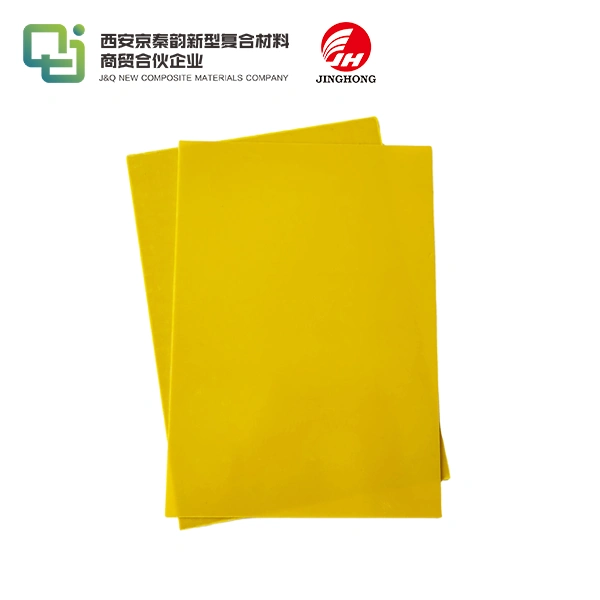
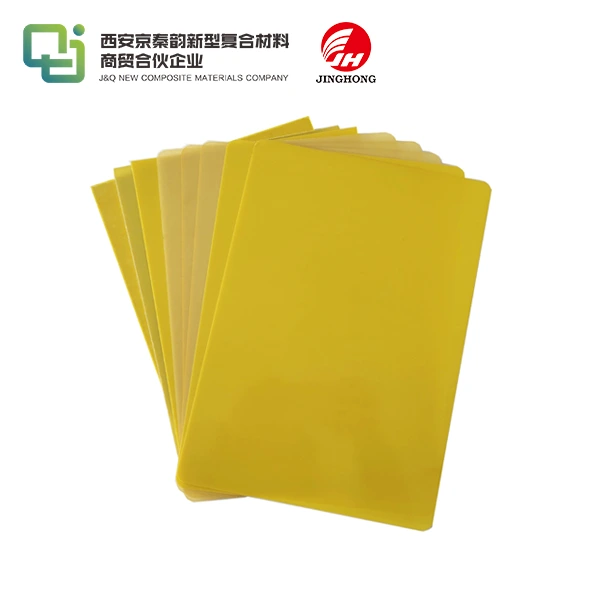
G10 sheets are made by stacking several layers of woven glass cloth on top of each other, covering each layer with epoxy resin, and then heating and pressing the whole thing until the resin hardens into a solid, single layer. This process, which is controlled by NEMA standards, makes a composite that absorbs almost no water (usually less than 0.1%). This makes sure that humidity doesn't change the accuracy of measurements or the electrical qualities. The continuous glass thread support gives the material a tensile strength of more than 40,000 psi, and the thermosetting epoxy matrix keeps the material from creeping and deforming even when mechanical loads are applied for a long time.
Core Physical and Electrical Properties
The epoxy-glass composite structure has volume resistivity values that are often higher than 10^14 ohm-cm. This means that it can be used to support high-voltage busbars and act as a phase barrier in electrical switchgear. Surface resistivity stays the same even when it's wet or condensation forms, which is a major benefit over phenolic laminates made from paper. Another defining feature is that its dimensions stay stable even when the temperature changes. This is because the coefficient of thermal expansion stays low, which keeps precision-machined parts from warping or becoming out of line. The flexural strength of the material is well liked by mechanical engineers because it can support structural loads in motor housings and transformer frames without the need for metal reinforcement.
Grades and Variants for Industrial Needs
Standard G10 sheet products work reliably up to about 130°C of continuous use. Specialised high-temperature versions extend this range to closer to 200°C for short exposures. When heat spikes happen, these types change the resin formulas to keep the mechanical integrity and delay carbonisation. As long as the thickness tolerances follow ASTM D709 guidelines, they will work with CNC machining processes. This means that buying teams can choose sheets that can go straight into automatic manufacturing lines. Knowing these differences between grades helps buyers match the properties of the material to the needs of the application without specifying too many expensive exotic composites.
Evaluating G10 Sheet Performance in Extreme Temperatures
High-Temperature Behavior and Mechanical Integrity
At high temperatures, where many thermoplastics soften or melt, G10 sheets keep working properly. According to ASTM standards, testing shows that the tensile and bending strengths stay within suitable ranges up to 130°C for long periods of time. After this point, the resin starts to break down, which makes it less strong and more likely to break. This thermal resilience helps power distribution equipment that works in deserts or sealed transformer caves because parts keep their shape and insulation effectiveness even when the temperature outside goes above 70°C. Arc resistance stays strong at high temperatures, which stops surface tracking that could cause an electrical explosion in places with high voltage.
Manufacturers of transformers have shown that G10 sheet barriers put between coil windings can withstand temperature changes from room temperature to 150°C without delaminating or losing their dielectric strength. Epoxy resin does not re-melt once it has hardened, unlike thermoplastic alternatives. This is because epoxy resin is thermosetting. When engineering managers choose G10 sheet for motor insulation or switchgear supports, they know that the parts won't bend under heat stress, which is important for keeping the gaps needed for safe electrical operation.
Cryogenic and Low-Temperature Performance
On the other end of the temperature range, G10 sheet epoxy laminates don't break down until temperatures close to -196°C, which is below the boiling point of liquid nitrogen. The glass-epoxy combination doesn't go through the usual changes from flexible to brittle that many metals and plastics do. This makes it a good choice for supporting structures in cryogenic pumps and deep-sea remotely operated vehicles. Mechanical testing at -40°C shows that the impact strength doesn't change much, which is something that car engineers look for in battery pack shields that have to be able to handle crashes in cold climates.
Maintenance Strategies for Thermal Cycling Applications
Parts that are heated and cooled many times need to be checked every so often for surface chalking or micro-cracks, especially if UV exposure happens at the same time as thermal stress. Putting on UV-resistant coatings makes outdoor systems last longer, and regular cleaning gets rid of conductive dust that could lower the surface resistance. Procurement professionals should set up maintenance plans with suppliers and make sure that replacement parts meet the original requirements for resin grade and thickness tolerance. These preventative steps protect the long-term value that makes G10 sheet products' higher material cost worth it compared to basic phenolic laminates.
Comparison of G10 Sheets with Alternative Materials in Temperature-Sensitive Applications
G10 Versus FR-4 Laminates
FR-4, a flame-resistant version of G10 sheets, has bromine added to it to meet UL94 V-0 standards for flammability. PCB boards are mostly made of FR-4 because that's what the rules say, but G10 sheet material often has a slightly higher mechanical strength because it doesn't have any flame-retardant fillers that can make resin-to-glass bonding less effective. G10 sheet may be preferred by buyers who want the best tensile performance in non-flammable situations, such as structural gaps in machines. But FR-4 is usually required for electrical equipment in buildings to meet fire safety standards. This means that the choice of material depends on the situation.
G10 Compared to Phenolic Laminates
Although paper-based phenolic sheets are cheaper to make, they absorb water ten times faster than a G10 sheet, which causes them to swell and lose their electrical strength in damp places. Power companies that put up arc barriers in outdoor substations know that phenolic's ability to absorb water makes it less reliable over time. On the other hand, G10 sheet insulation properties stay stable even when the humidity changes with the seasons. Upfront cost vs. dependability over the lifecycle is the trade-off. Engineering managers have to make this calculation while keeping budgets and failure risk in mind.
High-Performance Polymers and Ceramic Composites
Modern materials like PEEK plastics and ceramic-matrix composites can handle temperatures higher than 200°C, which makes them useful in situations where G10 sheet can't. These options are much more expensive and usually need special machine setups, so they are only cost-effective when the performance needs are high enough to warrant the investment. G10 sheet is in the middle. It is better than basic phenolics at keeping heat in and keeping out water, but it is cheaper than unusual polymers for most industrial insulation needs.
Procurement Guide for G10 Sheets in Extreme Temperature Applications
Technical Specifications and Standards Verification
To make sure that G10 sheet thickness limits and material features are always the same, procurement teams should check that the materials meet NEMA LD 3 or ASTM D709 standards. Sheets meet the minimum insulation needs for high-voltage applications, as shown by certificates showing that they were tested for dielectric strength according to ASTM D149. RoHS compliance is necessary when parts are used in products that are sent to places with strict rules about dangerous substances. Buyers can be sure that what suppliers say about performance matches what they can measure by asking for test results on water absorption (ASTM D570) and thermal longevity.
Supplier Evaluation and Quality Assurance
The authorised wholesalers keep track of the batches of raw materials, which lets quick root-cause analysis happen if problems happen during production. Ultrasonic C-scan checking from suppliers can find internal delamination in sheets before they get to CNC machines. This stops wasteful waste and production delays. Buyers should check with providers to see if they offer expert help for machining parameters. If they don't, the wrong tools can create dangerous glass dust or micro-fractures that weaken the mechanical integrity. Building long-term relationships with suppliers who understand the needs of your specific application makes it easier to make repeat purchases and requests for customisation.
Delivery Logistics and Inventory Management
Lead times for special thicknesses or big orders can be anywhere from a few weeks to a few months, based on how much the company can make and how much material is available. Purchasing professionals who are in charge of just-in-time production plans have to weigh the costs of keeping stockpiles against the chance that supplies will be cut off. Suppliers that offer fast shipping and storage close to customer facilities make logistics easier, especially for companies that make things in more than one place. By negotiating blanket purchase agreements with staggered delivery schedules, you can make sure that the flow of materials matches the demand for production, so you don't have too much working capital stuck in extra inventory.
Installation Best Practices and Common Challenges
Machining and Fabrication Techniques
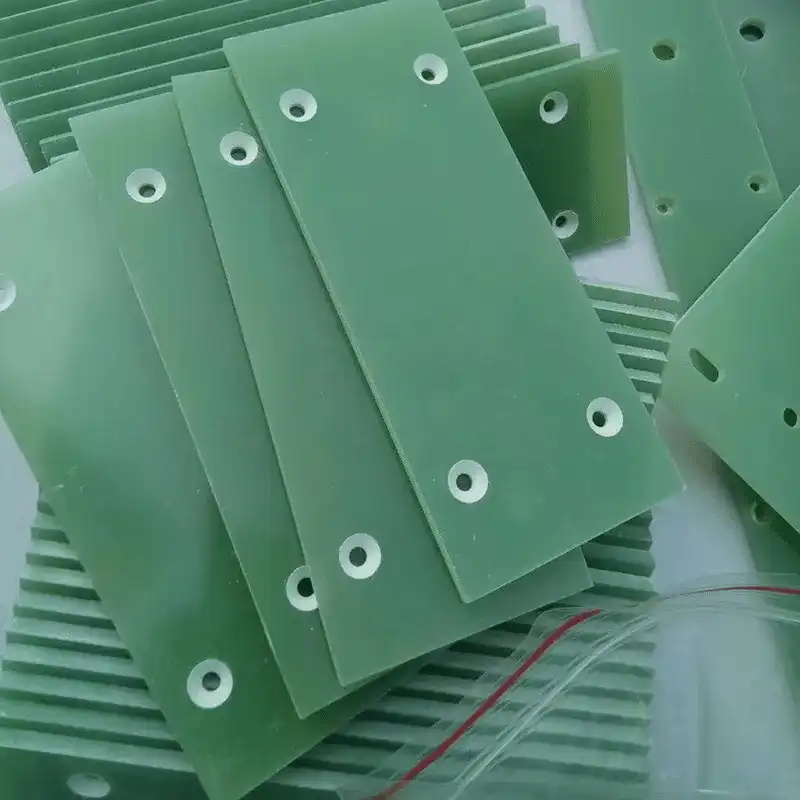
Because G10 sheets have a lot of rough glass in them, you need carbide or diamond-tipped cutting tools to get clean lines and tight tolerances. High spindle speeds and moderate feed rates lower the risk of delamination, and dust extraction systems catch glass particles in the air that can be harmful to your lungs. Peck cycles are helpful for drilling because they get rid of chips and stop heat buildup, which can soften epoxy resin and make the drill wander. Fabricators should consult guidelines to find out the best cutting settings, since the amount of resin in different batches can change how fast tools wear out and how smooth the surface finish is.
Fastening and Mounting Considerations
When mechanical screws go through G10 sheet products, they need to be carefully torque-managed so that the laminate doesn't get crushed or stress concentrations happen. Using washers spreads the binding forces over a bigger surface area, which stops cracks from forming in just one place. Adhesive bonding is an option for systems where through-holes don't allow for enough electrical clearance or mechanical strength. However, surface preparation, like abrasion or plasma treatment, makes the bond more reliable. When temperatures change, the difference in expansion between G10 sheet and metal fasteners can make joints loose. To keep the assembly together, you need spring washers or locking mechanisms.
Long-Term Performance Monitoring
As part of routine inspections, look for surface tracking patterns, edge delamination, or discolouration that could mean thermal degradation. Electrical testing makes sure that the dielectric strength stays above the minimum levels. This lets repair teams know about any possible insulation problems before they cause power outages. Cleaning dirty surfaces with isopropyl alcohol gets rid of any conductive residues that could start an arc track, which keeps safety margins high and extends service intervals. By writing down what was found during a check, you can build a performance history that can help you choose materials and plan maintenance in the future.
Conclusion
G10 sheets are very good at keeping their shape, being strong, and keeping electricity from flowing through them over a wide range of temperatures. Professionals in procurement who are looking for parts for electrical switches, power distribution equipment, industrial machinery, and cars depend on G10 sheet's proven ability to reduce the risks that come with temperature changes, moisture exposure, and high-voltage stress. G10 parts are guaranteed to last a long time by checking the quality systems of suppliers, comparing different material types to the temperature needs of each application, and following the right methods for cutting and installing them. Because it is both cost-effective and good at what it does, G10 sheet is a good material to use when temperatures are too high or too low to use normal insulation.
FAQ
What is the maximum continuous operating temperature for G10 sheets?
Standard G10 sheets can be used continuously at temperatures around 130°C, and some grades can handle short-term exposures up to 200°C. When these limits are crossed, the carbonisation of epoxy glue lowers its dielectric and mechanical qualities. For uses that need to keep temperatures above 150°C for a long time, high-temperature epoxy versions or other materials like polyimide composites should be looked into.
How does G10 compare to FR-4 in high-temperature applications?
Both G10 and FR-4 are rated for constant use near 130°C, which means they work similarly in hot conditions. The main difference is how resistant they are to flame: FR-4 has bromine added to it to meet UL94 V-0 standards, but G10 does not. Because it has fewer filler materials, G10 sheet material may have a slightly higher mechanical strength, but FR-4 is usually required by law in electrical equipment where fire safety is very important.
Can G10 sheets withstand cryogenic temperatures?
G10 sheet epoxy laminates don't break down at cold temperatures below -196°C, so they can be used in places where liquid nitrogen is present. Because it doesn't break easily at low temperatures, G10 sheet is good for structural parts in cryogenic pumps, deep-sea equipment, and cold-weather car uses where metals and plastics might break when heated suddenly.
Partner with J&Q for Reliable G10 Sheet Supply and Technical Expertise
J&Q has been making epoxy laminates and insulation materials for more than 20 years and has also been trading internationally for ten years, helping companies in the electrical, industrial machinery, power, automotive, and appliance industries around the world. Our logistics and sourcing of raw materials are all part of our vertically integrated operations, which means that we can guarantee consistent quality and quick delivery times that work with your production schedules. We know how important material dependability is for the safety of switchgear, the life of transformers, and the uptime of machines. Our engineering team works with your sourcing and design teams to find the best G10 sheet option, whether you need custom thicknesses, approved test reports, or expert advice on machining parameters. Contact our experts at info@jhd-material.com to talk about your needs for extreme temperature applications and find out how our G10 sheet products can improve the performance of your parts and the efficiency of your supply chain.
References
1. National Electrical Manufacturers Association, "Industrial Laminating Thermosetting Products," NEMA Standards Publication LD 3-2005.
2. ASTM International, "Standard Specification for Epoxy-Resin-Impregnated Glass Fabric Base for Printed Wiring Boards," ASTM D709-15.
3. Underwriters Laboratories, "Standard for Tests for Flammability of Plastic Materials for Parts in Devices and Appliances," UL 94 Fifth Edition.
4. IEEE Power and Energy Society, "Guide for Temperature Limitations and Performance Characteristics of Insulation Systems Used in High-Voltage Power Equipment," IEEE Std 1276-2020.
5. Society of Automotive Engineers, "High Temperature Insulation Materials for Automotive Electrical Components," SAE J2567-2018.
6. Institute of Electrical and Electronics Engineers, "Recommended Practice for Conducting Thermal Endurance Tests on Electrical Insulating Materials," IEEE Std 98-2002.
 拷贝_1755500211555.jpg)