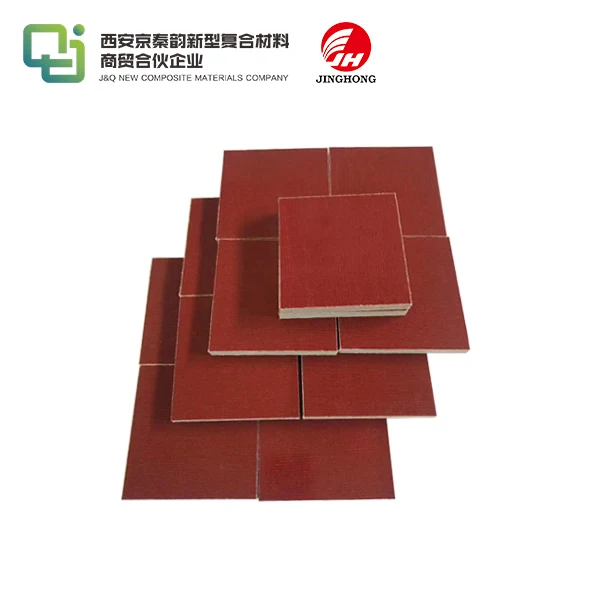
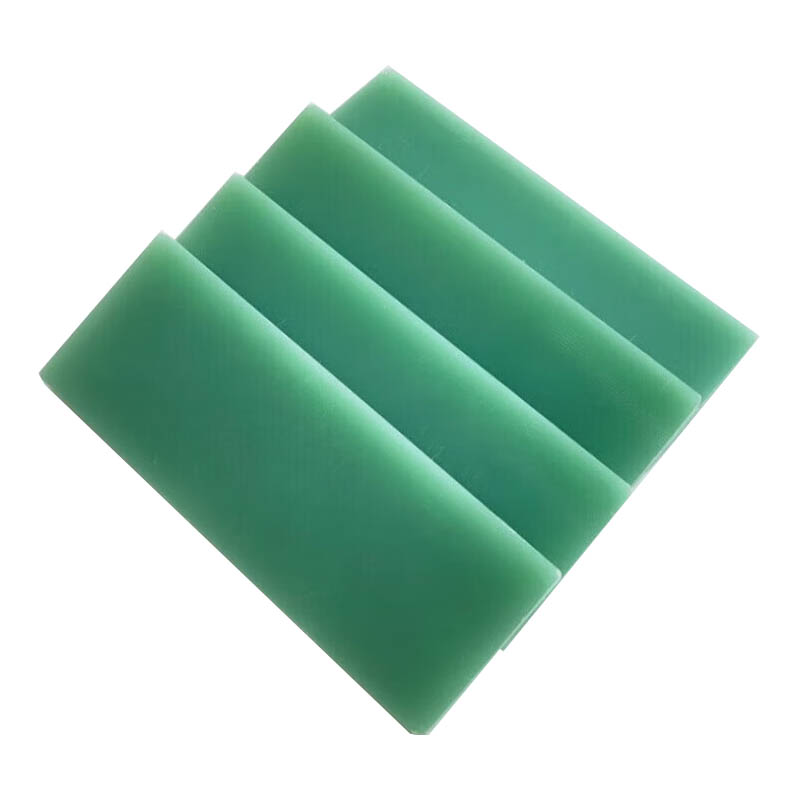
FR4 94V0 Epoxy Board Delivers Reliable Insulation for Control Panels
2026-09-14 17:23:34
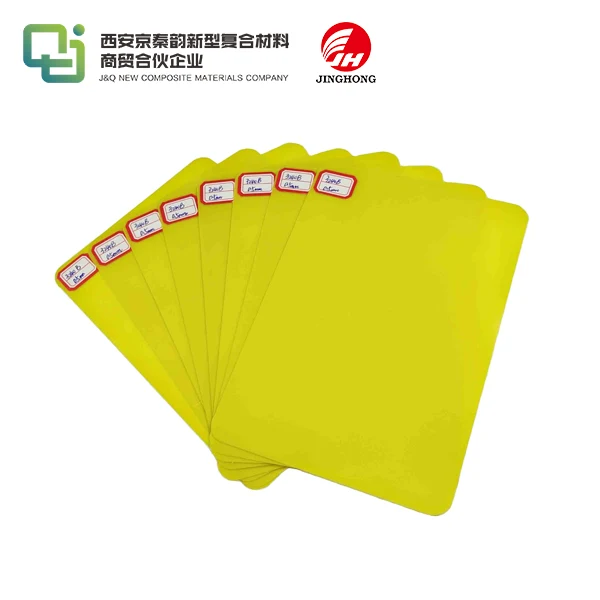
When engineers and procurement managers evaluate insulation materials for control panels, the FR4 94V0 epoxy board consistently earns top consideration. Built from woven fiberglass cloth bonded with epoxy resin, this laminate meets the UL 94V0 flame retardant classification — meaning it self-extinguishes within 10 seconds and releases no flaming drips. With a dielectric breakdown voltage exceeding 40kV and flexural strength above 400 MPa, it handles both electrical stress and mechanical load with confidence. Whether you're building industrial switchgear, motor control centers, or power distribution panels, this material delivers safety and structural integrity in one sheet.
Understanding FR4 94V0 Epoxy Board and Its Flame Retardant Properties
When it comes to fire safety, not all epoxy laminates are the same. The 94V0 designation sets a stricter vertical burn threshold under UL 94 testing protocols, which is what makes this grade different from standard FR4.
What the 94V0 Rating Actually Means?
According to the UL 94V0 classification, a test specimen must put out the flame within 10 seconds of each flame application and have no flaming particles that could set other materials on fire. This type of FR4 94V0 Epoxy Board might meet V-1 or V-2 grades, which let it burn for longer or let particles drip. That difference is important in a control panel with live wires and sensitive electronics. In many North American workplace safety codes, the 94V0 grade is required. IEC 60893 also talks about this number for insulating laminates used in electrical equipment.
Key Thermal and Electrical Parameters
The Glass Transition Temperature (Tg) of the material is between 130°C and 140°C for normal grades and above 170°C for high-Tg versions. At 1 MHz, its Dielectric Constant (Dk) is between 4.4 and 4.8, and it doesn't absorb more than 0.10% of moisture, which is very important for industrial settings that are wet. The NEMA LI 1-1998 and ASTM D standards describe these qualities, which gives procurement teams a good way to compare source datasheets.
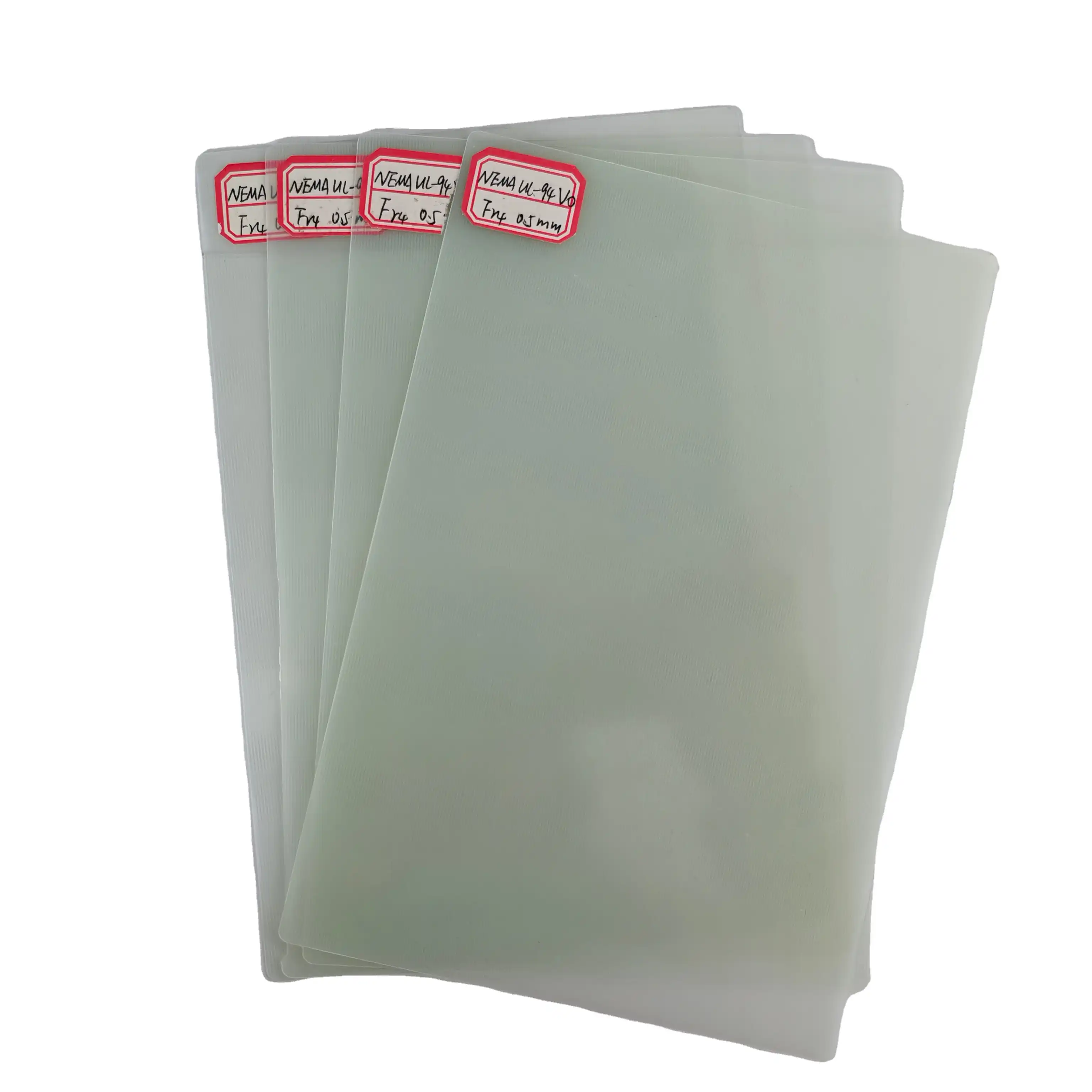
Why FR4 94V0 Epoxy Board Excels in Control Panel Applications?
Temperature changes, voltage spikes, vibration, and moisture in the air are all things that can damage less durable materials when used in control panels. Each of those problems is directly solved by the performance profile of this FR4 94V0 Epoxy Board.
Here are the core strengths that make it the preferred choice across multiple industries:
- High dielectric strength above 40kV makes it a good phase barrier and arc shield in switchgear systems. This lowers the chance that the insulation will fail during high-voltage transients.
- Flexural strength exceeding 400 MPa (lengthwise) provides structural integrity when machined into busbar supports, mounting brackets, and mechanical spacers that bear continuous load inside panel enclosures.
- Resistance to measling and delamination is why it serves as a reliable base for multilayer PCB assemblies used in control systems, where reflow soldering and repeated heat exposure are common, as it doesn't measle or delaminate when the temperature changes.
- CNC machinability with tight dimensional tolerances enables manufacturers to produce custom-shaped parts like test jigs, solder pallets, and insulation frames that don't warp or chip at the edges, even when the material contains rough glass.
Because of these qualities, upkeep needs to be done less often and there is less waste during production. During completion checks, facilities that use approved 94V0 material in their panel builds report fewer failures due to insulation. This is very important in controlled industries like power distribution and car manufacturing.
Before choosing a supplier, people in charge of buying things should use standard test certificates to make sure that the products are flame retardant, dielectrically sound, and stable at high temperatures. A good starting point is to ask for UL-certified paperwork and test reports for each batch.
Comparing FR4 94V0 Epoxy Board with Alternative PCB and Insulation Materials
Knowing where this FR4 94V0 Epoxy Board works best and where other options might be better helps buying teams make better decisions about where to get it.
FR4 94V0 vs. CEM-1 and Standard FR4
Because CEM-1 doesn't have a full glass fabric core, it's not as good for uses that need consistent dielectric strength across thickness. Standard FR4 that doesn't have the 94V0 grade might be fine for low-risk equipment, but it's not good enough for places where fire rules require V-0 compliance. The 94V0 version is just as easy to machine and resistant to chemicals as regular FR4, but it also has an extra safety margin that engineers can't leave out in control panel settings.
FR4 94V0 vs. Polyimide and High-Tg Laminates
Extreme-frequency radio frequency (RF) circuits and aircraft settings where Tg needs are higher than 250°C work better with polyimide boards. For lead-free bonding methods, high-Tg epoxy versions make the structure even stronger. They both cost a lot. The standard 94V0 grade provides enough thermal and electrical performance for most industrial control panel uses, such as motor control, power distribution, and automation enclosures, without the extra cost. Which grade is best for your production needs will be clear after a careful cost-benefit analysis that takes into account your working temperature range and safety approval needs.
How to Efficiently Procure FR4 94V0 Epoxy Boards for Your Business Needs?
Supplier Qualification Criteria
Transparency with suppliers is the first step to reliable buying. A good FR4 94V0 Epoxy Board provider should offer UL-approved product paperwork, thickness limits that are the same from batch to batch, and the ability to track back to the source of the raw materials. Before making large orders, make sure the supplier's quality system meets ISO 9001 or a similar standard, and ask for sample sheets. For high-voltage switchgear applications, it is especially important to look at the Comparative Tracking Index (CTI) values on the datasheets that are provided.
Managing MOQ, Custom Sizing, and Lead Times
When B2B buyers are looking for sheets for manufacturing lines, they usually need custom sheet sizes, specific thickness ranges, and delivery windows. Aligning MOQ needs with production amounts stops overstocking and keeps the supply chain running. Suppliers who offer integrated services cut down on wait times and make imports easier, which is helpful for North American buyers who have to keep up with tight production processes. Volume pricing structures usually offer big discounts for larger orders, so involving suppliers early in the design process gives you more power when negotiating.
Conclusion
The FR4 94V0 Epoxy Board is one of the most reliable soundproofing materials that can be used to make control panels. It has been tested to be flame retardant and has a high dielectric strength and mechanical longevity that meet the needs of switchgear, PCB boards, and industrial enclosures in the real world. Purchasing teams that put approved materials, clear communication with suppliers, and consistent measurements at the top of their list of priorities improve the quality of their products and make sure they follow all the rules. Adding this laminate to your supply chain is more than just a choice of material; it's a promise of long-term reliability and safety at work.
FAQ
What does the 94V0 rating mean for control panel safety?
The UL 94V0 rating shows that the material goes out on its own within 10 seconds of being lit and doesn't create any burning particles. This rating helps facilities meet NFPA 70 and IEC safety standards when it comes to control panels that can arc or get too hot. It also stops fires from spreading.
How do I verify the authenticity of FR4 94V0 material from a supplier?
Get the UL recognition file number and use it to find the product in the UL Product iQ database. Real 94V0 boards have approval paperwork that can be tracked back to specific production sites. More proof can be found in batch test results that show dielectric breakdown voltage, bending strength, and moisture absorption.
How does FR4 94V0 compare to phenolic laminates for insulation applications?
When used in low-voltage, room-temperature situations, phenolic laminates like G10 or Bakelite sheets can save you money. They are not as good as FR4 94V0 when it comes to resistance to moisture, dielectric strength, and certified flame retardancy. This makes it the better choice when thermal cycling and high-voltage exposure are present.
Can FR4 94V0 boards be custom-cut for specific panel designs?
Yes. When the right tools are used to make up for the rough glass content, the material can be CNC machined smoothly. Custom thicknesses, slot configurations, and sheet sizes are common for suppliers with a lot of experience.
Partner with J&Q for Your FR4 94V0 Epoxy Board Supply
J&Q can help you with your buying because they have been making insulation materials for over 20 years and have been trading with other countries for over 10 years. We are a reliable seller of FR4 94V0 Epoxy Board, and we handle all of our own shipping, so you only have to deal with us once. Send us an email at info@jhd-material.com or go to jhd-material.com to get samples or a quote right away.
References
1. UL Standards & Engagement — UL 94: Standard for Tests for Flammability of Plastic Materials for Parts in Devices and Appliances, 2013.
2. NEMA — NEMA LI 1-1998: Industrial Laminated Thermosetting Products, National Electrical Manufacturers Association, 1998.
3. ASTM International — ASTM D229: Standard Test Methods for Rigid Sheet and Plate Materials Used for Electrical Insulation, 2022.
4. IPC — IPC-4101: Specification for Base Materials for Rigid and Multilayer Printed Boards, IPC Standards, 2017.
5. IEEE — IEEE Std 275: Recommended Practice for Thermal Evaluation of Insulation Systems for AC Electric Machinery, IEEE, 2012.
6. IEC — IEC 60893-3: Specifications for Industrial Rigid Laminated Sheets Based on Thermosetting Resins for Electrical Purposes, International Electrotechnical Commission, 2003.
.webp)