Why Use 3641 Epoxy Glass Fiber Cloth Laminated Tube for Insulation?
2026-09-15 17:07:46
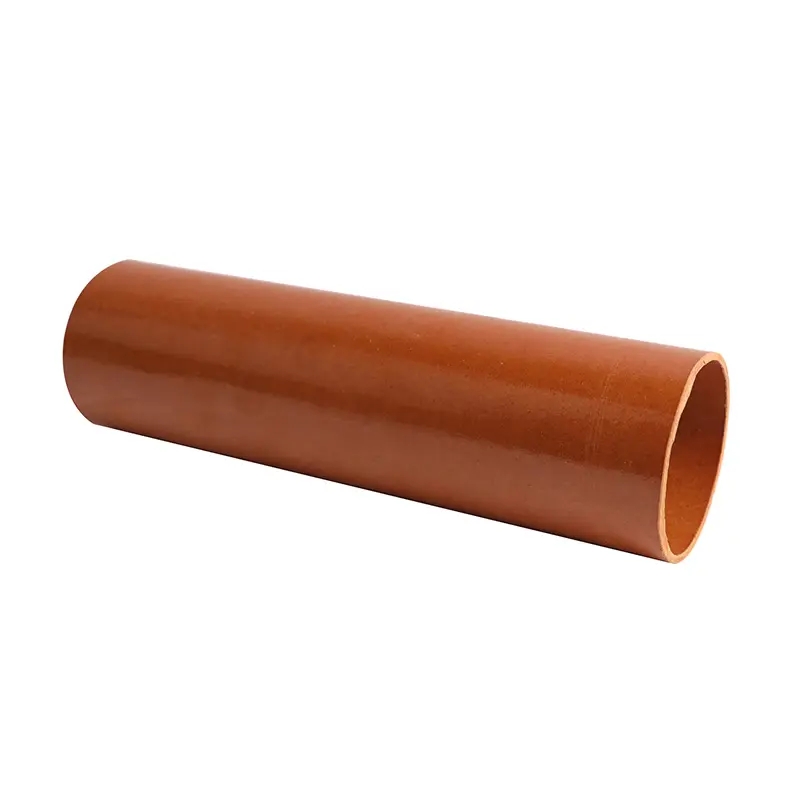
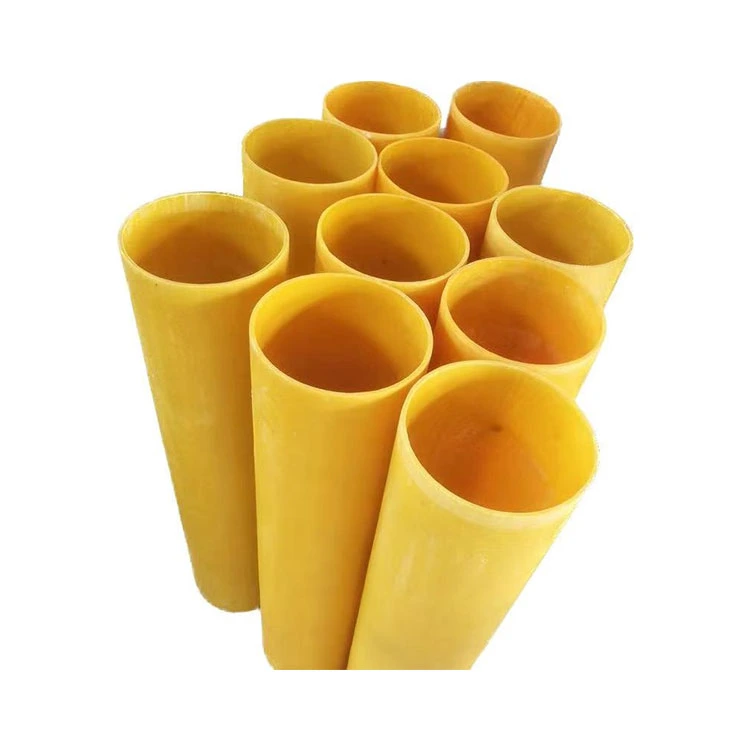
When your application demands reliable electrical isolation under mechanical stress and elevated temperatures, the 3641 Epoxy Glass Fiber Cloth Laminated Tube stands out as a proven solution. Manufactured by hot-rolling alkali-free glass fiber cloth impregnated with modified epoxy phenolic resin, this Class F (155°C) insulating tube combines superior dielectric strength with structural rigidity. Whether you are insulating transformer windings, building motor components, or designing high-voltage switchgear, selecting the right tubular insulation material directly impacts system safety and service life.
Understanding the 3641 Epoxy Glass Fiber Cloth Laminated Tube
Composition and Manufacturing
Woven alkali-free glass fiber cloth is mixed with an epoxy phenolic resin system to make the tube. The assembly is then rolled by hand and heated to harden it. With this wet-winding method, a dense, void-free wall structure is made that has tight tolerances for size, smooth outer surfaces, and the same color throughout every production batch. The end result is a rigid tubular part that keeps its shape under compressive loads and doesn't delaminate when CNC machines are used.
Key Technical Specifications
The material has a heat protection grade of Class F, which means it can work continuously at 155°C. It usually has a dielectric strength of more than 14 kV/mm in a straight line, and it stays mechanically sound when submerged in transformer mineral oil at temperatures above 90°C. The performance standards set by GB/T 1303 and similar IEC laminate standards are met for flexural strength, compressive strength, and moisture absorption.
How It Differs from Related Grades?
The 3641 grade is different from the 3620 grade because it has a different plastic system that makes it better at resisting wetness and arc-tracking. This makes it better for use in humid industrial settings and on equipment that is submerged in oil. Standard phenolic paper tubes are cheaper, but they can't compare to epoxy glass cloth constructions when it comes to tensile strength or thermal ceiling, especially when they are used in high-speed rotation or vibration-heavy service.
Why the 3641 Tube Excels in Insulation Applications?
Purchasing teams often want to know why this type of tube, the 3641 Epoxy Glass Fiber Cloth Laminated Tube, works better than others. Three pillars of success that cover the toughest industry situations come together to give us the answer.
Here are the core performance advantages that make this material a preferred insulating component:
- Dielectric integrity under high voltage: The epoxy glass cloth matrix stops partial discharge initiation and carbon tracking, which are the main ways that switchgear arc chambers and insulating pull rods fail. This trait directly lowers the amount of unexpected downtime in power transfer systems.
- Thermal resilience across cycling: The 3641 construction stays the same size through multiple thermal cycles from room temperature to 155°C, while phenolic cotton tubes absorb water and become less rigid. This steady performance over many years is good for transformer tap switch shafts and wound supports.
- Mechanical durability in harsh environments: The glass fiber reinforcement gives the tube high flexural and compressive strength, which lets it work as threaded insulating sleeves and thermal breaks in electric furnaces and rolling mills where there is a lot of vibration and load.
How to Choose the Right Epoxy Glass Fiber Laminated Tube?
There's more to choosing the right insulation tube than just matching the part number. Before agreeing to a specification, engineers need to carefully consider how things will work.
Define Your Operating Parameters
Find out what the tube's highest constant service temperature, peak dielectric stress, and mechanical load must be. If your product needs to work in places that are oily or where the humidity is always above 85% RH, the 3641 grade is the best choice because it doesn't react chemically with natural oils and doesn't absorb water quickly.
Compare Material Options Honestly
Phenolic paper tubes are less expensive, but they can only handle temperatures up to 120°C (Class E) and soak up a lot more water. Carbon fiber composite tubes are stiffer, but they can carry electricity, which can be a problem in situations where they need to be electrically isolated. The epoxy glass cloth structure is in the middle ground: it's cheap enough for mass production while still meeting the dielectric and heat performance needs of demanding uses.
Evaluate Supplier Reliability
Certifications like UL recognition, RoHS compliance, and following IEC 60893 or GB/T 1303 for 3641 Epoxy Glass Fiber Cloth Laminated Tube are unquestionable signs of quality that can't be negotiated. Before you place large orders, make sure you get material test reports and compare the size tolerances to your machining drawings. Lead times are shorter, and accuracy stack-up is less of a problem when your suppliers can do CNC processing in-house.
Procurement Considerations
Finding epoxy glass fiber fused tubes through well-known business-to-business (B2B) channels lowers risk and makes cost predictions more accurate. There are pros and cons to both digital buying platforms and direct maker relationships. However, working directly with an expert 3641 Epoxy Glass Fiber Cloth Laminated Tube provider is usually the best way to get custom diameters, wall thicknesses, and cut lengths.
Bulk ordering generally unlocks price optimization, especially for OEMs whose quarterly usage is reliable. In addition to the unit cost, you should also look at the total value package. Does the supplier offer detailed datasheets, installation instructions, and quick technical support? When your production schedule depends on how well the materials pass inspection when they come in, after-sales service is important.
Also, you should pay attention to the storage protocol. The tube should be kept somewhere dry, well-ventilated, and away from sources of heat. After being machined, surfaces are better at absorbing water, and adding an insulating varnish afterward makes them last much longer.
Future Outlook and Industry Trends
More and more people want high-performance insulation tubes. Analysts say the global transformer market will be worth more than USD 70 billion in 2023. It is growing along with projects in North America and beyond that are modernizing power grids and adding renewable energy. New types of industrial motors and battery systems for electric vehicles are opening up new uses for epoxy glass fiber structures that can handle both heat and dielectric stress.
Innovations in materials are also moving forward. In study settings, new resin formulas that use nano-fillers show better resistance to arcs and lower thermal expansion coefficients. Over the next five to seven years, these improvements are expected to make their way into commercial laminated tube goods, which will raise the performance cap even more. Pressure from regulators on halogen-free flame retardancy is also affecting product plans. Companies that adapt to changing IEC and UL standards will have an edge when it comes to buying.
Conclusion
The 3641 Epoxy Glass Fiber Cloth Laminated Tube meets the requirements because it has a Class F thermal grade, a stable dielectric strength, chemical resistance to mineral oils, and structural stability under mechanical load. This material bridges the gap between affordable purchasing and real technical dependability for companies that make electrical equipment, power equipment, industrial machinery, and auto parts. Picking the correct insulating tube early on in the design process helps keep the system safe over time and avoids costly field failures.
FAQ
How does the 3641 tube differ from standard fiberglass insulating tubes?
A modified epoxy phenolic resin system is used instead of a basic epoxy or polyester binder in the 3641 grade. This change makes the resistance to arc-tracking better, the stability against moisture better, and the compatibility better with transformer mineral oils. Standard fiberglass tubes may have the same mechanical qualities when they are at room temperature, but they can break down more quickly when they are exposed to high humidity for a long time or to temperature changes above 130°C.
Can the tube be customized for specific diameters and lengths?
Expert manufacturers can make parts with the exact inner diameters, wall thicknesses, and cut lengths that you need based on your engineering drawings. In cases where normal catalog measurements don't meet design needs, this freedom is especially helpful for OEM procurement teams making custom motor housings, insulating cylinders, or high-voltage structural parts.
What are typical lead times for B2B orders?
Most standard catalog sizes ship in two to four weeks for modest amounts. Custom sizes require extra planning for production, and lead times are usually between four and six weeks, depending on how complicated the order is and how many are being made. The clearance process goes much faster when you confirm the tolerances for dimensions and provide full technical sketches during the request stage.
Partner with J&Q for Reliable Insulating Tube Solutions
J&Q brings over 20 years of insulating material manufacturing experience and more than a decade in international trade to every order. As a trusted 3641 Epoxy Glass Fiber Cloth Laminated Tube manufacturer, we offer custom specifications, competitive bulk pricing, and end-to-end logistics through our own freight capabilities. Request your technical datasheet, samples, or a custom quote today — reach our team directly at info@jhd-material.com or visit jhd-material.com.
References
1. IEC 60893-3-2: Industrial Rigid Laminated Sheets Based on Thermosetting Resins for Electrical Purposes — International Electrotechnical Commission, 2003.
2. GB/T 1303.4: Epoxy Woven Glass Fabric Laminates — Specifications — Standardization Administration of China, 2009.
3. Dissado, L.A. & Fothergill, J.C.: Electrical Degradation and Breakdown in Polymers — IET Publishing, 1992.
4. Global Power Transformer Market Report — Grand View Research, 2023.
5. Tanaka, T. & Greenwood, A.: Advanced Power Cable Technology — CRC Press, 1983.
6. Ku, C.C. & Liepins, R.: Electrical Properties of Polymers: Chemical Principles — Hanser Publishers, 1987.