G10 ESD Epoxy Board Reduces Electrostatic Risks in Industrial Workspaces
2026-09-15 17:07:48
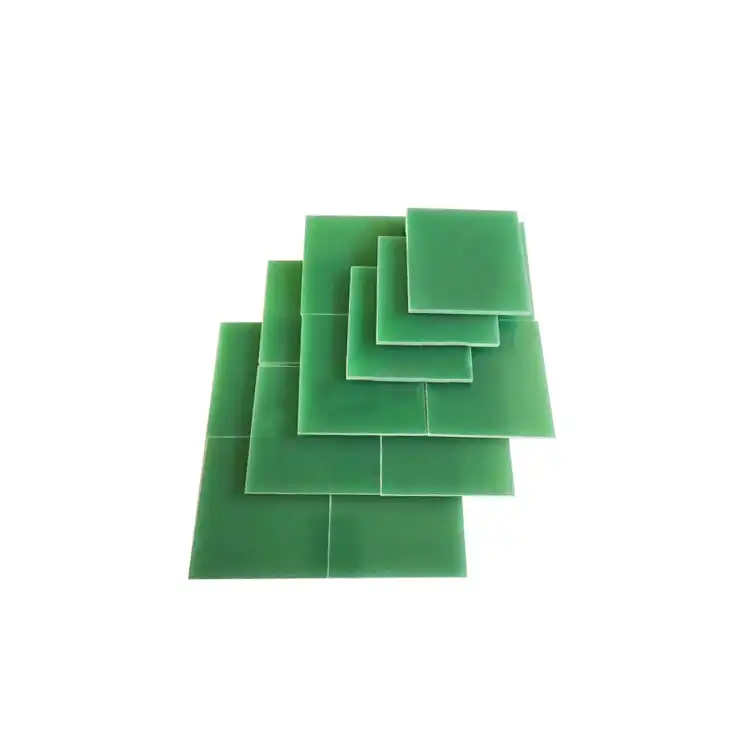
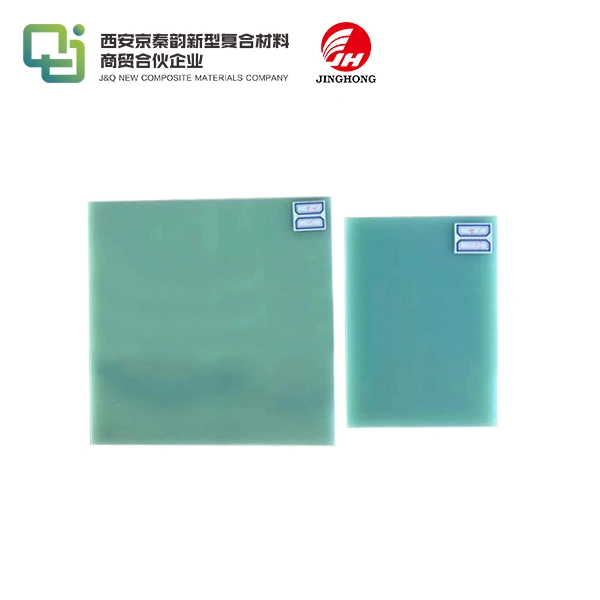
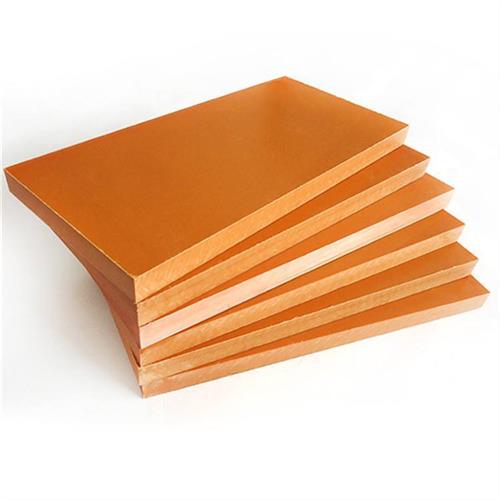
Static discharge is one of the most underestimated threats on a modern production floor. A single uncontrolled ESD event can silently damage microchips, corrupt PCB assemblies, and trigger costly production setbacks — often without leaving a visible mark. G10 ESD Epoxy Board addresses this challenge directly. Engineered from woven fiberglass and a carbon-modified epoxy resin system, it maintains a controlled surface resistivity between 10⁵ and 10⁹ Ohms, safely dissipating static charges before they accumulate to dangerous levels. For electronics manufacturers, machinery builders, and power sector engineers, this material delivers both structural reliability and consistent ESD protection in one solution.
What Is G10 ESD Epoxy Board and How Does It Control Static?
Composition and the Science Behind ESD Dissipation
Standard G10 laminate, which is a NEMA-grade fiberglass-reinforced epoxy composite, has been a reliable barrier for structures for a long time. The ESD version changes the base resin by adding carbon-based conductive agents that are spread out evenly in the material. This makes a material that doesn't fully conduct electricity or fully insulate it. This middle ground for static dissipation meets ANSI/ESD S20.20 standards and lets controlled charge bleed-off happen instead of rapid discharge or charge buildup.
This difference is very important. Standard FR4 epoxy boards are pure insulators, which means that static charges build up on the surface until there is a destructive discharge event. The ESD-modified form, on the other hand, safely and steadily sends that energy away. Because the electrical filler is spread out evenly throughout the material and not just put on the surface, cutting, drilling, or grinding the board does not affect its ability to protect.
Key Technical Parameters
Understanding the success data that can be measured helps procurement teams make choices with confidence. These are the main technical details that describe this material:
- Surface and volume resistivity: Stable between 10⁶ and 10⁹ Ohms no matter how humid the air is, unlike surfactant-based anti-static materials that break down in dry places.
- Flexural strength: More than 45,000 PSI, keeping the shape stable under mechanical force, which is important for attachment and carrier uses.
- Continuous operating temperature: Set at around 130°C to 140°C, but it can go up to 180°C for short periods of time when soldering.
- CNC machinability: Because it has sharp glass fibers, it needs carbide or diamond-tipped tools with strong vacuum extraction. To keep resistivity numbers from being changed by water absorption, dry cutting is recommended.
Because of these qualities, G10 ESD Epoxy Board is a good choice for places that need a material that is accurate in size, can withstand loads, and doesn't conduct electricity.
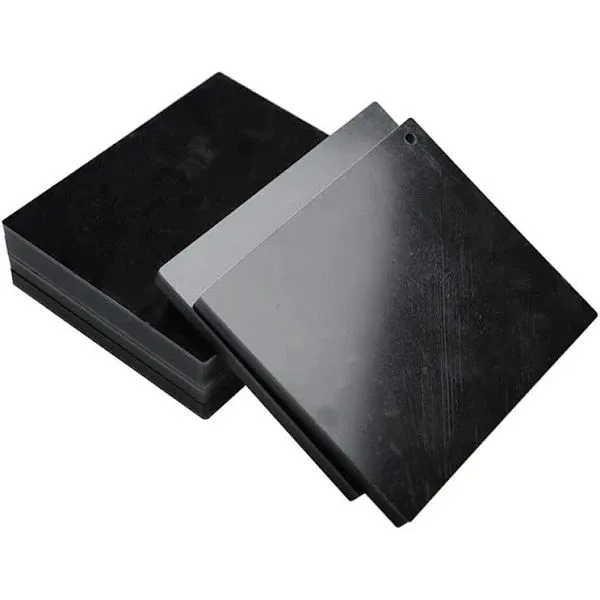
Advantages of Deploying ESD-Grade Fiberglass Laminate in Industrial Settings
Mechanical Durability Meets Static Control
When engineering managers look at insulation materials for tough production areas, they usually compare how well they work mechanically to how safe they are electrically. This static-dissipative laminate gets rid of that stress. It keeps the high stiffness and dimensional stability of regular G10 while adding an important layer of ESD safety that regular fiberglass epoxy boards can't do.
The G10 ESD Epoxy Board is in a very useful position compared to metal fixings, which cause hard electrical sparks when they touch live parts, and regular plastics, which pick up charge in unpredictable ways. It can withstand mechanical stress, doesn't rust, and consistently gets rid of static electricity. This means that there will be fewer component failures, fewer rework processes, and a lower total cost of ownership over the life of the material for OEM buying managers and technical procurement teams.
Where G10 ESD Epoxy Board Delivers Real Industrial Value?
Three High-Impact Application Areas
Using this information in the real world across many different businesses shows how well it works in many situations. Here are the most important use cases that our customers have told us about:
- SMT solder pallets and PCB assembly carriers: The board's low heat absorption helps the temperature change more quickly during wave soldering, and its built-in ESD properties protect BGA and IC parts from static discharge during the wash and reflow process. After switching from normal FR4 carriers, electronics makers say they can see a difference in yield.
- ICT and functional test fixtures: In bed-of-nails test sets, the board holds the pogo pin groups together. Its stiffness stops false failures caused by bending and keeps the unit being tested safe from static shocks caused by moving mechanical parts.
- Semiconductor wafer handling trays and cleanroom carriers: It doesn't give off much gas and doesn't react badly with chemical cleaners, so it works well in cleanrooms where particle contamination and static electricity can seriously affect output.
In all three of these areas, sensitive electronic parts need to be physically supported and in an electrostatically controlled environment at the same time. Insulating laminates that come with most computers only meet one of those needs. This G10 ESD Epoxy Board takes care of both issues, which is why it has become the standard for SMT operations and processes that handle semiconductors.
Customization options, such as custom sheet thicknesses, precise cut dimensions, and specific resistivity grades, let procurement teams match the material to the exact shape of their fixture or carrier without affecting ESD compliance.
How to Procure the Right ESD Laminate for Your Operation?
Supplier Qualification Criteria That Protect Your Supply Chain
It is just as important to choose the right material specification as it is to choose a qualified supplier. There is a typical problem in the ESD laminate market that leads to failed purchases: boards that test as insulators after delivery. This means that the conductive filler was either only applied to the surface and worn off, or it wasn't spread out properly during production.
A few mandatory proof steps are needed for reliable buying. Always ask for a Certificate of Conformance (CoC) that has resistivity values that are specific to the batch. Make sure that the supplier's production system doesn't use surface coats but instead uses volumetric carbon dispersion. Check that the product meets ANSI/ESD S20.20 standards and, if necessary, UL and RoHS standards. For large orders, make sure you know the minimum order quantity, the usual wait time, and whether tiered pricing applies at volume levels that are important to your production plan.
When production deadlines are tight, suppliers with a history of production and their own logistics infrastructure can offer more reliable delivery windows and faster responses to custom specifications.
Conclusion
When the right materials like G10 ESD Epoxy Board are chosen from the start, electrostatic discharge is a risk that can be handled. Static-dissipative fiberglass laminate has a good mix of mechanical strength, volumetric ESD protection, and CNC machinability that works well for making electronics, handling semiconductors, and making precise test fixtures. It has clear, measured performance advantages over standard insulating laminates and surface-coated options, and these advantages stay the same in all production settings. This laminate is a good long-term investment for procurement teams that need a reliable ESD control material that meets the requirements.
FAQ
Is G10 ESD board different from a board with anti-static coating?
There is a big difference, yes. Only the top part of a covered board protects against ESD. That protection is gone as soon as the surface is scratched, drilled, or cut. The G10 ESD Epoxy Board has a bulk conductive filler system. The ESD trait stays the same throughout the whole material, so cutting it doesn't affect how well it works.
Does humidity change the resistivity of this material?
No matter how humid it is outside, high-quality ESD laminates made from carbon-filled epoxy systems keep their resistivity stable. In dry places, cheaper versions that use migrating surfactant agents may not work. Before signing a procurement contract, you should always find out what technology the supplier uses.
Can it handle reflow oven temperatures?
It can be used continuously at 130°C to 140°C. When you need to keep the temperature above 260°C for lead-free soldering processes, you usually need better materials like ESD CDM or Durostone. This board is still a good choice for standard wash trays and low-temperature carriers because it is reliable and doesn't cost too much.
Why might a board test as an insulator after delivery?
This usually means that the surface treatment has worn off or that the filler wasn't spread out evenly during production. The best way to avoid this quality failure is to ask for batch-specific CoC documents before delivery.
Partner with J&Q for Certified G10 ESD Epoxy Board Supply
J&Q has been making insulation materials for more than 20 years and has been trading with other countries for more than 10 years. As a reliable provider of G10 ESD Epoxy Board, we offer certified materials, custom sizes that can be easily changed, and on-time shipping through our own network of transportation experts. Ask for a sample or talk to our technical team today about the terms of a bulk order. Visit jhd-material.com or reach us directly at info@jhd-material.com to start your inquiry.
References
1. ESD Association (ESDA). ANSI/ESD S20.20: Protection of Electrical and Electronic Parts, Assemblies and Equipment. ESD Association, 2021.
2. National Electrical Manufacturers Association (NEMA). LI 1: Industrial Laminated Thermosetting Products. NEMA, 2020.
3. Licari, James J., and Dale W. Swanson. Adhesives Technology for Electronic Applications. William Andrew Publishing, 2011.
4. Manzione, Louis T. Plastic Packaging of Microelectronic Devices. Van Nostrand Reinhold, 1990.
5. Coombs, Clyde F. Printed Circuits Handbook. McGraw-Hill Education, 2016.
6. IPC. IPC-A-610: Acceptability of Electronic Assemblies. IPC — Association Connecting Electronics Industries, 2020.