Why Is Bakelite Sheet Still Used in Electrical Manufacturing Today?
2026-09-14 17:23:31
Bakelite Sheet has remained a cornerstone material in electrical manufacturing for over a century — and that staying power is not accidental. As engineering managers, technical procurement teams, and OEM sourcing specialists navigate increasingly demanding supply chains, phenolic laminate sheet continues to deliver where newer materials often fall short. This guide breaks down exactly why this thermoset material still earns its place on specification sheets across switchgear, motor components, PCB support structures, and industrial insulation applications. Whether you are evaluating materials for the first time or reconsidering your current supplier, this resource is built for you.
Understanding Bakelite Sheet and Its Unique Properties
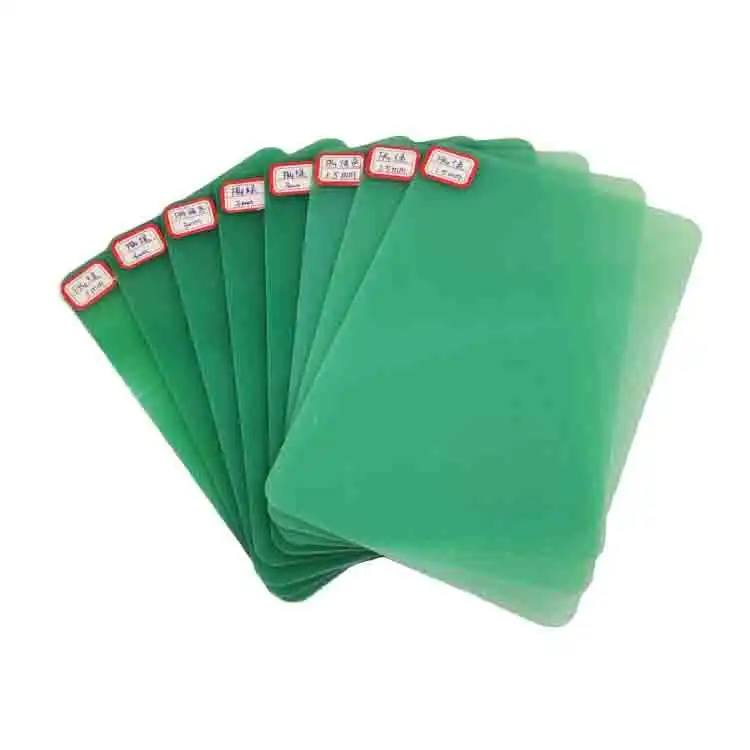
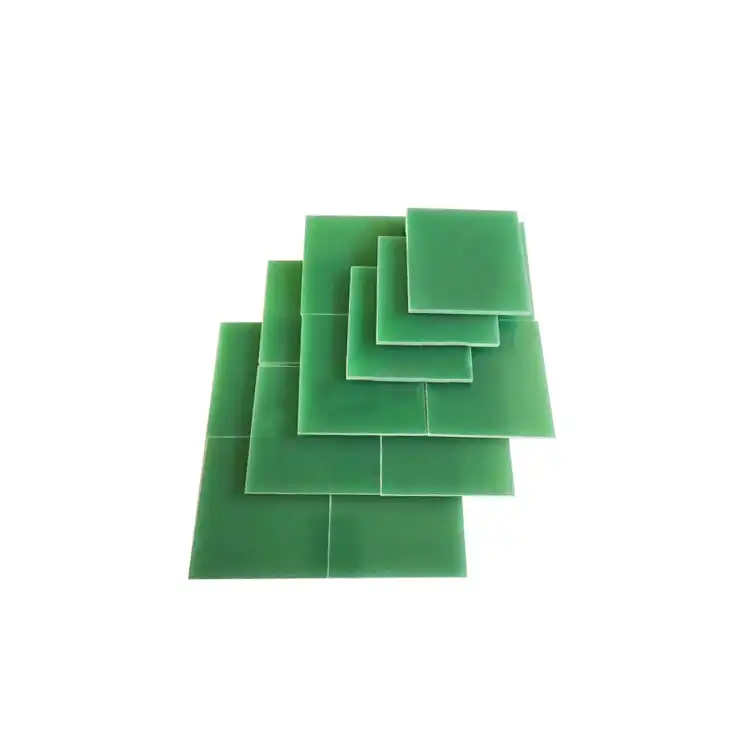
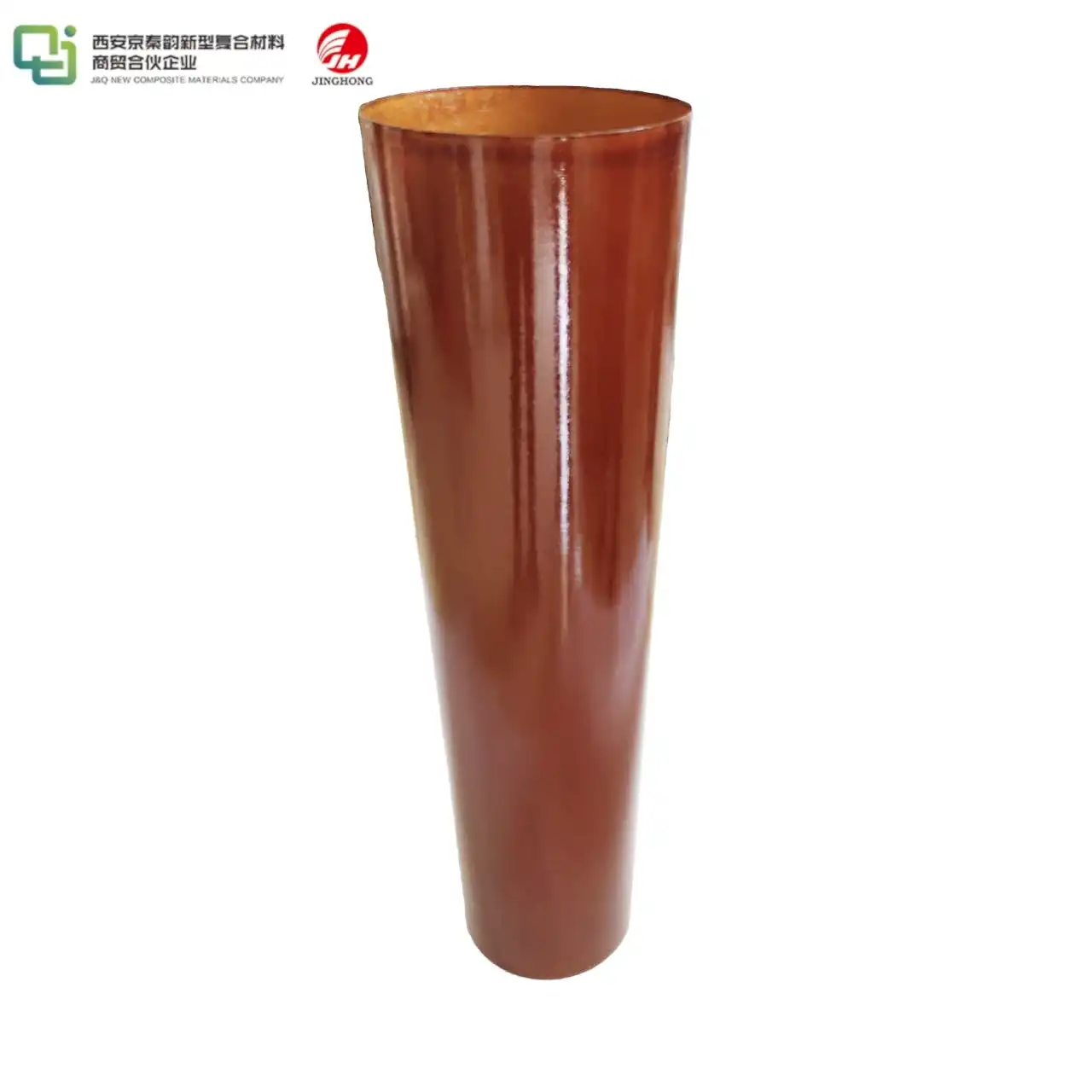
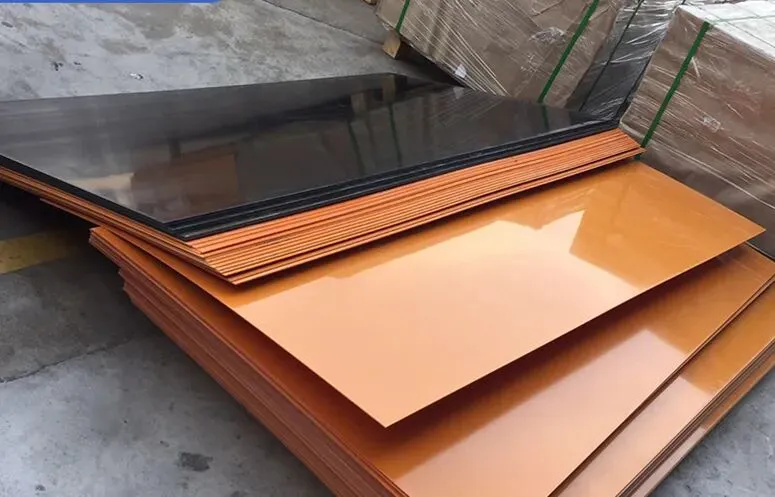
Using heat and pressure on layers of cellulose paper that are saturated with phenol-formaldehyde resin is how phenolic paper laminated sheet, which is what the business world calls Bakelite Sheet, is made. This thermoset process makes a molecular cross-linked structure that can't be undone. This structure gives the material its hardness, stability in shape, and lack of conductivity. It doesn't soften when heated as thermoplastics do, which is a big plus in live electrical settings.
How It Compares to Common Alternatives?
Engineers often compare phenolic sheet to normal industrial plastics, mica, acrylic, fiberglass (FR4), and FR4 sheet. This is where each stands:
- FR4 / Epoxy Glass Laminate: Has a higher dielectric strength and protection against moisture, but it is much more expensive and harder to make in large quantities. Where FR4 is too specific in terms of performance, phenolic sheet fills the cost-performance gap.
- Mica Sheet: Has great heat protection above 500°C, but it is expensive, brittle, and hard to make. Phenolic sheet can work continuously at up to 120°C and costs a lot less.
- Standard Thermoplastics (ABS, Nylon): Are easy to shape but change shape when heated up and don't have the consistent dielectric properties needed in high-voltage settings.
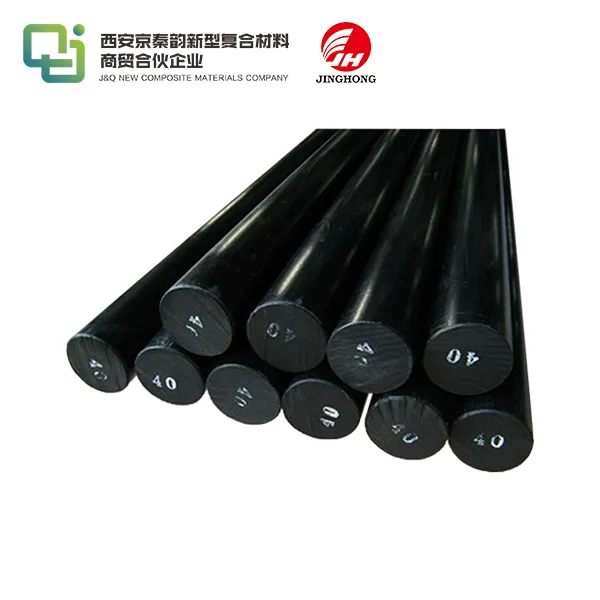
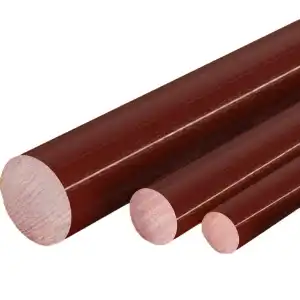
- Phenolic Cotton Sheet: Is a fabric-reinforced type that has better mechanical strength and impact protection. It is best used for industrial machinery gears, spacers, and structural insulation.
There are a lot of different types in the phenolic family of Bakelite Sheet. Grade X puts mechanical strength first and has less resin in it. Grade XXX has a higher resin density, which makes it better at resisting moisture and electrical insulation. This is an important difference for installations that will be exposed to high humidity or are outside. One of the most common and expensive mistakes tech teams make when they buy something is picking the wrong grade.
Why Bakelite Remains a Preferred Material in Electrical Manufacturing
Phenolic laminate has been used for decades to make switchgear panels, transformer coil insulation, and motor terminal boards, and it has proven to be a reliable base material. Trust is earned, not given.
CNC Machinability That Reduces Production Lead Time
With carbide-tipped tools running at high spinning speeds, phenolic sheet can be machined smoothly. CNC processes like routing, cutting, and milling make it possible to make parts with tight tolerances that don't warp or crack under stress as some plastics do. This machinability directly leads to faster prototyping processes and lower per-unit production costs for engineering teams that make complex insulator profiles or custom terminal boards. As a practical matter, you must use tools with carbide or diamond tips, and you must actively remove the dust because phenolic dust is harmful to your lungs.
Thermal and Chemical Stability in Demanding Environments
Standard phenolic sheet can be used continuously up to 120°C. Beyond that point, carbonization starts to happen, and the insulating qualities get worse. This is a clear design limit that procurement teams must explain to engineers. The material is resistant to oils, alcohols, and most organic solvents within that range of temperatures. While choosing a material, it is necessary to map out the chemical environment because it is sensitive to strong reactive acids and alkalis.
Because they are easy to work with, don't change much in temperature, and don't react badly to chemicals, phenolic laminates are still the standard insulation material for electrical panel builders, transformer manufacturers, and auto insulation suppliers. They don't switch to more expensive composites.
How Bakelite Sheet Meets Modern Procurement Needs in B2B Markets
The way things are bought today for Bakelite Sheet requires more than just good performance from raw materials. Engineering managers and supply chain teams at tier-1 manufacturers both put equal weight on lead time reliability, batch consistency, the ability to make custom parts, and certified quality documentation.
Suppliers of good phenolic sheets offer thicknesses between 0.5 mm and 50 mm, and they can do custom CNC cutting to match the exact specs of your drawings. For OEM projects with a lot of parts, thickness tolerances must be the same across runs; even small differences in size lead to more mistakes during assembly.
In this area, quality certification is very important. When purchasing UL-listed assemblies or RoHS-compliant product lines, procurement specialists need to find suppliers with quality management systems and material test reports that have been properly documented. Before approving any insulation material for arc barrier or coil insulation duty, electrical engineers at power distribution companies and transformer makers, in particular, need to see verified data on flame resistance.
The prices for bulk orders depend on the type of material, the size of the sheets, and the number of orders. When purchasing managers build long-term relationships with suppliers instead of making one-time purchases, they regularly report better pricing stability, priority scheduling, and the ability to get technical help during production if questions about specifications come up.
Making the Right Choice: Selecting the Best Phenolic Sheet for Your Application
Choosing which materials to use has real-world costs. Overspecifying costs more than it needs to, and underspecifying leads to problems in the field. When making a choice, the engineering and procurement teams should work together on these main points:
-
Electrical insulation grade for Bakelite Sheet: Grade XXX for places with a lot of wetness or high voltage; Grade X for places where mechanical load is the main factor, and there isn't much moisture exposure.
-
Thickness and dimensional tolerance: Make sure that your purchase specification clearly defines the tolerance bands. Ask for material test results that prove the sheet's consistent thickness across the whole thing.
- Reinforcement type: Paper-reinforced for general electrical insulation uses; fabric-reinforced for gears, mechanical parts, and structural parts that don't wear down easily.
- Operating temperature ceiling: Make sure that your application doesn't go over 120°C all the time. If the temperature needs are higher than this, you will need to use FR4 epoxy laminate or glass-reinforced phenolic.
- Machinability requirements: If CNC fabrication is part of your process, make sure that the sheets your supplier gives you have a consistent resin cure. Sheets with an inconsistent cure will wear out tools unevenly and change sizes.
When these factors are used consistently, they lower the chance of failure in the field and help make a better long-term ROI estimate. When properly defined, phenolic insulation components usually only need minor repairs or replacements over the course of their useful life, which directly covers the cost of the material itself.
Future Outlook: Is Phenolic Laminate Still Relevant in Evolving Electrical Manufacturing?
Polyimide films, ceramic-filled composites, and advanced thermoplastic laminates are some of the new insulation materials that are hitting the market. They make strong claims about how well they work. In some ways, some do better than phenolic sheet. However, none of them can match the combination of ease of use, low cost, high strength, and electrical insulation that phenolic laminate offers on a large scale.
Environmental regulation is a valid point of view. Making phenol-formaldehyde resin is bad for the environment, so purchasing managers at companies that care about the environment should ask sellers about responsible production methods and documents of the material's lifecycle. Reputable manufacturers deal with this by using certified environmental management systems and clear reporting on the supply chain.
For most electrical makers and original equipment manufacturers of industrial machines, phenolic laminate is still the best value-for-money option for a wide range of standard insulation and structural uses. Some niche uses may switch to more advanced materials, but the volume standard base for phenolic sheet is not likely to shrink any time soon.
Conclusion
In the electrical industry, Bakelite Sheet is still used because it solves real engineering problems at a price that modern composites can't match in large quantities. Because it is thermoset, can be machined with a CNC, and has good thermal and electrical performance, it is a practical choice for switchgear, motor parts, transformer insulation, and structural parts in industry. The most important thing for procurement teams is to find providers with approved quality systems, regular batch tolerances, and the ability to make things to order. That's what makes a trusted supply partner different from a standard seller.
FAQ
What makes phenolic laminate sheet preferable to standard plastic for electrical insulation?
Standard thermoplastics change shape when heated up and don't have consistent dielectric properties when the voltage is higher. Standard engineering plastics can't keep up with phenolic laminate at constant working temperatures up to 120°C because it loses its shape and electrical insulation integrity.
How does Grade X differ from Grade XXX?
Grade X puts mechanical strength first and has less resin in it. Grade XXX has a higher resin density, which makes it better at resisting moisture and providing electrical insulation. This is important for high-voltage or humid areas.
Is custom cutting and thickness specification available?
Yes. Reliable suppliers of phenolic sheets can cut the sheets to your exact specifications using CNC machines. The thicknesses range from 0.5 mm to 50 mm.
What is the maximum safe operating temperature?
Standard phenolic paper laminated sheet works reliably at temperatures up to 120°C all the time. If you go over this limit, the insulation will become carbonized and lose its insulating properties for good.
Can it be used for outdoor electrical enclosures?
Long-term direct UV radiation breaks down phenolic resin and, over time, makes it less insulating. For outdoor use, you need UV-protective coats or to replace the material with a hybrid that doesn't fade in UV light.
Partner With J&Q for Certified Bakelite Sheet Supply
J&Q has been making insulated sheets for more than 20 years and has worked with other countries to trade for more than 10 years. As a reliable Bakelite Sheet maker with our own logistics team, we offer a complete service, from custom CNC cutting to bulk delivery with quality paperwork. You can talk to our technical procurement team right now by emailing info@jhd-material.com or going to jhd-material.com.
References
1. Harper, C. A. — Handbook of Plastics Technologies — McGraw-Hill, 2006
2. Brydson, J. A. — Plastics Materials — Butterworth-Heinemann, 1999
3. IPC — IPC-4101: Specification for Base Materials for Rigid and Multilayer Printed Boards — IPC Standards, 2014
4. NEMA — NEMA LI 1: Industrial Laminating Thermosetting Products — National Electrical Manufacturers Association, 2020
5. Rosato, D. V. & Rosato, M. G. — Reinforced Plastics Handbook — Elsevier, 2004
6. UL — UL 746A: Polymeric Materials — Short Term Property Evaluations — Underwriters Laboratories, 2018