Why Choose Phenolic Paper Laminate for Industrial Insulation Applications?
2026-09-14 17:23:29
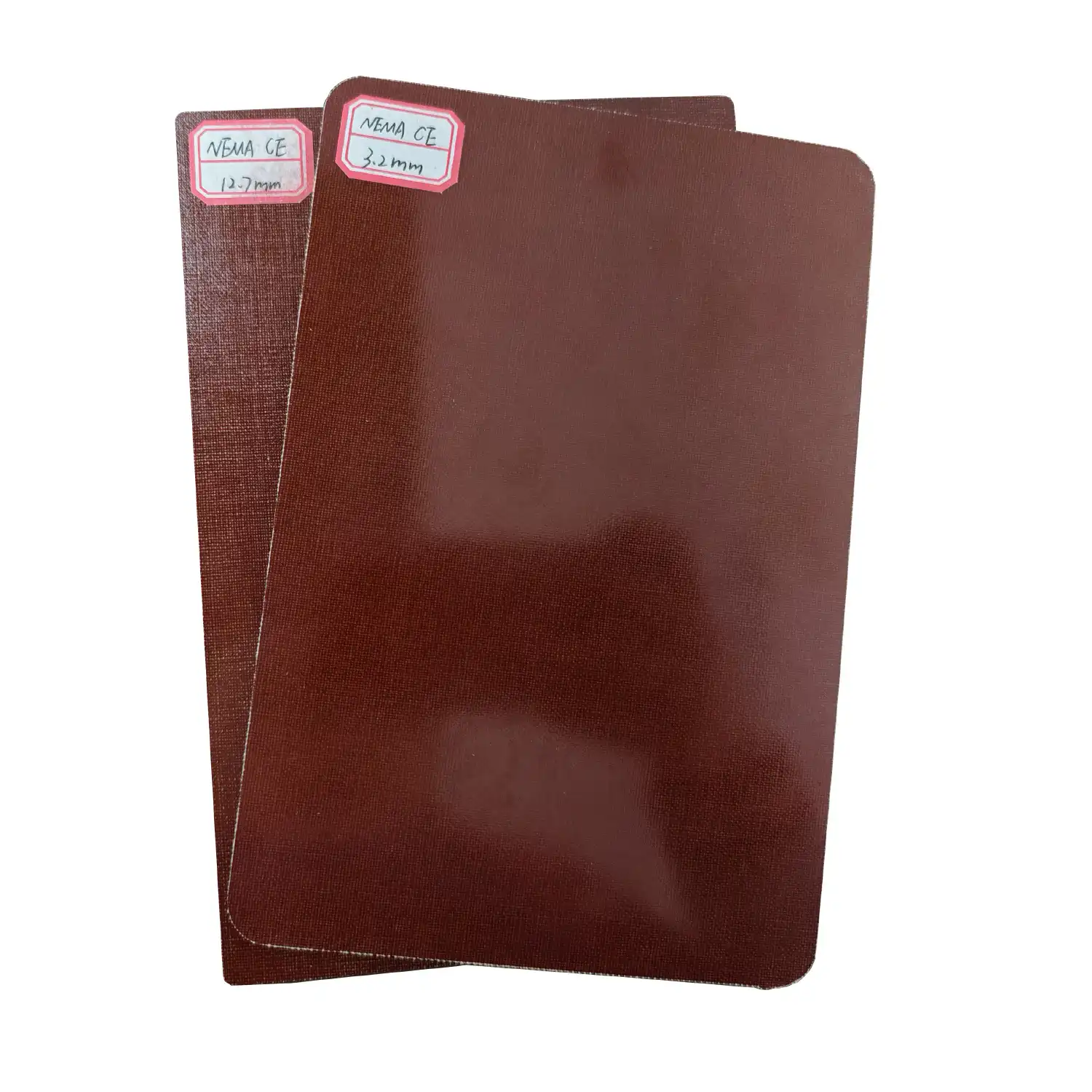
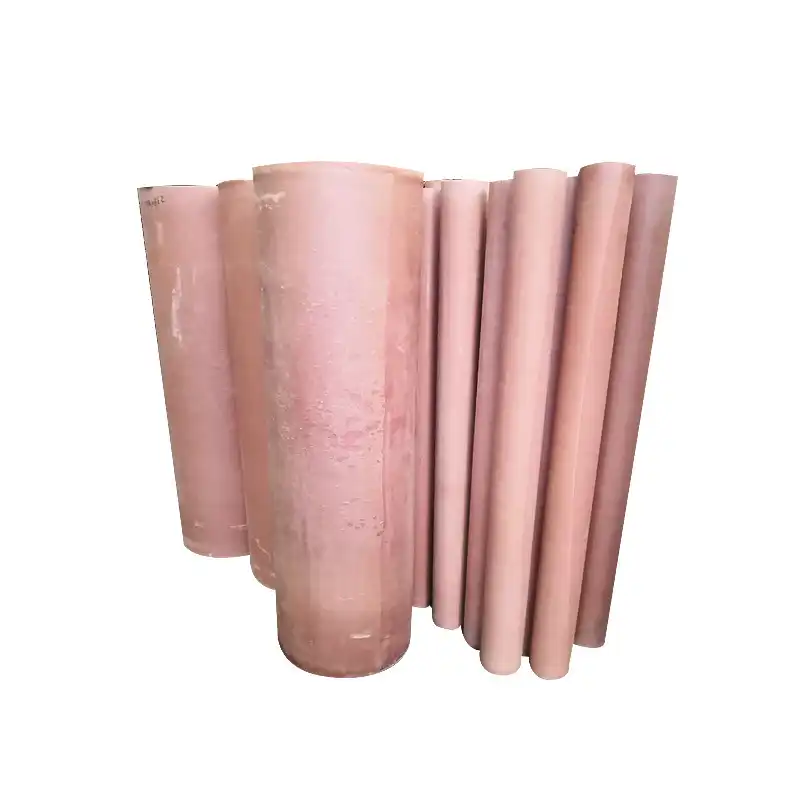
When engineers and procurement specialists evaluate insulation materials for demanding industrial environments, phenolic paper laminate consistently earns a place at the top of the shortlist. This thermosetting composite — built from layers of craft paper saturated with phenolic resin and consolidated under heat and pressure — delivers a reliable combination of dielectric strength, thermal stability, and machinability that few materials can match at a comparable cost point. Whether the application involves switchgear assemblies, transformer coil barriers, or motor component insulation, this material performs where it matters most.
Understanding Phenolic Paper Laminate and Its Core Properties
What Makes This Material Distinct?
Phenolic Paper Laminate is categorized by NEMA grades X, XX, and XXX. Each grade is designed for a different set of performance conditions. For instance, Grade XXX has the most resin and absorbs very little water, which makes it ideal for situations where there is a lot of oil or moisture. The specific gravity of the material is between 1.30 and 1.45 g/cm³, and premium-grade sheets usually have a tensile strength of more than 100 MPa.
Thermal and Electrical Benchmarks
High-quality Phenolic Paper Laminate has a dielectric strength of 300–500 V/mil (measured in oil), which is a good range for medium-voltage shielding uses. Class E (120°C) or Class B (130°C) is usually the highest temperature at which it can work continuously. Following the rules set by NEMA LI-1, IEC 60893, and ASTM D709 makes sure that products can be used anywhere in the world and gives purchasing teams a standard way to check the quality of products.
In addition to its performance, the material is better for the environment. When it comes to recycling, Phenolic Paper Laminate is better than PVC or acrylic options. This is important for producers who have to follow sustainability rules or RoHS regulations.
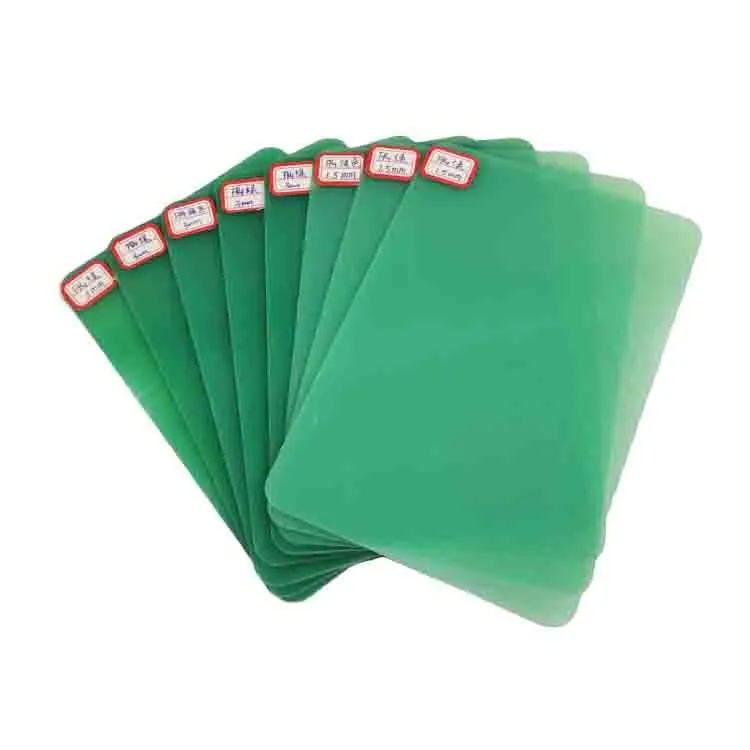
Why Phenolic Paper Laminate Excels in Industrial Insulation?
Passive thermal protection is not enough for industrial insulation. It needs materials that can keep their shape when they are subjected to pressure, chemicals, and mechanical load, often all at the same time, and Phenolic Paper Laminate is designed for these conditions. These are the main things that make Phenolic Paper Laminates stand out in these situations:
- Thermal resilience: The finished phenolic resin matrix doesn't change shape easily when heated, so parts can be used continuously at high temperatures without warping or delaminating.
- Chemical resistance: Mineral oils, weak acids, and chlorinated hydrocarbons can't damage the laminate. This makes it stable in places with transformer oil, which is very important for companies that make power distribution equipment.
- Machinability advantage: Compared to glass-epoxy FR4, Phenolic Paper Laminate grades are easier to work with and last much longer on cutting tools, which is important for saving money in high-volume CNC or punch-press operations.
- Cold and warm punchability: P-suffix grades (XP, XXP, and XXXP) contain plasticizers that allow clean punching at room temperature or with little warming, which makes it possible to make a lot of terminal boards and insulation gaps quickly.
Comparing Phenolic Paper Laminate with Other Industrial Insulation Materials
How It Stacks Up Against Common Alternatives?
People who are buying this often ask a simple question: why not just use FR4, HPL, or fiberglass laminates everyplace? If you look at application fit and cost logic, you'll find the real answer. Phenolic Paper Laminate covers these scenarios reliably and economically.
When it comes to impact strength and high-frequency electrical properties, FR4 epoxy-glass composite is better than paper phenolic. When used in 50/60 Hz applications, like motor brackets, switchgear panels, or transformer barriers, the extra performance of FR4 comes at a higher cost that doesn't almost always make sense. HPL (high-pressure laminate) is good for artistic and structural surface uses, but it isn't chemically resistant or stable at high temperatures, which are needed in live electrical settings. Both PVC and acrylic laminates fail when exposed to strong chemicals or high temperatures for a long time. Fiberglass composites have great mechanical properties, but they are more difficult to machine precisely and cost more for the raw materials.
Procurement Considerations for Industrial Buyers
Where you buy electrical shielding materials has effects that go far beyond the price per unit. Engineering managers and OEM buying teams should use a structured set of factors to evaluate suppliers before making a decision on which source to use for Phenolic Paper Laminate.
Certification compliance can't be negotiated. Sheets should have traceable conformance to NEMA LI-1 or IEC 60893, and suppliers should give test data that has been recorded, not just certificates of conformance. It's just as important that the thickness limit is consistent, especially for buyers who will be putting these sheets into automatic assembly lines, where differences in size directly lead to reject rates. Another difference that's worth looking at is the level of customization that's possible. Reliable suppliers can meet requests for non-standard sheet sizes, specific grade combinations, or changes to the surface finish without imposing large minimum order quantities. Other things that set capable partners apart are bulk price structures, lead time promises, and clear logistics.
Practical Case Studies and Application Examples
Transformer Manufacturing
A company that makes transformers used Grade XXX Phenolic Paper Laminate as a core insulating material when they were looking for coil insulation and arc barrier materials. Because the material was stable in transformer oil and didn't absorb much water, it got rid of a common way that parts made from lower-quality replacements would fail. Maintenance periods got a lot longer, and output rate went up.
Automotive Insulation Components
A tier-1 car provider that makes battery pack barrier sections compared Phenolic Paper Laminate to a number of other materials for heat-resistant fixture parts. The punch-press compatibility and batch-to-batch dimensional consistency of the material solved two problems that the team had with a previous supplier. The change cut down on the cost of tool wear and made it easier to check the quality of new materials.
Conclusion
Phenolic Paper Laminate has been used for decades in electrical, mechanical, and thermal uses and has won its reputation as a good industrial insulation material. Its dielectric strength, chemical stability, ease of machining, and low cost make it a practical choice for engineers who need reliable insulation without making the solution too complicated. It gives consistent value throughout the whole product lifetime, from the first prototype to mass production, as long as it comes from a qualified, certified provider with clear quality systems.
FAQ
What is the difference between Grade X, XX, and XXX?
Grade X is high on mechanical strength but not so good at resisting damp. Grade XX is a general-use grade of electrical insulation. Grade XXX Phenolic Paper Laminate has the most resin, so it has better insulating performance and absorbs the least amount of wetness. It works best in places with a lot of moisture or oil.
Can this material be cold punched?
To keep them from breaking, standard grades usually need to be heated to between 40°C and 80°C before they can be punched. The P-suffix grades (XP, XXP, and XXXP) have plasticizers in them that make clean punching possible at room temperature. This makes them ideal for making a lot of parts.
Is it compliant with UL or ROHS standards?
The UL 94 HB burn rating is what most standard Phenolic Paper Laminate sheets get. For uses that need self-extinguishing properties, FR-1 or FR-2 modified grades should be chosen. Compliance with RoHS rules depends on the recipe and should be checked with the seller through official approval.
How should sheets be stored to prevent warping?
Keep sheets flat on fully supported flat boxes in a climate-controlled space that is at least 20°C cooler and less than 50% relative humidity. Bowing can happen when support isn't even or when something is exposed to water. This makes it harder to machine and put together later on.
Get Reliable Phenolic Paper Laminate from J&Q
J&Q has been making insulated sheets for more than 20 years and has been doing business internationally for more than 10 years. As a reliable phenolic paper laminate manufacturer, we offer certified grades, custom sizes, and stable batch quality — backed by our own logistics infrastructure for streamlined, end-to-end delivery. Reach our technical team directly at info@jhd-material.com or visit jhd-material.com to request specifications or a sourcing consultation.
References
1. NEMA Standards Publication LI 1 — Industrial Laminated Thermosetting Products, National Electrical Manufacturers Association, 2020.
2. IEC 60893-3 — Insulating Materials: Industrial Rigid Laminated Sheets Based on Thermosetting Resins, International Electrotechnical Commission, 2003.
3. ASTM D709 — Standard Specification for Laminated Thermosetting Materials, ASTM International, 2017.
4. Harper, C.A. — Handbook of Plastics Technologies, McGraw-Hill, 2006.
5. Brydson, J.A. — Plastics Materials, 7th Edition, Butterworth-Heinemann, 1999.
6. Ulrich, H. — Introduction to Industrial Polymers, Hanser Publishers, 1993.