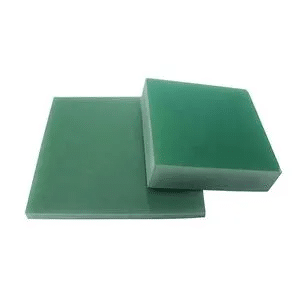
FR4 Board vs 3240 Epoxy Sheet for Insulation
2026-07-15 17:06:07
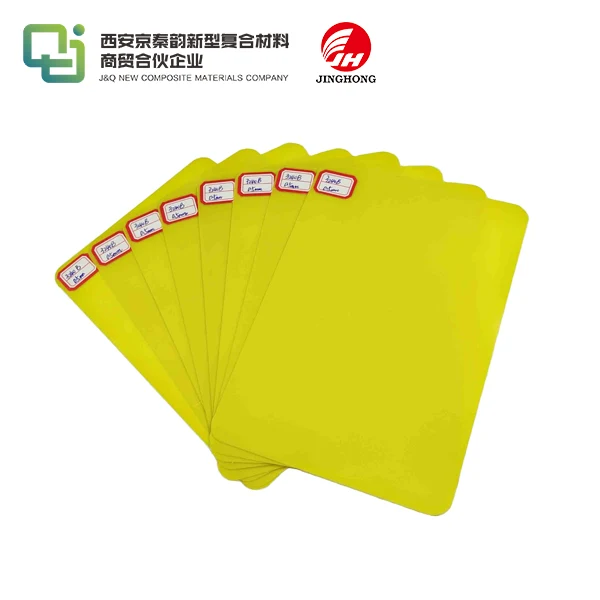
It is important to know the differences between FR4 board and 3240 epoxy sheet when picking between them for electrical protection. FR4 board is a glass-epoxy laminate that meets UL94 V-0 flame retardancy standards. It works great in PCB applications and high-voltage settings that need strong materials that don't warp or stretch. The 3240 epoxy sheet has better heat performance and great gluing properties, which makes it perfect for insulating transformers and making high-temperature motor parts. Both materials are important for making technology, distributing power, and making industrial machines, but they perform very differently when it comes to how well they handle heat, how easy they are to machine, and how much they cost.
Understanding FR4 Board and 3240 Epoxy Sheet
What Defines FR4 Board Composition
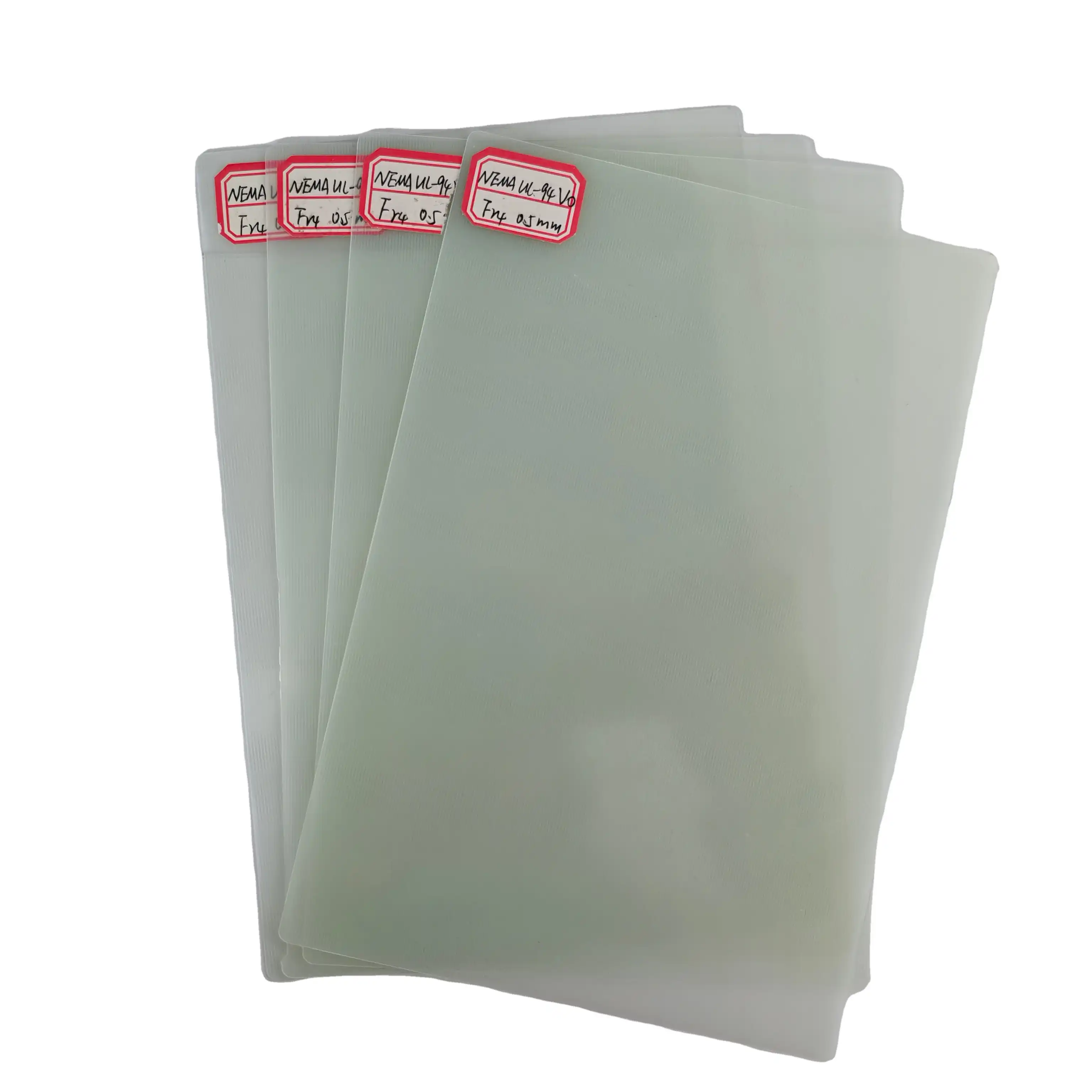
FR4 board is made of continuous filament glass cloth that has been heated and sprayed with a flame-retardant epoxy glue. The "FR" label means that the material meets UL94 V-0 standards, which means that it goes out on its own within ten seconds of being removed from a fire source. In electrical enclosures and circuit systems, this feature takes into account fire safety standards. The braided glass structure is stronger than phenolic options in terms of weight to strength, and it still has great dielectric qualities. The density is usually between 1.85 and 2.10 g/cm³, and the laminate has a bending strength of more than 340 MPa along its linear direction. Water uptake stays below 0.1%, so performance doesn't go down in damp places.
Core Properties of 3240 Epoxy Sheet
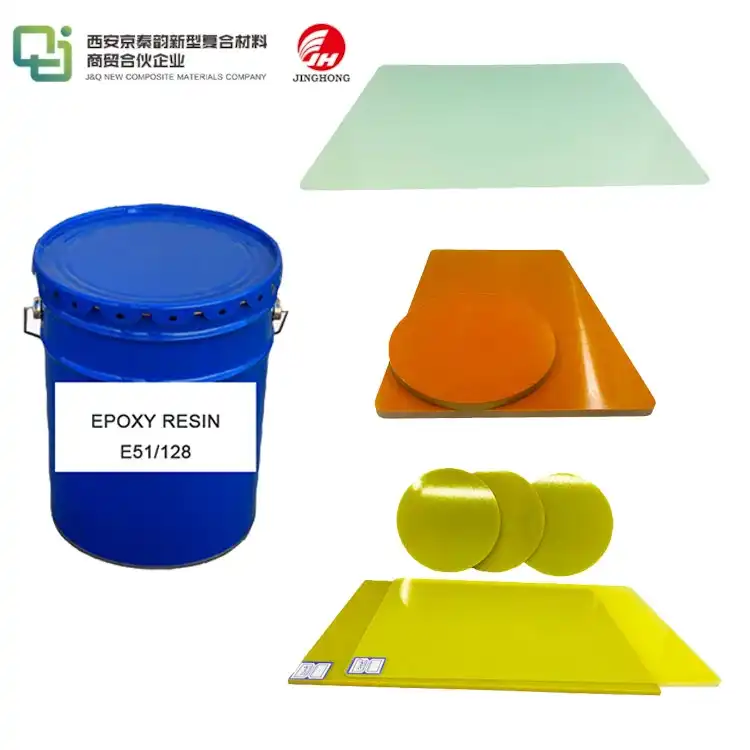
The 3240 epoxy sheet is also made of glass-epoxy, but it uses different resin formulations that are better at keeping their shape over time instead of just being flame retardant. This material is better at withstanding heat than standard grades; it can keep its mechanical integrity at temperatures as high as 155°C for extended periods of time. In high-end types, the glass transition temperature (Tg) usually goes above 170°C, which stops the material from softening during heat cycles. Breakdown voltages higher than 16 kV/mm and dielectric constants between 4.5 and 5.0 at normal frequencies are some of the electrical features. The finish on the surface usually sticks better to adhesives and potting solutions, which makes it better for encapsulated parts.
Typical Use Cases Across Industries
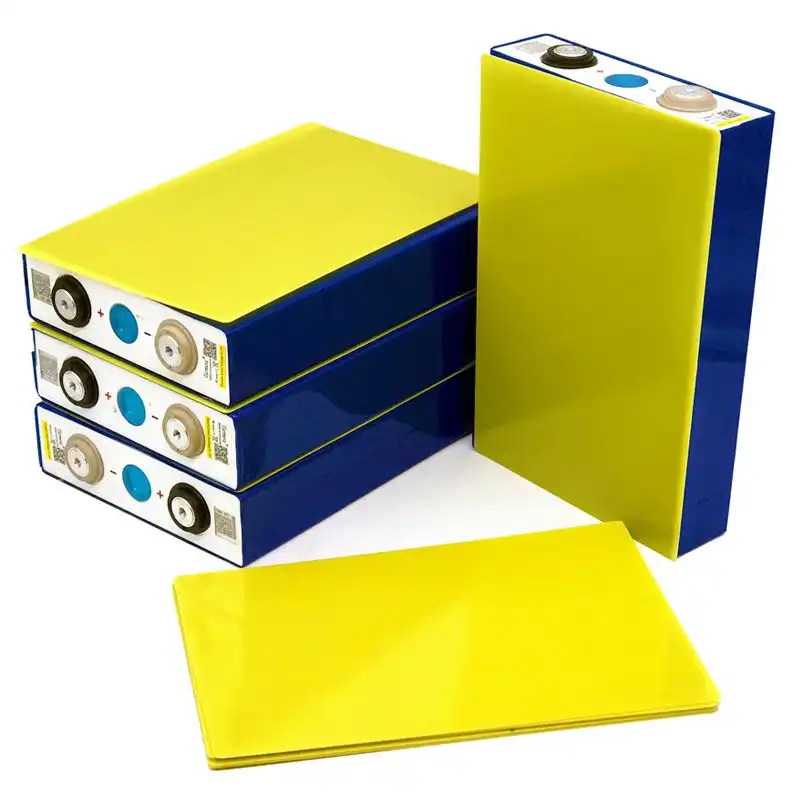
FR4 boards are mostly used by electronics companies for multilayer PCB bases, test tools, and solder pallets, all of which need to stay the same size during reflow soldering. During heat stress, the material doesn't "measle," which means it doesn't get white spots that show delamination. Builders of industrial machines use 3240 epoxy sheets for high-voltage busbar supports, motor slot insulation, and transformer coil separators. These are places where thermal endurance is more important than flame self-extinction speed. Power transfer systems use both types of materials, based on the temperature and the risk of an arc flash. More and more, FR4 board versions are used in automotive uses for battery pack walls that need to be both electrically isolated and structurally rigid.
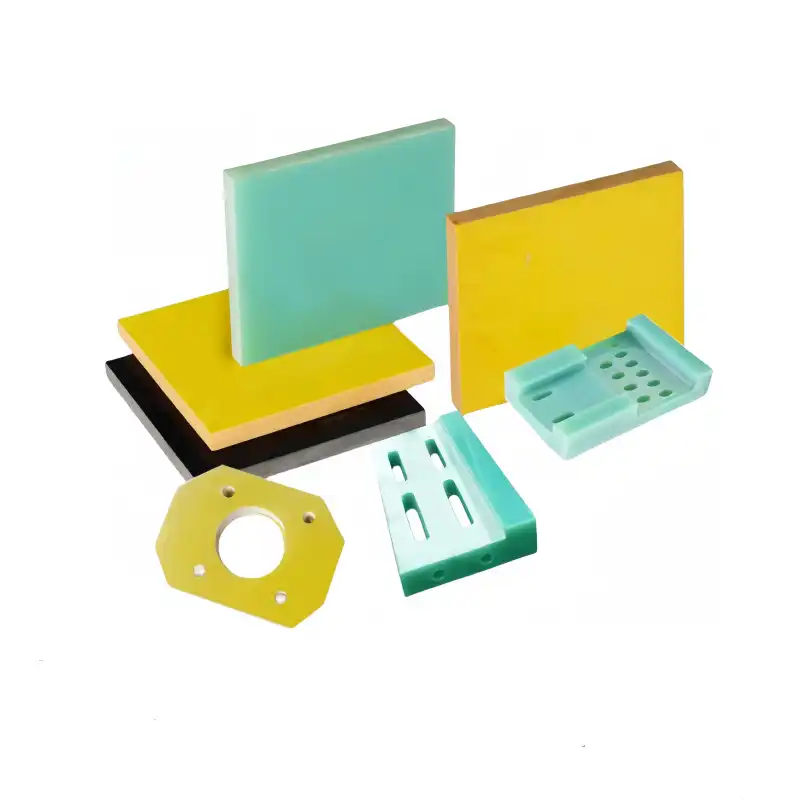
Comparative Analysis: FR4 Board vs 3240 Epoxy Sheet
Mechanical Strength and Durability
It was found that FR4 board has a tensile strength of about 415 MPa in a controlled laboratory setting, and an impact resistance of about 250 J/m. This strong mechanical shape can be used for more than just shielding in structures. The material keeps its dimensions within ±0.1mm for all normal sheet widths, which is important for CNC-machined precision parts. On the other hand, 3240 epoxy sheet has slightly lower tensile strengths (usually 380–400 MPa), but it is better at resisting creep when it is mechanically loaded for a long time at high temperatures. Both materials can withstand compressive forces greater than 415 MPa, making them good for high-pressure assembly settings. The glass fiber support in both keeps them from breaking in a big way. Instead, they show signs of stress over time before they break.
Thermal Performance and Temperature Stability
It is safe for standard FR4 board to work at temperatures up to 130°C all the time, with short trips to 180°C for soldering. When the plastic matrix starts to soften, which changes its mechanical qualities and accuracy in measurements, is controlled by the glass transition temperature. This limit is raised to 170°C for high-Tg FR4 board versions, closing the performance gap with 3240 epoxy sheet. The 3240 material can regularly handle continuous running at 155°C and has better thermal aging properties than other grades. The coefficient of thermal expansion (CTE) is still important for uses where the temperature changes; FR4 board usually has a CTE of 14–17 ppm/°C along the laminate plane, while 3240 sheets have a CTE of 12–15 ppm/°C, which keeps stress from building up in bonded systems.
Electrical Insulation Characteristics
FR4 board can handle a 40–50 kV breakdown voltage at a normal 1.6 mm thickness, which is equal to about 35–40 kV/mm when measured along the lamination layers. Because of how fibers are oriented, readings taken perpendicular to the fiber usually reach 25 to 30 kV/mm. From 1 MHz to 1 GHz, the dielectric constant stays fixed at 4.4 to 4.8. This means that FR4 board can be used in high-frequency circuits. The dielectric strength of the 3240 resin sheet is about the same (16–20 kV/mm depending on thickness), but the dielectric constants are a little higher, around 5.0–5.5. Comparative Tracking Index (CTI) values are higher than 600V for the best grades of both materials, which stops electrical paths from forming when the surface is dirty. When it's dry, the volume resistance is higher than 10³⁴ Ω·cm, which means that there is very little leakage current in high-voltage systems.
Application Scenarios and Decision-Making Guide for Procurement
Electronics Manufacturing Requirements
For PCB board uses, materials must meet NEMA FR-4 and IPC-4101 standards, with tight thickness limits and controlled copper peel strength. For household products that need to be UL-certified, flame retardancy is a must. The industry standard is FR4 board, which can be consistently machined with a CNC machine even though it contains sharp glass. Carbide or diamond cutting is used to reduce tool wear. Manufacturers of test fixtures like FR4 board because it stays the same size even after being heated and cooled many times and being stressed mechanically by spring-loaded test tools. Because the material doesn't absorb much water, it doesn't warp when the temperature changes, which is usual in production settings.
Power Distribution and Transformer Insulation
When choosing insulation materials for coil wraps and phase barriers, transformer makers put thermal class ratings first. The Class F (155°C) thermal grade of the 3240 epoxy sheet matches normal transformer designs. Class H (180°C) versions can be used for smaller designs that need to hold more power. When electrical problems cause intense heat and plasma in switchgear, arc resistance qualities become very important. Under conditions of continuous arcing, the material must stop tracking, which happens when carbonization builds up over time and makes conductive lines. These needs can be met by both FR4 board and 3240, but buying teams usually choose 3240 because it performs better in oil-filled transformers over a long period of time when exposed to heat.
Industrial Machinery and Automotive Applications
Machine builders need insulation materials that can stand up to mechanical shaking, chemical contact from coolants and lubricants, and changes in temperature while the equipment is running. 3240 epoxy sheet and other epoxy laminates are good for making gears and other wear-resistant parts because they self-lubricate and stay the same size when they're loaded. For mass production, makers of automotive parts have to meet strict batch-to-batch consistency standards. This means that their quality control systems have to be in line with IATF 16949 standards. For electric cars, battery pack insulation needs materials that offer electrical separation, thermal barriers, and structural stability to keep cells safe in case of a crash. FR4 board versions with better flame resistance meet the needs of automakers for safety-critical uses.
Market Solutions and Supplier Selection Strategy
Evaluating Manufacturer Capabilities
Reputable makers show a wide range of quality certificates, such as ISO 9001, UL recognition, and material compliance with ROHS and REACH rules. Consistent resin-to-glass ratios, controlled curing cycles, and automatic thickness tracking should all be part of the production process to make sure that each batch is the same. Vertically integrated suppliers, who make the glue and the laminates, often have better quality control than wholesalers who buy from a number of different mills. Premium providers stand out because they offer excellent technical support. Their engineering teams should be able to provide dielectric testing data, thermal analysis reports, and advice on choosing the right materials for specific uses.
Supply Chain Reliability Considerations
Stable lead times are important for planning production, especially for companies that build machines and appliances and use lean stocking systems. Keeping stock in regional warehouses by suppliers cuts down on transportation delays and makes just-in-time delivery possible. Smaller makers and development shops are affected by minimum order amounts. Suppliers that are flexible can handle trial orders and purchases of only part of a sheet without charging too much more. We've seen that providers with committed logistics skills—like knowing how to package items so they don't absorb water and get damaged along the edges—reduce material waste and delivery problems.
Sustainability and Emerging Alternatives
Environmental laws have a bigger impact on the materials that are used, pushing makers toward flame protection systems without halogens and backing materials that can be recycled. FR4 board used to have fire suppressants based on bromine, but later versions use phosphorus or nitrogen compounds that meet eco-label standards. Some European companies now make bio-based epoxy resins that come from plants, which makes them less reliant on oil. These options usually come with higher prices, but they are in line with companies' efforts to be more environmentally friendly and with changes that are coming to the law. As environmental standards change, procurement teams should look at long-term supply to avoid products that could be phased out.
Practical Tips for B2B Buyers: How to Optimize Your Insulation Material Selection
Critical Specification Parameters
To buy materials successfully, you must first have clear technical standards that match the stresses of the application. Engineers should write down the temperature ranges, power levels, mechanical loads, and chemical, moisture, UV, and environmental conditions. In high-frequency settings where signal integrity depends on managed impedance, dielectric constant values are very important. FR4 board meets these needs better than options with higher loss. To keep assembly problems from happening, you should say what kinds of differences are okay when it comes to thickness limits. Adding dyes to materials helps production teams tell the different grades apart, but buyers should make sure that the colors don't change the electrical qualities of the materials.
Flame ratings above and beyond the basic UL94 grade are an important part of safety checks. The military's MIL-I-24768/27 and the European standard EN 60893 both have stricter property requirements than business grades. Each package should come with a Certificate of Conformance document that confirms test results from recognized labs. We suggest asking for material safety data sheets (MSDS) that explain how to handle the material safely, especially when cutting fiberglass because it creates dust.
Leveraging Supplier Expertise
Suppliers with a lot of experience are more like expert partners than transactional sellers. During the quotation process, buyers can get better deals by talking to suppliers about their application needs. This lets sellers suggest the best grades and thicknesses. Sample ordering methods allow for actual testing before committing to large amounts for production. Reliable suppliers offer small-format samples or offcuts for a small fee. Custom cutting services cut down on internal machining and wasteful material use, but buyers should weigh the benefits of cost-effectiveness versus making things themselves. We've found that sellers who offer secondary operations like CNC routing, drilling, and edge sealing make supply chains run more smoothly for companies that don't have their own specialty composite machining capabilities.
Conclusion
In industrial insulation uses, FR4 board and 3240 epoxy sheet each do different things. Which one to use depends on the temperature needs, the mechanical needs, and the rules that need to be followed. FR4 board is great for electronics that can't be damaged by flames and PCB projects that need precise measurements. On the other hand, 3240 epoxy sheet is better for motor parts and transformer insulation because it can handle higher temperatures for longer. For buying to go well, technical requirements must be balanced with source dependability, quality certifications, and the effectiveness of the supply chain. By knowing the features of a material, engineering teams can come up with the best ways to improve product performance while keeping costs low through partnerships with knowledgeable suppliers.
FAQ
Which material offers better flame resistance?
FR4 board is designed to be flame-resistant and meets UL94 V-0 standards for self-extinguishing qualities within ten seconds. The 3240 epoxy sheet usually gets grades of V-1 or V-2, which means it can be used in places where heat stability is more important than quickly putting out a flame.
Can these materials handle outdoor exposure?
Both materials are good at keeping water out (they absorb less than 0.2% of water), but UV light over time damages the surface qualities. For outdoor use, coats or shelters must be used to protect against photo-oxidation and weathering, which weaken mechanical strength over time.
What thickness ranges are commonly available?
For both materials, standard stock thicknesses run from 0.5mm to 50mm, with 1.6mm, 3.2mm, and 6.4mm being the most popular sizes. For custom sizes, you have to place a minimum order quantity and wait longer for delivery, based on when the manufacturing takes place.
How do machining requirements differ?
Because they both contain glass that is very rough, they need carbide or diamond tools. When cutting, FR4 board usually has tighter tolerances and cleaner lines, but 3240 epoxy sheet may show some delamination if the cutting settings aren't set correctly. Glass strands in the air can be harmful to your lungs if you don't remove enough dust.
Partner with J&Q for Your Insulation Material Needs
J&Q can help you with your electrical insulation needs by providing you with high-quality FR4 board and 3240 epoxy sheet options, along with a wealth of technical knowledge. As a well-known company that makes and sells FR4 board and also handles shipping, we offer reliable quality, fair prices, and quick service that procurement teams count on. Our engineering staff gives advice based on specific applications, test results for materials, and customization choices for the automobile, industrial machinery, electronics manufacturing, and power distribution sectors. You can see for yourself how committed we are to quality and dependability by emailing our team at info@jhd-material.com to talk about your project needs, get technical data sheets, or set up a free evaluation. Let our decades of experience with materials and supply chain excellence help you beat the competition and give your customers reliable, legal goods.
References
National Electrical Manufacturers Association (NEMA). "Industrial Laminating Thermosetting Products – LI 1-2020 Standard Publication." NEMA Standards Publication, 2020.
Institute of Electrical and Electronics Engineers (IEEE). "Recommended Practice for Insulation Testing of AC Electric Machinery with High Direct Voltage." IEEE Standard 95-2020, revised edition.
International Electrotechnical Commission. "Specifications for Materials for Interconnection Structures – Part 2: Sectional Specification for Reinforced Base Materials, Clad and Unclad." IEC 61249-2 Series Standards.
Underwriters Laboratories. "Tests for Flammability of Plastic Materials for Parts in Devices and Appliances – UL 94 Standard." UL Safety Certification Program, current edition.
Harper, Charles A. "Electronic Materials and Processes Handbook." McGraw-Hill Professional Publishing, fourth edition, materials characterization chapters.
American Society for Testing and Materials. "Standard Test Methods for Electrical Insulating Materials – ASTM D229 Series." ASTM International Standards Worldwide, latest revision.
_1753952475136.jpg)