G10 Fiberglass Sheet Applications in Automation Industry
2026-05-11 17:11:30
G10 fiberglass sheet is an important material in the robotics business because it is both very strong and very good at keeping electricity from flowing through it. This epoxy-resin laminate material meets important needs in robotic production lines, CNC machines, and automatic control systems, where other materials fail in high-stress situations. We have seen how automatic factories count on G10 fiberglass sheet parts to keep production going nonstop while keeping workers safe and making sure equipment works well in harsh industrial settings.
Understanding G10 Fiberglass Sheet: Properties and Specifications
Manufacturing Process and Material Composition
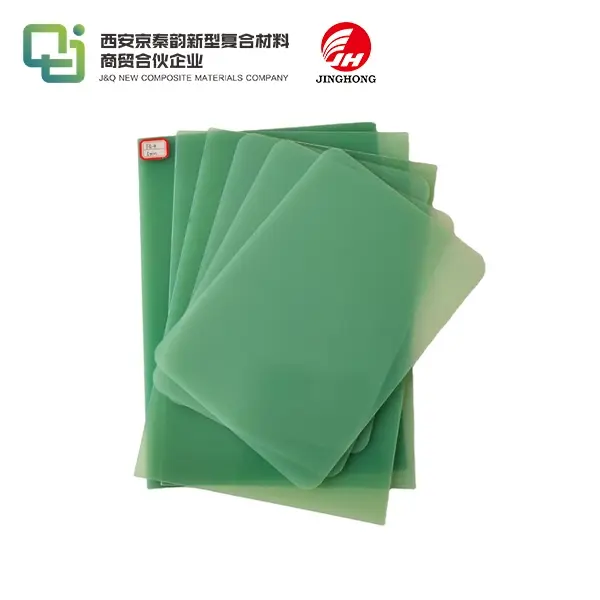
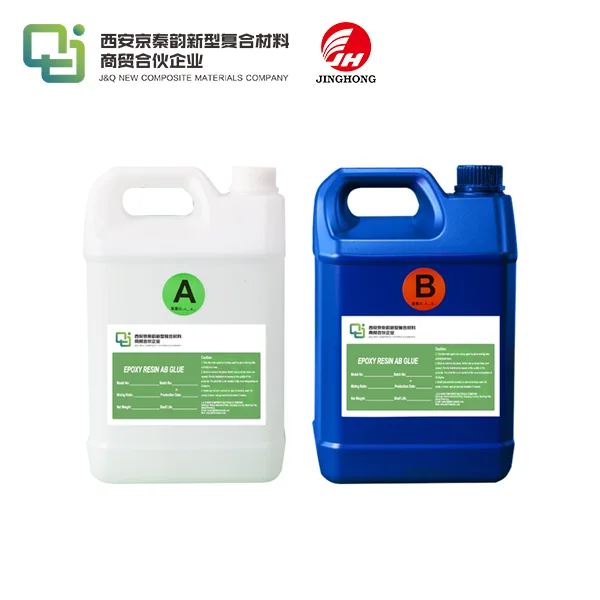
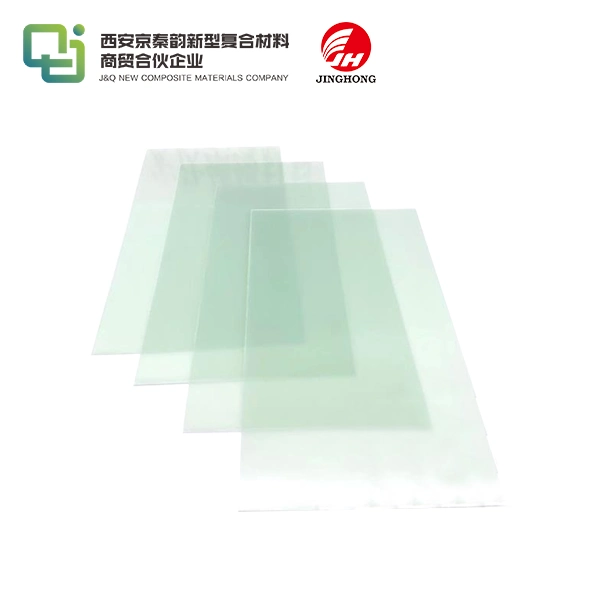
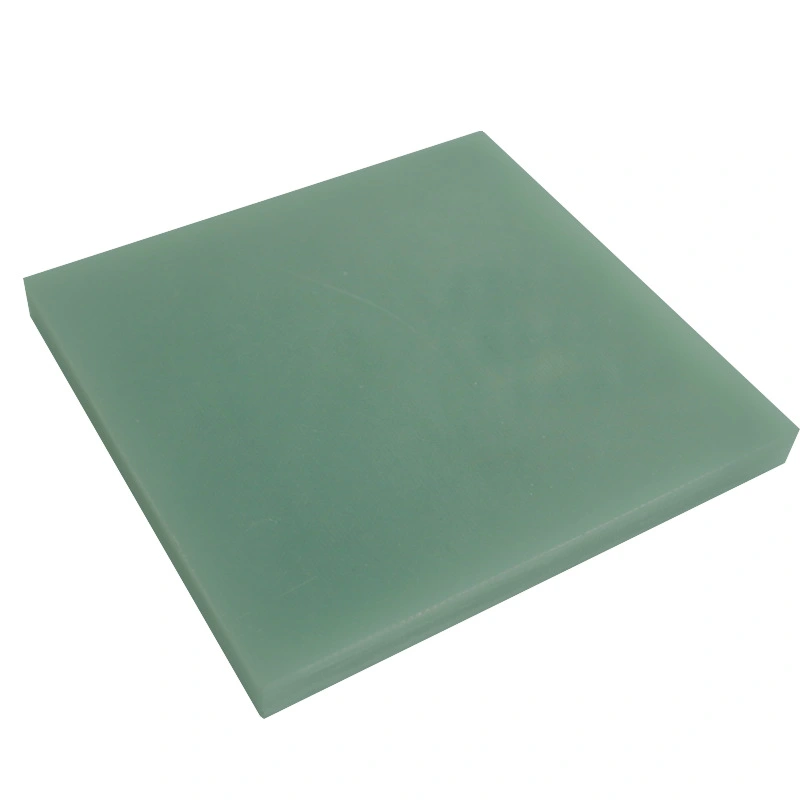
G10 fiberglass sheet is made up of several layers of woven glass fabric that are mixed with a special epoxy resin glue. In the production process, epoxy glue is spread on glass cloth to make prepreg material. This material is then cured under controlled heat and high pressure. This method of lamination makes a structure that is thick and free of holes that meets NEMA G-10 industry standards.
The epoxy-glass mix makes the dimensions very stable across a wide range of temperatures, which solves problems that happen a lot in the automation industry, like the growth of precision machinery due to temperature changes. Unlike phenolic alternatives, the epoxy resin system keeps its qualities even after being exposed to mineral oils and hydraulic fluids for a long time, which is common in automatic systems.
Key Physical and Electrical Characteristics
When it comes to robotics, mechanical strength is a clear edge. G10 fiberglass sheet laminate sheets have a high tensile strength and a high bending stiffness, which means they can hold up structures without deforming. The material stays strong even when high-speed machinery keeps vibrating it, so wear failures don't happen and production plans get thrown off.
Because it doesn't conduct electricity, this material is essential for computer control panels and switchgear systems. G10 fiberglass sheet boards keep electrical arcing and short circuits from happening in high-voltage automation settings because their insulating strength is higher than what the industry requires. Even in humid factories, the low rate of moisture absorption keeps the insulating properties stable.
Thickness Options and Customization Capabilities
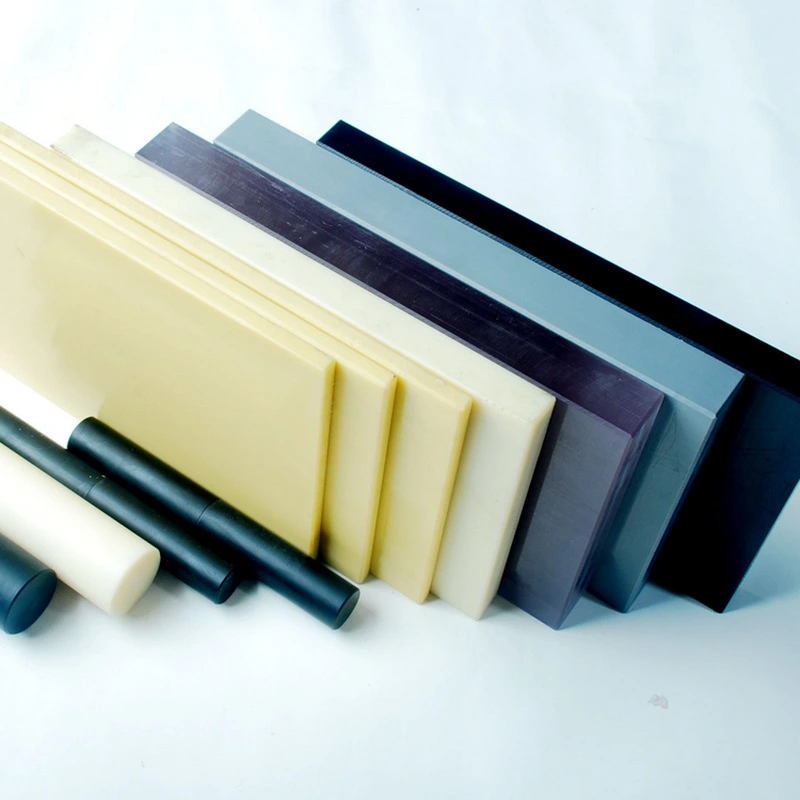
Thicknesses that are standard run from 0.5 mm to 50 mm can be used for a wide range of automation needs, from thin insulation barriers in small robotic arms to thick structural plates in the bases of heavy machinery. CNC cutting lets you make exact modifications to meet your needs, even for complicated shapes that are needed for automatic equipment integration.
The temperature range for effectiveness goes from cryogenics to 130°C constant operation and up to 140°C for short periods of time. This temperature range covers most conditions in the automation business. However, for uses above these temperatures, you may need higher-grade materials like G11 or G7 grades.
Applications of G10 Fiberglass Sheet in the Automation Industry
Electrical Insulation Components in Automated Systems
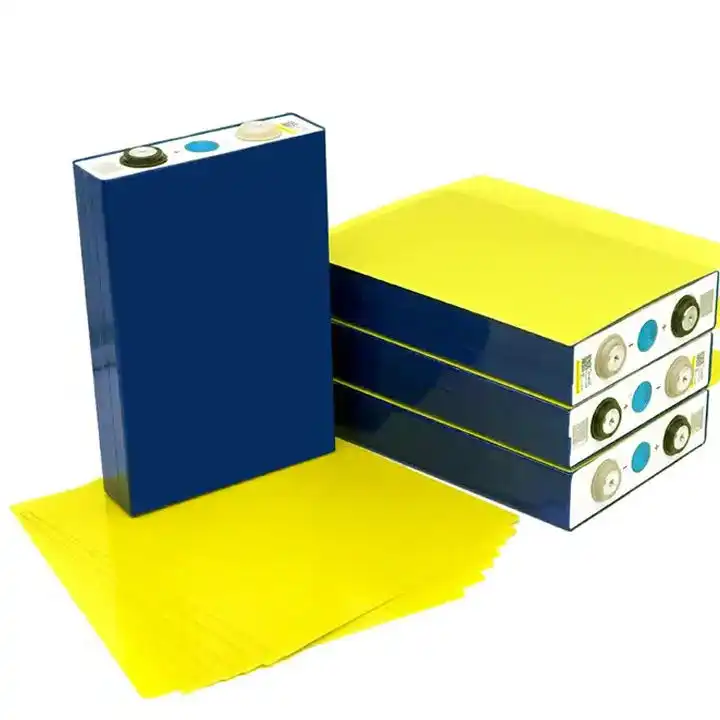
Robotic workcells and automated assembly equipment depend on G10 fiberglass sheet insulation sheets to keep sensitive electronics safe from voltage spikes and electrical interference. In industrial control panels, the material works well as generator spacers, bus bar supports, and terminal board insulators. G10 fiberglass sheet barriers are used in factories that use automated guided cars to keep battery systems away from structural parts. This stops thermal runaway accidents.
The material's flatness tolerances and dimensional steadiness make it useful for attaching PCBs. G10 fiberglass sheet sheets are perfect for fixture plates and probe placement systems because they are hard and don't lose their shape when heated and cooled many times.
Structural Machine Parts and Mechanical Components
More and more, people who build automation equipment are using epoxy laminate sheets to make wear-resistant parts that used to be made out of metal. Robotic end-effector mounting plates made of G10 fiberglass sheet material reduce moving mass while keeping the structure stable. This makes placing more accurate and speeds up cycle times. Because it doesn't need to be oiled, the material can be used for bearing pads and guide rails in linear motion systems.
G10 fiberglass sheet is better for mechanical reasons than other plastics because it can be used in gearing uses in low-speed automatic drives. The material doesn't bend under constant load, and it also stops vibrations that would normally go through metal geartrains. When chemical resistance to cleaning agents is important, automated packing lines use G10 fiberglass sheet timing belts and sprockets.
Protective Safety Equipment and Environmental Barriers
Arc flash protection screens made from G10 fiberglass sheet boards keep workers safe when they are near automatic high-voltage switching equipment. The material is flame-resistant and meets UL94 V-0 standards. This keeps fires from spreading in automatic buildings. G10 fiberglass sheet housings are used in chemical processing automation systems to keep electronic controls safe from toxic environments and to keep the electricity from flowing through them.
When food preparation machinery is used, moisture barriers keep water out of motor control assemblies and sensor housings. Bacteria can't grow on the non-porous surface, which meets the cleanliness standards of automatic food handling systems. Pharmaceutical automation equipment works better with G10 fiberglass sheet because it meets FDA standards for materials that don't get dirty in clean rooms.
Comparing G10 Fiberglass Sheet with Alternative Materials
Performance Comparison with FR4 Laminates
Both G10 fiberglass sheet and FR4 come from glass-epoxy laminate technology, but there are important differences that affect which ones are best for use in automation applications. G10 fiberglass sheet usually has better mechanical strength, which makes it a better choice for parts of structure machinery that are going to be under a lot of stress. In electronics, FR4 boards work really well in places where flame resistance is more important than raw mechanical performance.
When it comes to cost, FR4 is better for making a lot of PCB substrates, while G10 fiberglass sheet is better for making mechanical parts that need to be precisely machined and have stable dimensions. When engineering managers have to choose between these materials, they need to think about how their automation systems will be stressed and how the materials will be exposed to the environment.
Advantages Over Phenolic and Metal Alternatives
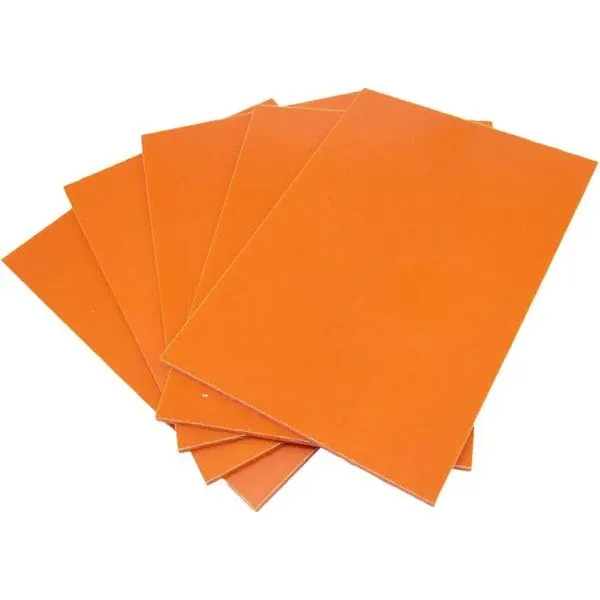
When compared to G10 fiberglass sheet epoxy sheets, phenolic cotton laminates are cheaper, but they don't work as well in terms of heat resistance or resistance to water. Automation settings that are exposed to high temperatures or humidity can benefit from G10 fiberglass sheet's better ability to keep its properties. The material is easier to machine than phenolic options, which means that high-precision automation parts don't need as many extra finishing steps.
Stainless steel parts are the strongest, but they are also very heavy, which is not good for robotic uses where motion dynamics are important. G10 fiberglass sheet sheets have good strength-to-weight ratios that make automation systems more sensitive and get rid of rust worries in chemical processing areas. Electrical transmission in metal parts makes grounding difficult, but G10 fiberglass sheet's natural insulation features completely get rid of this problem.
Cost-Efficiency and Procurement Considerations
When choosing a material, you have to weigh its original cost against its total lifetime costs, which include machining, upkeep, and replacement times. G10 fiberglass sheet sheets are more expensive than common plastics, but they last longer, which means they don't need to be replaced as often in challenging automation applications. When you buy in bulk from experienced providers, you save money and make sure that the quality of each production run is the same.
How to Procure G10 Fiberglass Sheet for Automation Applications
Evaluating Supplier Qualifications and Certifications
Verifying a supplier's qualifications in line with G10 fiberglass sheet automation industry norms is the first step to a successful procurement. Quality management licenses show that the production process is consistent, which means that all packages of the same material have the same qualities. Traceability rules are supported by technical documents like material test results and compliance certificates in regulated sectors.
If a supplier has worked with uses in the automation sector before, it means they understand important specs like thickness tolerances and surface finish requirements. Long-term relationships with manufacturers make sure that materials are available during busy production times and help with just-in-time inventory tactics.
Negotiating Custom Specifications and Volume Orders
For automation projects, custom measures that go beyond standard sheet sizes are common. This means that tolerance requirements and surface preparation needs must be communicated clearly. When a provider has CNC cutting capabilities, they can cut down on lead times by sending finished parts instead of raw stock that needs to be processed again.
Volume agreements allow for better price structures and guarantee reserved production slots during times of high demand. Order quantity flexibility helps prototype development stages flow into full production runs without needing new source qualifications.
Logistics Planning and Inventory Management
Shipping large-format sheets requires teamwork to avoid damage during transport that makes the material less flat. The right packing specs keep the edges and surfaces from getting wet while they are being shipped and stored. When planning lead times, it's important to take into account manufacturing cycles, clearing customs for foreign shipments, and having extra supplies of important automation parts in case something goes wrong.
Strategic inventory placement weighs the costs of holding on to items against the chance that production will be interrupted by a lack of materials. Setting up consignment agreements with reliable providers can help you save money on working capital while keeping materials on hand in case you need to fix industrial equipment at the last minute.
Optimizing Use and Maintenance of G10 Fiberglass Sheets in Automation
Machining Techniques and Fabrication Best Practices
To get clean lines without delamination when CNC cutting G10 fiberglass sheet material, you need carbide tools and the right feed rates. Peck-drilling methods help drill operations because they get rid of chips and keep the epoxy matrix from getting too hot. Router cutting makes smooth lines when the spinning speed is just right for the thickness of the material. This keeps the material from burning, which can affect the accuracy of the measurements.
Waterjet cutting is better for complicated shapes where heat-affected areas need to be completely removed. The abrasive waterjet method keeps the material's properties even at the cut edge, which keeps the dielectric strength for uses in electrical shielding. Laser cutting is still not a good option because it creates dangerous fumes when epoxy glue burns.
Maintenance Protocols for Extended Service Life
G10 fiberglass sheet parts should be inspected regularly for surface cracks, edge damage, or chemical breakdown signs that could affect their performance. When automated equipment is put under repeated mechanical stress, the wear surfaces need to be replaced on a regular basis so that production doesn't stop for good. Cleaning methods that use gentle cleansers keep the surface clean without harming the epoxy resin matrix.
Chemicals from hydraulic fluids or coolants don't usually change the features of G10 fiberglass sheet material, but over time, contamination can make electrical paths on insulation surfaces. When you clean your dielectric on a regular basis, you get rid of conductive deposits that could hurt its performance in high-voltage automation applications.
Safety Guidelines and Storage Requirements
Fine glass fiber dust is made during machining processes. To keep workers from being exposed, they need to have good air and respiratory protection. Carbide dust from worn tools mixes with glass fibers in grinding waste, so it's important to get rid of it the right way. Temperatures and humidity levels in storage places should stay reasonable so that moisture doesn't build up and affect the accuracy of machining during manufacturing.
Material handling methods should stop edge damage and surface contamination that lower the quality of the final part. While keeping big sheets from twisting, vertical storage racks make it easy to get to materials during production.
Conclusion
The G10 fiberglass sheet technology meets important material needs in many areas of the automation industry, from electrical protection in control systems to structural parts in robots. When you combine the material's mechanical strength, electrical insulation, and resistance to the environment, you get better performance that makes it worth specifying over other materials in harsh industrial settings. When procurement workers know about the properties of materials, the needs of applications, and the factors used to choose suppliers, they can help their companies get solid automation system performance while lowering the total cost of ownership over the lifecycle of equipment.
FAQ
What Temperature Range Can G10 Fiberglass Sheet Withstand in Automation Equipment?
The G10 fiberglass sheet material can work constantly at temperatures up to 130°C, and it can go up to 140°C for short periods of time before the epoxy resin features start to break down. Upgraded materials, like G11 grade, which keeps its qualities at high temperatures, should be used in automation systems that will be exposed to more heat. G10 fiberglass sheet doesn't become brittle in cryogenic uses down to -196°C, so it can be used in automatic settings with very high temperatures.
How Does G10 Compare to FR4 for Automation Industry Applications?
G10 fiberglass sheet is stronger mechanically than FR4, which makes it a better choice for structure robotic parts that are being physically stressed. Brominated flame retardants are added to FR4 boards to make them more fire resistant, which may be needed in some electrical uses. When it comes to material costs, FR4 is usually better for electronics uses, while G10 fiberglass sheet is a better choice for mechanical parts that need to be precisely machined and able to hold weight.
Is G10 Fiberglass Sheet Waterproof and Suitable for Humid Automation Environments?
Very little water is absorbed by G10 fiberglass sheet material—usually less than 0.1% by weight when normal humidity tests are done. Due to this quality, it works very well in industrial facilities that are exposed to high humidity or water directly. The smooth, non-porous surface stops germs from growing in automated food processing and keeps its electrical insulation qualities even when there is moisture on the surface.
Partner with J&Q for Reliable G10 Fiberglass Sheet Supply
Trusted G10 fiberglass sheet maker J&Q has been doing great work for over twenty years and has been doing business internationally for ten years. Our combined logistics operations make sure that you only have to deal with one company for everything from the initial request to the final delivery. This gets rid of the planning problems that slow down important automation projects. Technical support teams know what the robotics industry needs and can help you choose materials that will work best for your application.
We keep a large inventory of sheets in a variety of thicknesses and sizes, so we can support both the development of prototypes and full production runs with regular wait times. Every package comes with quality approvals and test paperwork for the materials, which helps you meet compliance requirements and keep track of your items. Email our engineering team at info@jhd-material.com to talk about the robotic materials you need and to ask for samples that show how well we make things. You can count on J&Q to be your best partner when you need to buy G10 fiberglass sheet. We offer low prices and flexible minimum order numbers.
References
National Electrical Manufacturers Association. (2021). NEMA Standards Publication LI 1-2020: Industrial Laminating Thermosetting Products. Rosslyn: NEMA.
Harper, C.A. (2018). Handbook of Materials for Product Design (4th ed.). New York: McGraw-Hill Professional.
Composites Manufacturing Association. (2020). Technical Guide to Thermoset Composite Materials in Industrial Applications. Arlington: CMA Publications.
Institute of Electrical and Electronics Engineers. (2019). IEEE Standard 62-2019: Guide for Diagnostic Field Testing of Electric Power Apparatus - Electrical Machinery. New York: IEEE Press.
American Society for Testing and Materials. (2022). ASTM D709-21: Standard Specification for Laminated Thermosetting Materials. West Conshohocken: ASTM International.
Thompson, R.D. & Martinez, J.L. (2020). Advanced Materials Selection in Automation Engineering. Boston: Industrial Press Technical Publications.