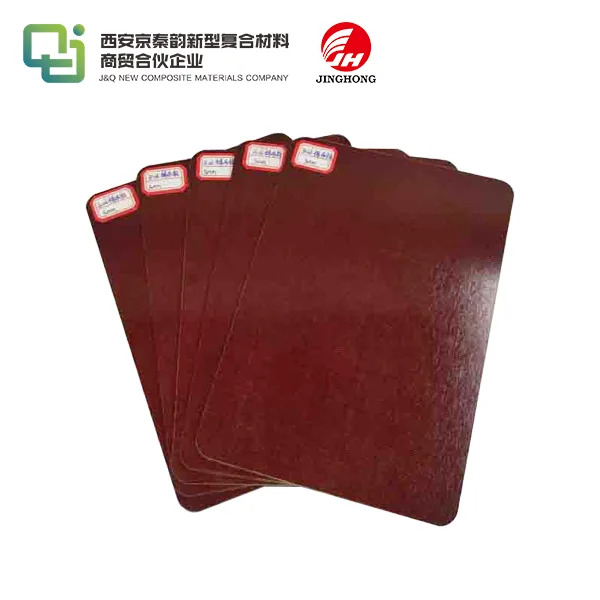
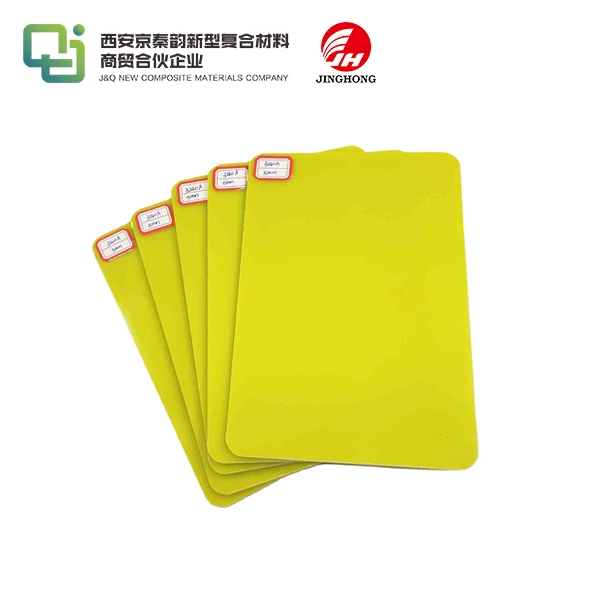
Garolite Material: High-Performance Fiberglass Epoxy Laminate
2026-03-05 16:31:13
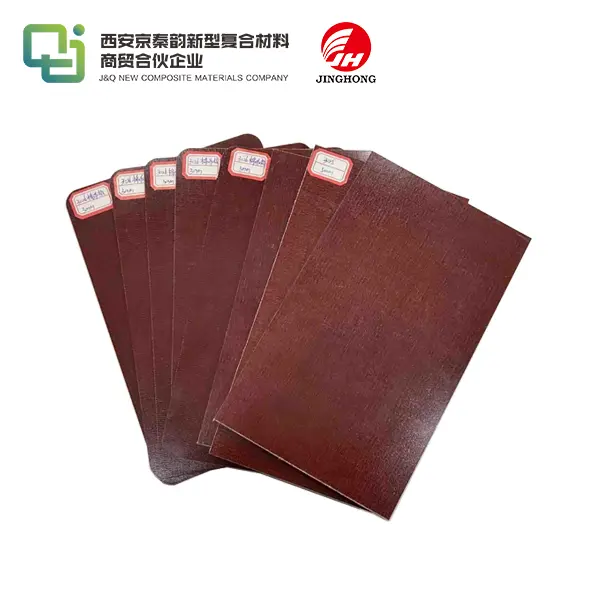
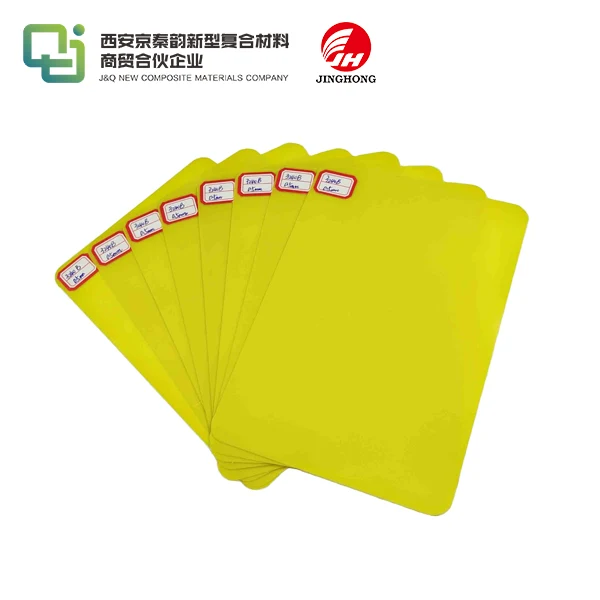
This is the best kind of fiberglass epoxy laminate, and Garolite material has great electrical insulation qualities along with great mechanical strength. This advanced composite material is made of woven glass cloth that has been mixed with epoxy resin to make a strong material that can be used in harsh industrial settings. Garolite's high performance qualities help engineers and purchasing managers in many different industries make sure that strict requirements are met for electrical equipment, power systems, and precision machinery parts.
What is Garolite Material: Properties and Composition
To understand what garolite is made of and how it works, you have to look at its complex structure and the science behind its amazing properties. This advanced composite material is the result of decades of work to improve materials engineering. It is a product that meets the strictest industry standards.
Understanding Garolite Material Composition
The amazing qualities of garolite come from the way its composite structure was carefully designed. The main reinforcement is woven glass cloth, which has great tensile strength and dimensional stability. This fiberglass reinforcement makes a three-dimensional grid that spreads mechanical loads evenly through the material. This stops areas of high stress that could cause it to break.
The epoxy resin matrix is also very important to the function of garolite. Epoxy resins of the highest quality get into every thread of the glass weave, making a uniform composite that is better at insulating electricity. During lamination, precise temperature and pressure control are used to make sure that all the resin is absorbed and that the fiber-to-resin ratio is just right.
Standards for quality control in the making of garolite include meeting the requirements of NEMA LI-1, ASTM D709, and IEC 60893. These strict standards make sure that the properties of the materials are the same across different batches of production. This gives engineers faith in their design calculations and expectations for long-term performance.
Key Physical and Mechanical Properties
Garolite has great engineering properties that make it useful for building structures that need to be strong and insulated from electricity. Tensile strength is usually between 30,000 and 45,000 psi, and bending strength is usually higher than 50,000 psi. Because of these features, garolite can be used in load-bearing situations where other shielding materials would not work.
Impact resistance is another important benefit, especially in situations where shaking or mechanical shock are likely to happen. The glass fiber support spreads out and absorbs impact energy, stopping cracks from spreading that could damage both the mechanical and electrical performance. This quality is very useful in aerospace and automotive uses where parts need to be able to handle dynamic loading.
Precision-machined parts keep their specs throughout their service life because they are dimensionally stable across a wide range of temperatures. The low coefficient of thermal expansion keeps thermal stress to a minimum in systems made of materials that expand at different rates. This lowers the chance that something will break mechanically or electrically.
Electrical Insulation Properties
Garolite is an electrical protection material that works better than many others, so it is essential for high-voltage uses. The dielectric strength is usually higher than 15,000 volts per millimeter, which gives designers of electrical tools a lot of room for error. This high breakdown voltage lets insulation sections be thinner, which helps make equipment designs smaller.
Volume resistivity measurements always show that the material is a good insulator, with values above 10^14 ohm-cm under normal test circumstances. This high resistance makes sure that there aren't many leaking currents, even in high-voltage situations. This helps keep things safe and saves energy.
Garolite is different from phenolic and other organic insulation materials because it can prevent arcs and trackers. The epoxy matrix and glass fiber reinforcement don't turn carbonized when electrical stress is applied, so the insulator stays strong even after being exposed to electrical arcing. In switchgear and power distribution settings where arc faults can happen, this feature is very important.
Thermal Resistance and Temperature Performance
The continuous working temperature ranges from -50°C to +155°C, which is more than enough for most industrial uses. Because it can handle a wide range of temperatures, garolite can be used in both cold storage facilities and high-temperature industrial processes without changing its electrical or mechanical qualities.
Depending on the epoxy mixture, the glass transition temperature range is usually between 140°C and 180°C. This measure tells engineers the temperature at which the material starts to soften, which is very important for thermal design calculations.
Comparing to solid materials, garolite's thermal conductivity values stay low. This makes it better at insulating against heat while keeping its main electrical insulation function. This ability to do two things at once makes design easier in situations where both thermal and electrical separation are needed.
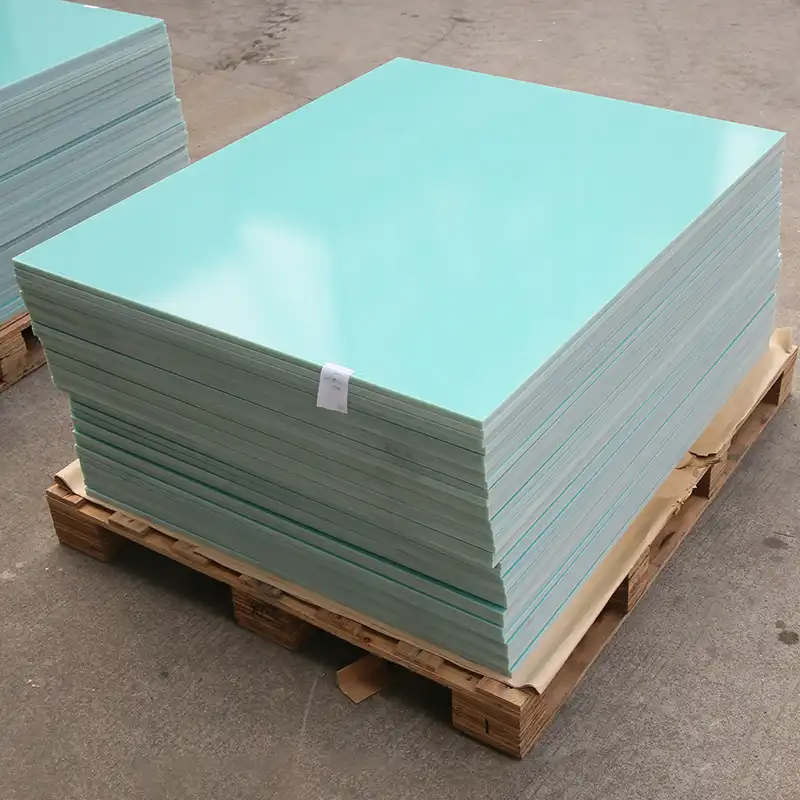
Garolite vs Other Industrial Materials: Performance Comparison
If you want to choose the best insulation material, you need to know how garolite stacks up against other options. Even though each type of material has its own benefits, garolite always performs better overall in tough situations.
Garolite vs G10 Material Analysis
Glass fiber reinforcement and epoxy resin matrices are used in both garolite and G10 materials, but the performance properties are different because of small changes in how they are made and how the resin is mixed. Most of the time, G10 material has slightly higher mechanical strength properties, while garolite material usually has better electrical properties and better cutting properties.
A cost-effectiveness study shows that because of its improved electrical properties and processing features, garolite often provides better value for electrical insulation uses. The material is easy to work with, which lowers the cost of making things out of it, and it doesn't need much upkeep over time.
Electrical insulation projects should use selection factors that focus on electrical performance needs, operating temperature ranges, and mechanical loading conditions. Garolite works great in places where the electrical properties need to stay the same even when the temperature changes. This makes it perfect for power transfer and control equipment.
Garolite vs Phenolic Resin Comparison
When comparing mechanical strengths, garolite always comes out on top over phenolic materials. This is especially true when the materials need to be resistant to dynamic loading or impacts. The glass fiber reinforcement gives the material better tensile and flexural strength, which lets designers make thinner pieces and smaller designs.
When choosing materials for chemical protection and environmental performance, it's important to think carefully about the conditions under which they will be used. Garolite is very resistant to most industrial chemicals and keeps its properties even when it's very wet outside. Phenolic materials, on the other hand, may absorb water and change size.
An study of application suitability shows that garolite works better in precise tasks that need tight tolerances for size and consistent electrical properties. When cost is more important than performance, phenolic materials are still a good option, but garolite's better qualities often make the extra cost worth it.
Garolite vs FR4 and Fiberglass Materials
In many electrical uses, flame retardancy is very important, and both garolite and FR4 materials meet strict fire safety standards. The better flame retardant properties of FR4 make it the best choice for electronics, while the better mechanical properties of garolite make it the best choice for power tools.
These materials are very different in how they behave when they are machined. Garolite usually has better surface finish and less tool wear during manufacturing. This benefit means that it costs less to make precision parts and the final parts are more accurate in terms of their dimensions.
Because it doesn't change shape easily and doesn't react to temperature changes, garolite is good for long-term reliability in harsh settings. The material keeps its properties for a long time, which means it doesn't need to be maintained as often and is more reliable in important applications.
Industrial Applications and Use Cases
Garolite can be used successfully in a wide range of industries because it has a unique mix of electrical, mechanical, and thermal qualities that make it useful in all of them. Knowing about these uses helps engineers see places where their own projects could be more productive.
Electrical Insulation Applications
The main places where garolite's electrical properties make a difference in safety and efficiency are on terminal boards and electrical panel parts. Power distribution equipment can work reliably because the material can keep its insulation integrity under high voltage stress. Garolite parts are used in factories to keep electrical problems from happening that could cost a lot of money or cause accidents.
Garolite's mechanical strength is used in switchgear insulation and bus support systems to hold heavy wires in place and separate the electrical currents between phases. The material's dimensional stability makes sure that important gaps stay the same throughout the equipment's lifetime, which stops electrical problems caused by heat expansion or mechanical settling.
Garolite's high dielectric strength and arc protection make it a great material for insulating high-voltage equipment. Power transformers, circuit breakers, and other important electrical equipment use garolite parts to make sure they work safely and reliably even when there is a lot of electrical stress.
Aerospace and Defense Applications
Materials that are both light and strong and don't catch fire are needed for parts of an airplane's interior and structure. These strict standards can be met by Garolite, which also protects aircraft systems and equipment from electrical damage. Because it can keep its properties at high altitudes and across a wide range of temperatures, the material is essential for use in aircraft.
Garolite is used in military equipment housings and safety barriers because it blocks electromagnetic interference and protects against mechanical damage. Defense companies use garolite for tasks that need to keep electrical wiring safe and keep structures strong in harsh environments.
Garolite has a great strength-to-weight ratio, which makes it useful for lightweight structural uses that need high strength. The material makes it possible to reduce weight without affecting performance. This helps aerospace uses use less fuel and carry more weight.
CNC Machining and Custom Fabrication
The tight tolerances for machining and smooth surface finish of Garolite material make it possible to make complicated parts with exact measurements. The material cuts smoothly without delamination or fiber pullout, making smooth surfaces that meet strict requirements for use in electrical equipment.
When it comes to tool wear, garolite is better than many other materials because it has a uniform structure and a steady hardness that keep cutting tools from breaking down. This feature lowers the cost of production and makes sure that the dimensions stay the same across production runs, which is especially important for high-volume uses.
Because garolite is so easy to machine, it opens up more ways to make custom parts. It's possible to make complicated geometries that would be hard or impossible to make with ceramic or metal insulation materials. This gives engineers the freedom to make designs that work best for each purpose.
High-Temperature Industrial Applications
Garolite's ability to insulate heat and hold things together well makes it useful for heat shields and thermal barriers in industrial equipment. The material keeps its properties even when it's heated up, protecting sensitive parts and creating a safety barrier for people.
Garolite is used in harsh process settings because it is resistant to chemicals and doesn't change shape when heated or cooled. The material is useful for petrochemical, pharmaceutical, and specialty chemical manufacturing sites because it can handle both chemical exposure and changing temperatures.
For use in industrial furnaces and ovens, materials must be able to keep their shape and electrical insulation qualities at high temperatures. Garolite parts in heating element supports, thermal shields, and control system housings make sure that high-temperature industrial processes work reliably and safely.
Garolite Material Selection and Procurement Guide
For garolite to work well in industrial settings, specific material requirements, supplier skills, and long-term performance needs must be carefully thought through. By knowing about these things, you can make smart choices about procurement that improve both performance and cost-effectiveness.
Thickness Options and Standard Sizes
The thicknesses of sheets that are available usually range from 0.5mm to 100mm, so they can be used for a wide range of purposes, from making thin electrical insulation barriers to thick structure parts. Standard thickness increments are based on both metric and imperial systems. Common stock thicknesses of 3mm, 6mm, 12mm, and 25mm are all easily available.
Standard sheet sizes usually come in 1000mm x 2000mm and 48" x 96" sizes, which lets you use a variety of cutting shapes and part layouts. Custom sizes are available to meet the needs of specific applications, but lead times may be longer for sizes that aren't common.
Figuring out weight is necessary when the amount of material used changes how well a system works or how much it costs to ship. The density of garolite is usually between 1.8 and 2.0 g/cm³, which lets designers and people in charge of logistics make accurate weight estimates.
Grade Selection Criteria
Different types of garolite have qualities that work best for certain types of applications. For example, electrical-grade formulations focus on dielectric properties, while mechanical-grade formulations focus on strength and impact resistance. By understanding these differences, you can choose the best material for a given purpose.
When recommending a grade for a certain application, experts look at things like the working temperature range, the level of electrical stress, the mechanical loading conditions, and the amount of exposure to the environment. Talking to suppliers of the material can help you figure out how to match grade standards to application needs.
Quality certifications and compliance rules are different for each business and application. For example, aerospace and defense applications usually need a lot more paperwork and the ability to track it. For some markets, grade choice may be affected by UL recognition, ROHS compliance, and military requirements.
Supplier Evaluation and Quality Assurance
Some important things to look for in a reliable garolite provider are the ability to manufacture, the presence of quality control systems, the availability of technical support resources, and the stability of the supply chain. By looking at these factors, you can be sure that the quality of the materials will stay the same and that they will arrive on time for important uses.
Standards for quality control and testing should be in line with what the application needs and with industry standards. Suppliers should also provide full test results and certifications. Quality audits and incoming inspection procedures that are done on a regular basis help keep material performance consistent.
Reliability in the supply chain and transportation issues become very important for planning production and keeping track of inventory. Building relationships with several skilled suppliers gives you backup plans, the chance to get better prices, and the assurance that the materials will be available.
Cost Factors and Budget Planning
Price per pound of Garolite material must take into account the grade of the material, the amount needed, and the state of the market. Buying in bulk usually gets you a deal. Long-term supply deals may help keep prices stable and make sure that people get what they need when supplies run out.
When you figure out the total cost of ownership, you should include the prices of materials, labor, quality control, and keeping an inventory on hand. Because it is so easy to work with, garolite is often more cost-effective than harder materials when it comes to manufacturing.
Long-term value review looks at how well the material works, how reliable it is, how much maintenance it needs, and how much it will cost to replace over the part's service life. Even though they cost more at first, higher-grade materials may be worth it in the long run because they require less upkeep and need to be serviced less often.
Machining and Fabrication Guidelines
Proper machining techniques and fabrication practices are essential for realizing garolite's full performance potential while maintaining safety and quality standards. Following established guidelines ensures optimal results and minimizes manufacturing costs.
CNC Machining Best Practices
Recommended cutting speeds and feed rates for garolite depend on tool geometry, material thickness, and desired surface finish. Typical speeds range from 200 to 800 surface feet per minute for carbide tools, with feed rates adjusted to prevent heat buildup and ensure smooth cutting action.
Tool selection significantly impacts machining quality and efficiency, with carbide tools generally providing the best combination of cutting performance and tool life. Sharp cutting edges minimize fiber fraying and delamination, producing clean surfaces that meet demanding specifications.
Surface finish optimization techniques include proper tool selection, appropriate cutting parameters, and adequate coolant application. These practices ensure smooth surfaces that meet electrical equipment requirements while minimizing post-machining operations.
Safety Considerations and Handling
Personal protective equipment requirements include respiratory protection during machining operations to prevent inhalation of glass fibers and dust particles. Eye protection and appropriate clothing protect against mechanical hazards during handling and fabrication operations.
Dust control and ventilation systems are essential for maintaining safe working conditions during garolite machining. Proper ventilation removes airborne particles while dust collection systems prevent accumulation of combustible materials in work areas.
Material safety data sheet information provides detailed guidance for safe handling, storage, and disposal of garolite materials and associated waste products. Understanding these requirements ensures compliance with occupational safety regulations and environmental standards.
Quality Control and Inspection
Coordinate measuring tools, optical comparators, and precision measuring instruments that are right for the part tolerances and inspection needs are some ways to check the accuracy of measurements. Regular testing makes sure that measurements are accurate and can be tracked.
The factors for judging surface quality include looking for delamination, fiber exposure, and measuring the roughness of the surface. These tests make sure that made parts meet certain electrical and mechanical performance standards.
Depending on the needs of the application, performance testing and validation processes may include checking the electrical and mechanical properties and figuring out how much exposure the product will get from the environment. These tests make sure that the finished parts work as expected and meet the design requirements.
Conclusion
When it comes to reliable, high-performance electrical insulation with great mechanical features, Garolite material is unmatched. This whole guide has been all about the special things about garolite that make it the best material for tough industrial uses in many different areas. Garolite consistently provides the performance reliability that modern industrial equipment needs, thanks to its excellent electrical insulation qualities, ease of machining, and ability to keep its shape over a wide range of temperatures. Because the material is so flexible, it can be used successfully in places where failure is not an option, such as in electrical equipment, aerospace parts, automotive systems, and precise machinery.
FAQ
What makes Garolite superior to other insulation materials?
Garolite combines exceptional electrical insulation properties with superior mechanical strength and thermal resistance. Its fiberglass epoxy construction provides better dimensional stability and lower moisture absorption compared to phenolic materials, while offering better machinability than ceramics. The material maintains consistent properties across wide temperature ranges and resists degradation under electrical stress.
How do I determine the right Garolite thickness for my application?
Thickness selection depends on your specific electrical, mechanical, and thermal requirements. Consider factors such as voltage levels, mechanical loads, space constraints, and thermal cycling. Our engineering team can provide detailed calculations based on your application specifications, ensuring optimal performance and safety margins.
What is the typical lead time for custom Garolite components?
Standard garolite sheets are typically available for immediate shipment from our extensive inventory, while custom machined components usually require 2-3 weeks depending on complexity and quantity. Rush orders can often be accommodated with expedited processing through our streamlined manufacturing capabilities.
Partner with J&Q for Premium Garolite Material Solutions
J&Q brings over 20 years of manufacturing expertise and 10 years of international trading experience to deliver exceptional garolite material solutions for your critical applications. Our comprehensive one-stop service includes material selection consultation, precision machining, quality certification, and integrated logistics through our dedicated shipping company. Contact our technical specialists at info@jhd-material.com to discuss your specific requirements and discover why leading manufacturers choose J&Q as their trusted garolite material supplier for mission-critical applications.
References
ASTM International. "Standard Specification for Laminated Thermosetting Materials." ASTM D709-17, Annual Book of ASTM Standards, Volume 08.01.
National Electrical Manufacturers Association. "Industrial Laminating Thermosetting Products - Specifications." NEMA LI 1-1998, Standards Publication.
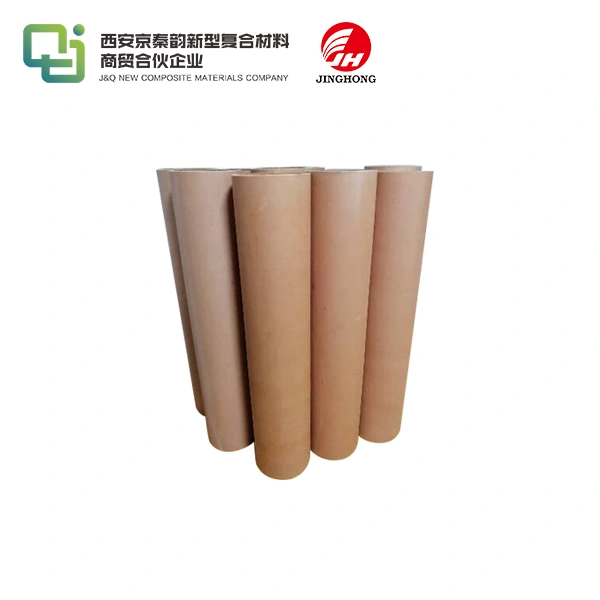
International Electrotechnical Commission. "Insulating materials - Industrial rigid round laminated tubes and rods based on thermosetting resins for electrical purposes." IEC 60893-3-1:2003.
Mallick, P.K. "Fiber-Reinforced Composites: Materials, Manufacturing, and Design." Third Edition, CRC Press, Mechanical Engineering Series.
Hull, Derek and Clyne, T.W. "An Introduction to Composite Materials." Second Edition, Cambridge Solid State Science Series, Cambridge University Press.
Chawla, Krishan K. "Composite Materials: Science and Engineering." Fourth Edition, Materials Research and Engineering Series, Springer-Verlag.