Hardness Testing: Comparing the Rockwell Hardness of G10 and Bakelite Sheet
2026-07-14 17:24:05
Rockwell hardness is a key factor for engineering managers and buying teams when they look at composite materials for mechanical and electrical insulation uses. When compared to phenolic-based Bakelite sheets, the G10 sheet, which is made of continuous fiber glass cloth and epoxy resin, is usually harder. This basic difference affects how well they fight wear, how easy they are to machine on a CNC machine, and how long they last in a variety of industrial settings. Being aware of these differences in strength lets you choose the right material for the job and make sure it will last for a long time.
Understanding Hardness Testing and Rockwell Hardness
Hardness as a Material Performance Indicator
The hardness of a material is a measure of how resistant it is to localized plastic deformation. This is usually done by indenting the material. This trait is directly linked to how well something resists wear, how much weight it can hold, and how stable its dimensions are under mechanical stress. Industry professionals use the Rockwell hardness test all the time because it gives accurate results quickly and doesn't hurt the test sample. Rockwell testing, on the other hand, lets you check the quality of multiple production runs while keeping the material's structure for later use.
Rockwell Testing Methodology and Scales
In the Rockwell test, a normal load is put through a diamond cone or a hardened steel ball indenter. The depth of penetration is measured to get the hardness number. Different scales can be used for different types of materials. For example, the Rockwell M and R scales are usually used for plastics and composite materials. Starting with a small load to seat the indenter is part of the test process. Next, a large load makes the lasting indentation. The hardness reading is based on the depth difference after the major load is taken away while the minor load is kept. This method can be used again and again in different testing sites and factories, so buying teams can get comparable data from all suppliers, no matter where they are located.
Correlation Between Rockwell Hardness and Composite Performance
Higher Rockwell hardness values in composite sheets mean that they are less likely to get scratched, keep their shape better under compression loads, and last longer in high-friction situations. Electrical shielding parts are harder, which keeps the dielectric gap even when the temperature changes. Mechanical gaps and structural supports keep things from deforming in ways that could make it harder to line up equipment. Understanding this link helps procurement experts turn technical datasheets into predictions of how things will work in the field. This lowers the chance that materials will fail and cause delays in production plans.
Material Profiles: G10 Sheet vs Bakelite Sheet
G10 Composite Construction and Properties
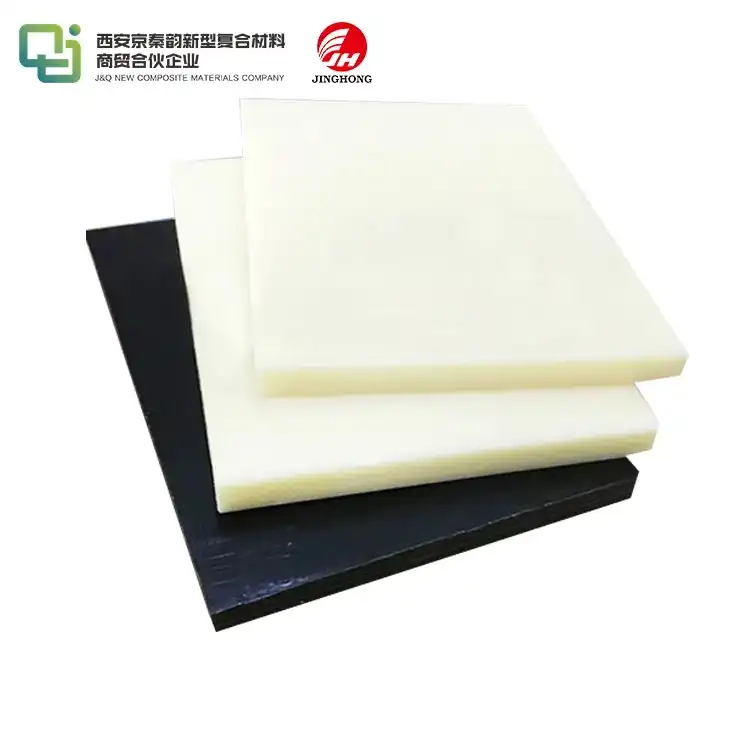
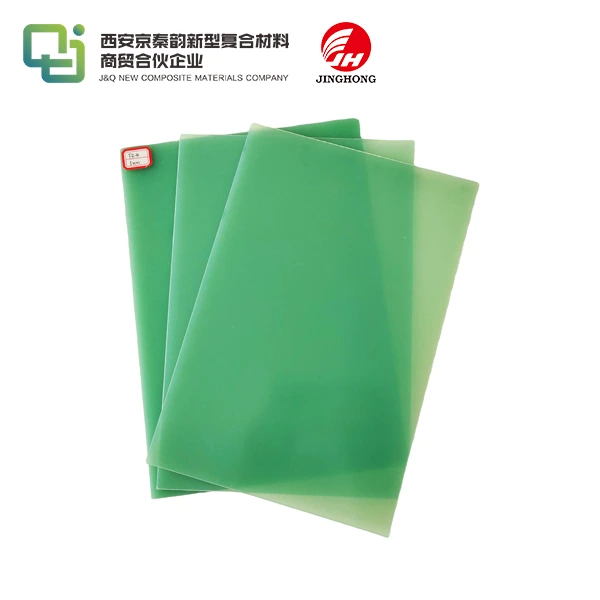
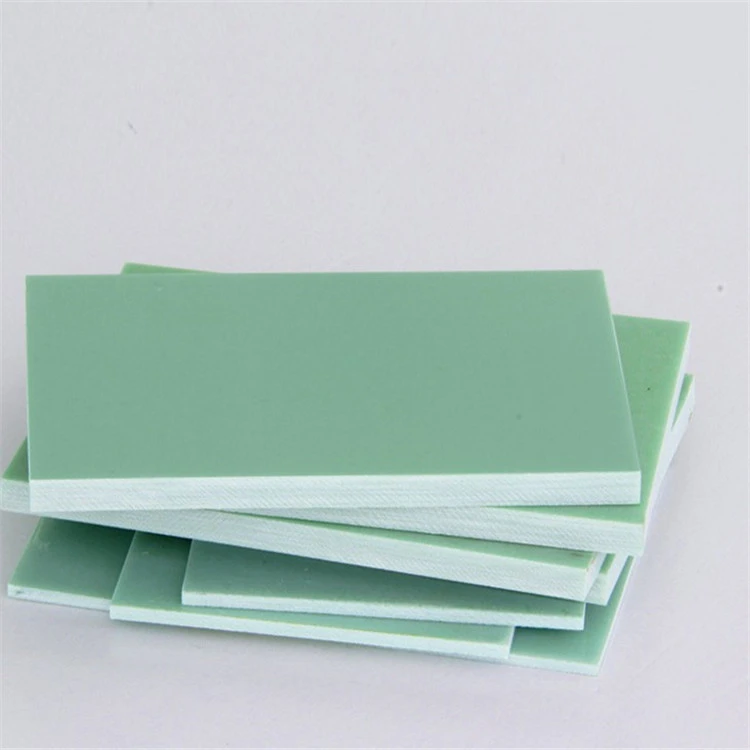
G10 sheets are high-pressure fiberglass laminates made by adding epoxy glue to continuous weave glass cloth and then heating and pressing it to harden. This method of making things creates a thermoset material that is very strong mechanically and doesn't absorb much water—usually less than 0.1% when submerged. The glass support gives the structure strength and keeps the dimensions stable even when the temperature changes. When epoxy resin systems harden, they form cross-linked molecule networks that are resistant to chemical attack and keep their dielectric qualities even when they are wet.
Because the material has a low rate of temperature expansion, it can be used in precise situations where changes in size would make it less useful. Electrical experts like that G10 sheets have a high dielectric strength that is not perpendicular to the laminations. This strength is usually greater than 30 kV/mm. The glass content, on the other hand, makes it hard to machine because it needs carbide or diamond tools to handle the abrasiveness. The material can be used at temperatures that are always around 130°C, with short-term trips to higher temps possible based on changes in grade.
Bakelite Phenolic Composition and Characteristics
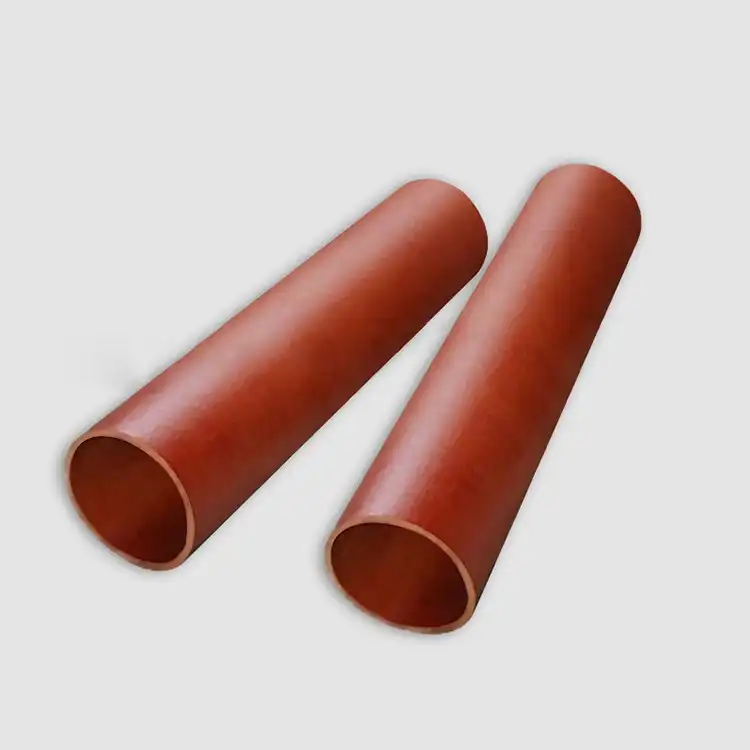
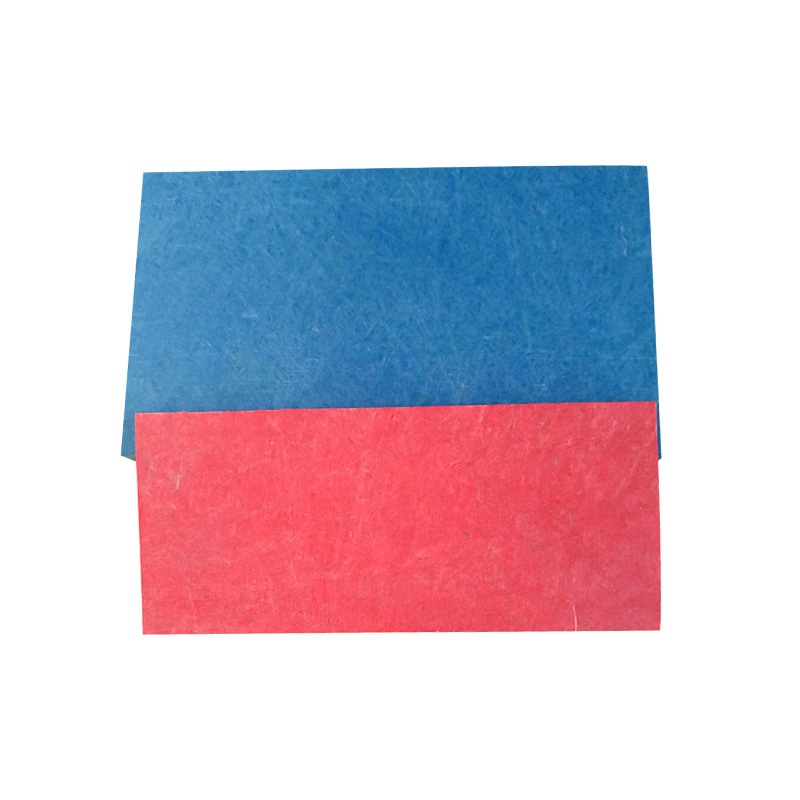
Bakelite sheets are made of phenolic resin mixed with different kinds of reinforcements, most often paper or cotton cloth. This thermosetting plastic was created more than one hundred years ago. It hardens through polymerization into a solid that can't be melted again. The phenolic structure is good at blocking electricity and flames, so it can be used in many electrical situations without the need for brominated flame retardants.
Compared to glass-epoxy laminates, Bakelite sheets are easier to work with normal tools, which lowers the cost of processing. In many structural situations, the material's mechanical qualities are good enough, and it costs less than high-end glass-epoxy options. Rates of moisture absorption are higher than those of G10 sheets, usually between 0.5% and 2%, based on the type of reinforcement and the resin mixture. In places with a lot of humidity, this feature needs to be thought about because changes in size could affect assembly standards. Thermal efficiency usually allows continued operation up to about 120°C, which is good for a lot of motor and utility uses.
Comparing the Rockwell Hardness of G10 and Bakelite Sheets
Typical Hardness Value Ranges
Rockwell hardness numbers for G10 sheets are usually between M100 and M110 on the Rockwell M scale. This is because the material is made of thick glass reinforcement and fully cured epoxy matrix. In this range, the end hardness is affected by things like the amount of resin used, the hardening plan, and the conditioning done after curing. When premium grades are put through longer post-cure processes, they may reach values close to M115, which maximizes cross-link density and mechanical qualities.
The Rockwell hardness of Bakelite sheets is usually between M80 and M95, but it can be higher or lower depending on the type of support and the phenolic mixture. Paper-based Bakelite sheet laminates are on the lower end of this range, while adding cotton cloth support makes them a little better. This main difference is caused by the fact that the glue system is lighter than epoxy. However, the material is still hard enough for many uses. Changes in the environment and the amount of moisture present at the time of testing can cause measurements to be off, especially for Bakelite sheet materials that are more sensitive to moisture.
Performance Implications of Hardness Differences
Because G10 sheets are harder than other materials, they resist wear better in high-friction situations. The harder surface that doesn't let material come off is good for parts that are constantly touching, moving, or being in rough settings. Electrical insulation walls stay where they're supposed to be even when metal parts next to them expand and contract due to heat. When features are CNC made, the edges stay sharper and don't get microchipping like they can with softer materials.
Bakelite sheets aren't very hard, but they are good for uses where cost-effectiveness and ease of manufacturing are more important than extreme wear resistance. The material cuts neatly with standard tools, which cuts down on the time it takes to make things and the cost of replacing tools. In fixed insulation uses, a small amount of surface deformation under high pressure loads rarely affects how well the insulation works. When purchasing managers understand these trade-offs, they can match the hardness of materials to their real service conditions instead of automatically choosing high-end materials when normal grades will do.
Selecting the Right Composite Sheet Based on Hardness and Application Needs
Decision Framework Using F1 Criteria Screening
A methodical evaluation technique strikes a balance between the needs of technology and the facts of the economy. The F1 criteria screening method puts important performance factors at the top of the list while also taking into account budget limits that affect the total cost of ownership. To choose the best material, you should weigh the standards for hardness against those for dielectric strength, temperature resistance, machining complexity, and wait times for getting the material.
The extra cost of G10 sheets is worth it for electrical equipment parts that need to be very resistant to arcs and keep their shape over many years of use. The greater hardness of the material stops erosion from following currents and keeps insulation shields in place even when temperatures change. Often, Bakelite sheet alternatives work just fine in motor parts of home products that work at normal temperatures and don't have to handle a lot of mechanical stress. During high-volume production runs, the difference in cost becomes noticeable, making the company more competitive without lowering the quality of its products.
Application-Specific Material Recommendations
G10 sheet hardness, resistance to wetness, and insulating strength make it useful for high-voltage electrical equipment. Power distribution systems, generator supports, and buss bar insulation all work in situations where material wear and tear can have bad effects. Investing in high-quality materials pays off by extending the time between repair visits and lowering the risk of failure. Barriers between cell modules in automotive battery packs need to have similar performance traits, especially as voltage levels rise in systems for electric vehicles.
When mechanical spacers, gears, and wear plates are used in industrial machinery, they need to be carefully looked at. Harder materials that don't wear down easily are better for things that are constantly rotating or moving. Bakelite sheets can be used for stationary structure insulation that supports electrical components as long as the temperature and humidity are okay. When home appliance makers have to balance cost concerns with quality standards, they find that Bakelite sheet materials work well for motor brackets and thermal separation parts that don't need to be very hard.
Practical Insights and Case Studies on Using G10 vs Bakelite Sheets
Electrical Insulation Performance in Switchgear
After having early problems in coastal sites, one transformer maker switched from Bakelite sheets to G10 sheets for insulation barriers. Marine environments with a lot of humidity made Bakelite materials soak up water, which made them grow and lose their insulating strength. Nearly no wetness was absorbed by G10 sheets, so critical gaps were kept, and the harder surface stopped contamination layers from tracking. The dependability of the equipment got a lot better, and guarantee claims dropped a lot across all of the affected product lines.
The purchasing team was hesitant at first because the cost of materials was going up, but data from field service showed that they would save a lot of money by not having to make as many repair calls and replace as many parts. The rougher finish on G10 sheet surfaces made it easier to clean during routine upkeep, since dirt and grime could be wiped off without damaging the insulation surface. This example shows how hardness affects the total cost of ownership over a material's lifetime, in addition to the original buy price.
Mechanical Component Applications
An industrial equipment maker that makes precision positioning stages needed insulation spacers that could keep their exact thickness under constant compression loads. In the first tests with paper-based Bakelite sheets, the width gradually decreased under long-term pressure, which made it harder to get the edges to line up correctly. When they switched to G10 sheets, this creeping stopped happening because the harder material kept its shape during increased life testing. Because it was harder, it was more stable mechanically, which Bakelite sheet alternatives couldn't do in this tough situation.
On the other hand, a home appliance brand successfully used cotton-fabric Bakelite sheets for motor mounting frames when they were trying to cut costs by focusing on less important parts. The mild hardness worked well for holding motors in place without worrying about slipping or high-frequency vibration. The decision to match material grades exactly to application needs instead of over-specifying premium materials paid off as saves on purchases surpassed goals and quality metrics stayed within acceptable ranges.
Conclusion
When you compare the Rockwell hardness of G10 sheets and Bakelite sheets, you can see that they work very differently, which helps you choose the right material. Glass-epoxy G10 sheets have higher hardness levels, usually between M100 and M110. This means they are more resistant to wear and have better dimensional stability, which is important for difficult electrical and mechanical uses. Bakelite sheets with thicknesses between M80 and M95 are hard enough for moderate-duty uses and are cheaper and easier to machine. When making purchasing decisions, it's important to weigh the needs for strength against the needs of the specific application. This is because the best material choice takes into account the whole lifecycle performance, not just a few technical specs. When engineering teams understand these hardness qualities, they can choose materials that meet performance needs without adding extra costs that aren't necessary.
FAQ
How does Rockwell hardness affect composite sheet lifespan?
In applications that are subject to a lot of wear and tear, higher hardness numbers directly connect with longer service life. Harder materials don't wear down as easily when they're rubbed, keep their shape when they're under mechanical stress, and can handle repeated temperature cycles without cracking on the surface. In electrical uses, where surface tracking can cause insulation to fail, the link is especially important.
Can G10 and Bakelite sheets be used interchangeably?
Interchangeability is completely determined by the needs of the product. In almost all situations, G10 sheets can be used instead of Bakelite sheets, but because of their higher cost, this may not be realistic. Bakelite sheets can't be used instead of G10 sheets when better resistance to moisture, higher hardness, or higher electrical strength are needed for effective operation. The viability of a substitution is determined by an engineering study of the real business conditions.
What other factors beyond hardness matter for material selection?
Decisions about what to buy are affected by things like temperature resistance, moisture absorption, dielectric strength, flame resistance, machining properties, and the supply of the material. The hardness of a material is just one of many factors that determines its usefulness. A full review looks at how these features work together in certain application settings to change the product's long-term dependability and total cost of ownership.
Partner with J&Q for Premium G10 Sheet Solutions
At J&Q, our dedication goes beyond just selling composite materials. We also offer engineered solutions backed by more than 20 years of production experience and full professional support. As a well-known company that makes G10 sheets, we know that choosing the right insulation material can affect how well your equipment works and how much you can make. Whether you need high-voltage switchgear parts or precise mechanical insulation, our expert team can help you with detailed specs, application advice, and material suggestions that are made just for you.
We keep a large stock of many grades and sizes of G10 sheet, so we can quickly meet the needs of both prototypes and large production runs. Our integrated logistics skills make foreign shipping easier by making tracking clear and giving reliable delivery schedules that help you plan your production. Email our procurement experts at info@jhd-material.com to talk about the needs of your product, get detailed datasheets, or set up samples of the material. Visit jhd-material.com to see our full catalog of products and learn how our "one-stop service" makes it easier for you to find composite materials.
References
NEMA Standards Publication LD 3-2005, "High-Pressure Decorative Laminates," National Electrical Manufacturers Association, 2005.
ASTM D785-08, "Standard Test Method for Rockwell Hardness of Plastics and Electrical Insulating Materials," American Society for Testing and Materials, 2015.
Harper, Charles A., "Handbook of Plastics, Elastomers, and Composites," Fourth Edition, McGraw-Hill Professional, 2002.
Lubin, George, "Handbook of Composites," Van Nostrand Reinhold Company, 1982.
Garbassi, Fabio et al., "Polymer Surfaces: From Physics to Technology," Revised and Updated Edition, Wiley, 1998.
Margolis, James M., "Engineering Thermoplastics: Properties and Applications," Marcel Dekker Inc., 1985.