How About the Processability of Phenolic Laminated Cloth Board?
2026-04-30 16:25:53
Phenolic laminated cloth board stands out because it is so easy to work with in industrial cutting settings. It is easy to drill, cut, thread, and make this composite material without the tools wearing out too quickly or delaminating. These are all benefits that engineering teams look for when choosing materials for precision parts. The cotton cloth base is better for cutting than options made of glass-reinforced plastic because it has clean lines and tight specs that meet strict production needs. When purchasing insulation materials for electrical, mechanical, and automobile uses, buying workers can make more confident choices when they know about these handling options.
Understanding Phenolic Laminated Cloth Board: Composition and Key Properties
Phenolic laminated cloth board, also called phenolic cotton cloth sheets or textolite, is a well-known hybrid material made by pressing layers of cotton fabric that are saturated with phenol-formaldehyde glue while they are hot. Multiple layers of cloth are bonded together using controlled heat and pressure. This makes a hard laminate that has the flexibility of natural fibres and the chemical stability of phenolic resins that have been fixed.
Core Manufacturing Process and Material Science
To start the process of making something, high-quality cotton cloth is thoroughly saturated with phenolic resin mixtures. This glue method goes all the way through the cloth, making sure that it is evenly spread out in all of the layers. Temperatures usually hit 150°C to 170°C during the pressing cycle. Hydraulic pressure brings the layers together, which starts the thermosetting process. This hardening process makes cross-linked molecular bonds that are permanent and can't be undone by heating the board again. This is what gives the finished board its stability in shape and resistance to heat.
Mechanical and Physical Characteristics
The cotton base material gives phenolic laminated boards amazing compression strength that is higher than 150 MPa in many types. This means that they can handle heavy mechanical loads without permanently deforming. The interlaminar linking strength keeps the layers from separating, even when there is shaking or contact, which can happen in machines. It has a density between 1.30 and 1.45 g/cm³, which makes it a good material for building parts because it is strong for its weight.
The thermal performance is also very good, with Class E temperature ratings that allow continued use up to 105–120°C, based on the grade. The substance stays the same size at temperatures ranging from -65°C to +105°C, which means it can be used in both cold storage areas and relatively hot industrial settings. This temperature durability is better than that of many plastics options, and the electrical shielding qualities stay the same.
Chemical Resistance and Environmental Durability
Mineral oils, hydraulic fluids, weak acids, and most organic solvents can't damage cured phenolic resin systems very well. This is very important for parts that will be exposed to industrial fluids. The material doesn't absorb water as easily as wood-based walls do, so it stays structurally sound in damp places. This chemical stability makes sure that the parts will last a long time in transformer oil absorption, oiled bearing systems, and equipment used for chemical processing.
Phenolic cotton cloth sheets are better at resisting moisture and holding up under load than options like MDF or particleboard. Not only is plywood strong, but it also doesn't have the electrical protection and chemical defence that phenolic laminates do. The material is also better than standard Bakelite formulations at withstanding impacts and being easy to machine, which is why it is still used in tough industrial situations.
Processability of Phenolic Laminated Cloth Board: Key Factors and Considerations
Because they can be machined so easily, phenolic cotton cloth laminates are very useful for making other things. Engineers like how well these boards work with regular welding and woodworking tools, which lets them make complicated shapes quickly and easily without having to use special tools.
Cutting and Shaping Operations
Standard saw blades with carbide tips can easily cut phenolic laminated cloth board at normal feed rates, making much less dust than when cutting glass-reinforced epoxy materials. Because the base is made of cotton, the blade teeth can contact easily without the rough wear that comes from glass fibres. When workers keep the cutting speeds right, band saws, circle saws, and CNC cutters can all cut the material well. The boards make continuous chips instead of powdery dust, which makes cleanup easier and lowers worries about breathing in dust.
Water jet cutting is another great way to process materials because it can make complex shapes without leaving heat-affected areas or tool wear. This method works really well for making prototypes and small batches of products where the cost of the tools needs to be kept as low as possible.
Drilling and Threading Characteristics
When standard high-speed steel or carbide drill bits are used to drill phenolic laminated cloth boards, clean holes are made with few burrs. Because of how it's made, the material doesn't delaminate like stacked plastics can, so holes stay solid even near the edges of the board. The cotton fibre structure firmly grips thread profiles, making threading processes reliable. This is a big improvement over materials made of only resin, which can strip under pressure.
We've seen that using the right amount of water and making test holes greatly extend the life of drilling tools used in production. The material can be machined dry or with a small coating of oil, which gives shops that don't have flood cooling systems more options.
Surface Finishing and Treatment Options
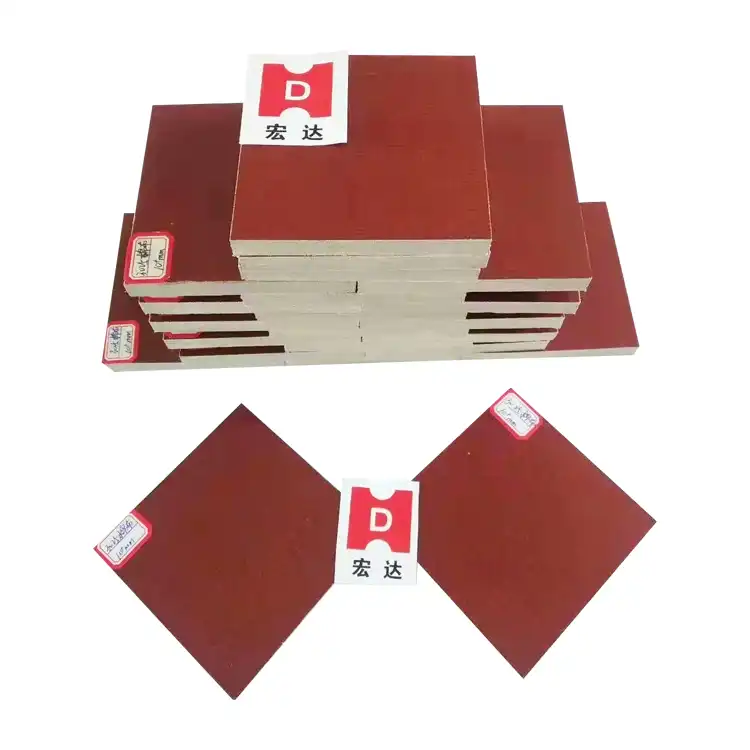
Machined phenolic laminated boards can have different surface processes that make them look better and work better. When phenolic resin cures, it turns a natural dark colour that looks professional and industrial. If you need different colours or surface qualities, you can paint, powder coat, or put on a laminate layer.
Using standard gritty grits to sand surfaces makes them smooth, which prepares bases for glueing or covering. Epoxy adhesives, cyanoacrylates, and structural adhesives stick to the material well, which lets it be put together into complex subcomponents. The board's practical benefits are kept even after extra processing because the surface processes don't change the chemical resistance or electrical qualities underneath.
Common Processing Challenges and Solutions
Overall, phenolic cotton cloth sheets are easy to machine, but workers should keep an eye on how sharp the tools are to keep the cut edges from getting fuzzy from the visible cotton fibres. With sharp tools and the right feed rates, the quality of the clean edges stays high throughout production runs. Due to its small springiness, the material needs to be held properly. Vacuum fittings and mechanical clamps are both good ways to keep the work in place during cutting and drilling.
All cutting should use dust filtration systems to keep the work area clean, but the dust that is made isn't as bad as the glass fibre particles that are released. The material is easier for operators to work with than blends that are rougher.
Best Practices and Tips for Procuring Phenolic Laminated Cloth Board
To buy phenolic cotton cloth laminates successfully, you need to pay attention to the requirements, the supplier's skills, and the quality control procedures. Strategic methods to buying help the engineering and purchasing teams get materials they can trust.
Selecting Qualified Suppliers
Material features for phenolic laminated cloth board are the same across production lots when the maker is well-known and has a quality system that is approved. This is important for parts that need to fit tightly and work reliably. Look for sellers who can provide proof that their products meet international standards like IEC 60893 or NEMA grades, which list the products' electrical, thermal, and mechanical features. Companies that have been making things for decades usually have better process controls than companies that are new to the market.
Checking that possible providers have the right testing tools for measuring dielectric strength, bending stiffness, and other standard factors is something we suggest you do. Instead of depending only on theoretical formulas, this testing capability makes sure that the qualities of the material match the values that were stated.
Understanding Grade Variations and Specifications
There are different types of phenolic cotton cloth sheets that are best for different uses. Type A formulations emphasize electrical insulation properties, featuring higher dielectric strength and lower moisture absorption for transformer components and electrical barriers. Type B grades focus on mechanical strength and ease of machining, and they are used as structural parts in machinery systems where electricity needs are less important.
The number 3526 stands for a standard industrial grade with balanced electrical and mechanical qualities that can be used in a wide range of engineering situations. To make sure that sellers give you the right materials, the procurement specs should make it clear what grade, thickness tolerances, and surface finish are needed.
Customization Options and Lead Times
A lot of providers offer custom cutting services that send boards already cut to the right size based on engineering plans. This cuts down on waste and time spent making in-house. Talk about the minimum order quantity, because making special sizes may take long production runs that aren't cost-effective for small orders. Standard sheet sizes are usually 1000x2000mm and 1220x2440mm, but the exact sizes depend on the maker.
Most of the time, lead times for normal grades are between one and three weeks. For special recipes or odd sizes, the time frame may be four to six weeks. Planning when to buy things around these dates keeps work from being held up.
Quality Verification and Documentation
Asking for licenses and test records for materials for every production lot makes it possible to track them and makes sure they meet the requirements. Before letting materials go into production, they may need to be inspected for dielectric strength, density, and consistency of dimensions in critical uses. Setting clear acceptance criteria in purchase orders keeps supplies from being below par.
When you have questions about specifications, it's often easier to get better expert support and help fixing problems when you work with providers who understand your needs. Suppliers who offer application tech advice add value above and beyond just sending goods.
Real-World Applications and Case Studies Demonstrating Processability
Successful use in tough industrial settings is the best way to find out how processable a material like phenolic laminated cloth board really is. Phenolic composite cloth boards are used in a variety of ways that take advantage of their performance and ability to be machined.
Electrical and Electronics Manufacturing
Manufacturers of switchgear use phenolic cotton cloth sheets as arc shields and insulation supports because they can handle both electrical stress and mechanical shaking. The material can be machined into complicated frames and gap insulators that keep the exact distance between live wires. Manufacturers of motors use phenolic layered parts to support coils and insulate bearings. The thermal stability of the material keeps it from deforming at working temperatures and keeps the rotor and stator sections electrically separate.
Because drilling and countersinking are easy, mounting panels with tight hole spacing can be made quickly, and assembly requirements can be met without having to pay for expensive extra steps. Electrical equipment's dimensions stay accurate throughout its service life, so aligning problems that could hurt performance don't happen.
Industrial Machinery Components
Manufacturers of machinery use phenolic cotton cloth materials to make wear-resistant bushings for farming and packing machines. The low friction coefficient and high wear strength of the material make it last longer than bronze bushings in dusty or rough settings. Because normal lathes can be used to make unique bushing shapes, the casting costs that come with metal options are not necessary.
Because phenolic is a quiet material that doesn't vibrate, gear makers cut it into small-diameter gears for sensor drives and light-duty power transfer. The cotton base can be machined into precise tooth shapes that fit smoothly and don't break easily like materials made only of plastic. When used in food processing machines that can't use regular oils because of pollution worries, these gears work without greasing.
Automotive and Transportation Applications
Manufacturers of electric vehicles use phenolic laminated boards as insulation shields in battery packs to stop heat runaway from spreading between cell modules. The material's ability to fight flames and keep its shape under heat stress are very important safety features. With precise CNC cutting, you can make complex mounting and cooling channel shapes that would be hard to make with thermoset sheet moulding materials.
Phenolic parts are made by auto makers and are used as insulation pads under heating elements and as structural supports in climate control systems. The material doesn't break down when exposed to different temperatures many times, so it stays mechanically sound throughout the life of the car.
Power Distribution and Transformer Manufacturing
Power equipment makers use phenolic cotton cloth laminates a lot when building transformers to protect the coils and separate the phases. The material is perfect for these important insulation jobs because it can handle transformer oil soaking and doesn't conduct electricity. The manufacturers use cutting to make the necessary shapes without having to do any extra shaping. This lets them cut complicated curves that fit perfectly around wire connections.
Quality phenolic boards have consistent thickness limits that make sure transformer cores have expected electrical gaps. This helps make sure that high-voltage systems work reliably. The fact that materials keep their electrical qualities after decades of use shows how chemically and thermally stable they are.
Conclusion
Phenolic laminated cloth board is very easy to work with, which makes it possible to make accurate parts quickly for use in the automobile, electrical, and industrial industries. The cotton cloth base of the material is better for cutting than glass-reinforced options because it can be used with normal tools and causes less tool wear. Because they are very strong mechanically, don't change much in temperature up to 120°C, and are resistant to many chemicals, these boards are perfect for hard industry uses.
Cutting, drilling, and fitting can be done on this material without any problems, which lowers production costs and wait times compared to composites that are harder to work with. Its proven success in electrical insulation, wear-resistant parts, and structural uses shows that it is very flexible, something that not many other materials can match. Professionals in charge of buying things can be sure that phenolic cotton cloth laminates will work well and save money on costs during production.
FAQ
What sizes and thicknesses do phenolic laminated cloth boards come in?
Standard widths run from 0.5 mm to 100 mm, and 1000x2000 mm and 1220x2440 mm sheets are popular in industry. A lot of providers offer custom cutting services that send boards that are already cut to the right size for engineering needs. This cuts down on waste and machining time. For normal grades, thickness margins are usually within ±10%. However, precision-ground choices offer better control over dimensions when tighter fits are needed.
Can standard woodworking or machining tools be used to cut phenolic cotton cloth boards?
Yes, phenolic coated boards can be worked with both machining and woodworker tools. Standard drill bits, saw blades with carbide tips, and milling tools can all cut the material well. The cotton base wears down tools less than glass-reinforced plastics and makes lines that are smoother than wood goods. Operators find that the material works like oak, taking the same feed rates and cutting speeds without needing any special tools or equipment.
What changes when chemicals are exposed to phenolic laminates that make them harder to work with?
Mineral oils, hydraulic fluids, weak acids, and most solvents can't damage phenolic cotton cloth sheets because they don't grow or change size in ways that would make machined tolerances less accurate. Because these parts are chemically stable, they can be made to their final sizes without taking into account how those sizes will change after being exposed to chemicals in service. Even after long-term chemical contact, the material can still be machined, so it can be changed or fixed in the field using normal tools.
Partner with J&Q for Reliable Phenolic Laminated Cloth Board Supply
J&Q has been in business for over 20 years and has been involved in foreign trade for ten years. They help engineering and buying teams all over the world. We have regular types of phenolic laminated cloth board that meet IEC 60893 and NEMA standards in stock, and we can also make unique formulas for individual needs. During production, we keep a close eye on quality to make sure that the mechanical features and size tolerances are always the same and meet strict industry standards.
Our combined transportation services cover the whole supply chain and make sure that materials get to your production facilities on time. It doesn't matter if you need normal sheet stock or precision-cut parts; our expert team can help you choose the best materials. You can talk to experienced professionals about your phenolic laminated cloth board needs by emailing us at info@jhd-material.com. These professionals know what is needed for electrical manufacturing, industrial machinery, and automobile uses. As a reliable provider of phenolic laminated cloth board, we give your projects the high-quality materials and service they need.
References
Harper, Charles A. (2004). Handbook of Plastics Technologies: The Complete Guide to Properties and Performance. McGraw-Hill Professional Engineering.
International Electrotechnical Commission. (2019). IEC 60893: Insulating Materials - Industrial Rigid Laminated Sheets Based on Thermosetting Resins for Electrical Purposes.
National Electrical Manufacturers Association. (2018). NEMA LI 1: Industrial Laminated Thermosetting Products Standards.
Pilato, Louis. (2010). Phenolic Resins: A Century of Progress. Springer Science & Business Media.
Richardson, Terry. (2002). Composites: A Design Guide. Industrial Press Technical Series.
Zhang, Mingyuan and Singh, R.P. (2021). "Machining Characteristics of Phenolic Resin Composites: Tool Wear and Surface Quality Analysis." Journal of Manufacturing Processes, 64, 892-903.