How Does Diphenyl Ether Fiberglass Cloth Tube Perform in High-Temperature Insulation Systems?
2026-11-19 16:42:11
If you use a Diphenyl Ether Fiberglass Cloth Tube within its recommended limits, it works well in systems that insulate against high temperatures. So, our J&Q tube can run continuously from -40°C to +180°C, which is the same as thermal Class H. It has a flame rating of UL 94 V-0 and a dielectric strength of at least 20 kV/mm. It also doesn't absorb more than 0.1% water. If you pull on the glass cloth reinforcement, it gets at least 250 MPa stronger. If you bend it, it gets at least 300 MPa stronger. Just because something has a heat rating doesn't mean it's fit. You should compare the results to datasheets and your own tests of how well it fits together.
There are engineering managers, mechanical engineers, and procurement teams in factories that make electrical goods, machinery, power tools, cars, and appliances. This guide was written for them. I'll talk about the material, how it changes when heated, comparisons, uses, sizes, and background checks on the supplier below.
What Is a Diphenyl Ether Fiberglass Cloth Tube?
Construction and Materials
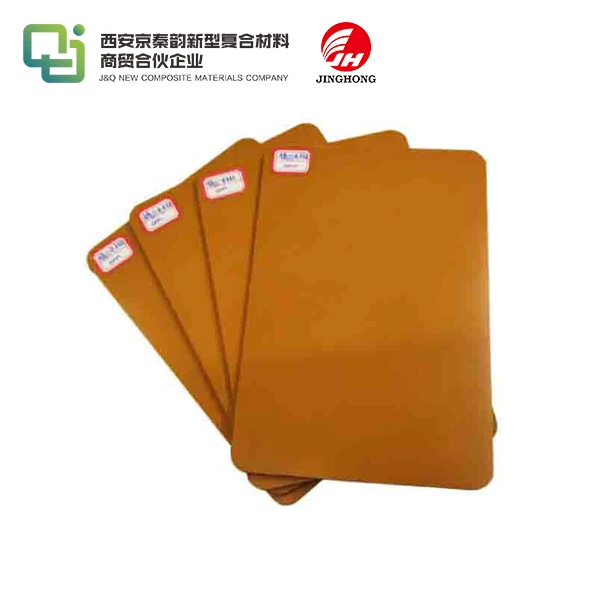
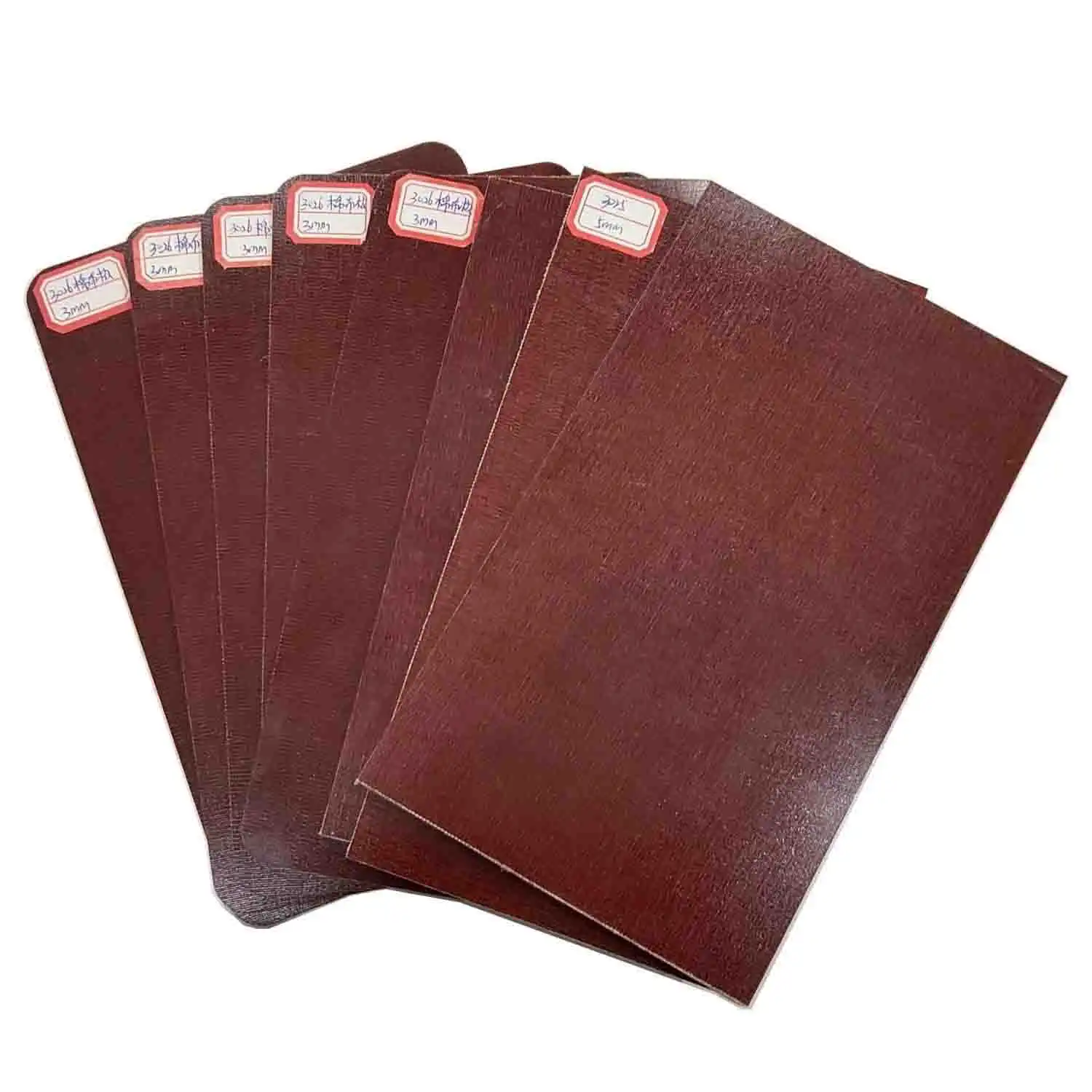
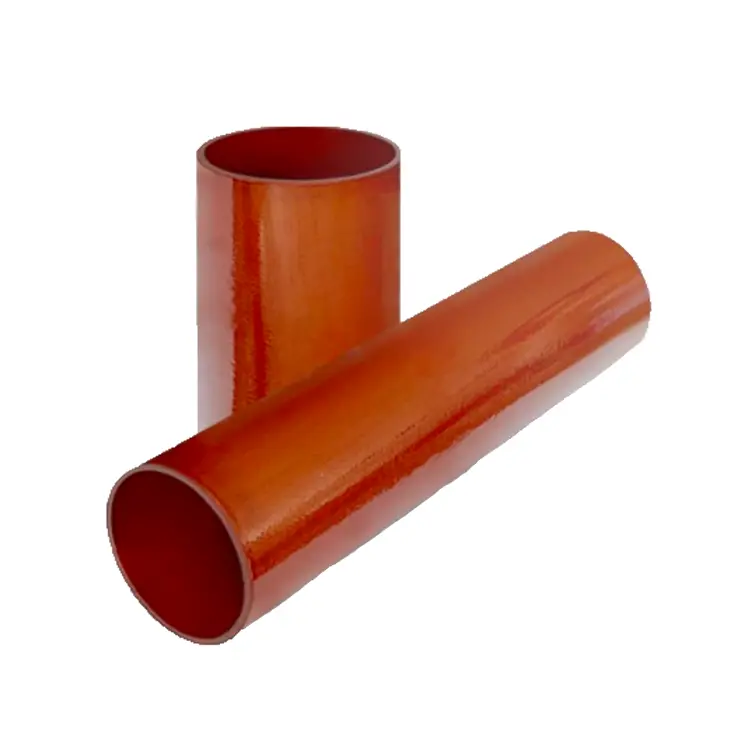
A Diphenyl Ether Fiberglass Cloth Tube is a stiff tube that holds insulation in place. We wrap a diphenyl ether resin around woven glass cloth that doesn't have any alkali in it and then heat and press it to make it hard. The tube is strong because of the glass cloth, which also keeps its shape. The resin stops the flow of electricity and stops heat from building up. Our Jinghong-brand tubes have walls that are at least 0.5 mm thick and are red by nature. Outside diameters can be changed from φ10 mm to φ2000 mm, and inside diameters can be changed from φ8 mm to φ500 mm. As a general rule, they are 10 mm to 100 mm in diameter and up to 1000 mm long. One of the tubes is 2 m long.
Key Properties at a Glance
These numbers from our datasheet will help you figure out which materials are best. The tube works all the time from -40°C to +180°C. This test shows that the material can handle at least 20 kV/mm of wall voltage. What we call this is its dielectric strength. It shouldn't soak up more than 0.1% water, even if you pull it apart at least 250 MPa and bend it at least 300 MPa. UL 94 V-0 says that the material is safe for flames. Low water absorption is important for plants that grow in damp places because water can lower insulation resistance. When the tube is near heavy coils and motors that shake, it keeps its shape.
How Manufacturing and Quality Control Shape Results?
People do things on the line where things are made. As part of our process, we make the glass cloth, mix the resin, soak it in it, wind it, let it cure, heat it, cut it, and check it. There shouldn't be any dry spots, holes, blisters, or delamination. The walls should be thick, round, and the same diameter and length on the inside and outside. A lot of people test things with dielectric, thermal aging, and mechanical checks. Differential scanning calorimetry can show how well the curing is going. Our products are safe for RoHS and REACH, and we have ISO 9001:2015 and ISO 14001:2015 stamps on our business. We can deal with 100 tons a year. Make sure that the certificates you ask for are always for the exact build and size that you want to buy.
How Does Diphenyl Ether Fiberglass Cloth Tube Perform at High Temperatures?
Continuous Temperature and Thermal Aging
IEC 60085 says that our tube has a thermal class of H, which means it can work continuously at 180°C. Still, a score is only the start. It wears out over time, and heat speeds up the aging process. You can find out how labs test for thermal endurance and how long things last when they are heated in IEC 60216-1. You could ask any supplier about thermal aging, the test conditions, and the property that was used to show when the test was done. Make a separate list for peak exposure and continuous temperature as well. Just a number on a datasheet isn't enough to show that a motor can handle short overloads or a lot of starts and stops. It needs to be shown that it can.
Electrical and Moisture Behavior
Both should be tested at the same time for a Diphenyl Ether Fiberglass Cloth Tube because heat changes how electricity works. IEC 60243-1 tells us how to measure electric strength at power frequency. Our tube has a dielectric strength of at least 20 kV/mm. In real systems, more things can change, like the thickness of the wall, the level of contamination, the voltage, and the stress on the installation. It's also important to have moisture. Insulation resistance stays the same in humid air as long as it only takes in 0.1% of water or less. The tubes should still be kept in a cool, dry place that is below 25°C and has a relative humidity of 60% before being tested at high voltage. You should not just assume that they will work; you should test their chemical resistance with your real oils, varnishes, and solvents.
Comparison with Silicone and Epoxy Tubes
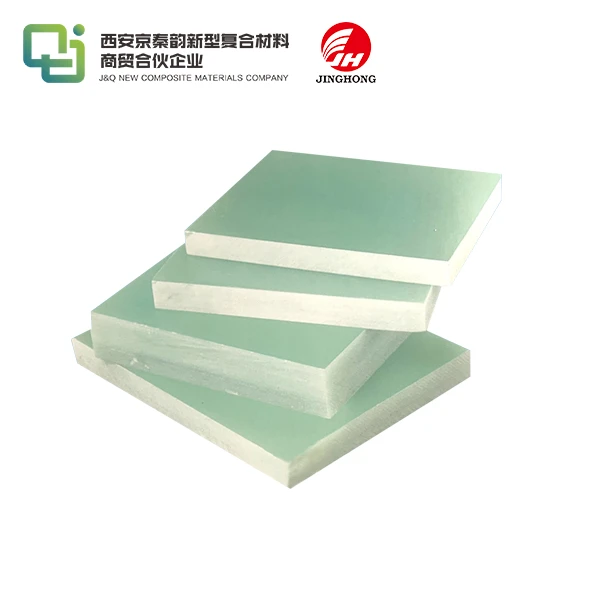
Pick a tube by its shape, not the name of the resin it's made of. Most kinds of epoxy glass, like FR4 and G10, are Class F at 155°C. On the other hand, our diphenyl ether construction is Class H at 180°C. Epoxy tubes are good for controlling sizes because they are stiff, and so are ours. The silicone fiberglass sleeving is easier to bend around wires that are close together. This makes it easier to install on routes that are more complicated. When you need something to stay in shape and be strong, our rigid tube is a good choice. You can use this information to compare the paper's temperature range, dielectric strength, flexibility, wall thickness, resistance to chemicals, protection from mechanical damage, and compliance.
Where Is Diphenyl Ether Fiberglass Cloth Tube Used?
Motors, Generators, and Transformers
Electricians place our tube around motors and transformers to keep them cool, separate coils, protect leads, make electrical bushing sleeves, and make parts for high-voltage switchgear. Around these points, the tube protects against damage, touching by accident, and heat. Before you give the go-ahead, make sure the transformers and coils can handle the varnish, oil, and heat. The people who make motors for appliances and heavy machinery need the same things: stable sizes and a steady supply. Designs that need to be safe around fire can also use the UL 94 V-0 flame rating.
EV, Machinery, and Industrial Heat
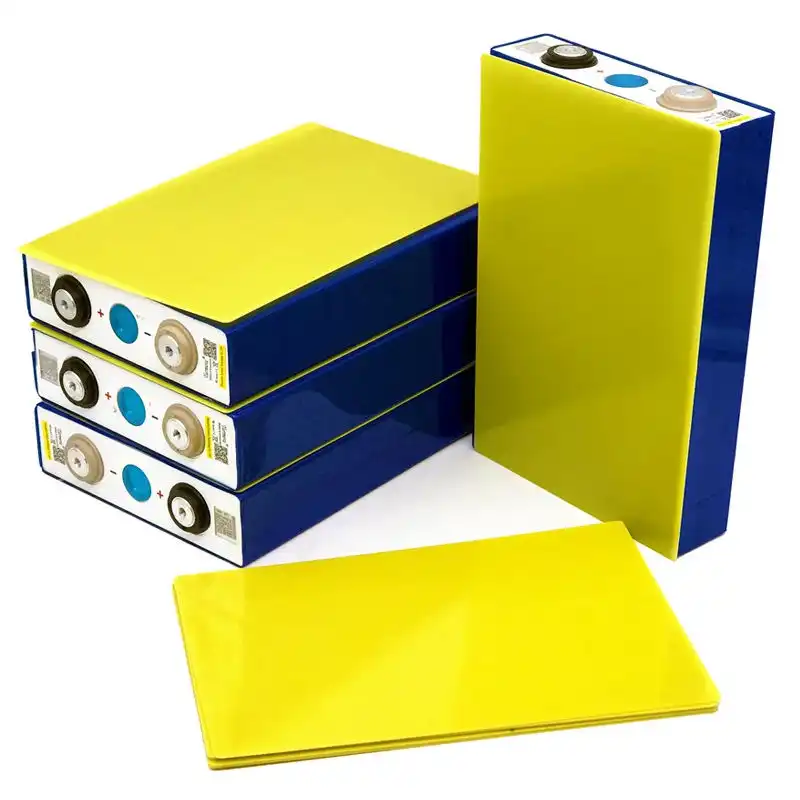
Engineers who work on cars use the tube to insulate battery systems, windings of electric motors, and power electronics to control heat. This is very important for programs that work on electric cars. Industrial equipment makers use it to keep ovens and furnaces warm, line equipment used in chemical processing, and keep bearings from touching in hot places. Engineers in the mechanical field need to check the tensile and flexural strengths, as well as the wall thickness tolerance they need for spacers and supports that hold weight. If you want to machine the tube, keep in mind that glass fibers are rough. As well as coolant and tools covered in carbide or diamond, you should wear dust masks to avoid delamination and micro-cracking.
Busbars, Power Electronics, and Energy Systems
In power and energy projects, the tube is used to insulate solar inverters, make electrical systems for wind turbines, and make parts for geothermal power plants. It is used by aerospace teams to keep aircraft wiring safe and to keep engine compartments cool. When you look at busbars and other high-voltage parts, you should also check the creepage distance, clearance, partial discharge, wall thickness, and surface contamination. A good datasheet isn't enough to test the whole system. If you want to make the finished assembly, I always tell you to test it with real voltage, temperature, and vibration.
How to Choose the Right Diphenyl Ether Fiberglass Cloth Tube Size and Specification?
Define Dimensions and Fit
Step one for a Diphenyl Ether Fiberglass Cloth Tube isn't just to match the tube to the diameter of the conductor. Describe the length, tolerance, inner and outer diameters, wall thickness, and how the part will be installed. Outside diameters range from φ10 mm to φ2000 mm, and inside diameters from φ8 mm to φ500 mm. Wall thickness starts at 0.5 mm, and lengths can reach 2 m. The tube shouldn't be too tight or too loose; it should fit just right. Since the tube is rigid, a bad fit can make putting it together stressful. Put on safety gear and use a fine-toothed saw or a sharp tool to cut. Use heat-resistant tape or clamps to hold the tube in place. Talk to our team before you add holes or slots.
Document Electrical and Environmental Conditions
In a full specification, you can find the dielectric performance you need, as well as the operating voltage, frequency, transient events, and high and low temperatures. Keep things like oils, varnishes, solvents, water, salt spray, dust, and cleaning supplies in mind. The amount of information you give should be the same for both vibration and thermal cycling. This record can help our engineers choose a building, and it can also help your team compare prices for the same things. Also, in a good RFQ, you should list the annual volume, the number of samples you need, the certifications you need, the packaging and labeling you need, and any OEM or custom tolerance needs. The clearer the request, the fewer changes you will have to make later.
Avoid Common Selection Mistakes
An awful lot of people pick a tube just because it has a temperature rating that looks right. Your heat rating doesn't show how strong the dielectric is, how long it will last mechanically, or how resistant it is to chemicals. Aside from that, people choose the wrong wall thickness or diameter, believe that all fiberglass cloth tubes are the same, ignore sharp edges and bend limits, and fail to notice vibration or temperature cycling. If you want to avoid these problems, you should compare full datasheets, test samples in the real assembly, make sure the chemicals work with each other, and make sure the certification is valid for the exact setup. Written instructions and a change-control process make sure that later batches will always match the sample that was approved.
How to Evaluate a Diphenyl Ether Fiberglass Cloth Tube Supplier?
Documents to Request
Ask for the technical datasheet, test reports, conformity certificates, quality system certificates, and chemical compliance declarations such as those from RoHS and REACH. When you write something down, make sure that it only has the exact product and production site that was quoted. A UL 94 V-0 flame rating should be on the exact build and thickness you buy. You should get thermal aging data and dielectric test results for parts that will be used a lot. For electric strength, for example, IEC 60243-1 test results should be used. Paperwork that is clear and consistent saves your quality team time during the inspection process and shows that the supplier is in charge of its process.
Manufacturer or Distributor?
Most of the time, a direct manufacturer is in charge of the materials, the production schedule, and making sure that the right sizes are used. As a distributor, you can sell goods locally and in large quantities. As a company that makes and sells goods, J&Q has been in the business of insulating materials for more than 20 years and in foreign trade for more than 10 years. We've worked with trading companies in the US and other countries for a long time. As part of our full-service package, our own logistics company ships by sea, land, or air. During the quote process, you should decide on the minimum order quantity, lead time, Incoterms, packaging, payment terms, warranty, and how to handle goods that don't meet the requirements.
A Step-by-Step Qualification Process
In a simple way, the risk is cut. First, make a list of the use, voltage, temperature, environment, and most likely ways it will break. Second, make a list of the things that are most important to you, such as cost, delivery time, certification, mechanical protection, and chemical resistance. Third, ask to see samples and the whole note. Fourth, put the tube in a normal or real assembly and see how it fits, how well it works electrically, how chemicals affect it, and how the temperature changes. Finally, make sure you're happy with the quality, quantity, packaging, lead time, communication, and support after the sale before you say yes. This step-by-step guide will help your group decide what to do when they aren't sure what to do.
Conclusion
As long as the temperature stays between -40°C and +180°C, a Diphenyl Ether Fiberglass Cloth Tube can be used to keep things warm. That's okay to do with it since it has a dielectric strength of at least 20 kV/mm, doesn't soak up water, is mechanically strong, and ranks UL 94 V-0 for flame safety. To ensure good performance, it is necessary to check the thermal aging data, dielectric results, moisture behavior, and chemical compatibility. Its rigid structure keeps its shape better than silicone sleeving and supports better than that. It also has a higher thermal class than most grades of epoxy glass. Motors, transformers, coils, battery systems, energy systems, and industrial heat equipment are all common places to find them. When the right size is used, the specs are clear, the supplier documents match, and samples are tested in the real assembly, then you can trust the datasheet rating.
FAQ
What temperature can the tube handle?
Our tube never stops, even when it's -40°C to +180°C. You should check the datasheet for your exact size to make sure the ratings are correct. Ratings depend on how the item was made and tested.
Is it suitable for high-voltage systems?
It is possible because the dielectric strength is at least 20 kV/mm. One more time, check the wall thickness, creepage, clearance, and partial discharge. Then, put the whole thing to the test.
How does it differ from silicone fiberglass tube?
Because it is stiff and doesn't bend easily, silicone sleeving is better for tight routes than ours. You should choose based on how flexible it is, how it will be put in place, and your electrical needs.
Can you customize it, and which papers do you provide?
Yes. Anywhere in those ranges, we can change the length, diameter, and wall thickness to meet your needs. When you ask for them, we give you datasheets, test reports, conformity certificates, and RoHS and REACH declarations.
Request a Diphenyl Ether Fiberglass Cloth Tube Quote from J&Q
For more than 20 years, J&Q has been making materials that keep heat in for Diphenyl Ether Fiberglass Cloth Tubes. We've also done business with other countries for 10 years and have our own logistics company to make delivery easy. Please send an email to info@jhd-material.com with the inner diameter, wall thickness, length, operating temperature, voltage, and a rough idea of the volume. We'll give you a datasheet, tell you about a building, and give you a quote. Visit jhd-material.com to find out more.
References
1. IEC 60085: Electrical Insulation – Thermal Evaluation and Designation, 2007
2. IEC 60216-1: Electrical Insulating Materials – Thermal Endurance Properties – Part 1: Ageing Procedures and Evaluation of Test Results, 2013
3. IEC 60243-1: Electric Strength of Insulating Materials – Test Methods – Part 1: Tests at Power Frequencies, 2013
4. IEC 60893-1: Insulating Materials – Industrial Rigid Laminated Sheets Based on Thermosetting Resins for Electrical Purposes – Part 1: Definitions, Designations and General Requirements, 2004
5. UL 94: Tests for Flammability of Plastic Materials for Parts in Devices and Appliances, 2013
6. IEEE Std 1: General Principles for Temperature Limits in the Rating of Electrical Equipment and for the Evaluation of Electrical Insulation, 2000