How to Achieve a Mirror Finish on Epoxy Resin Sheets
2026-07-10 17:23:35
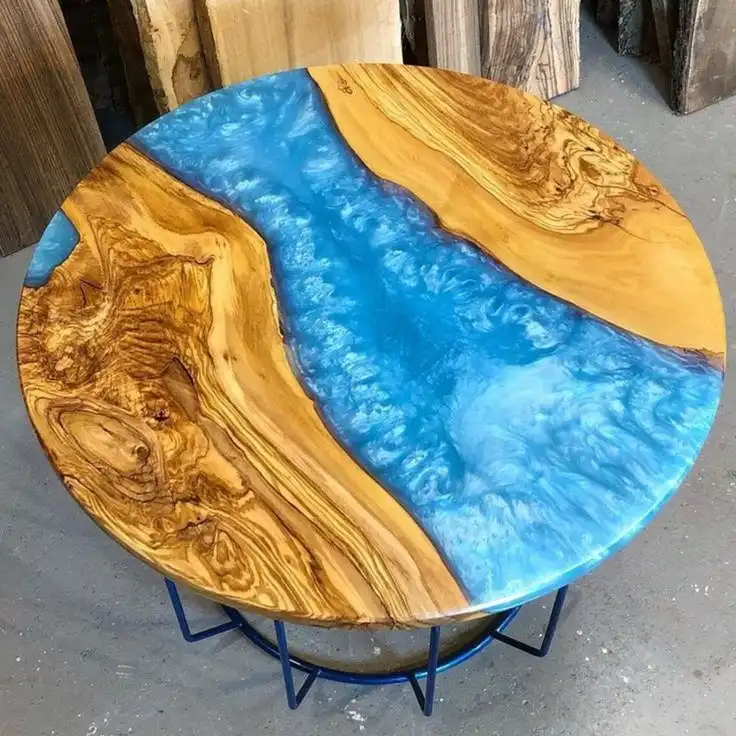
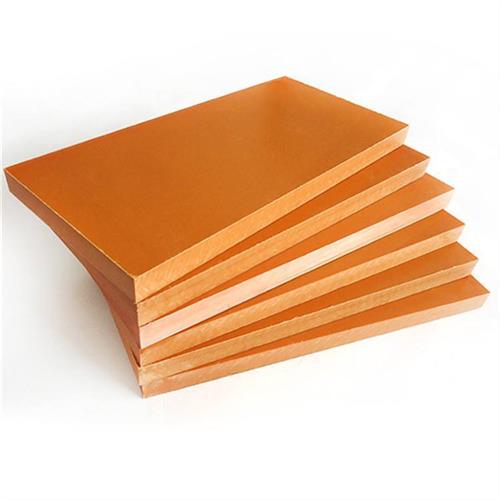
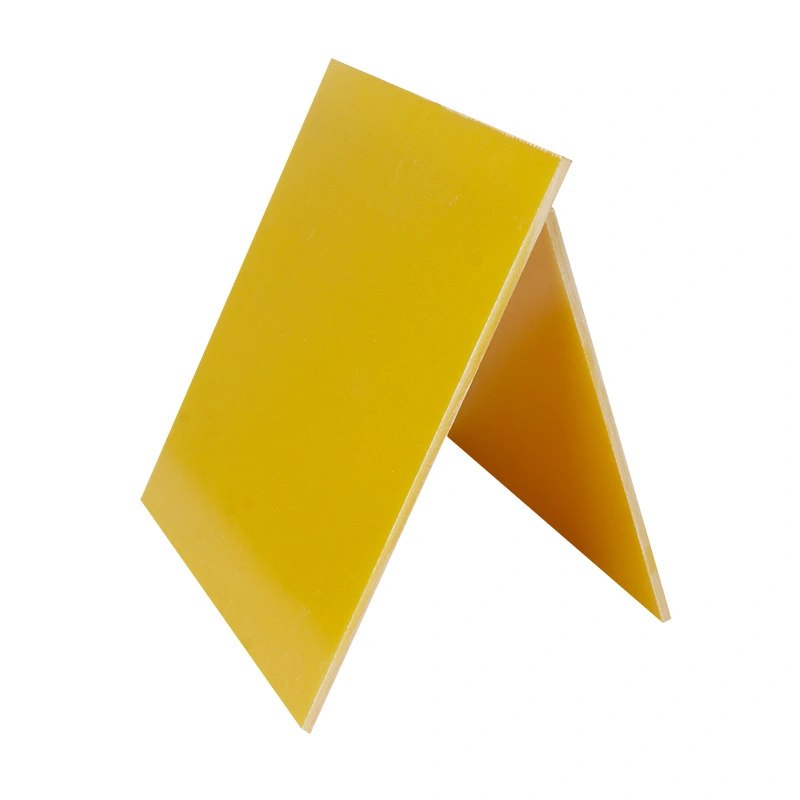
To get a mirror shine on epoxy resin sheets, the surface needs to be prepared, polished one layer at a time, and then protected. The method is based on controlled grinding to get rid of flaws. It starts with coarse grits to smooth out bumps, then moves on to finer grades to get rid of scratches, and ends with special chemicals that make the surface clear. To be successful, you must keep the pressure the same during each stage of cleaning, keep the heat from building up and distorting the resin matrix, and choose rubbing materials that work well with the epoxy resin sheet and improve its surface instead of damaging it. With this level of technical detail, useful laminates can be turned into high-reflectivity parts that can be used in tough industrial settings where looks and performance must come together.
Understanding the Challenge of Achieving a Mirror Finish on Epoxy Resin Sheets
Defining Mirror Finish Quality Standards
A real mirror finish has surface roughness levels below 0.05 micrometers Ra, which makes it perfectly reflective and up to optical-grade standards. In business settings, this level of smoothness is useful for more than just looking good. The finish keeps out dirt and other things that could be harmful, lowers friction in mechanical systems, and makes it possible to carefully check the quality of the laminate inside. Engineers often ask for mirror finishes on FR4 and 3240 epoxy resin sheets that are used in high-voltage switchgear housings, where surface flaws could cause tracking or partial discharge to happen.
Common Surface Defects in Raw Laminates
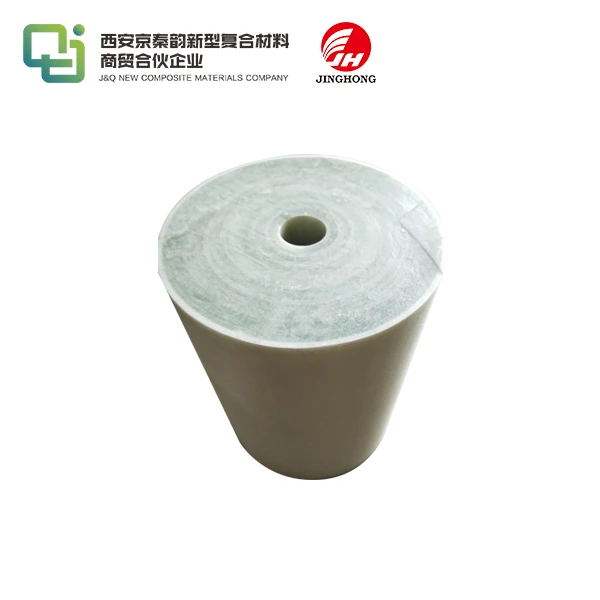
During the manufacturing process, flaws are often introduced that make finishing work harder. Directional scratches are made by machining marks from CNC turning operations that need to be carefully removed. When resin cures, air gets trapped inside it, leaving holes below the surface that might not be noticeable until the final cleaning steps. Surface layers that are high in resin can dry unevenly, creating a slight wave pattern that reflects light in different ways. We've seen these problems with different grades, from normal FR4 epoxy resin sheets to specialty high-Tg versions. Different methods are needed for each type of material.
Impact on B2B Product Value
The quality of the surface finish has a direct effect on how customers see the product and how well it works in OEM uses. Manufacturers of electrical equipment say that mirror-finished insulation panels keep cleanrooms cleaner, which means that repair times are longer. Automobile makers say that glue sealing is better when battery pack barriers have even surface energy after polishing. During supplier checks, buying teams look at the finish as a physical sign of quality. This makes it important for staying competitive in industrial markets.
Step-by-Step Methodology to Attain a High-Quality Mirror Finish
Surface Preparation and Defect Removal
About 60% of the quality of the end result depends on how well you prepared. First, use isopropyl alcohol to clean the epoxy resin sheet and get rid of any leftover machine oils that could get stuck in the abrasives. Look at it with angled lighting to find any scratches, burns, or edges that are coming apart that need to be fixed. Before moving on, deep flaws bigger than 0.3 mm might need to be fixed locally with epoxy compounds that work well together.
To set up a regular shape, 220-grit silicon carbide paper on hard backing plates is used for the first flattening step. To avoid making lines, move in crossed diagonal shapes instead of circles. Every five minutes, use a precision straightedge to check the flatness. Any waves that are present at this point will show up in all the cleaning that follows. Because FR4 sheets are reinforced with glass fiber, they wear unevenly. To keep resin-rich areas from being gouged, apply light, steady pressure.
Progressive Abrasive Polishing Sequence
As you move from one grit stage to the next, the gritty particles used are about half the size of the particles used in the previous grade. Level with 220 grit, then move on to 400, 800, 1200, 2000, and 3000 grits. After 800 grit, wet sanding is very important because water smooths out the surface, keeps heat from building up, and flushes away debris that would otherwise scratch it.
Clean the sheet well and look at it under a microscope every time you change the grit. Even after finer polishing, scratches from earlier steps will still be noticeable. We've found that the most common reason finishes fail in production settings is that they are rushed through this step. Instead of thinking that smaller abrasives will work faster, give each grit stage about the same amount of time.
Machine cleaning is more efficient, but the parameters need to be carefully controlled. For epoxy resin sheets, variable-speed rotating tools should be used between 800 and 1200 RPM. This is because higher speeds create friction heat that breaks the resin matrix. Use foam backing pads that get firmer as you go: soft pads for the first layer of compound, medium density pads for cutting, and firm pads for the final layer of glazing. There are gritty chemicals that need to be compatible with epoxy chemistry. Formulas for clearcoat finishes in cars usually work well, but plastic polishes are better.
Final Finishing and Surface Protection
To get visual clarity, you need abrasive materials that are very small, about 0.3 to 0.05 microns. Use cloth applicators to put these on, moving them in overlapped circles while keeping the pressure low. The goal is to get rid of the dust that 3000 grit grinding left behind without making any new flaws. Use clean microfiber cloths to buff off the dust. Change the towels often to keep the removed material from coming back.
Protective processes make finishes last longer in industry settings. Nano-ceramic coatings make walls that don't let water through and are resistant to oils and solvents that are common in electrical circuits. These coats stick to the epoxy surface at the molecular level, making it scratch-resistant without changing its dielectric qualities. This is an important thing to think about for 3240 epoxy resin sheets that are used in high-voltage situations. For the application to work, the surroundings must be managed. For curing to happen properly, temperatures must be between 18°C and 24°C and the relative humidity must be below 60%.
Comparison of Epoxy Resin Sheets with Other Sheet Materials for Mirror Finish Applications
Polishability and Surface Response Characteristics
The choice of material has a big effect on how well and how long mirror finishes work. Epoxy resin sheets are not as hard as acrylic sheets or as hard as polycarbonate sheets, which makes them a good choice for cleaning. The process is more difficult with FR4 grades because they contain glass fiber reinforcement compared to cast resins that are not strengthened. However, this reinforcement stops the microcracking that weakens the sturdiness of mirror finishes on materials that are easily broken.
Because they are flexible, acrylic sheets are easier to get mirror finishes on because they can be polished with heat. But because they are easier to scratch, the finish wears off quickly when they are handled in factories. Polycarbonate is very resistant to contact, but because it is flexible, it likes to smear when it is polished. Polyester laminates strengthened with fiberglass can't be polished at all because the visible fiber ends make it impossible to get a true mirror smooth surface no matter what method is used.
Durability Under Industrial Operating Conditions
The epoxy resin sheet structure is more resistant to chemicals than thermoplastic substitutes. Transformer oils, PCB cleaning agents, and hydraulic fluids that would craze or dissolve acrylic parts don't affect surfaces that are treated with a mirror finish. Another benefit is that epoxy resin sheets can take steady temperatures up to 155°C without losing their finish, while acrylic finishes break down above 80°C.
Cost-Performance Analysis for Procurement Teams
When it comes to the cost of the materials they are made of, epoxy resin sheets are competitive in the performance level needed for tough uses. Even though plastic sheet stock is cheaper per kilogram, epoxy has a lower total cost of ownership when you consider how long the finish lasts and how often it needs to be replaced. Machining economics also play a role in purchasing choices. For example, the carbide tools needed for glass-reinforced epoxy have higher per-part processing costs than acrylic fabrication, but these costs are successfully amortized above 500-unit amounts when batch production is used.
Procurement and Supplier Insights for High-Quality Epoxy Resin Sheets
Critical Supplier Qualification Criteria
Before production starts, picking the right laminate provider affects the success of the finish. Make sure that any possible partners have ISO 9001 certification that includes specific rules about dimensional limits. Sheets with thickness differences greater than ±0.1mm make polishing results that aren't even. Ask for test results that say the plastic has fully cured; laminates that aren't fully cured will never have stable mirror finishes because they continue to shrink after they've cured.
Documentation about environmental safety is especially important for industry that is meant to be exported. UL approval and RoHS certification make sure that epoxy mixtures don't have any flammable ingredients that could release gas and cloud final surfaces. Some cheap providers use non-standard hardeners that make the product less stable over time. Make sure that the material data sheets you receive list DGEBA-based resins with anhydride or amine hardening agents that meet industry standards.
Sample Evaluation Protocols
Instead of depending only on mechanical property data, smart buying teams ask for pre-production samples that will be used for finish testing. Get sheets that are the exact thickness and grade that are needed for production, and then do short cleaning tests through 1200 grit. Look at the results with strong directional lighting—high-quality laminates will have a smooth surface reaction with no resin pools or fiber print-through patterns.
Compare samples from different sources at the same time, using the same cleaning methods. Finish potential can vary surprisingly much depending on the weave design of the glass cloth, the type of resin used, and the conditions of the manufacturing press. We've seen cases where FR4 epoxy resin sheet products from different sources needed 40% more cleaning time to get the same results, which had a direct effect on the cost of production.
Leveraging Supplier Technical Support
Established providers bring important process knowledge that goes beyond just providing materials. Companies that care about quality have technical teams that can suggest the best sheet positions for different finishing methods, suggest adhesives that will work with mirror-finished parts, and fix problems that can be traced back to the material itself. This relationship of consulting is especially helpful when switching to high-Tg versions or increasing production numbers.
Through working together with precise component makers over and over, J&Q has created special laminate types that work best for mirror finishing. Our technical paperwork has abrasive suggestions and machining factors that are unique to each finish. These have been created over hundreds of production runs. Customers can use this collected knowledge to make new product designs without having to go through expensive trial-and-error stages.
Maintenance and Longevity Tips for Mirror Finished Epoxy Resin Sheets
Routine Cleaning Without Surface Degradation
To keep their reflection over the course of a product's life, mirror finishes need to be carefully maintained. Do not use alkaline cleaners or rough brushes. Instead, use pH-neutral liquids with microfiber materials that are made to clean optical surfaces. When you clean, use straight, overlapped strokes instead of circular motions, which can leave behind faint swirl marks that can be seen in some lights.
Removal of contamination must be right for the type of dirt. Using isopropyl alcohol and then gently blotting works on sticky leftovers. To keep surfaces from getting scratched, particles should be blown away with compressed air before they are cleaned by hand. Fine metallic dust is often created in manufacturing settings by grinding. This material is especially bad for mirror finishes and needs to be removed right away so it doesn't become a part of the surface.
Environmental Protection During Storage and Handling
Changing temperatures are the main thing that can damage finishes while they are being stored. Changes of more than 15°C per hour can cause the glass support and resin core to expand and contract at different rates, which can lead to micro-surface crazing. Keep finished sheets in climate-controlled places that stay between 18 and 25°C with little change from day to day. Controlling humidity is not as important for finished epoxy resin sheets as it is for hygroscopic materials. However, condensation from cold storage moving into warm areas will damage mirror surfaces.
Sustainable Material Choices
More and more modern epoxy mixtures contain bio-based materials and fewer chemical flame retardants, but this doesn't affect the quality of the finish or the way the electrical system works. These materials are good for the environment and help companies be more sustainable. They also have the mechanical strength and dielectric qualities needed for power transfer uses. Purchasing managers who have to balance technical needs with green sourcing requirements can now specify laminates with low environmental impact that can be finished in a mirror. This gets rid of the false choice between performance and sustainability.
Conclusion
To get mirror finishes on epoxy resin sheets, you need to follow a methodical process that includes choosing the right materials, cleaning them in stages, and giving them safe finishes. The process turns useful laminates into valuable parts that meet both performance and appearance standards in electrical, automobile, and industrial settings. To be successful, you need to know how glass-reinforced epoxy systems behave. Their medium hardness makes finishes last longer than thermoplastic options, but it means you have to use different methods than with unreinforced plastics. Choosing which materials to buy has a big effect on the results. Working with experienced sources who can help with the process and provide quality-checked materials lowers the risk of development and speeds up the time it takes to be ready for production. Maintaining mirror finishes with the right cleaning methods and weather controls makes parts last longer, which increases the return on the initial investment in finishing.
FAQ
What Sheet Thickness Works Best for Mirror Polishing?
Thicknesses between 1.5 mm and 6 mm give the best stiffness for cleaning without wasting too much material. For thinner sheets not to bend and make uneven touch with abrasives, they need stiff backing supports. It takes longer to polish laminates that are thicker than 10 mm, but they may be necessary when structural strength determines the material choice. We think that 3mm is the best thickness for most uses because it is easy to handle and gives a good finish.
Should Finishing Occur On-Site or at the Supplier?
When more than 200 pieces are made every month, factory finishing by specialized suppliers ensures better quality and lower costs. In suppliers' sites, there are controlled environments, specialized tools, and trained workers that are hard to find in most factories. On-site finishing is a good idea for prototypes, small runs (less than 50 units), or jobs that need to be touched up after assembly. One idea is to use a hybrid method, in which sources send parts that have already been polished so that they can be machined and refinished locally.
What Lead Times Apply for Custom Polished Sheets?
Standard FR4 and 3240 epoxy resin sheets with a mirror finish usually take three to four weeks to arrive after the order is confirmed for orders smaller than 500 square meters. Different suppliers have different minimum order amounts, but most start at 10 sheets, which is 1 square meter of total area. If you pay extra for rush services, wait times may be cut to 10–14 days. Planning buying cycles around these dates keeps production from being held up and cuts down on costs that can go over 40% of the price of the base materials.
Partner with J&Q for Premium Mirror-Finished Epoxy Resin Sheets
J&Q has been making high-quality insulation sheets for more than 20 years and also has advanced surface finishing skills. As a provider of epoxy resin sheets with a lot of experience, we know how important finish quality is to the success of your goods on the market. As part of our integrated approach, we offer expert support during the planning phase, provide samples for validation testing, and have a specialized transportation network that helps us scale up or down our production capacity. This vertical merging lets you get a complete service, from choosing the materials to delivering them. This speeds up the buying process and makes sure that the quality is always the same.
When engineering managers and procurement experts work with J&Q, they can use the process knowledge we've built up through partnerships with top sellers of electrical equipment and cars. We have strict quality systems that are checked by foreign standards. These systems make sure that every epoxy resin sheet meets the written requirements before it is shipped. Our expert team is ready to talk with you about your unique needs for a mirror finish and suggest the best material grades from our wide range of products. Email us at info@jhd-material.com to get samples, learn more about our business prices, or set up a meeting with one of our application engineers. Premium epoxy resin sheet options designed for industrial success can change the way your parts look.
References
Harper, Charles A. (2006). Electronic Materials and Processes Handbook, Third Edition. McGraw-Hill Professional.
Lubin, George & Peters, S.T. (1998). Handbook of Composites: Second Edition. Chapman and Hall.
Tanaka, Toshikatsu (2001). "Dielectric Properties and Applications of Epoxy Resin Laminates." IEEE Transactions on Dielectrics and Electrical Insulation, Vol. 8, No. 3.
Rothon, Roger N. (2017). Fillers for Polymer Applications. Springer International Publishing.
Kaw, Autar K. (2005). Mechanics of Composite Materials, Second Edition. CRC Press.
Wypych, George (2016). Handbook of Plasticizers, Third Edition. ChemTec Publishing.