Understanding UL, RoHS, and REACH: Compliance for Epoxy Resin Sheets
2026-07-10 17:23:18
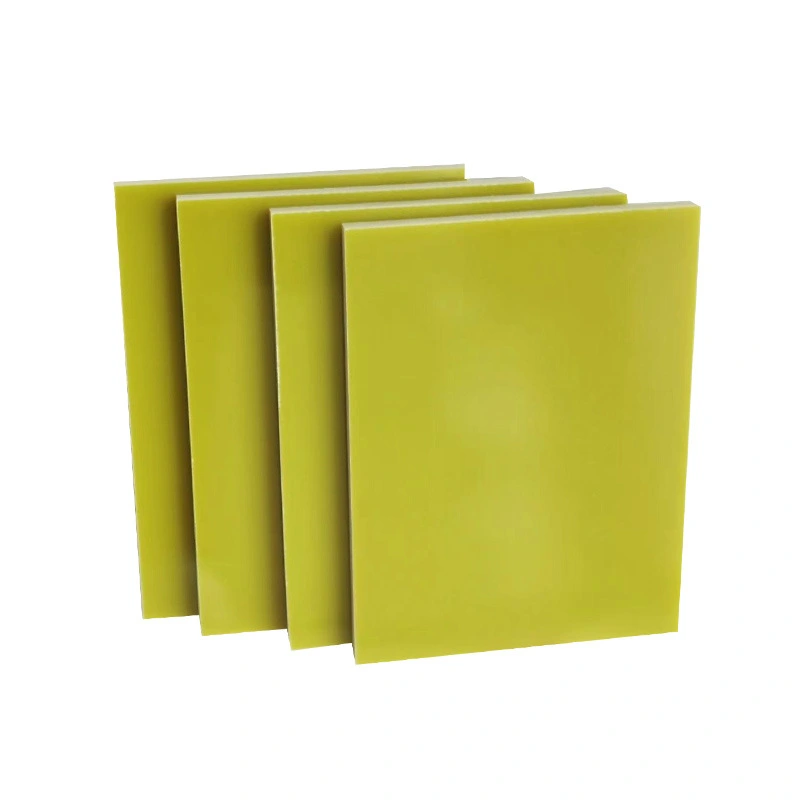
If you're looking for insulation materials for electrical systems, switches, or PCB manufacturing, you have to know about approval standards. Three regulatory frameworks, UL (Underwriters Laboratories), RoHS (Restriction of Hazardous Substances), and REACH (Registration, Evaluation, Authorization, and Restriction of Chemicals), are the most important ones for buying managers and engineering teams looking at epoxy resin sheet choices around the world. These guidelines control how well safety measures are carried out, how dangerous materials can be used, and how clear chemicals are. If you need to mention FR4 substrates for circuit boards or 3240 epoxy boards for transformer insulation, knowing about these certificates keeps your supply chain safe from legal issues and makes sure the reliability of your products in electrical, automobile, and industrial machinery uses.
What Are UL, RoHS, and REACH Certifications?
Knowing the different roles of these three regulatory pillars helps people who work in procurement make smart choices that combine legal compliance with performance.
UL Certification: Safety and Performance Validation
Through independent testing, UL approval proves that epoxy resin sheet products meet strict safety standards. According to the UL94 system, materials can be rated from V-0 (self-extinguishing within 10 seconds) to HB (slow burning). V-0 is the best grade for PCB substrates and electrical covers. UL-approved FR4 epoxy resin sheets are tested for dielectric strength and usually achieve 10–12 KV/mm insulation resistance, which is very important for high-voltage switchgear uses. The approval also checks the mechanical qualities of materials under thermal stress, which is very important when the materials are used as arc barriers in transformers or as busbar supports in power distribution units. Engineering managers choose UL-certified materials because they are checked by a third party, which lowers their risk of damage and meets insurance and government rules for electrical systems.
RoHS Compliance: Restricting Hazardous Substances
The RoHS Directive limits six groups of dangerous materials found in electrical and computer equipment. These groups include lead, mercury, cadmium, and certain brominated flame retardants. When choosing raw materials and the curing process, compliant epoxy resin sheet formulas get rid of these limited materials. This is especially bad for PCB uses that use solder masks because non-RoHS laminates can get into wave soldering processes and make them less reliable. Because of stricter rules on dangerous substances in the U.S. market for electric vehicles, automotive part makers prefer phenolic and FR4 materials that are RoHS-compliant for battery pack barriers. In addition to following the law, RoHS certification shows buyers that you care about the environment and makes it easier to sell your products in places that have similar substance limits.
REACH Registration: Chemical Transparency and Risk Management
REACH is the European Union's complete chemical safety system. It requires companies that make chemicals to register them, assess their risks, and limit the use of high-concern chemicals. REACH compliance affects U.S. procurement even though it started in Europe. This is because many international suppliers keep the same material standards for all global markets. Manufacturers of epoxy resin sheets are required by the rule to list any Substances of Very High Concern (SVHCs) that are present in concentrations above 0.1%. Industrial machinery makers who buy phenolic cotton sheets for mechanical gaps benefit from REACH compliance because it makes the supply chain more clear. Manufacturers must provide Safety Data Sheets that describe the chemicals' makeup, how to handle them safely, and how to get rid of them. This paperwork is very helpful when checking for safety at work or answering questions about due diligence for customers.
Key Compliance Requirements for Epoxy Resin Sheets
To get certified, companies have to follow strict rules during the whole production process. These rules have a direct effect on the qualities of materials that B2B buyers care about.
Chemical Content Control and Raw Material Sourcing
Compliance starts with choosing the right raw materials. Resin mixtures and processes for glass fiber must not contain any banned substances. Manufacturers switch to halogen-free flame retardants for 3240 epoxy resin sheets that are used to insulate transformers so that they meet both RoHS limits and UL94 flammability standards at the same time. This changes the mechanical qualities; compliant formulas may have a slightly different flexural strength (usually staying around 340 MPa) than older materials that contained restricted brominated chemicals. When buying from more than one seller to save money, procurement teams should ask for batch-specific Material Safety Data Sheets to make sure that new shipments stay in line with chemical regulations.
Performance Testing and Quality Assurance Protocols
UL approval requires that the plant be inspected and tested on a regular basis to make sure that the performance is always the same. Electrical insulation materials are put through dielectric breakdown testing, which involves applying growing voltage to samples until they break. This shows that the insulation resistance is higher than the required levels. Controlled ignition under normal settings is used for flame resistance testing, which measures the afterflame time and drip characteristics. These rules make sure that FR4 sheets that have been cut into solder boxes or SMT placement jigs stay stable even after being heated and cooled many times at 260°C. Power distribution companies that use arc barriers for coil insulation depend on this testing continuity—a single batch that doesn't pass could damage the safety systems that protect important equipment in transformers.
Documentation and Traceability Requirements
Compliance certification creates important records that knowledgeable buyers use to control the risks in the supply chain. Manufacturers must keep production records that connect batches of materials to specific test reports. This makes it possible to track goods from raw resin to finished epoxy resin sheets. This is especially important for tier-1 car suppliers that need quality paperwork at the batch level for insulation pads used in safety-critical systems. Chemical disclosure requirements are added by REACH compliance. Manufacturers must update SVHC statements within six months of new substance listings, which means they need to keep in touch with sourcing teams. We suggest that you make agreements with your suppliers that require them to regularly update your compliance paperwork. This will protect your company from losing track of requirements as laws change.
Comparing Compliant Epoxy Resin Sheets with Alternative Materials
When choosing materials, people look at how well they meet legal standards along with how well they work and how much they cost over the whole span of the product.
Performance Advantages of Certified Laminates
Certified epoxy resin sheets have performance qualities that are hard to get from other materials. Compared to acrylic sheets, FR4 laminates are stronger mechanically (tensile strength over 400 MPa) and can withstand higher temperatures. Depending on the grade, they can keep their shape at constant working temperatures of 130 to 155°C. When it comes to structural uses like motor stator seals, glass fiber reinforcement is stronger and lighter than solid phenolic materials. The UL94 V-0 rating that comes with good FR4 formulations gets rid of the fire spread risks that come with non-rated plastics. This is a must for switchgear covers in business buildings. Manufacturers of home appliances that use Bakelite alternatives for motor mounts like how compliant epoxy sheets don't break down when they're used for a long time. This means that the products last longer and there are fewer guarantee claims.
Cost and Availability Considerations
Compliance tests and paperwork add costs to production that change how prices are set. Epoxy resin sheets that are RoHS and REACH-compliant generally cost more than options that aren't approved, but this difference in price has become smaller as compliant formulations have become industry standard. Different types that meet UL, RoHS, and REACH standards at the same time may have longer wait times, especially for custom thicknesses needed in precision machining applications. When buyers try to get the best total cost of ownership, they know that approved materials lower risks further down the line. This is because compliance problems found during customer checks or regulatory inspections have costs that are much higher than the differences in material prices. We've seen that building partnerships with certified providers that offer vendor-managed inventory programs reduces worries about supply while still ensuring compliance.
How to Ensure You Purchase UL, RoHS, and REACH Compliant Epoxy Resin Sheets
To successfully buy approved goods, you need to evaluate and verify suppliers in a planned way that goes beyond just looking at marketing claims.
Supplier Qualification and Audit Procedures
To start evaluating a supplier, you should ask for their most recent certifications, such as valid UL recognition files, RoHS test results from approved labs, and REACH SVHC declarations. Check UL file numbers against the official UL Product iQ database to make sure the certification is still valid. Suppliers who care about quality use ISO 9001 quality management systems to keep track of compliance rules as they work on a project. You might want to do source checks for key groups of materials, look at the processes for inspecting raw materials, testing them in the process, and checking the finished goods. When machinery makers are looking for phenolic laminates for structural insulation, they should check the controls on the thickness tolerances of the companies they work with. This is because mechanical spacer uses need accuracy of ±0.05mm, which can only be achieved with calibrated measuring tools and statistical process control.
Sampling and Batch Verification Strategies
Set up processes for sampling for initial approval and ongoing batch verification. Before accepting large orders, make sure you get samples of the material along with compliance paperwork so that you can test them yourself or have a third party do it. To check if insulation claims are true, electrical engineers can use hipot testers to do simple dielectric strength tests. For large-scale uses, talk to your suppliers about making deals that require each shipment to come with a Certificate of Compliance document. This should include test results that are unique to the batch and prove that it meets UL performance standards and RoHS requirements. "First article inspection" requirements are often set by managers in the automotive supply chain. This means that suppliers have to send in thorough reports on material and dimension testing for the first production runs. These reports set the quality standards for future deliveries.
International Logistics and Documentation Management
Compliance approval changes the way customs processing and trade processes work. Make sure that the relevant certifications are listed on business bills and packing lists. For example, writing "RoHS compliant" or "UL File E12345" makes it easier for customs to review the paperwork and meets the requirements for importing goods. In some places, official compliance statements must be signed by recognized company agents. Set up internal processes for keeping supplier compliance documents and buy orders together. This will create audit trails that show you did your homework in case regulatory agencies question material compliance. We keep digital document management systems that connect material specs to supplier certifications. This lets us quickly answer questions from customers about compliance and helps with internal quality checks.
Future Trends and Compliance Evolution in Epoxy Resin Sheet Manufacturing
The rules that guide insulation materials are always changing because of new application needs and worries about the environment.
Tightening Substance Restrictions
Regulatory agencies around the world are adding more substances to lists of banned substances than the present RoHS limits allow. The European Commission checks on phthalate plasticizers and other flame retardants on a regular basis for possible REACH limits. These could mean that the makeup of epoxy resin sheets needs to be changed. Proposition 65 in California requires companies to list chemicals that can cause cancer or harm to reproduction. This affects the labels on products sold in that state. Manufacturers who are ahead of the curve are making "RoHS plus" formulas that get rid of chemicals that are being reviewed by regulators before the rules go into effect. Procurement teams should talk to providers about the plan and understand how changes to the formulation could affect the qualities of the material or need to be re-tested to make sure they are still suitable for use in your applications.
Advanced Material Innovations
Improvements in material science are making it possible to make formulas that are suitable and have better performance properties. Halogen-free flame retardants that meet UL94 V-0 standards are being worked on by researchers who want to improve thermal conductivity for power electronics uses. New resin chemicals improve their ability to fight UV light and absorb water, which makes outdoor electrical systems last longer. Some makers now make "green" epoxy resin sheet types with bio-based resins that come from renewable feedstocks. These are good for companies that care about the environment. These new ideas keep up with current standards while making things work better. Engineering managers should keep an eye on new material options that could give their companies a competitive edge by making their products stand out or lowering their running costs.
Digital Compliance Tools and Supply Chain Transparency
Digital systems that let you track certifications in real time are changing compliance management. Blockchain systems make records that can't be changed that connect batches of materials to compliance paperwork. This makes it easier to track things and do audits. Some sellers now have customer portals where buying teams can see the latest certifications, download technical data sheets, and be notified automatically when SVHC declarations change. It's easier to keep track of compliance with these digital tools, which is especially helpful for companies that have to manage complicated supply chains with different insulation material requirements for different product lines. We think that the industry will move toward uniform digital compliance badges that make it easier for suppliers to get approved and for ongoing verification processes to be streamlined.
Conclusion
Figuring out how to make epoxy resin sheets comply with UL, RoHS, and REACH rules keeps your business safe from legal problems and makes sure the materials work well in tough situations. Knowing how these licenses affect the chemicals used, safety tests, and paperwork needs helps you make smart purchasing choices that balance legal, financial, and practical needs. As rules change to make environmental and safety standards stricter, it becomes more valuable to build relationships with providers who show aggressive compliance management and technical openness. By using organized methods for qualifying suppliers, checking batches, and keeping track of paperwork, procurement experts can get approved materials that support the reliability of products and meet legal requirements in global markets.
FAQ
How do certification requirements affect lead times for custom epoxy resin sheet orders?
Lead times for compliance tests and making paperwork can be one to three weeks longer than for normal inventory items. To make sure that dimensional tolerances don't affect approved performance traits, custom thickness specs need more quality checks. Suppliers who keep common sizes of pre-certified material in stock can deliver faster, but unique grades that need recipe changes may need more time for compliance testing before shipping.
Can suppliers modify certified epoxy resin sheets without affecting compliance status?
Base material approvals are still valid after minor fabrication operations like cutting, drilling, or CNC machining. However, makers should avoid contaminating the materials with substances that don't meet the standards. But secondary processes like applying a coating or binding with extra materials need their own compliance review. Before ordering custom machining for precision parts, you should always make sure that the manufacturing process won't change the approved qualities.
Partner with J&Q for Certified Epoxy Resin Sheet Solutions
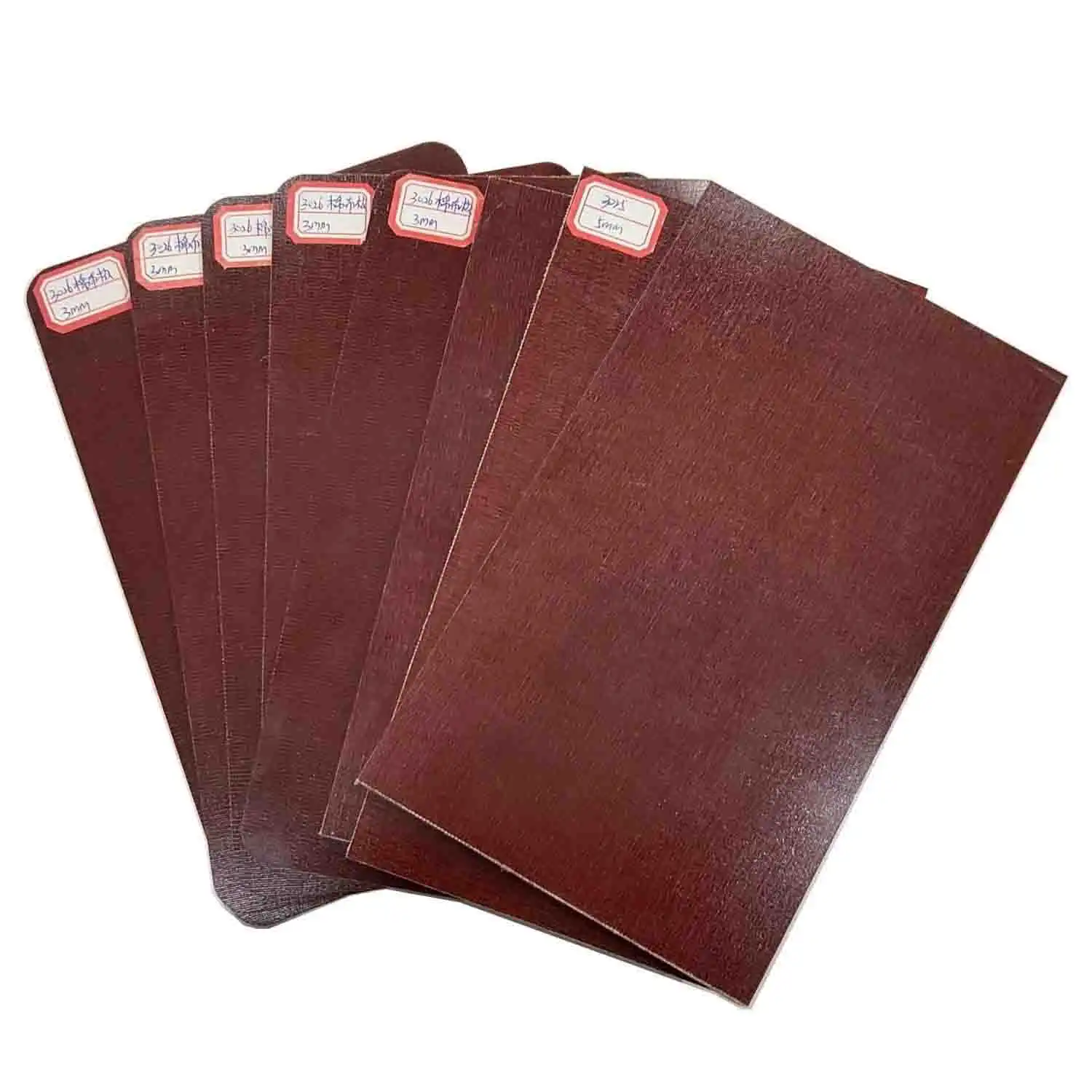
J&Q has been making insulation materials that meet UL, RoHS, and REACH standards for more than 20 years and are specifically designed for tough industrial uses. Controlled resin formulation and precise fabrication are two things that our vertically integrated businesses do well. They make sure that the FR4 sheets, 3240 epoxy boards, and phenolic laminates they give meet the tightest certification standards. We know what foreign buying teams want when it comes to paperwork and quality because we've been exporting for more than ten years and work with top trading companies. Our in-house transportation department handles everything from production to delivery, making sure that all the necessary paperwork is included to make sure that customs clearance goes smoothly.
As a reliable company that makes epoxy resin sheets, we keep our UL certification up to date, have approved labs test each batch for RoHS, and include full REACH SVHC statements with every order. Our expert team works with your engineers to choose the right grades for your needs, whether you need high-dielectric-strength materials to insulate transformers or precision-machined fittings to put together PCBs. You can email us at info@jhd-material.com to talk about your compliance needs, get certified samples, or get full technical paperwork to help with your supplier approval process.
References
Underwriters Laboratories. "UL 94: Standard for Safety of Flammability of Plastic Materials for Parts in Devices and Appliances." UL Standards Catalog, 2023.
European Commission. "Directive 2011/65/EU on the Restriction of the Use of Certain Hazardous Substances in Electrical and Electronic Equipment (RoHS)." Official Journal of the European Union, 2021.
European Chemicals Agency. "Understanding REACH: Guidance for Manufacturers and Importers of Articles." ECHA Publications, 2022.
IPC International. "IPC-4101: Specification for Base Materials for Rigid and Multilayer Printed Boards." Institute of Printed Circuits Standards, 2023.
NEMA Standards Publication. "Industrial Laminating Thermosetting Products: NEMA LI 1-2020." National Electrical Manufacturers Association, 2020.
ASM International. "Epoxy Resins: Characteristics and Applications in Electrical Insulation Systems." Handbook of Materials for Electronic Applications, 2022.
 拷贝_1755500211555.jpg)