Bakelite vs. Phenolic Cotton Sheet: Which Offers Better Mechanical Strength?
2026-07-10 17:23:41
In terms of impact resistance and load-bearing ability, phenolic cotton sheets usually do better than standard Bakelite sheets when it comes to mechanical power for tough industrial uses. When woven cotton cloth layers are added to phenolic cotton sheets, they make them stronger and more durable. This makes them perfect for high-stress mechanical uses. However, Bakelite sheet still has benefits in terms of electrical protection, being easy to machine, and being cost-effective, all of which are important to many electrical and electronics makers. The best choice for you will depend on your unique operating needs and the conditions of the area.
Understanding Bakelite and Phenolic Cotton Sheets
What Defines Bakelite Sheet Materials?
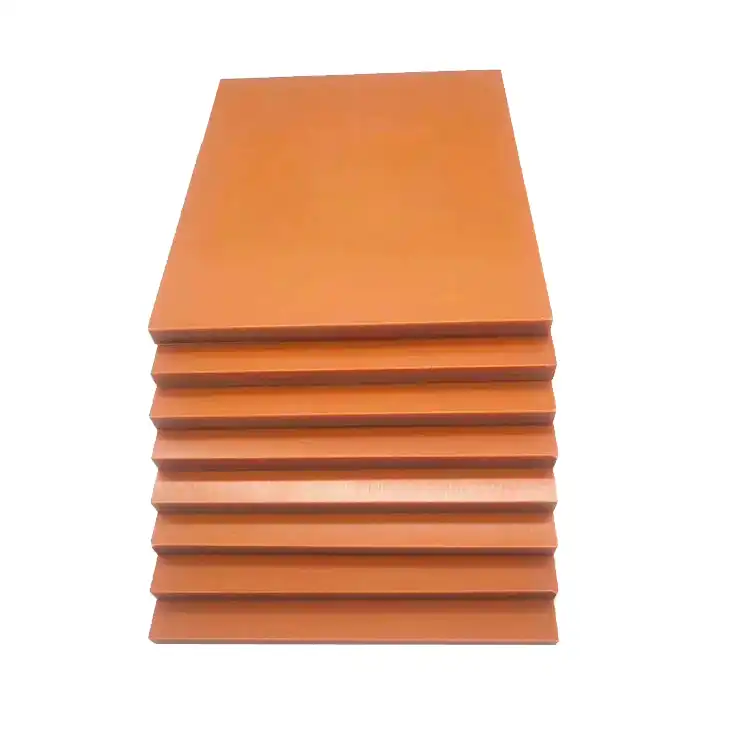
One of the first manmade plastics, Bakelite sheet, was made through a thermosetting method from phenol-formaldehyde resin. We make Bakelite sheet at J&Q by controlling the heat and pressure in precise processors while phenol and formaldehyde condense. When it hardens, the phenolic glue it makes forms a complicated molecular network that can't be melted or remade. In our manufacturing process, we start by stacking paper bases that have been soaked in this resin. We then use heat and hydraulic pressure to make solid sheets that are between 0.5 mm and 50 mm thick. This structure is strengthened with paper and has great electrical insulation qualities and dielectric strength that meets UL and ROHS compliance standards. This makes it an essential part of switchgear, circuit boards, and motor parts.
Phenolic Cotton Sheet Composition and Manufacturing
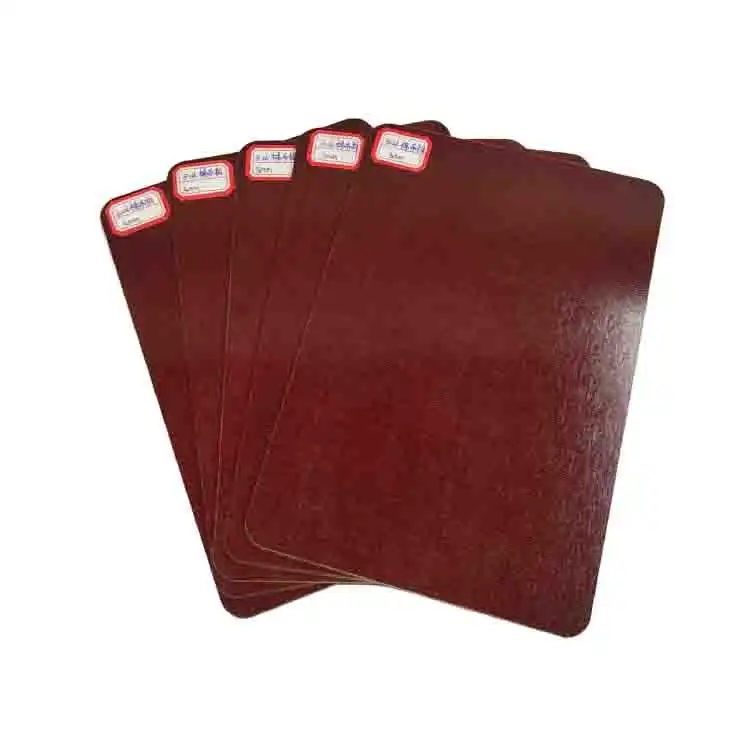
Phenolic cotton sheets are made from the same phenolic resin matrix, but instead of paper, they use knitted cotton cloth as support. The material's mechanical features change a lot because of this basic difference. Several layers of cotton cloth are soaked in phenolic resin, stacked, and cured at high temperatures and pressures during production. The cotton fibers make a three-dimensional structure that is stronger and better at distributing stress than the paper fibers. This cotton-reinforced material is stronger, more resistant to impact, and more stable in its shape when mechanical loads are applied. These traits are very important for structural insulation, mechanical spacers, and wear-resistant parts that have to withstand repeated stress cycles. They are especially valued by people who build industrial machines and run OEM sourcing.
Core Structural Differences Affecting Performance
The reinforcing material has a big impact on how each product behaves mechanically. In a normal Bakelite sheet, the paper fibers mostly line up in two directions. This makes a material that is good for electrical qualities but naturally breaks easily. When you strengthen cotton fabric, you make interlocking fiber networks that better absorb impact energy and stop cracks from spreading. Twenty years of production experience has taught us that these changes in structure have a direct effect on how well they work in different situations. When engineering managers choose materials for PCB support, they often choose paper-based Bakelite sheet because it has better dielectric qualities and a smoother surface finish for CNC cutting. On the other hand, mechanical engineers who are making gears, bearings, or structural parts often choose phenolic cotton sheets because they can handle strong pressure and shear forces without breaking.
Key Mechanical Strength Parameters Compared
Tensile Strength and Load-Bearing Capacity
Different performance patterns for these materials have been found in the lab. The tensile strength of standard paper-based Bakelite sheet is usually between 40 and 60 MPa, which is strong enough for electrical insulation tasks where mechanical loads are low. Tensile strength for phenolic cotton sheets is between 80 and 120 MPa, which is almost twice as high as for paper-reinforced sheets. This big difference is very important in power distribution equipment, where insulation walls must keep the structure strong while holding up transformer coils or busbar assemblies. The cotton reinforcement makes it possible for smaller parts of material to carry the same loads. This reduces weight in places like car battery pack barriers and transportation systems where mass optimization is important for design choices.
Impact Resistance and Toughness Characteristics
The biggest difference in performance between these materials might be their ability to withstand impact. Even though Bakelite sheet is strong and stable in its shape, it is very flimsy, which means it can't be used in places where it will be hit hard. Phenolic cotton sheets can always take three to four times more impact energy before they break in drop tests and Charpy impact measures. This toughness benefit comes from the fact that cotton cloth can stretch and absorb shocks by rubbing against other fibers in the laminate structure. R&D workers in supply chains for car parts know that this trait is important for insulation pads and fixtures that are likely to be vibrated or hit during the assembly process or while the vehicle is running. This toughness is also used by companies that make home appliances in motor brackets, where vibrations from operation could cause weak materials to break over time.
Heat Resistance and Thermal Stability
Both materials work well up to a constant temperature of 120°C, but they react very differently to thermal stress. Throughout its temperature range, Bakelite sheet retains its physical stability and electrical qualities, but it becomes more fragile as temperatures get closer to its maximum. Phenolic cotton sheets are better for uses that need to handle thermal cycling because they keep their mechanical flexibility and impact resistance even when they are heated up. Cotton-reinforced materials are used for coil insulation and arc barriers by transformer makers and electrical engineers because these parts are heated and cooled many times. The cotton cloth can handle thermal growth without building up stress levels inside that could cause cracks. However, both materials will turn black, carbonize, and lose their ability to insulate when exposed to temperatures higher than their rated limits. This shows how important it is to choose the right material for the job based on the real conditions.
Wear Resistance and Friction Properties
For mechanical uses that involve moving touch or rough conditions, you need materials that don't wear down easily. Phenolic cotton sheets work great in these situations because the cotton cloth makes a surface that doesn't need oil because the fibers clean as it's used. Wear rates that are much lower than those of paper-based alternatives are good for gear makers and bearing uses. When paper-reinforced materials are put under repeated contact stress, they often fail in a way called subsurface delamination. The cloth reinforcement stops this from happening. Our quality systems keep track of how well different uses wear, giving procurement specialists information that shows longer service lives are better than higher original material costs. Machine makers who use phenolic cotton in gears and wear plates say that repair intervals are longer and downtime is shorter. This means that the total cost of ownership is lower, even though the materials are more expensive.
Pros and Cons of Bakelite and Phenolic Cotton Sheets in Mechanical Applications
Advantages of Paper-Reinforced Bakelite Sheet
Paper-reinforced Bakelite sheet has many useful properties for electrical and computer uses. The material has great electrical insulation and a high dielectric strength, which keeps current from leaking out and arcs from forming in switches and circuit protection devices. Another big benefit is that it can be machined with a CNC. Compared to cotton-reinforced options, carbide tools make clean edges and exact measurements with less tool wear. The paper support makes the density of the material the same all over, which lets tight thickness limits be used in automated assembly processes. Because it is cheap, Bakelite sheet is a good choice for mass-production uses in home products that need to make thermal separation parts and insulation frames that don't break safety rules. We can offer reasonable prices and quick delivery times because we have good relationships with our suppliers and use efficient manufacturing methods. This helps us meet the needs of just-in-time manufacturing.
Limitations of Standard Bakelite Materials
The main thing that limits the uses of Bakelite sheets is that they are brittle. The material breaks when it is hit or put under too much bending stress, so it can't be used for structure parts that are subject to dynamic loads. Though it doesn't absorb much moisture compared to many plastics, it can slowly lose its electrical qualities in places with a lot of humidity, so it's important to carefully consider the humidity level when choosing a material. Phenolic dust made during machining can irritate the lungs, so active dust capture methods and the right personal safety equipment are needed. These health and safety concerns make things more difficult for companies that don't already have phenolic cutting skills. Concerns about the environment also come up because thermosetting plastics are hard to recycle and end up in landfills. This has led some buying teams to look for other materials that are in line with their companies' sustainability goals.
Strengths of Phenolic Cotton Sheet Construction
Phenolic cotton sheets get around many of the problems that come with paper-reinforced materials while keeping the chemical protection and temperature stability of phenolic resin. The cotton cloth support makes the toughness a lot better, which lets it be used in places where normal Bakelite sheet would break from mechanical shock, vibration, and bending stress. The load-bearing ability goes up a lot, which lets designers choose thinner pieces that lower the weight of parts and the cost of materials. Cotton-reinforced materials are great for industrial gear that is used in dirty places because they don't react chemically with oils, solvents, and hydraulic fluids. Combining heat resistance with mechanical strength opens up new uses for parts in the engine bay of cars that need to be able to handle both high temperatures and mechanical stress. The mix of thermal and mechanical properties is valued by Tier-1 supply chain managers because it cuts down on the need for multiple specialized materials, making it easier to buy things and keep track of stockpiles.
Challenges with Cotton-Reinforced Materials
When selecting phenolic cotton sheets, the biggest problem right now is that the materials are more expensive. Compared to paper-based options, the cost of raw materials goes up by twenty to thirty percent because of the extra processing needed and the cotton cloth reinforcement. It also gets harder to machine because the tough cotton fibers make cutting tools wear out faster. To keep the edges from delaminating, you need diamond-tipped or carbide tools with the right cutting parameters. The quality of the surface finish is usually not as good as that of paper-reinforced materials, which means that uses that need smooth matching surfaces may need extra work. It can also be hard to decide what to buy because there aren't as many sellers of cotton-reinforced products as there are of regular Bakelite sheet. When making buying strategies, these things force procurement specialists to weigh performance needs against budget limits and seller abilities.
Practical Procurement Considerations for Mechanical Strength Applications
Matching Material Properties to Application Requirements
To choose the right materials, you must first do a full study of your needs, which should include mechanical loads, environmental conditions, electricity needs, and the manufacturing processes. Paper-reinforced Bakelite sheet is naturally better for electrical insulation uses that need high dielectric strength, spark protection, and a smooth surface. The greater hardness of phenolic cotton sheet is needed for mechanical parts that are hit, vibrated, or put under high compressive loads. For hybrid uses that need both electrical and mechanical needs, it's important to carefully choose which properties to prioritize. Our expert team works with engineering managers to look at stress profiles, temperature exposures, and failure mode risks that are unique to each application. This consultative method makes sure that material suggestions are based on real-world working conditions instead of general standards. This cuts down on failures in the field and guarantee claims while also lowering the cost of materials.
Supplier Reliability and Quality Certification
Consistency in materials and the dependability of suppliers have a direct effect on how well and how quickly products are made. Our more than twenty years of experience making insulation sheets and ten years of experience trading with other countries show that we are the stable partner that buying teams need for long-term supply partnerships. Certifications like UL recognition and ROHS compliance show that the features of materials and the quality systems used in making have been checked by a third party. Consistency from batch to batch in thickness tolerances, mechanical qualities, and electrical characteristics stops production delays and gets rid of the need for expensive material approval processes for every shipment. Our combined logistics services make it easier for North American buyers to ship goods internationally, clear customs, and schedule deliveries. This cuts down on wait times and makes supply chain management easier. Quality assurance programs and legal compliance needs are supported by technical documents such as material certifications, test results, and processing instructions.
Customization Options and Technical Support
Many uses are covered by standard sheet sizes and grades, but in some niche markets, custom solutions give businesses an edge. Precision cutting, drilling, milling, and turning are all possible with our CNC machining, which lets us make finished parts that meet exact specs. Custom thickness choices, unique resin formulations, and custom surface treatments can meet the needs of different applications without buyers having to buy expensive manufacturing equipment. Commodity sellers are different from strategic partners because they offer technical help throughout the whole procurement process. We help R&D engineers and mechanical designers improve the performance of parts by giving them advice on choosing materials, processing, and fixing problems. This joint method cuts down on the time it takes to develop new products, the number of times prototypes need to be changed, and the time it takes to get new products on the market.
Pricing Dynamics and Bulk Purchasing Benefits
The prices of materials are only one part of the total costs of purchase. The economics of a project are affected by things like lead times, minimum order amounts, payment terms, and the cost of shipping. Our established supply chains and efficient manufacturing processes allow us to offer reasonable prices without lowering the quality of our products or the dependability of our deliveries. Bulk buying deals save money by making sure that materials are available even when demand goes up or the supply chain breaks down. Budget stability is important for planning programs and figuring out costs, and long-term supply contracts with agreed prices can help. Clear minimum order requirements and clear price systems make it easier to get accurate quotes for projects. Our method is flexible enough to handle both large-scale production needs and smaller amounts for prototyping or low-volume specific uses. This means that we can help customers with a wide range of production sizes.
Conclusion
When it comes to mechanical strength, phenolic cotton sheets are clearly better for uses that involve impact, vibration, and structure loads. On the other hand, paper-reinforced Bakelite sheets are still the best choice for electrical insulation needs with low mechanical stress. By knowing these basic differences, procurement professionals can match the properties of materials to the needs of applications, which improves both performance and cost. Our experience shows that choosing the right materials takes a thorough analysis of your needs, working together with your suppliers, and being ready to weigh up initial prices against long-term dependability and the total cost of ownership. The case studies show how the qualities of a material affect how well it works in the real world, which helps people make decisions about what specifications to use. Both materials are very important in many areas, like electrical, industrial, automobile, and home appliances. Which one to use depends on the specific needs of the product, not which one is generally better.
FAQ
How can I identify whether a sheet is paper-reinforced or cotton-reinforced?
The type of support can be seen by looking at the edge or machined surface. For example, paper has thin, even layers with little texture, while cotton cloth has clear knitted designs with fiber bundles that can be seen. Cotton-reinforced materials are also a little rougher to the touch and are easier to work with when you need to handle thin sections.
What safety precautions apply when machining these materials?
Both of these things make phenolic dust, which is irritating to the lungs. During cutting, drilling, or grinding activities, active dust extraction is still needed. Dust doesn't build up when there is good airflow, breathing protection, and regular cleaning of equipment. When compared to high-speed steel tools, carbide or diamond tools make less dust.
What are typical lead times for custom orders?
Most of the time, standard sheet stock comes in one to two weeks. Custom machined components require three to four weeks depending on complexity and quantity. Timeliness may be pushed back to six weeks for large sales or custom formulas. Our integrated logistics capabilities streamline shipping to North American destinations, reducing transit time compared to typical import timelines.
Can these materials be used in food-contact applications?
Due to the phenolic resin content, standard grades are not allowed to come into direct contact with food. Food-grade phenolic products are available, but they need to be certified in certain ways. Most applications use these materials for structural or insulation purposes in food processing equipment rather than direct product contact.
Partner with J&Q for Premium Bakelite Sheet Solutions
For more than twenty years, J&Q has been a great manufacturer, and for ten years, they have been good at doing business with other countries. As a well-known provider of Bakelite sheets, we offer both reliable production skills and full technical help to make sure that the materials we send you are exactly what you need. Our quality systems make sure that every package has the same electrical properties, mechanical performance, and dimensional limits. This gets rid of production risks that throw off plans. We've built an integrated transportation system that offers real one-stop service from choosing materials to delivering them. This makes your supply chain easier to manage and cuts down on administrative costs. Our team works with your engineers to find the best materials and processing settings for your needs, whether you need standard sheet stock for electrical insulation or custom-machined parts for mechanical uses. Email our procurement gurus at info@jhd-material.com to talk about your unique needs, ask for samples of materials, or find out how our services can help you reach your sourcing goals. We'd love the chance to show you why top manufacturers in the car, electrical, industrial, and home product industries choose J&Q as their top Bakelite sheet supplier.
References
Baekeland, L.H. (1909). "Phenol-Formaldehyde Condensation Products and Methods of Making Same." Journal of Industrial and Engineering Chemistry, Volume 1, Issue 3.
American Society for Testing and Materials (2021). "ASTM D709-19: Standard Specification for Laminated Thermosetting Materials." ASTM International Standards.
National Electrical Manufacturers Association (2020). "NEMA LI 1-1998 (R2020): Industrial Laminated Thermosetting Products." NEMA Standards Publication.
Harper, Charles A. (2006). "Handbook of Plastics, Elastomers, and Composites, Fourth Edition." McGraw-Hill Professional Engineering.
Richardson, Terry L. (2003). "Industrial Plastics: Theory and Applications, Fourth Edition." Thomson Delmar Learning.
Ohm, Robert F. (2015). "The Vanderbilt Rubber Handbook, 14th Edition." R.T. Vanderbilt Company, Inc., Chemical Division.
.webp)