How to Request and Evaluate Samples of Phenolic Cotton Cloth Boards?
2026-07-08 17:28:50
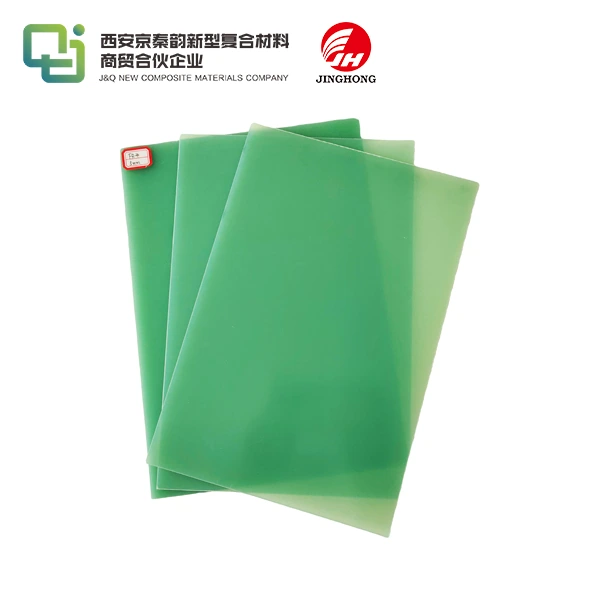
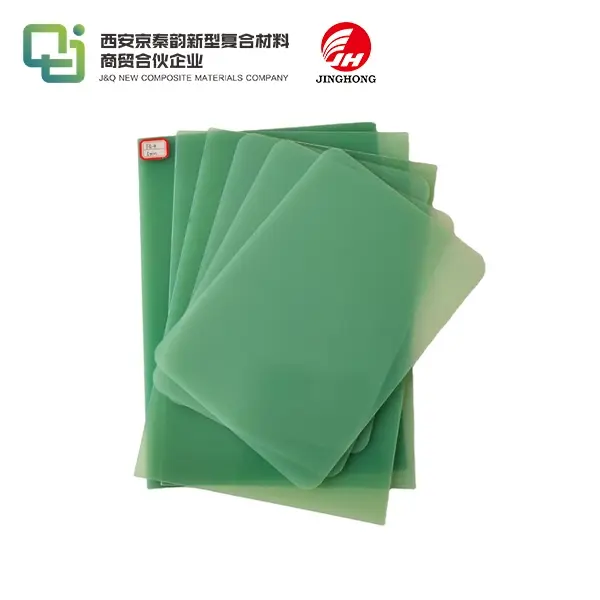
To get and evaluate phenolic cotton cloth board examples, you need to follow a structured process that includes clear communication with providers and strict testing guidelines. Before placing bulk orders, procurement teams should be clear about the grade they want (such as NEMA Grade C or CE), the application requirements, and any size or shape restrictions. They should also do visual checks and performance tests (such as bond strength, dielectric properties, and thermal stability assessments) to make sure the materials are suitable.
Understanding Phenolic Cotton Cloth Boards Before Requesting Samples
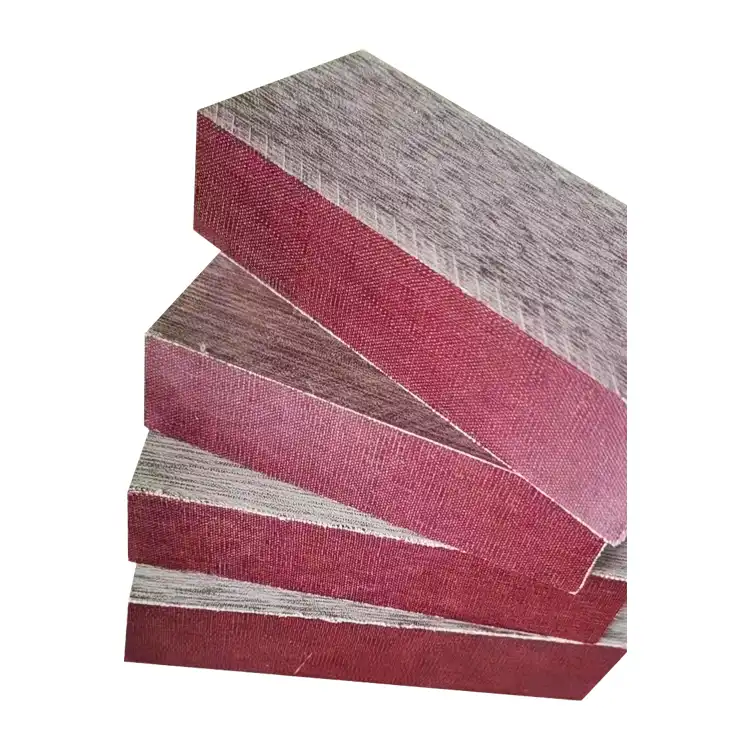
Before asking for samples, learn about phenolic cotton cloth boards. Learning the basics of these designed materials before asking for samples will save you time and keep you from making mistakes that cost a lot of money. Through high-pressure lamination, phenolic cotton cloth boards are made by combining knitted cotton fabric with phenolic resin that hardens at high temperatures. By combining mechanical toughness with electrical protection, this makes a material that is used in many industries and is essential.
What Makes These Boards Different from Other Laminates
Phenolic cotton cloth boards are different from other materials like FR4 or Bakelite because of how they are built. In some situations, glass cloth can't compare to cotton fabric when it comes to stability in size and strength to pressure. The phenolic resin matrix is very resistant to arcs and keeps its shape under thermal stress at temperatures between 115°C and 130°C for continued use, based on the formulation. This mix works well for things that need to be strong mechanically and safely electrically, like big machinery and equipment that distributes power.
Key Technical Specifications You Need to Know
Specification mismatches can be avoided by knowing about important factors before asking for samples. Temperatures are usually classified as Class E (115°C) or Class B (130°C), and short-term temperature spikes up to 150°C are not too bad. Dielectric strength changes based on grade and thickness, but for Grade CE versions, it usually goes over 10 kV/mm. Water absorbs between 1% and 2% of a material's weight, which changes its shape in damp places but lets it be used in bearing uses that need water lubrication. Tensile strength is between 70 and 90 MPa perpendicular to the laminations, and bending strength is usually more than 120 MPa.
Industry Certifications and Compliance Standards
Certifications prove that a product works and make sure that it follows the rules. UL certification, like UL E310670 for 3025 grade materials, proves that the materials are safe for electricity and flame resistance. Following ROHS and REACH rules makes sure that no restricted chemicals are present, which is very important for companies that make electronics for foreign markets. The ASTM D709 and EN 60893 guidelines spell out how to test for mechanical, electrical, and thermal qualities. Manufacturers who have ISO 9001 certification use consistent quality control systems, which lowers the chance of differences between batches.
How to Effectively Request Phenolic Cotton Cloth Board Samples
Finding qualified sellers and clearly stating your needs are the first steps in getting phenolic cotton cloth board samples. When this step isn't clear, it leads to samples that aren't right, which wastes assessment resources and extends the time it takes to buy something.
Identifying Reputable Suppliers and Manufacturers
Choice of supplier has a direct effect on sample quality and the dependability of the supply chain in the future. In addition to looking at basic product lists, you should also look at how the products are made, whether they have quality certifications, and how they handle technical help. Suppliers with 20 years of production experience usually know more about the materials they use and have better process controls. Companies that offer combined transportation services make it easier to ship goods across borders and deal with customs issues. Verified trade partnerships with well-known manufacturers show stable supply networks that can support long-term partnerships.
Structuring Your Sample Request for Maximum Clarity
A well-structured request speeds up the sampling process and makes sure you get materials that are right for your purpose. Make it clear what the material is going to be used for, like for transformer insulation, making gears, or supporting PCBs. Give exact measurements for length, width, and especially thickness, and make sure to include tolerance standards if CNC cutting is going to be done. List the surface finish you want and any special processes, such as cutting or beveling.
Your sample request should include these essential elements to avoid back-and-forth clarifications:
- Application context: Describe the material's working temperature ranges, voltage levels, mechanical loads, and the situations it will be in.
- Material grade preference: Choose the material grade that you want: choose NEMA Grade C for the highest mechanical strength or Grade CE when better machinability and electrical features are more important.
- Quantity requirements: Ask for enough material to do full testing, but be honest about how much samples will cost and how willing the seller is to give them to you.
- Timeline expectations: Let suppliers know when you need to evaluate their work and when they need to plan your production so that wait times are in line with your needs.
Negotiating Sample Terms and Lead Times
Sample prices for phenolic cotton cloth board and shipping times vary a lot from one seller to the next. Some makers cover the cost of samples for serious buyers who have shown they want to buy, while others charge small fees that can be refunded when production orders are placed. Talking about payment terms up front keeps things clear. Depending on how the order is to be shipped and how it needs to be customized, lead times are usually between one and three weeks. There are choices for express shipping for quick reviews, but they cost a lot more. Waiting times are cut down by a huge amount when you build ties with sellers who keep stock in your area.
Evaluating Phenolic Cotton Cloth Board Samples: Criteria and Methods
When you get samples, you can start the important evaluation process that will help you decide if the supplier is right for you and if the material is right for your purpose. Visual inspection and quantitative testing together in a systematic way show performance traits that datasheets alone can't show.
Physical Inspection and Dimensional Verification
Before putting time into speed testing, a first visual inspection finds clear problems. Check the surfaces for burning, pitting, or areas where the glue isn't getting enough—these are all signs that the cure temperature profiles weren't set correctly during manufacturing. Look for delamination by looking for layer separation along the sides and in the holes that were made. Using precise calipers, measure the width in several places and make sure that the tolerances are within ±3% for normal grades. To check if samples are flat, place them on a reference surface and look for warping that doesn't go over 10 mm per meter for bigger boards.
Conducting Performance Tests for Your Specific Application
To validate performance, tests must be done in settings that are similar to real service environments. The method depends on what it's going to be used for, but it should always include basic electrical and mechanical checks.
- Bond Strength Testing: Using the ASTM D229 method shows interlaminar stability, which is important for machining processes. When resin isn't infused properly, it leaves behind "dry spots" that can be seen in cross-sections and cause delamination during CNC processing. Good materials have a bond strength that stays the same across the whole surface.
- Dielectric Property Verification: Testing the insulation resistance 24 hours after being submerged in water shows lower plastic quality that hurts electrical performance. Grade CE materials should keep their high insulation strength even after being exposed to water, which proves that they can be used in wet workplaces.
- Thermal Stability Assessment: Put samples in your working temperature range for long periods of time, and then check to see if the sizes change or the mechanical properties get worse. Materials should keep their structure integrity without turning carbonized or becoming too weak.
Comparing Samples Against Technical Datasheets
Comparing the performance of the real sample to the specs given by the supplier verifies what the maker says and shows any possible problems. Keep track of all your measurements and write down any that are different from the stated numbers. Reliable sources are happy to be inspected and can explain any small differences that come from the way materials are naturally made. There should be in-depth talks about big differences before going ahead with buying.
Making Informed Procurement Decisions Based on Sample Evaluation
Sample data is only useful for buying when it is understood in the context of your operations. To turn test results into buying choices, you have to weigh technical success against business needs.
Interpreting Test Results Within Your Application Context
When you compare raw success numbers to your personal needs, they become more meaningful. For motor insulation that works at 90°C with enough safety margins, a material with a 115°C thermal grade is enough. However, Class B formulations are needed for transformer uses that need to work continuously at 130°C. In the same way, dielectric strength standards are very important for high-voltage switchgear but not so much for mechanical spacer uses where stability in size is more important.
Assessing Long-Term Value and Supply Chain Reliability
Aside from instant technical suitability, you should also look at how well the seller can meet your ongoing production needs. When manufacturers show that thickness limits are the same across samples, it's likely that they use strict process controls to make sure that each batch is the same. Companies that offer expert help and material certifications make it easier for your team to check the quality of the products. Integrated transportation capabilities make it easier to coordinate restocking and deliveries, which is especially helpful when handling strategies for low inventory.
Finalizing Specifications and Order Parameters
When sample evaluation of phenolic cotton cloth board goes well, clear buy specifications are made, which reduces confusion in the future. Write down the accepted material grades, tolerances for dimensions, surface finish needs, and preferred packing. Set quality acceptance standards that include specific test methods and levels of performance. Set delivery dates that are in sync with the planning stages for production and include enough extra time to account for delays. Make sure that inspection methods and non-conformance practices are clear so that everyone's interests are protected.
Case Studies and Best Practices in Phenolic Cotton Cloth Board Sampling
Experiences with buying things in the real world show how organized sampling tactics work and show you how to avoid common mistakes.
Successful Sample Evaluation in Power Distribution Equipment
A company that makes transformers for power companies needed insulation materials for medium-voltage switchgear's coil separators and arc barriers. Their purchasing team asked three sources for Grade CE samples and made sure they met UL standards for flame protection tests and thermal cycling between -40°C and 140°C. The dielectric breakdown tests were done on the samples at the working voltage plus a 50% safety limit. Even though the datasheet specs were the same, one supplier's material always had better tracking resistance than options after being treated with moisture. This thorough review method found the best supplier, and over three years of production, there were no problems in the field.
Avoiding Common Sampling Mistakes
At first, a machinery maker asked for general samples without saying what kind of gear application they needed. The materials that were sent met the basic requirements for mechanical strength, but they were too fragile to work with during cutting, leading to extra tool wear and edge chipping. When the sampling process was started again with more information about the application, such as CNC machining settings and load cycle conditions, the right Grade C material with better impact resistance was obtained. This caused two months of delays in the plan, but it taught me a lot about how to make specifications clear.
Implementing Systematic Quality Verification Protocols
Companies that make a lot of PCBs for electronics can't have inconsistent materials stopping assembly lines. Leading companies set up licensing standards that require new suppliers to give samples from multiple production runs. These samples are then put through rapid aging tests that mimic longer service life. Approved vendor standing is only given to suppliers whose quality is stable across runs and time periods. This strict method costs money up front, but it cuts down on production problems and guarantee claims by a huge amount.
Conclusion
Clear communication and thorough evaluation are key to effective sampling of phenolic cotton cloth boards. This way, you can be sure that the material is right before committing to large production numbers. Clearly stating the application's needs, carrying out thorough performance tests, and making sure suppliers can be trusted through structured procedures all lower buying risks and help find the best material sources. Thoroughly evaluating samples takes time and money up front, but it saves a lot of money and trouble in the long run by preventing production problems and quality problems. When engineering and purchasing teams master these sampling strategies, they gain a competitive edge because they can rely on reliable supply lines to offer consistent material performance.
FAQ
What is the primary difference between NEMA Grade C and Grade CE?
Grade C uses rougher, heavier cotton canvas that is best for gears and bearings that are under a lot of stress. This type of canvas has the highest impact strength and mechanical toughness. Grade CE uses finer weave cloth that makes it easier to work with and better at insulating electricity. This makes it good for structural electrical parts in switches and junction boards where both strength and stability are important.
How should we machine this material to prevent delamination?
To keep heat from building up too much, use cutting tools with diamond tips that have high cutting speeds and reasonable feed rates. Hold the material tightly in place while it is being machined. This will make sure that the cutting forces are perpendicular to the layers of lamination instead of parallel, which will keep the layers from coming apart. The "lifting" effect that leads to delamination at edges and drilled holes can be avoided with sharp tools and the right fixturing.
What lead times should we expect when requesting samples?
Samples are usually sent out within one to three weeks, but this depends on how they are customized and how they are shipped. Standard grade materials from sources who keep stock on hand can be shipped within days. However, wait times can be two weeks or more for custom thicknesses or special treatments. For regular delivery, international shipping adds another week. For an extra fee, expedited choices cut this time down to three to five working days.
Partner With J&Q for Reliable Phenolic Cotton Cloth Board Sourcing
J&Q has been making high-quality insulation materials for more than twenty years. They have a lot of technical knowledge and can provide a wide range of services to make the buying process easier. Our phenolic cotton cloth board supplier operations use UL-certified production lines to make sure that the quality of every batch is the same, and our specialized logistics section makes it easy to coordinate shipping between countries. Engineering support teams help you choose the right materials and follow the right testing procedures, so you can find the best answers more quickly. Contact our purchasing agents at info@jhd-material.com to get samples that are specifically made for your application needs and to experience the dependability that comes from having long-term relationships with top makers.
References
National Electrical Manufacturers Association (NEMA). "Industrial Laminating Thermosetting Products Standards." NEMA LI 1-2020 Publication, 2020.
ASTM International. "Standard Specification for Laminated Thermosetting Materials." ASTM D709-19, West Conshohocken, PA, 2019.
Institute of Electrical and Electronics Engineers (IEEE). "Guide for Test Procedures for Thermal Evaluation of Insulation Systems for Electrical Equipment." IEEE Standard 98-2002.
Technical Association of the Pulp and Paper Industry (TAPPI). "Industrial Laminates: Properties, Testing, and Applications." TAPPI Press Monograph Series, 2018.
International Electrotechnical Commission (IEC). "Specifications for Industrial Rigid Laminated Sheets Based on Thermosetting Resins for Electrical Purposes." IEC 60893-3-1:2020 Standard.
Society of Plastics Engineers (SPE). "Thermoset Composite Materials: Manufacturing Processes and Industrial Applications." SPE Technical Papers Volume 64, 2021.