Tool Wear Management When Machining High-Glass Content FR4 Sheet
2026-07-08 17:28:56
Because FR4 sheet has a unique hybrid structure, it needs extra care to keep tools from wearing down when it is being machined. The glass-reinforced epoxy material has great electrical insulating properties and also rough abrasive properties that wear down cutting tools faster. Controlling tool wear has a direct effect on how fast and well parts are made and how much it costs to run the business. Manufacturers can greatly extend the life of their tools while still keeping the level of accuracy and surface finish quality needed for electrical and industrial uses by choosing the right tools, using the best machining parameters, and following strict upkeep procedures.
Understanding the Challenges of Machining High-Glass Content FR4 Sheets
The Composite Nature of Glass-Epoxy Laminates
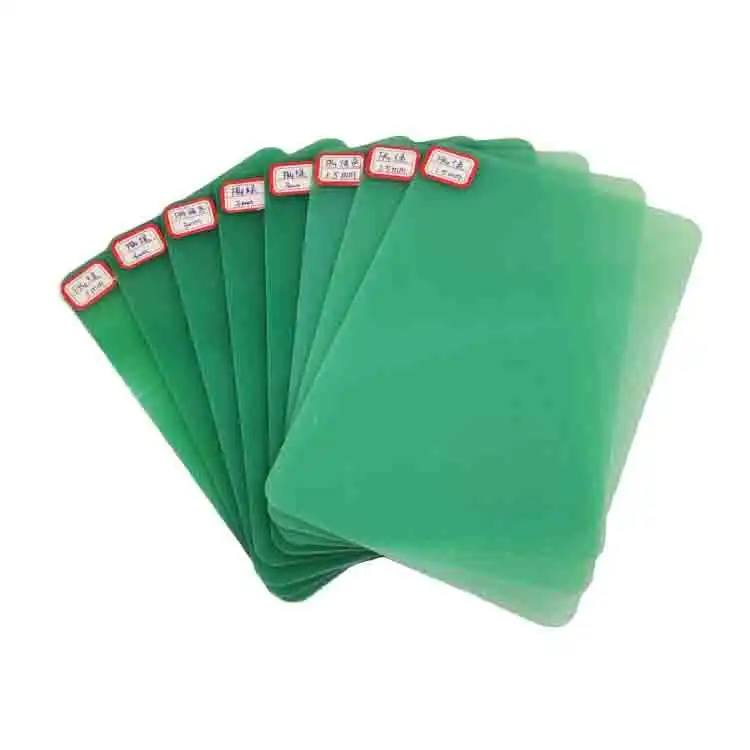
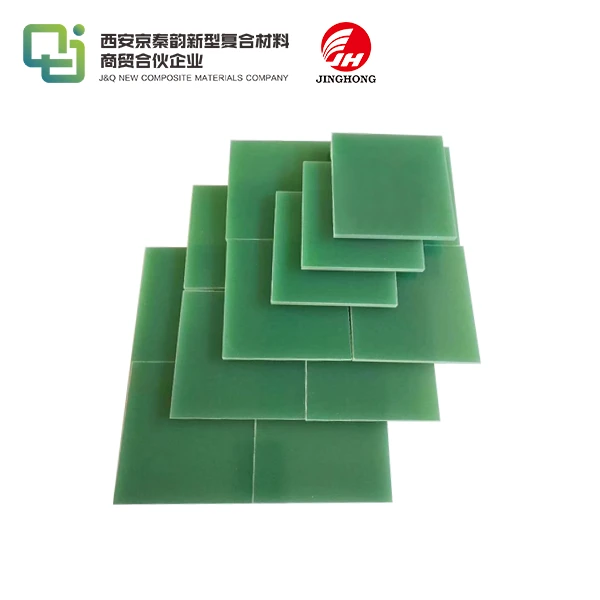
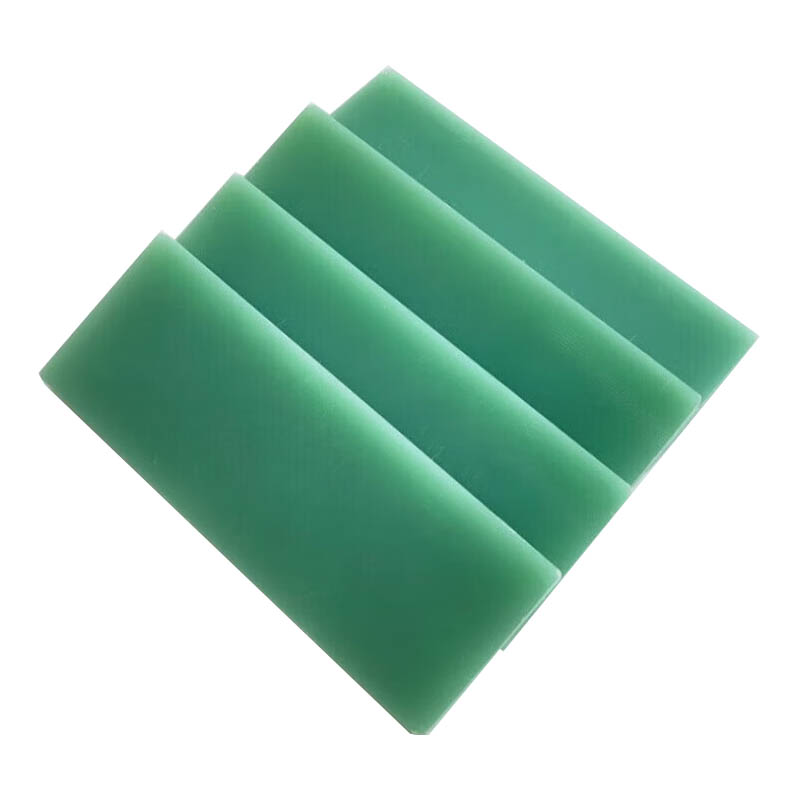
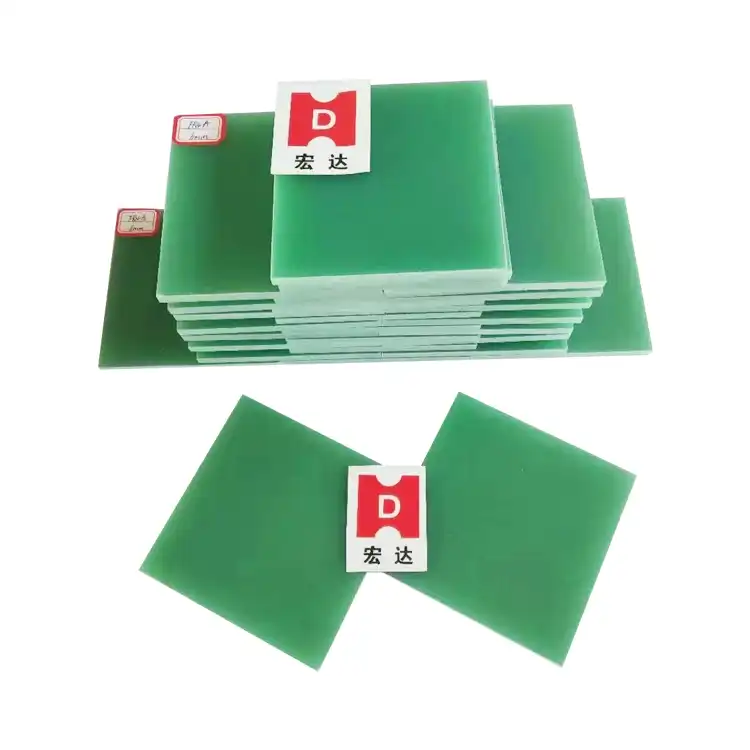
High-glass-content FR4 sheets are made of continuous filament glass cloth that has been soaked in flame-resistant epoxy glue and hardened at high temperatures and pressures. This thermosetting industrial laminate has UL94 V-0 grades for flammability thanks to flame retardants based on bromine. It also has great insulating strength. The glass fiber content, which is usually between 40% and 60% by weight, gives the material great mechanical strength but makes it very hard to machine. The hardness of these knotted glass fibers is very close to 1,000 on the Knoop scale, which means they are much rougher than the epoxy matrix that surrounds them.
Common Wear Mechanisms Affecting Cutting Tools
Cutting tools break down in three main ways when they are used on epoxy boards that have a lot of glass in them. Hard glass fibers constantly scrape against tool edges, wearing away the cutting shape over time. This is called abrasive wear. Adhesive wear happens when resin material sticks to the tool surface when it is heated and pressed, making edge conditions that make cutting less effective. Thermal damage happens when temperatures rise above critical levels because of not enough cooling, making tool materials soften and failure happen faster. We've seen that in production settings, uncontrolled tool wear raises scrap rates by 15–25%. This is especially true for tight-tolerance parts used in switchgear and PCB applications.
Impact on Manufacturing Quality and Costs
Because glass-reinforced laminates are rough, they have a direct effect on the regularity of dimensions and the stability of the surface. Worn tools leave behind burrs, delamination, and fiber pulls that need extra finishing steps or cause the part to be thrown away. Engineering managers say that 20 to 30 percent of the total cost of making these materials without following the right management procedures is due to tool wear. Unexpected tool changes cause production delays, which is especially bad for companies that make a lot of appliances and parts for cars that need to have regular delivery times.
Analyzing Causes of Tool Wear in High-Glass Content FR4 Machining
Material Hardness and Fiber Abrasiveness
The continuous filament glass cloth inside the FR4 sheet cuts tool surfaces with a huge number of tiny cutting edges. E-glass fibers are the usual way to strengthen industrial laminates. They are very hard because they contain silica, alumina, and calcium oxide compounds. This rough action gets stronger where fiber bundles cross over, which happens where weave construction makes localized differences in density. When working with high-Tg FR4 versions, manufacturers face even bigger problems because these materials have more glass in them to have better thermal performance above 170°C, which speeds up the rate at which tools break down even more.
Machining Parameter Influences
During epoxy laminate cutting, the rate of tool wear is greatly affected by a number of working factors, including:
- Spindle Speed Effects: When spinning speeds are too high, frictional heat is created, which softens carbide tools and speeds up wear. Lower speeds make less heat, but they may also make cutting forces higher, which can lead to different failure modes. Spindle speeds that work best for glass-epoxy materials are usually between 12,000 and 18,000 RPM, but this depends on the width of the tool and the thickness of the material.
- Feed Rate Considerations: Fast feed rates raise the chip load and cutting forces per tooth, which makes it more likely that the mechanical tool will break. Conservative feeds make it harder to remove material and can make the machine rubbing instead of cutting, which creates too much heat without removing material.
- Depth of Cut Variables: Multiple shallow passes spread wear out more widely over the tool's life, while deep cuts focus thermal and mechanical stress. To find the best balance between efficiency and tool life, you need to know what the unique needs of the application are.
Environmental Factors and Chip Management
Cascading problems happen when heat builds up during the cutting of glass-reinforced laminates. Temperatures above 200°C can weaken epoxy glue, giving off smelly fumes and making tool materials softer at the same time. If chips aren't cleared away properly, rough glass bits can go back and forth through the cutting zone, scratching finished surfaces again. When dust builds up, it can be harmful to your lungs and even start a fire, especially when working with flame-retardant materials that contain halogenated chemicals. Effective cooling and drainage systems are not extras; they are necessary parts of the infrastructure.
Principles and Best Practices for Effective Tool Wear Management
Advanced Tool Material Selection
When working with glass-reinforced plastics, regular high-speed steel tools break down very quickly. Standard performance is provided by carbide tools, and submicron grain carbide grades offer better wear protection than standard micrograin types. Most of the time, polycrystalline diamond (PCD) tools last 50 to 100 times longer than carbide tools when working with rough laminates. We suggest PCD options for places that make more than 500 parts a month. The bigger original investment saves a lot of money over time because the tools last longer and don't need to be changed out as often. Specialized finishes make tools work even better. Titanium aluminum nitride (TiAlN) layers act as a thermal shield, which keeps the cutting edge strong at high temperatures. Diamond-like carbon (DLC) layers lower friction and stop resin from sticking, so the cutting shape stays sharp even during long production runs.
Optimizing Machining Parameters for Tool Longevity
To balance output with protecting tools, you need to build parameters in a planned way. During controlled testing, starting conditions should be set. Then, one variable should be improved at a time while tool wear and part quality are tracked. Design of experiments (DOE) is a method used in modern industry to quickly find the best pairings of parameters. Strategies for cooling are very important for controlling the temperature. Oil-based mist cooling systems keep cutting edges smooth while lowering temperatures. However, they need enough air flow to keep operators safe. Compressed air cooling is easier to set up but doesn't do as good of a job of controlling temperature. When vacuum chip extraction is used with cutting, it gets rid of sharp particles before they do more damage and protects workers from glass fiber dust at the same time.
Implementing Systematic Maintenance Protocols
Regular inspections of tools keep them from breaking down in terrible ways that damage both workpieces and equipment. When looked at closely under a microscope, early signs of wear can be seen, such as chipped edges, worn-down coatings, or edges that have built up. Using tool presetters to check the dimensions makes sure that the cutting shape stays within acceptable limits. Setting standard replacement criteria, like the width of the side wear land or the radius of the cutting edge, lets everyone on the production line make the same decisions. Real-time tracking technologies give processes that handle a lot of data more advanced features. Spindle power tracking finds higher cutting forces, which mean the tool is wearing down. Changes in cutting dynamics that are caused by tool wear can be picked up by acoustic emission monitors. When these tracking systems are connected to machine controls, tool life management can be done automatically. This increases productivity while lowering quality risks for FR4 sheet processing.
Case Studies and Real-World Applications
Electronics Manufacturer Reduces Tool Costs 30%
A major PCB support maker that worked with UL94 V-0 materials had to deal with rising costs for tool repair and quality issues. Their old tungsten tools had to be replaced every 200 to 300 drilling jobs, which caused a lot of breaks in production. Using PCD tools with the best settings increased the tool's life to over 15,000 uses and made the holes better. At the same time, using vacuum dust extraction cut down on secondary surface contamination. The combined method cut the cost of each part's making by 30% and got rid of quality-related waste, showing a measured return on investment (ROI) within the first production quarter for their FR4 sheet components.
Automotive Component Supplier Improves Dimensional Consistency
An car tier-1 source that machined battery pack insulators had trouble with variations in the sizes of the parts during different production runs. An investigation showed that the thickness tolerance shift was caused by increasing tool wear. Setting up regular tool replacement times based on piece count instead of replacing tools only when they break fixed the regularity of the dimensions. Adding procedures for checking the shape of tools made sure that new tools met the requirements before they were used in production. Systematic changes like these cut down on rework by 45% and raised customer quality scores, which led to long-term supply contracts.
Industrial Equipment Manufacturer Enhances Production Efficiency
Unpredictable tool failures slowed down the production plans of machinery makers who made structural insulation components. Adopting process tracking technology made it possible to make choices about replacing tools based on data. Analysis showed that some machining processes caused uneven wear, which allowed for focused changes to the tools used. By adjusting the cutting settings for each job, wear was spread out more evenly, which increased the total tool life by 25% while keeping output the same. The systematic method changed tool management from being a reflexive reaction to crises to operations that could be planned for and managed.
Conclusion
To effectively handle tool wear when cutting high-glass-content FR4 sheet, you need to know about the properties of the material, choose the right tools, make sure the machining settings are optimized, and do regular maintenance. Because the glass fibers are rough, you need carbide or PCD cutting tools with special finishes to get a good tool life. Spindle speeds, feed rates, and cooling methods that can be controlled strike a balance between efficiency and tool protection. Unexpected failures that hurt quality and stop production are avoided by real-time tracking and set inspection routines. Companies that use full tool wear management cut costs, make sure measurements are always the same, and gain a competitive edge in the precise production market.
FAQ
What cutting tools work best for machining glass-reinforced epoxy laminates?
Polycrystalline diamond (PCD) tools work better in production settings and last 50 to 100 times longer than standard carbide tools. For low-volume needs, submicron grain carbide coated with TiAlN or DLC can be a cost-effective option. When working with these rough hybrid materials, you shouldn't use standard high-speed steel tools because they break down quickly.
How can manufacturers monitor tool condition without constant production interruptions?
Modern spindle power tracking devices can tell when cutting forces are going up, which means tools are wearing out faster, without having to stop production. Changes in cutting mechanics that are caused by degradation are picked up by acoustic emission monitors. Setting inspection intervals based on piece count strikes a balance between proactive tracking and production, allowing scheduled examinations to happen during planned material changes instead of unplanned emergency stops.
What risks occur when using improper machining parameters on FR4 materials?
Too fast of speeds cause heat damage that weakens the materials of both the tools and the workpiece. When feed rates are too fast, mechanical tools break down and delamination happens. When cooling isn't done properly, heat builds up, releasing dangerous fumes from flame-retardant additives while lowering the accuracy of the measurements for FR4 sheet orders. Poor chip removal leads to surface flaws and health risks for operators from glass fiber particles in the air.
Partner with J&Q for Superior FR4 Sheet Machining Solutions
J&Q has more than 20 years of experience making and selling fine FR4 sheet materials that are designed to be easy to machine. Our technical team knows how important it is to manage tool wear by using high-quality materials and making sure that the fibers are evenly distributed and the amount of glue is kept under control. This helps keep rough tool damage to a minimum. As a well-known company that makes sheets for the electrical, industrial, automobile, and appliance industries, we combine our production skills in the United States with our knowledge of foreign logistics through our fully integrated delivery network. Contact our engineering experts at info@jhd-material.com to talk about your specific machining problems and find out how our precisely manufactured materials and application-specific technical advice can help you cut down on tool wear while also increasing production efficiency and the quality of your parts.
References
Davis, J.R. (2004). Handbook of Thermal Spray Technology. ASM International Materials Park, Ohio.
Kobayashi, A. (1987). Machining of Plastics. Robert E. Krieger Publishing Company, Malabar, Florida.
Teti, R. (2002). "Machining of Composite Materials." CIRP Annals - Manufacturing Technology, 51(2), 611-634.
Sheikh-Ahmad, J.Y. (2009). Machining of Polymer Composites. Springer Science+Business Media, New York.
Davim, J.P., & Reis, P. (2005). "Drilling Carbon Fiber Reinforced Plastics Manufactured by Autoclave: Experimental and Statistical Study." Materials & Design, 24(5), 315-324.
Hocheng, H., & Tsao, C.C. (2006). "Effects of Special Drill Bits on Drilling-Induced Delamination of Composite Materials." International Journal of Machine Tools and Manufacture, 46(12-13), 1403-1416.