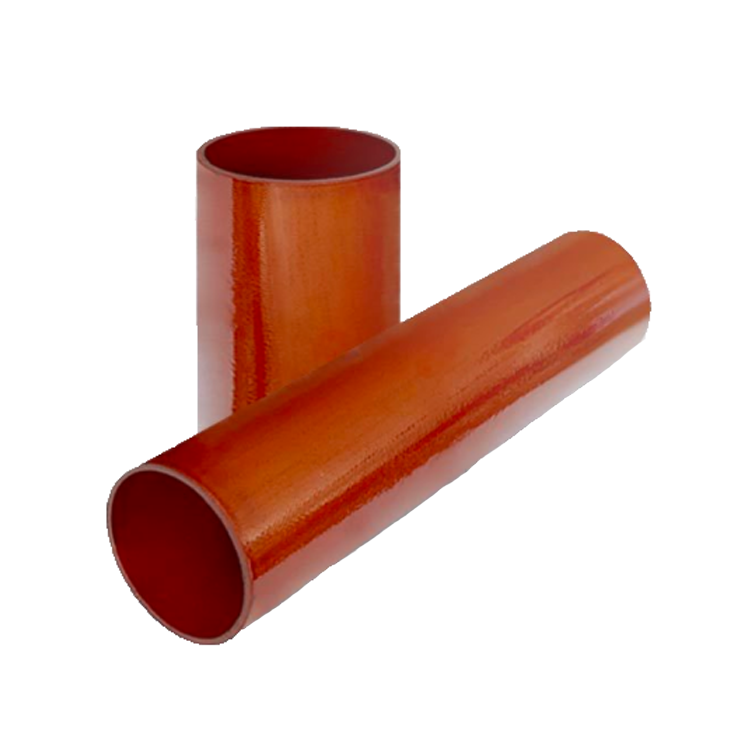
Paper Phenolic Sheets: An In-Depth Exploration Introduction
2026-05-07 14:50:22
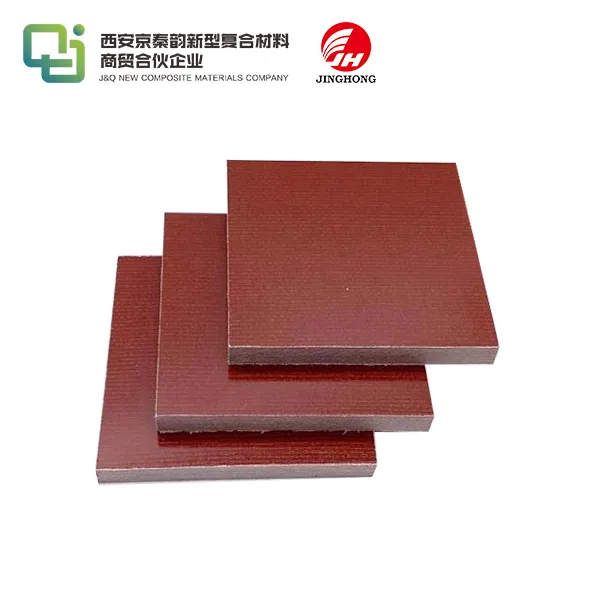
When engineers have to make important choices about insulation materials for electrical systems, they usually have to find the best balance between performance, cost, and dependability. Phenolic paper board is a tried-and-true method that has helped industries progress for many years. This thermosetting composite laminate is made by injecting layers of kraft paper with phenolic glue under high temperature and pressure. It has great dielectric strength and can be easily machined. The material solves basic problems in electrical manufacturing, like insulating high-voltage switches and cutting backup boards for PCBs. It's a cheaper option to epoxy-glass composites when high mechanical loads aren't the main worry.
Even though the business world is always changing, paper-based phenolic laminates are still very important in the electrical, automobile, and power generation industries. Buyers can make the best use of their supply chains by knowing about their technology features, application-specific benefits, and buying factors. This helps them keep product quality high and follow all regulations.

Understanding Phenolic Paper Boards: Properties and Manufacturing
Composition and Material Structure
Paper-based phenolic laminates are made up of several layers of cellulose kraft paper that are soaked with phenolic resin that hardens at high temperatures. During the production process, the plastic amount has to be carefully controlled. Depending on the grade, it is usually between 25 and 35 percent by weight. This designed mix makes a hard structure with a density of 1.30–1.45 g/cm³, which makes it a strong but lightweight electrical insulator.
During the hot-punching process, the kraft paper base adds mechanical flexibility, which lets complex forms be made without delamination—a major benefit over options that are more rigid. The phenolic resin structure is resistant to mineral oils, industrial solvents, and most acids, which means it can be used in tough factory settings.
Manufacturing Process and Quality Standards
The first step in the production process is to soak paper in a controlled phenolic resin bath. The thickness and entry depth are checked to make sure that the paper is fully saturated. After being impregnated, the sheets are stacked in exact shapes and put under pressure of about 1000 psi while being heated to temperatures between 150°C and 180°C. The hardening process turns the resin into a polymer, which makes a cross-linked molecule structure that determines the temperature and electrical properties of the material.
During production, quality control measures include checking the thickness range (usually within 0.1mm for normal grades), checking the flatness of the surface, and testing the electrical properties according to ASTM D709 and IEC 60893 standards. NEMA grades (X, XX, and XXX) separate goods based on the amount of plastic they contain and how well they fight wetness. Grade XXX performs best in humid work settings. In short-time tests, the material shows dielectric strength above 500 V/mil, which means it can be trusted for high-voltage uses.
Customization Options for Industrial Applications
Manufacturers offer a range of customisation options to meet the needs of different applications. You can choose from thicknesses ranging from 0.5mm to 100mm, so you can use them for anything from thin insulation walls to structural support parts. You can change the surface finish. Smooth finishes work best for accurate cutting, while rough surfaces work better for sticking together layered parts.
Adding colour to phenolic paper board items to make them stand out helps buying teams keep track of stock and avoid mistakes during assembly. Custom cutting services, like CNC shaping and water jet cutting, cut down on waste and speed up the production process. Some sellers offer parts that are already cut or marked with a laser, making them ready to be installed and lowering the cost of handling further down the line.
Applications and Industry Use Cases of Phenolic Paper Boards
Electrical and Electronics Manufacturing
Paper phenolic laminates are used as base insulator materials in the electrical production industry. Because the material is very insulating, it keeps electrical breakdown from happening in switchgear systems. This is because phase barriers and arc chutes keep short circuits from happening. Busbar supports made from phenolic sheets keep the necessary space between live wires, even when high current loads put magnetic stress on them.
These boards are used as hole backup plates in PCB manufacturing. During micro-drilling, the phenolic backing provides a smooth exit surface that keeps drill tables safe and increases tool life. This use takes advantage of the material's ability to be machined to make clean exit holes that don't break into pieces that could damage the circuit. When compared to glass-epoxy materials, natural lubricity lowers drill bit friction, which keeps standards tighter across production runs.
Manufacturers of transformers use phenolic insulation sheets to keep the coils apart and keep heat out. The material can withstand temperatures up to 120°C continuously, which makes it ideal for use in distribution transformers that need to keep temperatures under control. It doesn't change size when electrical stress is applied, so insulation lengths in high-voltage systems don't get shortened.
Industrial Machinery and Equipment
Machine builders use phenolic cotton cloth laminates to make parts that don't wear down easily. The material has a bending strength of more than 135 MPa (lengthwise), which means it can be used for load-bearing tasks like structure spacers, gear blanks, and mechanical insulators. Its high compression strength keeps its shape even when it's under constant mechanical stress, which is important for jigs and fittings in assembly lines.
For welding tools and assembly guides, manufacturing sites use phenolic board as a non-conductive mould. The material stays flat over thousands of production cycles, which is better than wood-based options that can't handle repeated heat cycling. When mixed with certain chemicals, its antistatic qualities keep sensitive parts from being damaged by electrostatic discharge.
Because it is easier to machine, complex shapes can be made with normal carbide tools. Mechanical engineers use this material to make special gaskets, pump parts, and valve seats because it is resistant to chemicals and lasts a long time mechanically. Because complex forms can be hot-punched, production goes faster than with glass-reinforced options, which need to be machined.
Automotive and Transportation Sectors
Paper phenolic materials are used by companies that make parts for cars. These materials are put into battery pack systems, which have thermal shields that stop heat from moving between cells. The flame-retardant properties of the material meet strict automobile safety standards, which is very important for electric vehicle uses. Using phenolic sheets to make insulation pads lowers electromagnetic interference in electronic control units, which makes the signals more reliable.
In the automobile industry, heat-resistant fixings are made from phenolic paper board because they stay stable at high temperatures while paint cures and parts are bonded together. Unlike synthetic options that change shape when heated, this material keeps its functional qualities even after being exposed to high temperatures many times. Precision-machined phenolic parts help keep parts in the same place, which helps automatic assembly lines have better standards for assembly.
Power Generation and Distribution
Companies that distribute electricity use phenolic shielding for spark shields in medium-voltage equipment. The material's tracking resistance stops surface carbonisation, which can cause electrical problems in dirty places. Because it doesn't absorb water (especially in Grade XXX forms), it keeps its dielectric performance in open settings where humidity changes with the seasons.
The physical stability of phenolic sheets makes them useful for coil insulation in generators and motors. The material doesn't change a lot when the temperature changes, so the insulation lengths between the windings stay the same. This stability keeps equipment from breaking down too soon because of insulation breakdown, which extends its useful life in harsh power producing settings.
Procurement Guide: Where and How to Buy Phenolic Paper Boards?
Evaluating Supplier Credentials
To find trusted providers, you need to check their quality control methods and factory approvals. UL recognition (like E310670 for phenolic cotton cloth boards) shows that the product meets electrical safety standards, while ISO 9001 certification shows that quality control procedures have been set up and are being followed. Documentation for ROHS and REACH compliance makes sure that products meet global market environmental rules.
The supplier's ability to make things has a direct effect on how reliable deliveries are. Buyers should look at how well the company manages its goods, how well it sources raw materials, and how well its production equipment works. Established makers keep popular types and thicknesses in stock, which lets them respond faster to pressing needs than build-to-order sellers, who have to wait longer for orders to be processed.
Premium suppliers are different from basic suppliers because they offer technical help. Suppliers who offer help with choosing materials, application engineering advice, and special manufacturing services are helpful to procurement teams. It speeds up product creation and lowers approval risks to be able to provide material test results, certificates, and processing suggestions.
Ordering Options and Pricing Factors
Wholesale buying works best for producers whose customers' buying habits are reliable. Annual contracts often get better prices and make sure that supplies will always be available. By promising a certain number of units, sellers can plan their production more efficiently, which benefits buyers by lowering the cost of each unit.
Custom orders can be made to fit specific size needs, surface styles, and qualities. Customisation usually costs 15–30% more than normal grades, but the fact that you don't have to do any extra handling often makes up for it. For unique specs, different suppliers have different minimum order amounts. Sometimes, smaller speciality makers can offer lower minimums than large-scale producers.
The way prices are set for phenolic paper board takes into account more than just the cost of materials. Pricing is affected by thickness in a big way. Thicker boards need longer press cycles and use more glue, which makes production costs go up by the same amount. Custom cutting or grinding services cost more in labour but make it easier for buyers to get their orders processed. International shipping, especially for heavy orders, adds a lot to landing costs, which is why choosing a regional seller is important from an economic point of view.
Quality Assurance and Logistics Management
Using incoming screening procedures guards against getting bad materials. Visual inspection should be used to check the quality of the surface, looking for delamination, places with lots of resin or not enough resin, and contamination. Dimensional testing shows that the width limits meet the standards of the specification. Before committing material to production, electrical testing of sample coupons makes sure that the dielectric strength is correct.
To keep things from getting damaged during transportation, shipping operations need to be carefully planned. Putting phenolic boards on boxes flat and putting protected interleaving between the sheets is the best way to ship them. Edge protection keeps things from breaking when they are being handled, and moisture-barrier wrapping keeps things from being exposed to air while they are being shipped. Buyers should be very clear with sellers about the packaging they need, especially for foreign packages that go through more than one temperature zone.
Lead times depend on the grade, thickness, and size of the order. Standard grades in common widths usually ship in two to three weeks, but special specs can take up to eight weeks to make. Framework deals with agreed-upon delivery dates help sellers keep track of their inventory levels without keeping too much on hand as a safety net. Some sellers offer contract stocking plans, which lower the need for operating capital while still making sure materials are available.
Technical Insights and Handling Tips for Phenolic Paper Boards
Machining Best Practices
To get the best results when cutting phenolic laminates, you need to choose the right tools and set the right cutting settings. Saw blades with 60 to 80 teeth and a carbide tip make clean cuts with little edge breaking. To cut fibres smoothly instead of breaking them, router bits should have cutting edges that are very sharp and positive rake angles. In high-volume production settings where rough phenolic resin speeds up normal tool wear, diamond-coated tools make tools last a lot longer.
For most phenolic grades, cutting speeds between 1500 and 3000 surface feet per minute work well. For harder XXX grades, however, slower speeds are better to keep them from burning. The feed rate should be just right for both output and surface finish needs. Slower feeds make lines smoother, but they also slow down production. During cutting, cooling systems or air blasts stop heat buildup that could char the paper base, which would ruin its look and electrical qualities.
Sharp, high-helix drill bits are needed for drilling phenolic paper board so that chips can be removed quickly and the hole wall doesn't get burnt. Peck drilling processes keep the dimensions of holes the same by preventing heat buildup in deep holes. Putting backing boards under workpieces stops delamination on the exit side. This is especially important when making fixing holes close to the edges, where there isn't much material support.
Storage and Environmental Considerations
Because paper surfaces absorb water, it is important to keep the surroundings under control while they are being stored. The relative humidity should stay between 40 and 60% so that things don't absorb too much water, which can cause them to bend and expand. Stability at any temperature is important, because changing temperatures causes the paper core and resin surface to expand and contract differently, which could cause internal stresses that show up as bending after cutting.
The material should be stored horizontally on flat surfaces that offer enough support across the whole sheet area. Gravitational stress, which happens when things are stored vertically or aren't supported properly, bends boards forever over time. Covering protects against dust buildup and UV light, which can damage surface qualities before they are machined. Using first-in, first-out inventory management to rotate stock keeps things from going bad too quickly before they can be used.
Before cutting, acclimatisation times let the material get used to the conditions of the shop floor. This lowers the changes in size that happen after machining. It takes 24 to 48 hours for materials to stabilise in temperature after being moved from cool storage areas to warm production areas. This is especially important for precision parts with tight standards.
Safety and Compliance Standards
Ratings for fire protection set the limits for safe use. Standard phenolic grades get V-0 or V-1 scores in UL94 tests, which means they can put out fires on their own after the flame is out. Higher-performance types meet industry standards like IEC 60893 for electrical insulation materials, which lists the ways that flames spread under certain test conditions.
To keep things from breaking down too soon, the constant working temperature limit of 110°C to 120°C (Class E insulation) must be followed. If you go over this limit, the paper base will carbonise, which will weaken both its dynamic and insulating qualities. Short-term changes in temperature during soldering or welding usually don't affect the grades that were properly defined, but long-term heat exposure speeds up the ageing process.
When phenolic products are machined, tiny dust with phenolic resin particles is made. Dust filtration systems should catch particles where they come from, protecting workers' lungs and keeping workplaces clean. During drilling and cutting, workers are protected by personal protective equipment like dust masks and safety glasses. Material safety data sheets have thorough instructions on how to handle things and what to do in an emergency.
Conclusion
Paper-based phenolic paper board are still very important in electrical, industrial, and automobile settings because they offer a good mix of electrical protection, mechanical workability, and low cost. The material has been used for decades and has been shown to work reliably in circuit systems, PCB manufacturing support, and structural insulation. By knowing the differences between NEMA grades, the right way to machine them, and how to store them, buying teams can get the most out of their materials while keeping costs as low as possible. As industries change to meet stricter temperature and electrical standards, phenolic boards will still be useful where their unique set of properties matches the needs of the application. They offer cost savings in making that newer materials don't always have.
FAQ
What kinds of thicknesses do phenolic paper boards come in?
Standard widths are between 0.5 mm and 100 mm, with 1 mm, 1.5 mm, 3 mm, 6 mm, and 10 mm being the most popular. Special production runs can meet custom thickness needs, but there are usually minimum order amounts that must be met. Tolerances for thickness meet NEMA standards and are usually ±0.1mm for sheets less than 10mm thick.
How does water change the performance of phenolic paper board?
The paper base takes in water from damp places, which makes it expand in size, which can cause it to twist. Because they contain more glue, Grade XXX versions are better at resisting water than Grade X. Problems with wetness can be avoided by storing things properly at a controlled humidity (40–60% RH). Applications that will be exposed to high humidity should call for types that are resistant to wetness to keep the electrical and physical stability.
Is it possible to use phenolic boards outside?
Grade XXX phenolic laminates can handle being outside better than lower grades, but UV damage changes the surface qualities over time. Protective coats or barriers make things that are out in the open last longer. The material is resistant to wetness and doesn't change much in temperature, so it can be used for many outdoor electrical uses, such as distribution switches and transformer parts, as long as the right grade is chosen and proper installation methods are used.
Partner with J&Q for Reliable Phenolic Paper Board Solutions
J&Q brings more than 20 years of experience making things to the world market for soundproofing materials. They combine technical know-how with helpful customer service. Our phenolic paper board production meets international standards and has been certified by UL, ROHS, and REACH. This means that it is suitable for a wide range of uses. As a seller of phenolic paper board with a lot of experience, we keep a large stock of standard grades and sizes, so we can quickly meet the needs of both prototypes and large production runs.
Our combined transportation skills make the whole buying process easier, from the first expert advice to the final delivery. This form of a "one-stop service" makes planning easier and transport more reliable. Our engineering team works with your sourcing and technical staff to make sure that the material specs are best for your application, whether you need standard sheets or parts that are made just for you. Email us at info@jhd-material.com to talk about your phenolic laminate needs and get thorough quotes backed up by a lot of technical information.
References
ASTM International. "ASTM D709-20: Standard Specification for Laminated Thermosetting Materials." Annual Book of ASTM Standards, Vol. 08.01, 2020.
National Electrical Manufacturers Association. "NEMA LI 1-1998: Industrial Laminating Thermosetting Products." NEMA Standards Publication, 1998.
International Electrotechnical Commission. "IEC 60893-3-1: Specifications for Industrial Rigid Laminated Sheets Based on Thermosetting Resins for Electrical Purposes." IEC Standard Publication, 2017.
Harper, Charles A. "Handbook of Plastics, Elastomers, and Composites." McGraw-Hill Professional, 4th Edition, 2002.
Klein Wassink, R.J. "Soldering in Electronics Assembly." Electrochemical Publications Limited, 2nd Edition, 1989.
Taguchi, Genichi and Jugulum, Rajesh. "The Mahalanobis-Taguchi Strategy: A Pattern Technology System." John Wiley & Sons, 2002.