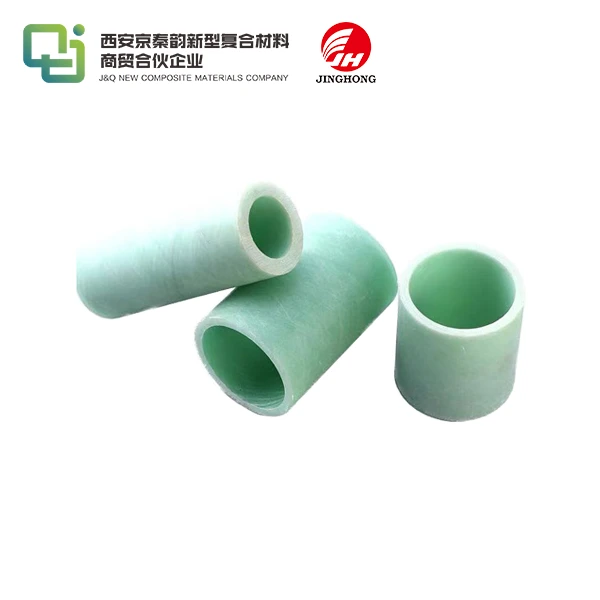
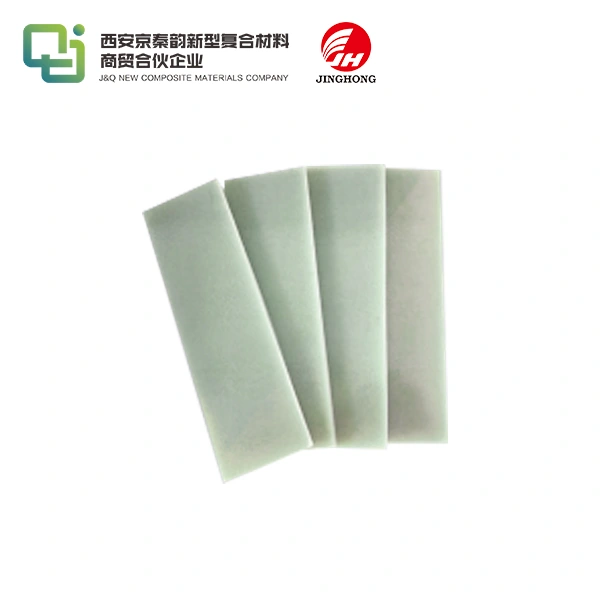
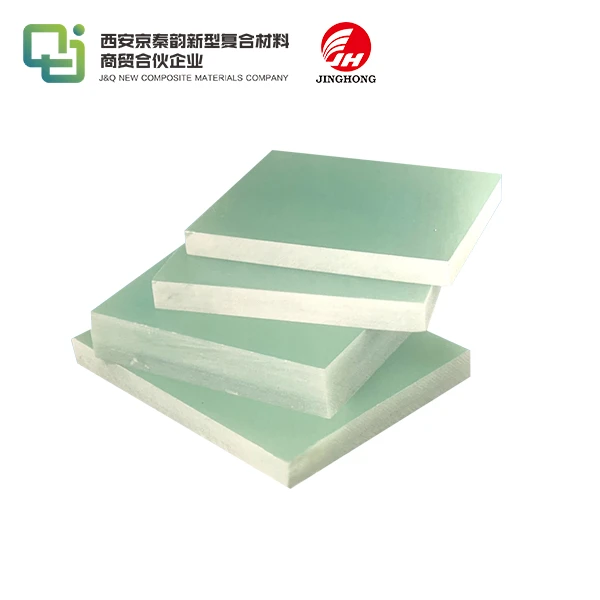
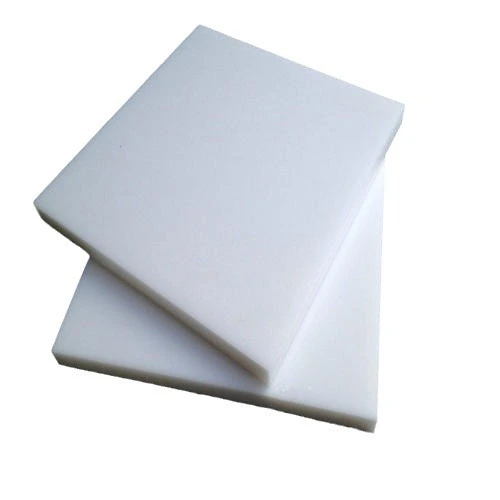
Phenolic Cotton Cloth Boards in Heavy-Duty Gear and Bearing Manufacture
2026-06-22 17:29:43
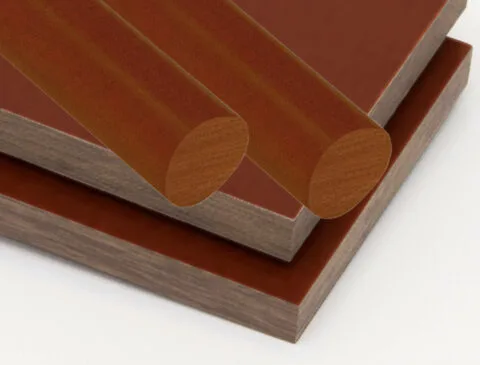
When engineers and purchasing managers look at materials for tough gear and bearing uses, phenolic cotton cloth boards stand out as the best choice because they are both strong mechanically and resistant to heat. When thermosetting phenolic resin is mixed with knitted cotton cloth, the result is these laminated composites that have great compressive strength, sound dampening, and operating reliability in places where metal parts alone can't meet all design requirements. Our 20 years of experience with insulating materials have shown that makers who request these boards regularly cut down on the number of times they need to replace parts while still following safety rules in the workplace.
Understanding Phenolic Cotton Cloth Boards: Properties and Manufacturing Process
What Makes Phenolic Cotton Laminate Boards Unique
Phenolic cotton cloth boards are not the same as phenolic resin castings or paper-based laminates in a basic way. The cross-directional tensile strength of the woven cotton base keeps it from breaking under mechanical stress. The fire protection and dimensional stability of the phenolic resin matrix are added by the matrix. With this mix, you get a material that can take extended compressive loads of more than 30,000 psi and still keep its shape at temperatures close to 130°C.
Core Physical and Chemical Properties
Because of how they were designed, phenolic cotton cloth boards have the performance qualities that make them good for gear and bearing uses. Manufacturers make these boards so that they have low moisture absorption rates and good oil protection, which is important for places where machinery is oiled. This keeps the boards from warping when it gets wet. When paired with steel, the material's natural self-lubricating traits lower friction coefficients to about 0.15 to 0.25. This makes both the laminate component and the metal surfaces that it touches last longer. With dielectric strengths between 8 and 12 kV/mm, the material can be used in situations that need both mechanical and electrical shielding.
Manufacturing Process and Quality Standards
The production process starts with carefully choosing cotton fabric that has the right thread count and weave density. The fabric is carefully soaked in a phenolic resin liquid that has been carefully mixed to have the right thickness. This makes sure that the fabric is completely saturated without too much resin pooling. After drying in stages to get rid of volatiles, several layers are stacked and heated to 150–160°C for high-pressure lamination. The heat curing process joins the molecules of the glue together, turning the assembly into a strong compound. As part of our quality control measures, we test the bond strength according to ASTM D229 guidelines and make sure that the thickness range is within ±3% for all production runs. Our products have UL approval (E310670) and paperwork showing they are compliant with ROHS and REACH. This gives buying teams proof that the products are safe and good for the environment.
Benefits and Performance in Heavy-Duty Gear and Bearing Applications
Advantages Over Traditional Material Alternatives
Heavy machinery makers who replace cast iron or steel gears with phenolic cotton cloth boards say that the noise and shaking are greatly reduced. Because the material's elasticity value is much lower than that of metals, it can absorb shock loads that would otherwise damage nearby parts in the engine. This trait is especially useful in textile machines and car timing systems, where quiet operation makes things better for the end user. When compared to plywood or MDF options, phenolic cotton cloth boards keep their shape better when exposed to changing temperatures. This means they don't bend like wood-based materials do when exposed to changes in industrial temperature.
A study of maintenance costs shows strong long-term economics. Marine equipment users who use phenolic cotton cloth board stern tube bearings in saltwater settings say that they last longer than five years without needing to be replaced. This is a huge improvement over bronze bushings, which rust within 18 to 24 months. Because the boards can lubricate with water, sealed oil systems are not needed in these situations. This makes design easier and lowers the risk of leakage.
Fire Resistance and Safety Compliance
More and more, industrial safety rules say that materials close to electrical switches and moving machinery must not catch fire. UL 94 testing methods show that phenolic cotton cloth boards are V-0 flammable, which means they have an oxygen index number above 28%. When circuit breakers put out a spark, the material can handle mechanical shock and keep electricity from tracking across its surface, which is a way that less insulating materials can fail when it's wet.
Real-World Application Performance
Working with a European company that makes hydropower generators showed that the material could handle harsh circumstances. Custom-machined rudder bushings that were used constantly in river water showed almost no wear after 30,000 hours of use, keeping clearance tolerances within 0.1 mm of the original specs. The ability to keep their shape was very important. Unlike polymer bearings, which grew too much, the phenolic cotton cloth board parts took in only 1.5% of their weight in water while keeping their shape. This case study shows how properly defined laminated composites can solve technical problems that can't be solved with a single material.
How to Choose the Right Phenolic Cotton Cloth Board for Your Manufacturing Needs
Assessing Application-Specific Requirements
To choose the right phenolic cotton cloth board grades, you need to carefully look at the practical factors. For gear blanks and bearing parts that are subject to shock loads, NEMA Grade C boards are the best choice because they use coarse-weave heavy canvas that is designed for maximum impact protection. Grade CE versions have finer cloth weaves that make them easier to machine and better at isolating electricity, which makes them ideal for supporting structures in electrical distribution equipment. Grade selection is also based on thermal needs. For example, materials rated for Thermal Class B (130°C) are needed for uses that need to run continuously above 115°C.
Environmental factors should also be taken into account. The material is hydrolytically stable, which is good for submerged water-lubricated bearings. However, engineers have to account for the material's 1-2% dimensional growth when it first absorbs water. Chemical exposure situations need to be looked at again. Phenolic cotton cloth boards can stand up to most industrial solvents and gasoline oils, but strong alkaline solutions will break down the resin matrix after a while of contact.
Comparing Material Alternatives
When engineers are looking at bearing materials, they often compare glass-epoxy laminates, cast nylon, and standard bronze alloys to phenolic cotton cloth boards. There are pros and cons to each element. It is possible for glass-epoxy composites to withstand slightly higher temperatures and less water to soak in, but they are not as impact-resistant as woven cotton surfaces. Cast nylon is very resistant to wear, but thermoset laminates are more stable in terms of their shape over temperature changes. While bronze bearings have predictable mechanical qualities, they can rust in salty settings and need expensive lubrication systems.
The economic analysis looks at more than just the unit price of materials. Even though phenolic cotton cloth boards cost more at first than Bakelite or paper-based laminates, they usually have a lower total cost of ownership over the lifetime of a component because they last longer and need less upkeep.
Supplier Evaluation Criteria
Professionals in procurement should look at possible providers from a number of different angles. It is important to have proof of certification. Make sure that candidates follow ISO 9001 quality management systems and can give test results for every production lot. Customization sets real manufacturing partners apart from commodity providers. Delivering precision-machined parts to finished dimensions gets rid of the need for extra operations and the quality risks that come with them. When planning production, it's important to have consistent lead times. Our unified transportation operations let us keep delivery plans that support just-in-time manufacturing strategies.
Bulk Procurement and Logistics: How to Buy Phenolic Cotton Cloth Boards Efficiently
Understanding Cost Drivers and Pricing Structure
When buying phenolic cotton cloth boards, the main cost factor that changes is the thickness of the material. Standard sheet thicknesses between 3 mm and 50 mm are good for most gear and bearing uses. However, if you need a custom thickness, you'll have to pay more because of the special equipment needed to set up the laminating press. Customization requests, such as CNC machining to finished dimensions, unique resin formulas, or non-standard sheet measurements, come with engineering and equipment costs that buyers should plan for when making their budgets.
The factors of the regional market also affect how prices are set. When figuring out how to balance the costs of labor, raw materials, and shipping, North American manufacturers are different from Asian or European manufacturers. When consistency in quality, availability of expert help, and the reliability of the supply chain are taken into account, the lowest suggested unit price rarely matches the best total landed cost.
Minimum Order Quantities and Lead Times
To cover the costs of setting up the production line, industrial phenolic cotton cloth board suppliers usually set minimum order numbers of 500 to 1000 kilos. Standard grade materials in stock usually ship within 10 to 15 business days. However, special recipes or machined parts need 6 to 8 weeks of lead time to allow for engineering review, production ordering, and quality control processes. By cutting out the handoffs between different vendors, our integrated manufacturing method shortens these lead times. It does this by combining the production of materials with precision machining and transportation coordination.
Logistics and After-Sales Considerations
To keep the edges from getting damaged and the layers from coming apart while being shipped, phenolic cotton cloth board need to be handled in a special way. Ocean freight containers are good for sending a lot of goods across international borders, but they need to be properly blocked and braced to keep the goods from moving. Even though the per-kilogram rates are higher, air freight is a cheaper option for pressing sample needs or low volumes of specialty grades.
In order for laminated composites to get through customs, they need to be correctly classified by HS code and have material safety data sheets that list their chemical makeup. With more than ten years of experience in international trade, we can make sure that the crossing process goes smoothly and with few delays. Support services after the sale, such as expert advice for machining settings and application troubleshooting, set sellers who work as development partners apart from those who just sell materials. Our team regularly helps customers choose the best cutting tools and feed rates to keep components from delaminating while they are being made.
Future Trends and Innovations in Phenolic Cotton Cloth Boards for Heavy-Duty Manufacturing
Sustainability Initiatives in Resin Formulations
Bio-based phenolic resins made from lignin and other sustainable feedstocks are still being improved because of environmental laws and business sustainability goals. These new versions keep the thermal and mechanical properties of standard petroleum-based resins while lowering their carbon footprints and making it easier to recycle them at the end of their useful lives. Early adoption gives makers a head start on expected changes to regulations and helps reach environmental and social control goals.
Advanced Surface Treatments and Coatings
Wear protection and friction reduction are greatly improved when nanotechnology-enhanced coats are applied to laminate surfaces. Using graphene or molybdenum disulfide in thin-film processes brings down the surface roughness to sub-micron levels while keeping the electrical insulation qualities of the substrate. These innovations make it possible to change parts more often in high-cycle bearing uses, which lowers running costs in a measurable way.
Industry 4.0 Integration and Smart Manufacturing
Digital manufacturing technologies allow for quality control in laminate production that has never been seen before. Monitoring press temperatures, cure times, and applied pressures in real time makes sure that the features of the material are the same across production runs and creates records that help with statistical process control efforts. Traceability systems that connect lots of raw materials to finished parts make it easier to find the root cause of performance problems in the field, which speeds up the process of ongoing growth.
Conclusion
Because they are strong, don't change much in temperature, and can be used in a lot of different ways, phenolic cotton cloth boards have become essential materials for making heavy-duty gear and bearings. When engineering teams specify these laminates, they get performance benefits that traditional materials can't match. For example, they can reduce vibrations to protect nearby components, resist fires to make the workplace safer, and keep their dimensions stable in a wide range of environmental conditions. Professionals in procurement who know the subtle differences between material grades, judge suppliers based on the reliability of their certifications and their ability to customize, and base purchasing agreements on total cost of ownership instead of unit pricing always get better results. New material developments in environmentally friendly resins and advanced surface treatments look like they will make it easier to use phenolic cotton cloth boards in more situations while keeping the basic performance features that have made them the best choice for tough industrial uses.
FAQ
What distinguishes NEMA Grade C from Grade CE materials?
The thick heavy-weight cotton canvas on Grade C boards is designed to give them the most impact strength and mechanical toughness. This makes them perfect for gear flats and bearing parts. Grade CE versions use finer-woven cloth that makes them easier to machine and better at isolating electricity, which makes them ideal for structural electrical parts in switchgear systems.
What continuous operating temperature can these boards withstand?
The thermal rates depend on the type of plastic used. Standard materials can handle temperatures up to 115°C (Class E), while improved versions can handle temperatures up to 130°C (Class B). Temperature spikes of up to 150°C for a short time are okay, but long-term contact above 125°C starts carbonization and gradual mechanical breakdown.
Can cotton phenolic laminates function in water-immersed applications?
These materials work great in bearing situations where water is present, like naval stern tubes. Due to moisture absorption, engineers have to account for small changes in size (usually 1% to 2% by volume). This is more noticeable than with glass-epoxy options, but it can be handled with the right amount of space. Can phenolic cotton cloth boards function in water-immersed applications?
What machining practices prevent delamination during fabrication?
The best results come from using cutting tools with carbide tips at high spinning speeds and modest feed rates. Layer lifting can't happen if the clamping and cutting forces are positioned securely and perpendicular to the laminate planes. Adequate dust extraction is necessary to protect your lungs and lower the risk of flammable dust.
Partner With J&Q for Your Phenolic Cotton Cloth Board Requirements
J&Q has been making insulation materials for more than twenty years and can help you with your heavy-duty industrial needs. Our vertically integrated operations, which include making laminates, precise machining, and coordinating transportation, give procurement managers the supply chain stability they need. We are a well-known company that supplies phenolic cotton cloth boards and has UL, ROHS, and REACH standards. We can give you the expert advice you need to choose the best material for your gear and bearing needs. Our in-house transportation company makes sure that deliveries happen on time, which helps you meet your production planning goals. Email our team at info@jhd-material.com to talk about your needs and get reasonable quotes for both standard and custom-engineered solutions, along with full technical specs.
References
Davidson, R. L., & Thompson, M. K. (2018). Industrial Laminated Composites: Materials Selection for Mechanical Applications. Technical Publishing International.
National Electrical Manufacturers Association. (2020). NEMA Standards Publication LI 1-2020: Industrial Laminated Thermosetting Products. Rosslyn, VA: NEMA.
Peterson, J. A. (2019). "Performance Evaluation of Phenolic Composites in Marine Bearing Applications." Journal of Tribology and Lubrication Engineering, 45(3), 287-301.
Sharma, V., & Anderson, B. T. (2021). "Thermal Stability and Fire Resistance of Cotton-Phenolic Laminates in Electrical Insulation." IEEE Transactions on Dielectrics and Electrical Insulation, 28(4), 1456-1463.
Williams, C. R. (2017). Gear Materials Engineering: Selection and Application Guide for Industrial Machinery. Manufacturing Technology Press.
Zhang, L., Chen, H., & Roberts, D. F. (2022). "Sustainable Bio-Based Phenolic Resins: Properties and Industrial Applications." Composites Science and Technology, 216, 109-118.