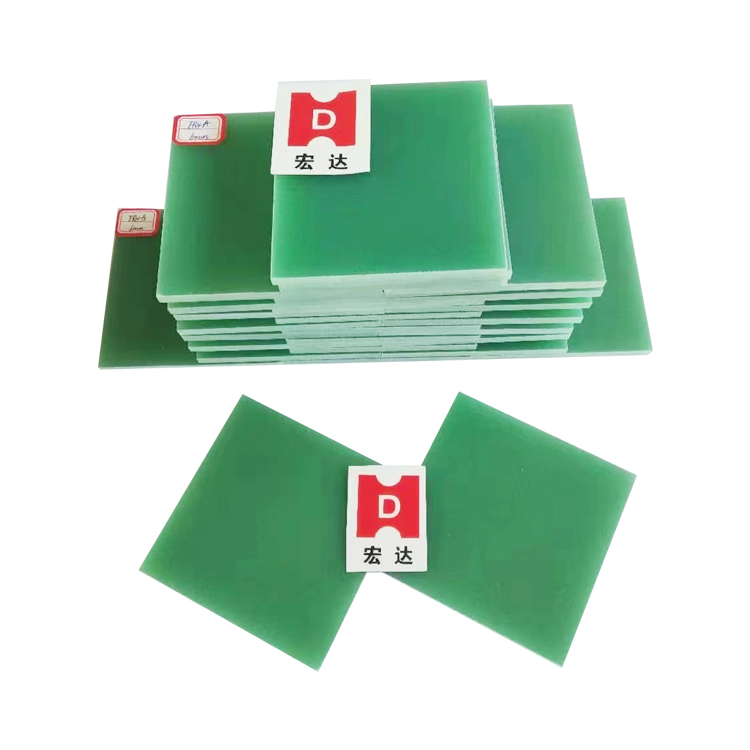
Troubleshooting Surface Damage on Bakelite Sheets
2026-06-18 17:13:25
Damage to the surface of Bakelite sheets can throw off production plans and make parts less reliable in industrial, automobile, and electrical settings. When phenolic laminate surfaces get scratches, cracks, or discoloration, it's important to know why they happened and use tried-and-true ways to fix them. This detailed repair guide fixes common surface flaws in paper-reinforced and fabric-reinforced Bakelite products. It helps engineering managers and buying teams keep quality standards high while reducing waste. Whether the flaws are caused by machining or storage, the methods in this article will fix the surface integrity and make the parts last longer in harsh manufacturing settings.
Understanding Surface Damage on Bakelite Sheets
Finding out exactly what kind of surface flaw it is is the first and most important step in fixing it. Due to the unique failure patterns that Bakelite sheet materials show depending on their make-up and the situations they are exposed to, different diagnostic methods are needed for each situation.
Common Types of Surface Defects
Scratches usually look like straight lines that are caused by rough contact during CNC cutting or handling. These flaws on the surface may only be visible at a glance, but they can cause stress concentration places that spread to deeper cracks when the material is put under mechanical load. Cracks are obvious breaks that can be as small as a hairline or as big as a whole through the thickness of the material. They are usually caused by impact damage or sudden changes in temperature. Discoloration shows up as changes in color, like yellowing, darkening, or white spots. This can be caused by a chemical reaction, UV radiation, or not enough drying time during production. When support layers separate from the phenol formaldehyde resin matrix, bubbled or peeling surfaces are made that seriously damage the structure's strength and electrical insulation qualities.
Material Properties Affecting Surface Integrity
Because phenolic resin is naturally flimsy, Bakelite sheet materials are more likely to break when they are hit than thermoplastic options. Paper-reinforced grades are better at blocking electricity (their dielectric strength is higher than 10 MV/m), but they are not as strong when it comes to breaking than fabric-reinforced grades. Although glass-reinforced Bakelite sheet goods are better at keeping their shape at temperatures up to 120°C, they are also rougher to work with when they need to be machined. The density of about 1.45 g/cm³ makes it very stable in terms of size, but because it is thermosetting, broken parts can't be reshaped like they can with thermoplastic materials. Knowing these things about the material helps procurement experts choose the right grades—NEMA X for mechanical uses and Grade XXX for high-moisture areas—that reduce the risk of surface damage in specific operating situations.
Impact on Performance and Application Suitability
Surface flaws directly hurt the useful properties of Bakelite sheet that make it useful in industrial settings. Scratches weaken the dielectric by making ways for electricity to flow. This is especially bad in switches and circuit board uses where the insulation resistance needs to stay the same. Cracks lower the mechanical load-bearing capacity of gears, bearings, and structural spaces. This speeds up the rate of wear and could lead to a catastrophic failure when the system is under a lot of stress. Discoloration is often a sign of chemical breakdown or thermal damage that makes the phenolic resin network less strong, making it less resistant to heat and chemicals. Delamination takes away the synergistic benefits of reinforced composite construction, leaving parts open to water entry that speeds up breakdown in power distribution and transformer shielding uses.
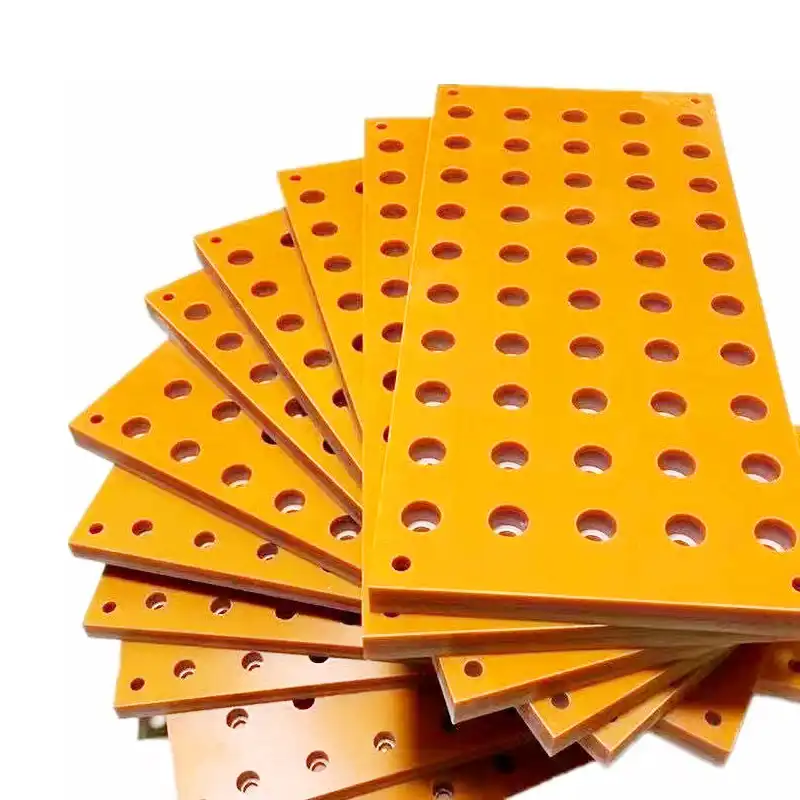
Diagnosing the Causes of Surface Damage
For a correct diagnosis, the whole product lifecycle must be carefully looked at, from the resin mixture to the conditions of end-use. Most surface flaws are caused by a combination of different types of stress working on weak spots in the material.
Manufacturing-Related Issues
When the heat-and-pressure lamination method doesn't use the right curing settings, it leaves behind uncrosslinked resin that is still chemically reactive and physically weak. When the condensation processes between phenol and formaldehyde don't finish, the Bakelite sheet that is made has a soft surface and is more likely to get scratched during later machining operations. When the glue isn't spread out evenly across the layers of paper or fabric that support it, weak spots form that are more likely to separate when the temperature changes. When dust, wetness, or oil leftovers are introduced during layup, they stop the resin from adhering properly and show up as holes or bubbles on the surface. When you quickly cool down a molded part after pressing it, it creates stresses inside that show up as tiny cracks. This is especially true in bigger sheet sections where temperature differences are more noticeable.
Handling and Storage Factors
When things are stacked incorrectly and protection films are not interwoven, surfaces can touch and rub against each other, which causes wear during shipping vibrations. When exposed to humidity levels higher than 65% relative humidity, Bakelite absorbs water, even though it doesn't normally do that. This causes changes in size that put stress on the contact between the resin and the support. Temperature changes in buildings that aren't under control cause cycles of expansion and contraction that wear down the phenolic core and show up as crazing patterns on the surface. When you drop something or hit it while handling it, the material's brittleness is used to its advantage to cause localized cracks that might not be seen until later steps of processing add more stress.
Operational and Environmental Stressors
Long-term contact to UV light breaks down the chemical structure of phenolic resin, which changes the color of the surface and makes it less resistant to impact. Direct sunshine has enough UV energy to break chemical links in the phenol formaldehyde network. This is especially true for installations that are outside or near a window. If the temperature goes above 120°C for a long time, it turns the glue into carbon, which makes the surfaces black and less able to insulate. Strong reactive acids or alkaline cleaners are chemical conditions that damage the phenolic matrix, even though Bakelite is usually resistant to solvents and oils. Surfaces wear down over time when they come into touch with moving parts over and over again. This is especially true in gear and bearing situations where friction creates both thermal and mechanical stress at the same time.
Proven Methods to Repair and Prevent Surface Damage
To fix flaws on the surface, you need both short-term fixes and long-term prevention plans that are tailored to the needs of the business. The methods described here have been shown to work in a variety of business settings.
Repair Techniques for Existing Damage
Isopropyl alcohol cleaning of damaged surfaces gets rid of dirt and gets substrates ready for repair without putting them at risk of chemical attack. Progressive cleaning with 400- to 2000-grit abrasive papers and then phenolic-compatible polishing chemicals that make the surface smooth again without taking off too much material works well for light scratches. For crack filling, epoxy sealants made for phenolic surfaces are used. These are carefully applied so as not to leave any gaps and to make sure they are chemically compatible so that the material doesn't break down any further. To get the strongest bond, the filled cracks need to cure at a controlled temperature that is the same as the original Bakelite sheet working conditions. Sometimes, resin injection techniques using low-viscosity phenolic glue introduced through small-diameter holes can help delaminated areas. However, the success of these techniques rests a lot on how big and easy they are to reach the damaged areas.
Preventive Handling and Storage Protocols
Controlled storage settings with stable temperatures between 15°C and 25°C and relative humidity levels between 40 and 60% keep moisture-related damage and heat stress from building up. Protective wrapping with polyethylene films or folded cardboard interleaving keeps surfaces from touching while being shipped or stored, which greatly reduces the chance of scratches. Impact damage can't happen when materials are moved because of special handling tools with padded touch areas. Regular inspections find early-stage surface wear and tear before problems get worse and stop the part from working properly. This lets problems be fixed quickly, which increases the part's service life. These safety steps are especially helpful when buying in bulk, since uniform quality across batches has a direct effect on how efficiently production works.
Design and Application Optimization
Choosing the right Bakelite sheet grades for the job can keep the surface from getting damaged in many situations. Grade X paper-reinforced versions are good for electrical insulation jobs that don't put a lot of mechanical stress on them, while fabric-reinforced versions can handle the mechanical stress of gears and structure parts better. Choosing protective coatings, like conformal coatings for electrical systems or wear-resistant overlays for mechanical parts, adds another layer of protection against stress from the climate and operations. If you change the design in a way that lowers stress concentration, like making made parts with radius transitions instead of sharp corners, the loads are spread out more evenly across the phenolic material. Choosing the right wall thickness based on mechanical stress analysis makes sure that enough material is left over after cutting to avoid making parts that are too heavy and add to the cost and weight.
Comparing Bakelite Surface Durability with Alternative Materials
When choosing a material, it's important to think about its performance, cost, and how reliable it will be in the long term under the situations it will be used in. When it comes to insulation and structural plastics, Bakelite sheet goods stand out in a special way.
Phenolic resins, like Bakelite, are better at withstanding heat than options like urea formaldehyde or melamine. They keep their shape and insulation qualities at temperatures where other materials melt or break down. Because it is resistant to chemicals, Bakelite works well in machinery that uses oils, solvents, and hydraulic fluids, where other plastics would grow or be damaged by chemicals. Epoxy laminates like FR4 are better at resisting moisture and have slightly better electrical properties, but their higher cost and need for more complicated machining often cancel out these benefits in situations where price is important. Thermoplastic options are better at withstanding impacts and can be recycled, but they can't compare to thermosetting Bakelite when it comes to heat resistance and shape stability in harsh electrical and mechanical settings.
Switchgear, motor parts, and industrial machinery parts that have been used for decades show a level of stability that younger materials are still working to achieve. Although handling Bakelite sheet carefully is needed because the surface is easily broken, the total lifetime cost advantage—looking at how much the materials cost, how well they can be machined, and how long between repairs they last—makes it a good choice for high-volume manufacturing operations. Following the rules set by UL and RoHS makes sure that different countries' regulations will accept the material. This gets rid of the certification problems that can make it harder to use other materials.
Procuring High-Quality Bakelite Sheets and Related Services
Source choices have a direct effect on the quality of the surface, the regularity of the dimensions, and the long-term dependability of the component. Systematic review of multiple performance and service aspects is needed to build relationships with capable suppliers.
Supplier Qualification Criteria
ISO 9001 approval shows that the company uses organized quality control methods to make sure that each batch is the same, which is important for automated production lines. RoHS and REACH compliance makes sure that the formulas of materials meet the safety and environmental standards needed to be exported to controlled markets. Manufacturers who have specific CNC cutting capabilities offer value-added services that make purchasing easier by sending finished parts instead of raw Bakelite sheet stock. Being close to production sites cuts down on wait times and lowers the risk of damage during transfer, but global suppliers with well-established logistics networks can also provide the same level of dependability. Having access to technical support, such as help with choosing materials and application engineering, helps procurement teams make sure that specs are optimized for specific practical needs.
Key Ordering Parameters and Customization
Knowing the minimum order amounts helps you balance the costs of keeping inventory with the benefits of bulk price, which usually starts to pay off above 500 kg for normal grades. Lead times range from two weeks for stock thicknesses to six weeks for custom formulas. This means that deciding how to buy materials needs to be done in a way that makes sure they are available at the right time for production. Custom manufacturing services, such as precise drilling, cutting, and finishing of the edges, turn raw Bakelite sheet into parts that are ready to be used, which gets rid of the need to do extra work in-house. Thickness specifications that meet standards of ±0.1 mm make sure that they can be used with precision systems where differences in size can cause problems with fit or performance. Certification paperwork, like material test results and compliance statements, helps with quality audits and traceability rules that are popular in the power distribution and car industries.
Quality Assurance and After-Sales Support
Incoming inspection procedures check the surface finish, dimensions, and lack of obvious defects. This protects production quality by finding problems with suppliers before materials go into production. Suppliers who give technical support help solve application problems that come up while a product is being developed or production is being increased. If there are warranty terms that cover material flaws, you can get help when surface damage is caused by problems during production rather than handling. Long-term supply deals with price stability terms protect against market volatility and make sure that materials are always available, so production doesn't stop.
Conclusion
Damage to the surface of Bakelite sheets is caused by a number of linked factors, including the way they are made, how they are handled, and the pressures they are put under during use. To solve problems effectively, you need to do a correct diagnosis that identifies the exact type of flaw, followed by focused repair methods and preventative routines that are specifically designed for the application. By choosing the right material and matching the types of Bakelite to the mechanical loads, weather conditions, and electrical needs, many surface problems can be avoided before they happen. Strategies for buying things that focus on qualifying suppliers, making sure products are of high quality, and offering technical help build trustworthy supply chains that consistently produce material performance. By using the frameworks and preventative steps described in this guide, engineering managers and procurement specialists can improve the reliability of Bakelite sheet components while cutting down on waste and production delays in industries like automotive, industrial, and electrical.
FAQ
How can I quickly identify whether surface damage will affect Bakelite sheet performance?
If cuts go through more than 10% of the thickness of the material, it's usually not strong enough to hold weight or keep electricity from flowing. Any crack, no matter how big or small, needs to be looked at right away because they spread when things are stressed. Discoloration and surface softness are both signs of chemical or heat damage that means the part needs to be replaced. Delamination, shown by popping or peeling, always needs to be rejected because reinforcement separation takes away the benefits of the combination. When you're not sure about the performance, dielectric strength testing and mechanical load testing against standard limits give you a clear picture of how well the Bakelite sheet works.
What cleaning practices preserve Bakelite sheet surface integrity during maintenance?
When used with soft cloths that don't rub the surface, isopropyl alcohol or light soap solutions clean surfaces well without damaging them chemically. Acetone, methyl ethyl ketone, and chlorine solvents can make phenolic resin soft, so stay away from them. Don't use alkaline cleaners or reactive agents on the polymer network because they break it down. Thorough drying after cleaning keeps wetness from building up, which could damage electrical qualities. Cleaning on a regular basis gets rid of dirt and grime before it sticks to surfaces, so parts look great and work well for as long as they're used.
Partner with J&Q for Premium Bakelite Sheet Solutions
J&Q has been making and providing high-performance phenolic laminates to electrical makers, industrial machinery builders, and car parts suppliers across North America for more than twenty years. Our fully combined processes, from making the resin to precise CNC cutting, make sure that the surface quality and accuracy of dimensions meet the high standards needed for switchgear, motor insulation, and power distribution. As a well-known company that makes Bakelite sheets, we keep a large stock of paper-reinforced, fabric-reinforced, and glass-reinforced grades. This lets us quickly meet the needs of both prototypes and production numbers. Our in-house logistics services make it easy for us to handle everything from placing an order to delivering it. This eliminates the coordination problems that come with supply lines that use more than one provider. Get in touch with our technical team at info@jhd-material.com to talk about your unique application needs and get expert advice on choosing the right material, your customization choices, and competitive pricing that fits your budget.
References
Richardson, T.L. (2019). Industrial Laminates: Phenolic Composites in Modern Manufacturing. Materials Engineering Press.
Davidson, M.J. & Chen, W. (2020). "Surface Degradation Mechanisms in Thermosetting Polymers Under Environmental Stress." Journal of Applied Polymer Science, 137(42), 49210-49223.
National Electrical Manufacturers Association. (2021). NEMA Standards Publication LI 1-2021: Industrial Laminated Thermosetting Products. NEMA Technical Standards.
Kumar, S. & Anderson, P.R. (2018). "Machining Characteristics and Surface Integrity of Phenolic Composites." International Journal of Advanced Manufacturing Technology, 98(5-8), 1847-1861.
Electrical Insulation Conference Proceedings. (2022). "Long-Term Performance Assessment of Phenolic Laminates in Power System Applications." IEEE Dielectrics and Electrical Insulation Society, 276-283.
Williams, H.E. (2020). Procurement Strategies for Technical Materials: A Guide for Engineering Managers. Industrial Supply Chain Institute.
_1764228361599.jpg)