The Impact of Glass Fiber Content on G10 Sheet Machinability
2026-07-13 17:30:32
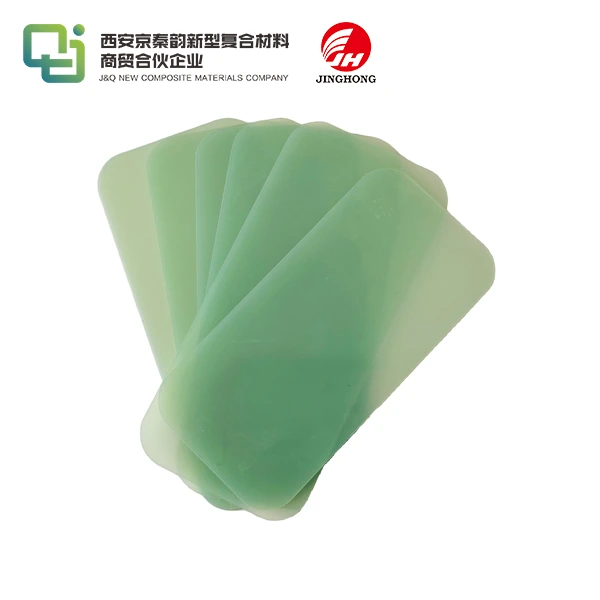
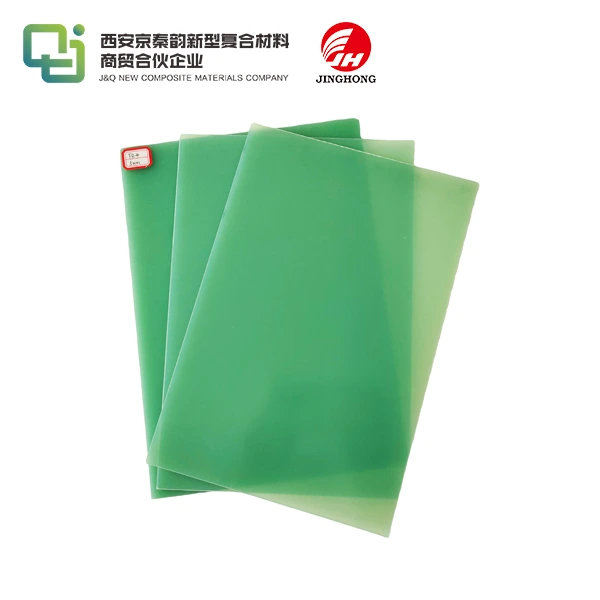
The amount of glass fiber in G10 sheets laminates is a big factor in how easy they are to machine in current production settings. These high-pressure laminates are very strong and don't conduct electricity, and they are used in flight, electronics, and industry. They are made up of 60–70% glass fibers by weight that are embedded in finished epoxy resin. When engineering managers and procurement experts know how fiber quantity affects cutting tool wear, surface finish quality, and processing efficiency, they can improve production results while keeping costs low. This link between fiber content and machinability has a direct effect on CNC operations' throughput rates, tool change schedules, and the quality of the final parts.
Understanding G10 Sheets and Glass Fiber Content
G10 sheets is a type of continuous filament glass cloth that is strengthened with thermosetting epoxy glue. It is made according to NEMA standards under high pressure and high temperatures. The material is very strong and stable in its shape because of the glass fiber support. The epoxy binder holds the fibers together to form a single composite structure.
What Defines G10 Laminate Structure
Layering pieces of woven glass cloth that are soaked with liquid epoxy resin is part of the building process. The product is then compressed hydraulically at temperatures above 150°C. During this curing cycle, the resin goes from being liquid to solid. This forever joins the glass layers together to make a thick, void-free laminate. The finished product absorbs almost no water (less than 0.1% according to ASTM D570), so it doesn't change size in damp places, which is important for precise electrical uses.
The Role of Fiber Content in Material Properties
The best mix between mechanical performance and processability is found when the quantity of glass fibers is between 60 and 70%. Higher fiber rates make the material stronger and more rigid, but they also make it harder to cut. Lower amounts make it easier to machine, but they also make it harder for the material to hold weight, which is important for structural insulation parts. When engineering managers choose G10 sheet grades, they have to weigh this trade-off against the needs of the specific application, taking into account both practical stresses and production limitations.
Application-Specific Material Requirements
G10 sheet offers arc-resistant phase barriers and buss bar supports in high-voltage switchgear systems, where proper electrical insulation stops catastrophic discharge failures. Manufacturers of transformers use these laminates for coil insulation and structural spacers that need to be able to handle temperatures up to 130°C all the time. The makers of automotive battery packs use G10 sheets as the thermal barrier between the cell modules because it has a low thermal expansion rate that keeps the tolerances tight even when the temperature changes.
How Glass Fiber Content Affects G10 Sheet Machinability
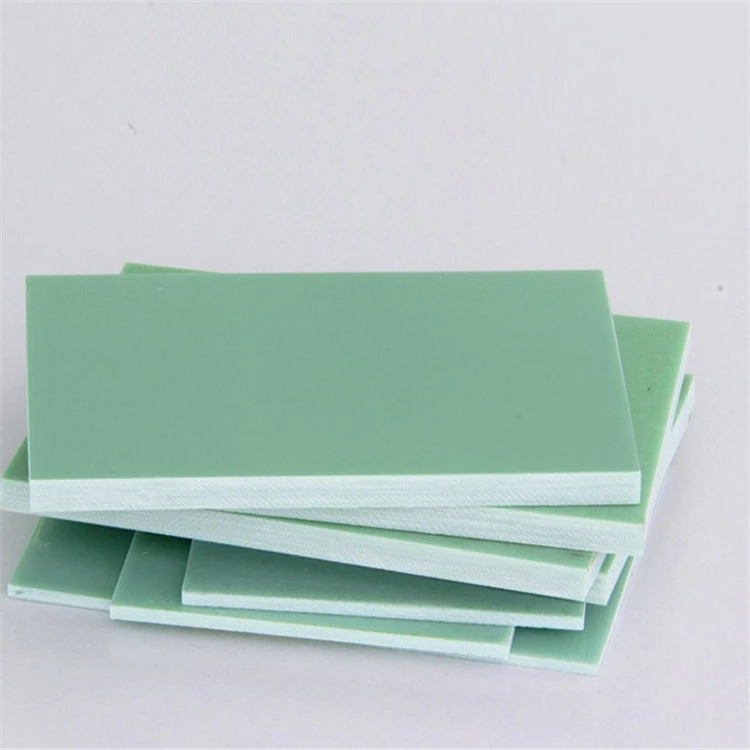
Glass-reinforced composites are harder to machine than metal alloys or plastics that don't have reinforcements because they are naturally rough. When cutting G10 sheet material, the sides of the tool come into contact with tiny glass fibers that are harder than most cutting materials. This makes the tool wear faster through abrasive action instead of the usual plastic deformation that happens when cutting metal.
Tool Wear Patterns Across Fiber Concentration Ranges
When compared to laminates with 55–60% fibers, those with 65-70% fibers show faster tool wear, often cutting carbide tool life by 60%. When you make more than 500 parts, it makes economic sense to use diamond-coated or polycrystalline diamond (PCD) tools. When used with the right cutting settings, solid carbide tools with a fiber content in the middle (60–65%) can have a good life. CNC machinists say that spinning speeds between 18,000 and 24,000 RPM and feed rates between 100 and 150 inches per minute give the best results, but these settings need to be changed after checking the real fiber content.
Surface Quality Considerations
A higher glass content makes it more likely that fibers will pull out and delaminate at the entry and exit places of drilling or routing processes. This happens because the glass strands go beyond the resin-rich top layer, leaving threads that aren't supported and can break. When working with sheets that have a lot of fibers, lowering the feed rates by 20 to 30 percent reduces this flaw to a minimum, but it also lowers the output. When it comes to getting clean edges, climb milling works better than regular milling because the cutting force supports the fibers instead of pulling them out of the matrix.
Thermal Management During Processing
Because glass fibers don't transfer heat well, heat builds up at the cutting contact, which softens the epoxy resin and makes chips that stick together. This thermal degradation causes burn lines that aren't the right color and errors in the dimensions of precise parts. Using air blast cooling or minimal-quantity lubrication (MQL) systems keeps cutting temperatures below 120°C, which protects the features of the material and keeps the tools sharp. When procurement teams look at suppliers' machining skills, they should make sure that the suppliers have good cooling systems, since this directly affects the stability of dimensions in parts with tight tolerances.
Comparing G10 Sheets with Different Glass Fiber Contents and Alternatives
Understanding the different types of materials available helps sourcing experts make smart choices that balance the need for efficiency with the facts of manufacturing. Depending on the application's needs, each combined version has its own unique benefits.
G10 Versus FR4 Material Characteristics
Even though they are chemically similar, FR4 has brominated flame retardant additives that make it meet the UL94 V-0 flammability standards needed in building and consumer electronics systems. Standard G10 sheets doesn't have these extras, so it's a little harder and rougher to work with. Many current providers offer G10 sheet/FR4 materials that meet both mechanical performance and fire safety standards. The flame retardant compounds lower the glass transition temperature a little. This changes how well the material works at high temperatures in transformer uses, where normal G10 sheet keeps its shape better above 120°C.
Phenolic Laminates as Cost Alternatives
When compared to grades strengthened with glass, cotton cloth makes it easier to machine and the tools last 40% longer. But these materials soak up 15 to 20 times more water than G10 sheets, which makes them unstable in damp places. Machinery builders use phenolic for gears and mechanical spaces that don't wear out easily and work in controlled indoor environments. They use G10 sheets for electrical equipment that is outside and open to the weather. When you consider that phenolic materials need to be maintained in terms of their dimensions and have worse electrical performance, their cost benefit starts to fade.
Grade Selection Based on Manufacturing Needs
Manufacturers of aerospace parts prefer G11 grade laminates because they can withstand higher temperatures (180°C continuously), but they are harder to machine. Builders of electronic assembly tools choose normal G10 sheet grades because they work well and don't cost as much. Automotive tier-1 suppliers are asking for more and more customized fiber content types (58–62%) that are designed for high-speed CNC processing while still meeting structural standards. We worked with electronics companies to cut the cost of cutting by 35% by optimizing the fiber content without affecting the electrical protection standards.
Procurement Considerations for G10 Sheets with Varied Glass Fiber Content
There are more than just unit prices to think about when choosing trusted sources, since the consistency of materials has a direct effect on how efficiently they are made and how well the parts they make are made.
Certification and Quality System Verification
Reliable providers use ISO 9001 quality control systems to make sure that the fiber amount is the same from batch to batch, within ±2% of the tolerances. This consistency keeps tool wear from changing in ways that aren't expected during production runs that use more than one material lot. NEMA certification makes sure that the dimensions meet the requirements set out in LD-3 standards. This is very important for PCB support uses that need thickness limits of ±0.005 inches. For high-voltage uses, electrical engineers should ask for proof that the dielectric strength tests followed ASTM D149 and showed that the perpendicular insulation performance was better than 20 kV/mm.
Pricing Structures and Volume Strategies
The amount of glass fiber in a material directly affects its cost, since continuous filament glass cloth costs more than chopped strand options. Sheets with 68–70% glass usually cost 15–20% more than sheets with 60–62% glass. Bulk purchasing deals for quarterly volumes over 5,000 square feet usually get price breaks of 8 to 12 percent while guaranteeing material supply. Long-term supply contracts are good for both parties because they make it easier to predict demand and help sellers plan their production schedules more efficiently.
Technical Support and Machining Consultation
Better sellers give advice on how to machine things based on the types of fibers that were bought. This speeds up the start of production and lowers the cost of trying things out and seeing what works and what doesn't. When switching between material types or putting in place new component designs, this expert support is very helpful. Because we've been in production for 20 years, we can suggest the best tools and cutting settings for each job, which saves customers weeks of development time.
Logistics and Delivery Infrastructure
Material shortages can be very expensive, so making sure deliveries happen on time is important. When it comes to shipping windows, suppliers who use their own logistics networks are more strict than those who use third-party freight services. Our combined transportation services guarantee consistent lead times and damage-free delivery of G10 sheet, which is especially important for large-format sheets that can bend if they are not handled properly. Because we are vertically integrated, we can offer a complete service, from creation to transport.
Future Trends and Innovations in G10 Sheet Machinability
The science of composite materials keeps getting better, and formulas are being made that are better for both function and ease of production.
Advanced Fiber Treatment Technologies
Surface-treated glass fibers with designed sizing chemicals make it easier for fibers and resin to stick together and make them less rough when they're being machined. These special processes keep the mechanical performance the same while adding 25 to 30 percent to the life of carbide tools. Resin makers and glass fiber makers work together on research projects to create mixed size systems that improve both wet-out during lamination and machinability afterward.
Novel Resin Formulations
Changing epoxy systems to include polymer toughening agents makes them more resistant to impact and lowers the number of microcracks that happen during rough cutting. These blend resins keep their electrical qualities and ability to withstand high temperatures while making chip formation more stable. Adoption is still low because of the 10-15% cost increases, but high-value aerospace uses explain the cost by lowering the amount of scrap that is made.
Industry 4.0 Integration in Composite Machining
Real-time tracking systems for tool wear that use acoustic emission monitors can spot early tool wear and replace the tools automatically before they make parts that don't meet specifications. This method to predictive repair cuts down on scrap by 40% while making the best use of all tools. Adaptive feed rate controls change the cutting settings automatically based on constant force tracking. This takes into account differences in the properties of the material between production lots.
Sustainable Manufacturing Initiatives
Recycling technologies that get glass fibers from production waste and parts that are no longer useful lower the amount of raw materials needed and the cost of throwing things away. At the moment, these recycled fibers are used to supplement raw glass in lower-grade uses. However, better separation technologies are making it possible for them to be added to high-end laminates. More and more, procurement teams are giving more weight to providers that show they care about the environment by reducing waste and using energy-efficient manufacturing methods that are in line with the company's sustainability goals.
Conclusion
The amount of glass fiber in G10 sheets determines how easy it is to cut. This has a direct effect on the choice of tool, the cutting settings, and the cost of production. For most industrial uses, material grades with 60–65% fibers offer the best mix between mechanical performance and processing economy. To be successful at procurement, you need to look at more than just prices when comparing suppliers' quality systems, expert help, and transportation reliability. New technologies offer better machinability through advanced fiber treatments and resin formulations, and integrating Industry 4.0 makes production more precise and efficient.
Frequently Asked Questions
How Does Increased Glass Fiber Content Affect Material Durability?
G10 sheet content affect how long a material lasts? Higher amounts of fibers improve tensile strength, flexural stiffness, and impact resistance, making parts that can handle high stress last longer. Laminates with 68–70% glass content are 25% stronger mechanically than 60% types, but they need special tools to be machined.
What Cutting Tools Work Best for High-Fiber-Content Sheets?
When working with sheets that have more than 65% glass, diamond-coated carbide or polycrystalline diamond (PCD) tools last the longest. These high-end tools are 3–4 times more expensive than regular carbide ones, but they last 10–15 times longer, which lowers the cost of each tool.
Can Manufacturers Customize Glass Fiber Content for Specific Applications?
Reliable providers can make fiber content specs that are specific to the needs of the machining and performance. This customization needs a minimum order size of around 1,000 square feet and adds two to three weeks to the lead time compared to normal stocking grades.
Partner With J&Q for Optimized G10 Sheet Solutions
J&Q sells precisely designed G10 sheet materials with controlled fiber content that are perfect for your particular machining needs and performance goals. With twenty years of experience making things and more than ten years of experience trading internationally, we can guarantee steady quality that meets NEMA standards and client expectations. As a well-known company that makes G10 sheets, we follow strict quality control procedures that include ultrasonic delamination testing and dielectric strength proof. These procedures make sure that all of our production lots have the same material. Our combined transportation infrastructure gives you reliable delivery plans that keep your production going without having to worry about expensive material shortages. Get in touch with our technical team at info@jhd-material.com to talk about custom G10 sheet specs, get advice on machining parameters, and look into volume price models that will lower your total acquisition costs while making production more efficient.
References
National Electrical Manufacturers Association. "NEMA Standards Publication LD 3-2020: High-Pressure Decorative Laminates." National Electrical Manufacturers Association, 2020.
Chawla, Krishan K. "Composite Materials: Science and Engineering." Springer International Publishing, 2019.
Teti, Roberto. "Machining of Composite Materials." CIRP Annals - Manufacturing Technology, vol. 51, no. 2, 2002, pp. 611-634.
Koplev, A., and Lystrup, A. "The Cutting Process, Chips, and Cutting Forces in Machining CFRP." Composites, vol. 14, no. 4, 1983, pp. 371-376.
Sheikh-Ahmad, Jamal Y. "Machining of Polymer Composites." Springer Science & Business Media, 2009.
Davim, J. Paulo, and Pedro Reis. "Study of Delamination in Drilling Carbon Fiber Reinforced Plastics (CFRP) Using Design Experiments." Composite Structures, vol. 59, no. 4, 2003, pp. 481-487.
.webp)