What Should Buyers Know Before Sourcing Glass Epoxy Sheet?
2026-09-03 17:25:54
Before sourcing Glass Epoxy Sheet, buyers need to understand critical material specifications, supplier certifications, and application compatibility. These industrial laminates—composed of woven glass cloth and epoxy resin—demand careful evaluation of dielectric strength, thermal performance, and flame retardancy ratings. Procurement decisions hinge on matching NEMA grades like G10, G11, and FR4 to specific operational environments while verifying supplier capabilities in quality control, CNC precision machining, and compliance with UL94 and ROHS standards. Understanding these fundamentals prevents costly material failures and project delays.
Understanding Glass Epoxy Sheet: Properties and Manufacturing Process
Glass Epoxy Sheets are a type of high-pressure thermosetting laminates that are made for tough industrial uses where regular materials don't work well. These composite materials are used by purchasing managers in the energy, machinery, and electronics industries to solve problems with electrical insulation and structural integrity.
What Defines an Epoxy Glass Sheet?
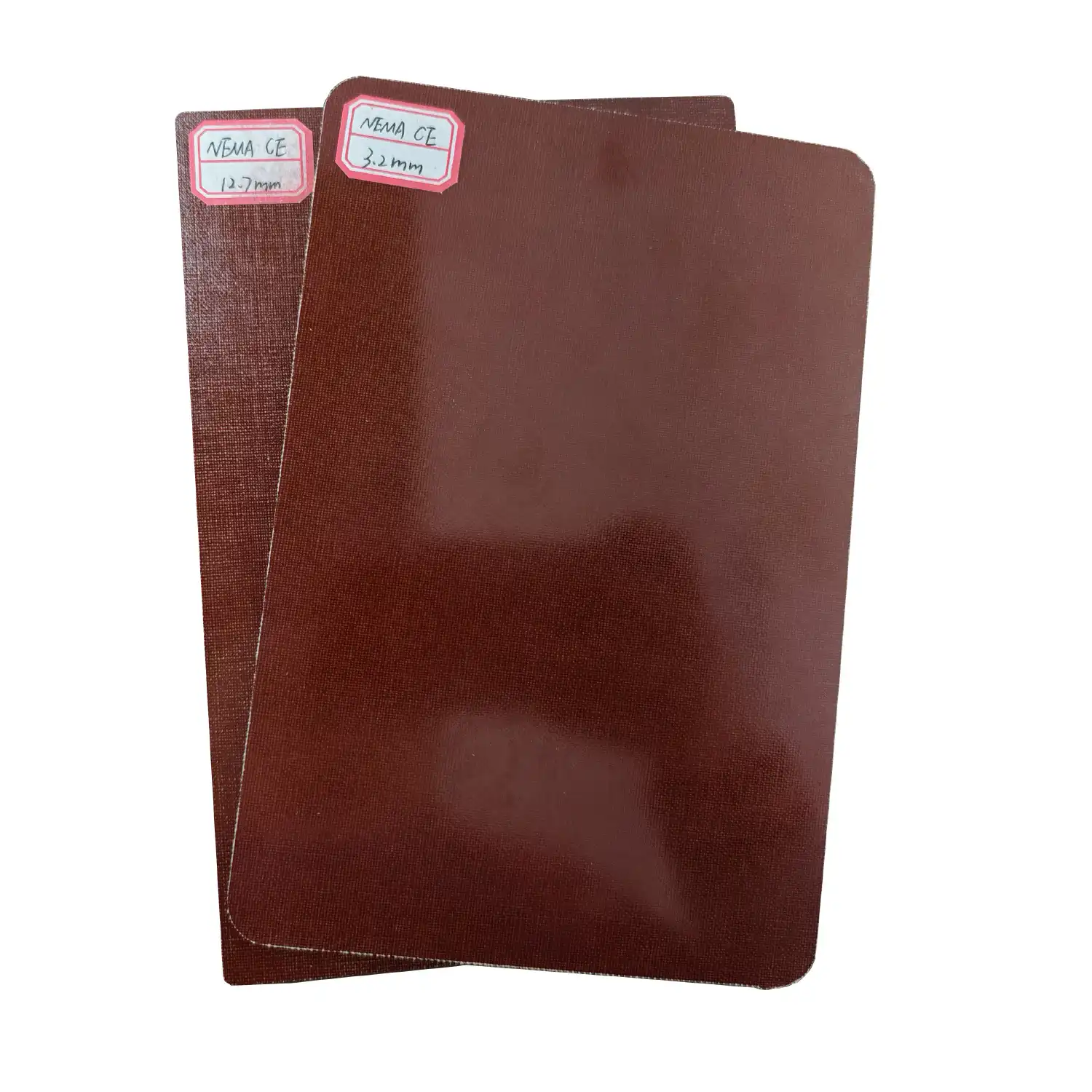
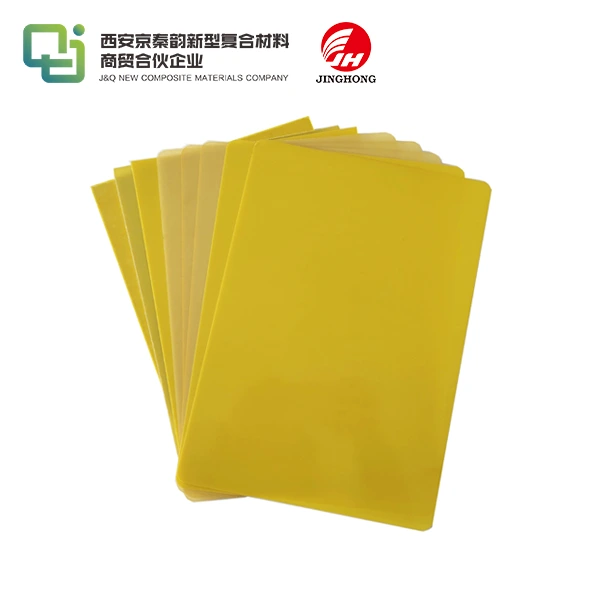
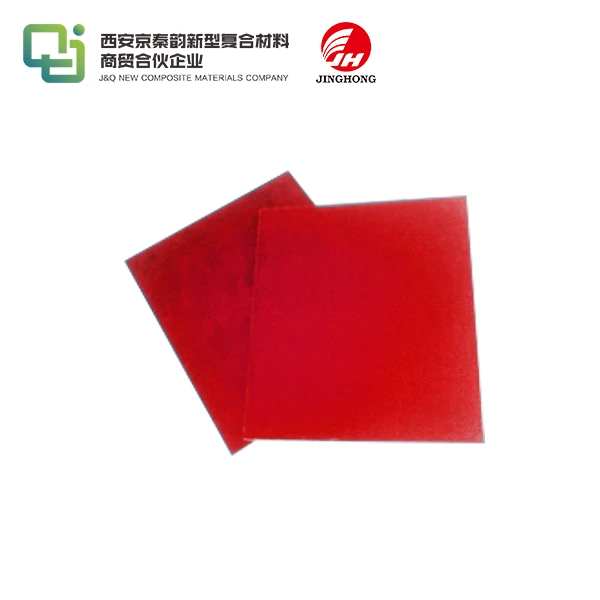
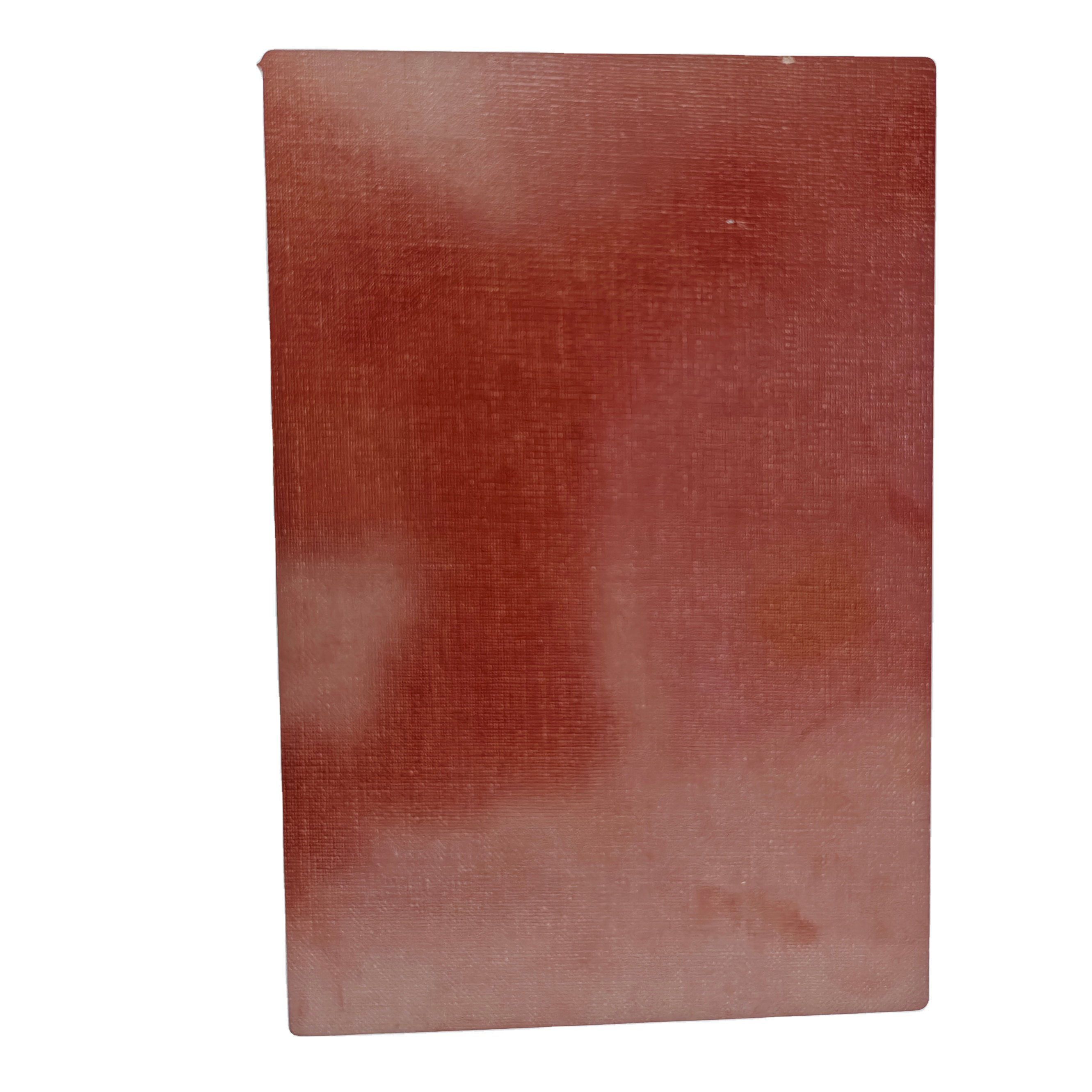
An Epoxy Glass Sheet is made of continuous-filament woven glass cloth that is mixed with epoxy resin binder and then pressed together using controlled heat and pressure to make a smooth mass. In contrast to phenolic paper laminates, which break down when they get wet, this composite keeps its shape and electrical properties even when it gets wet. In the making process, several layers of glass fabric are stacked on top of each other, they are soaked in a liquid epoxy mixture, and they are cured at temperatures around 170°C and pressures over 1,000 PSI. This changes the structure into a flat, rigid substrate that doesn't melt with a regular cross-section.
Core Material Properties That Matter
Epoxy glass laminates have performance measures that are important to industry buyers because of their physical and chemical structure. Flexural strength is usually between 45,000 and 70,000 PSI, but it depends on the grade. This gives structural parts mechanical power. The dielectric strength, which is a measure of insulation capacity, is around 500 to 800 volts per mil. This keeps electricity from breaking down in high-voltage situations. At less than 0.2%, water absorption rates stay very low. This keeps dielectric constant values stable in tropical or marine environments where cheap materials fail horribly.
Premium types are different from regular ones because of how they react to temperature. The glass transition temperature, or Tg, shows the point at which the plastic material starts to become less stiff. The Tg values for standard FR4 are between 130°C and 140°C, which is good for normal electronics assembly. High-Tg versions like G11 or FR5 keep their structure up to 180°C, which allows lead-free soldering and continuous high-temperature operation without Z-axis expansion that damages circuit integrity.
Manufacturing Variations and Grade Classifications
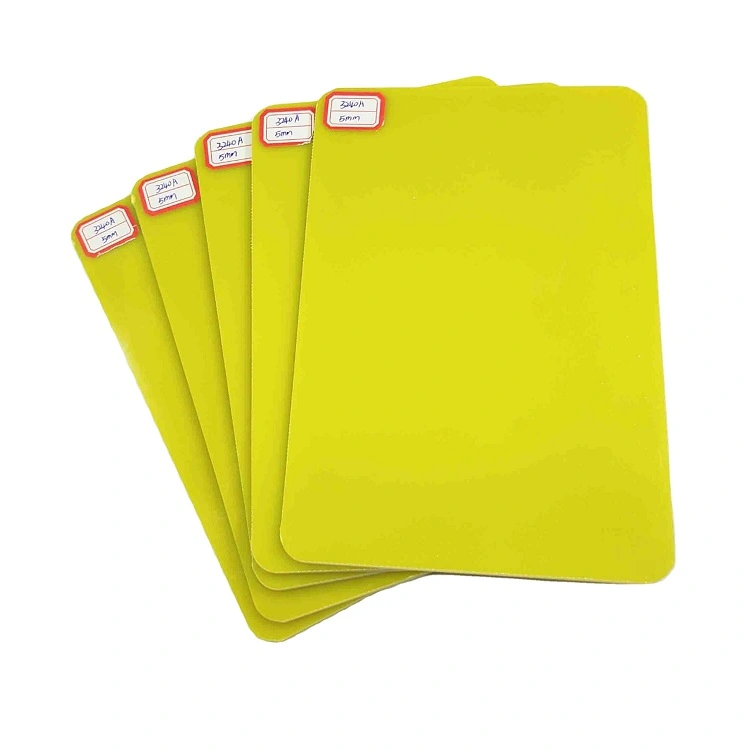
Professionals in the field know that there are different NEMA grade labels for Glass Epoxy Sheet, and that each one is best for a different set of operating needs. G10 is the standard glass-epoxy laminate. It has great mechanical strength and doesn't have any flame retardant ingredients. The most common grade, FR4, has brominated epoxy mixtures that meet UL94 V-0 flammability standards. This is needed for electronic applications where there is a chance of an ignition. G11 has better thermal performance thanks to a changed resin chemistry, which makes it a good choice for generator insulation and aircraft parts. When procurement teams know these differences, they can choose materials that meet both performance needs and regulatory compliance requirements.
Comparing Glass Epoxy Sheets with Alternative Materials
Choosing the right material means weighing the trade-offs between performance, cost, and the needs of the application. It's helpful for procurement professionals to know how epoxy glass laminates stack up against other substrates in real life.
Epoxy Glass Versus Phenolic Laminates
Even though phenolic cotton sheets are cheap, they easily soak up water—sometimes more than 1.5% by weight—which changes their size and makes them less insulating. Epoxy glass options keep their electrical qualities even when the humidity level changes. This makes them indispensable in high-precision electronics and outdoor electrical gear. Phenolic materials work well for low-voltage mechanical uses like bearings and gears, where protection from electricity is not as important.
Performance Against Carbon Fiber Composites
Carbon fiber-reinforced plastics are stronger for their weight and work better than glass epoxy in structural uses that need the most stiffness. However, carbon is not good for shielding because it conducts electricity. Carbon fiber is used for structural parts that don't need to be electrical, while epoxy glass sheets are used for battery pack barriers, circuit supports, and motor insulation where dielectric properties are essential.
Fiberglass Alternatives and Resin Variations
Pure fiberglass sheets that don't have epoxy binders don't stick together well enough for precise machining. Polyester resin laminates are cheaper to make, but they are less stable in heat and chemicals. Polyester structures are broken down by strong solvents, hydraulic fluids, and transformer oils, but epoxy formulas don't. Buyers in the energy sector really like this chemical resistance in switchgear and transformer applications that are often exposed to contamination.
How to Choose the Right Glass Epoxy Sheet for Your Application?
Successful procurement is different from expensive mistakes when it comes to matching material specs to operating needs. To make the right choice, engineering managers and technical buyers carefully look at performance factors and a supplier's skills.
Defining Technical Requirements
For electrical uses, exact dielectric strength requirements that match the working voltages are needed. Switchgear that works at 15 kV needs a different thickness of insulation than PCB substrates that work at low voltage. Expectations for thermal cycling, like repeated solder reflow at 260°C, need High-Tg materials that don't warp. Minimum flexural strength and impact resistance are set by mechanical loading conditions. This is especially true for structural spacers and gear applications that are under constant stress.
Dimensional limits have a direct effect on how efficiently things are made. To keep the accuracy of the assembly, CNC machining of complicated insulation parts needs thickness variations that stay within ±0.005 inches. Before agreeing to large orders, buyers should ask for verified reports on the thickness of materials and check with suppliers about how they measure things.
Certification and Compliance Verification
Regulatory compliance for Glass Epoxy Sheet is a requirement that can't be changed in any industry. UL94 flame ratings show that the flame will go out on its own, and a V-0 rating means that the flame will go out within 10 seconds, which is important for consumer goods and building installs. ROHS compliance proves that banned substances like lead and mercury are not present, meeting the needs of foreign trade. The IEC 60893 and MIL-I-24768 standards set international and military quality standards. They reassure buyers that materials will be the same from one production batch to the next.
Evaluating Supplier Capabilities
When evaluating a supplier, more than just price quotes are looked at. Quality management systems, the level of technical support, and the ability to make changes are also taken into account. ISO-certified companies show that they have controlled processes that lower variation from batch to batch. When sellers have CNC cutting capabilities, they can send buyers precision-cut parts instead of raw sheets, which speeds up the production process. Planning your inventory is affected by minimum order quantities and lead times. Established suppliers with stock programs can meet urgent needs, but custom orders may need more time.
The ability to offer technical advice sets special sellers apart from commodity distributors. Engineers from the supplier can help with complex applications by suggesting the best grades, making design changes, and fixing performance problems. Using this joint method cuts down on the costs of making mistakes while developing a product.
Sourcing and Procurement: Practical Buying Guide
Cost optimization, quality security, and transportation dependability must all be balanced for buying to be efficient. Structured ways of finding suppliers, evaluating them, and managing relationships with them help procurement teams.
Where to Source Epoxy Glass Materials?
Specialized industrial wholesalers keep a wide range of common sizes and thicknesses in stock, so normal needs can be met quickly. When you buy from a manufacturer directly, you can get custom options and competitive prices on large orders, but the minimum quantities may be too high for small batches. Multiple suppliers are brought together on online business-to-business (B2B) platforms so that prices can be compared and specifications can be filtered. However, vendors' credentials and product certifications must be carefully checked.
Pricing Dynamics and Cost Optimization
Material costs change depending on how complicated the resin mixture is, how heavy the glass fabric is, and how thick the finished product is. Because they have flame retardant additives and approval costs, FR4 grades cost more than normal G10. Sheet thickness has a direct effect on price; due to economies of scale, doubling thickness usually only raises unit cost by 80–90% instead of 100%. Different prices are available based on the amount of items you order, with big discounts for pallet loads and container loads.
Customs fees, freight costs, and changes in the value of the currency can all add up to hidden costs when you buy things from other countries. Even if their list prices are higher, domestic sellers may have lower landing costs. When comparing supplier proposals, you should include the risks of faster shipping, the rate of quality rejections, and the availability of expert help in your total cost of ownership estimates.
Logistics and Quality Assurance
When sending things internationally, they need to be properly packed so that they don't get damaged or wet during shipping. Vacuum-sealed packaging with desiccants keeps the properties of materials stable during ocean freight times. Incoming inspection procedures check that the dimensions are correct, there are no visible flaws, and the electrical qualities match the buy specs. Setting up sample plans and acceptance criteria stops production from stopping because of batches of material that aren't up to par.
Lead time management is the process of weighing the costs of keeping inventory against the risk of running out of it. Setting up blanket purchase agreements with scheduled releases makes planning production easier and locks in good prices. Supplier relationships with vendor-managed inventory programs shift the responsibility of keeping stock, which helps buyers with steady consumption patterns handle their cash flow.
Conclusion
In order to successfully source Glass Epoxy Sheet, technical requirements, supplier skills, and cost must all be balanced within a strategic procurement structure. Buyers can match types like FR4, G10, and G11 to specific application needs by knowing the material's dielectric strength, temperature stability, and mechanical performance. Material failures and production delays are less likely to happen when suppliers are carefully checked for licenses, quality systems, and the level of expert help they offer. Purchasing departments can get a competitive edge by working with seasoned makers who can offer flexible customization, consistent quality, and dependable transportation support.
FAQ
When buyers are evaluating materials and choosing suppliers, they often come across questions that are specific to the purpose. Taking these common concerns into account makes decisions easier and stops specification mistakes.
Can epoxy glass sheets withstand continuous high-temperature operation?
Standard FR4 grades can handle Class B temperature rates and can work continuously at 130°C. High-Tg versions, like G11, keep their mechanical qualities above 170°C and are needed for applications with higher ambient temperatures or heat-generating parts. Manufacturers of transformers and suppliers of automotive batteries specify these upgraded materials, which keep materials from breaking down over many years of use. Temperature cycling, which means going from very hot to very cold, requires more testing of materials to make sure they stay the same size after being stretched and contracted many times.
How does machining affect material performance and tool life?
Because they contain glass fiber, epoxy glass laminates are naturally rough, which means cutting tools wear out faster than when working with metals or plastics. To keep dimensional limits, equipment with a carbide or diamond tip lasts longer. Fine glass dust is made during machining and can be harmful to your lungs. Fabrication settings need to have good ventilation and dust-collecting systems. Wet cutting methods improve the quality of the surface finish while lowering the amount of dust in the air. Machining allowances should be included in the procurement specifications, since tight tolerances on thin sections need special tools and skilled workers.
What customization options exist for specialized applications?
Reliable sellers can handle custom thickness requests that aren't in their catalogs, but they do require a minimum order quantity for measures that aren't in stock. Color differences, like natural tan, green, and black, help with assembly without affecting how well the electrical works. Die-cutting and CNC routing services deliver finished parts based on buyer drawings, so there is no need to make them yourself. Some companies make different types with better qualities, such as low dielectric constant for high-frequency circuits or food-grade approval for appliance parts. Talking about application needs with supplier technology teams shows ways to customize that improve performance and cut costs.
Partner with J&Q for Your Glass Epoxy Sheet Requirements
J&Q works with clients in the energy, automotive, industrial, and electrical sectors. They have more than 20 years of experience making things and 10 years of experience trading internationally. As a specialist in Glass Epoxy Sheet, we keep a large stock of FR4, G10, G11, and custom types that meet NEMA, UL, and IEC requirements. From precise CNC machining to in-house shipping operations, all of our services work together to give you one-stop solutions that make the buying process easier. Technical consultation teams help you choose the right materials, improve their performance, and make specifications that are specific to your needs. You can talk to our procurement specialists about your project needs, get certified material samples, or get quotes for large orders by emailing info@jhd-material.com. You can look at all of our products at jhd-material.com.
References
1. National Electrical Manufacturers Association. NEMA Standards Publication LI 1-1998: Industrial Laminating Thermosetting Products. Rosslyn: NEMA, 1998.
2. Harper, Charles A. Handbook of Plastics, Elastomers, and Composites, 4th ed. New York: McGraw-Hill Professional, 2002.
3. Institute of Electrical and Electronics Engineers. IEEE Standard for Laminated Dielectric Materials Used in Electrical Equipment. IEEE Std 1722-2011. New York: IEEE, 2011.
4. Underwriters Laboratories. UL 94: Standard for Safety of Flammability of Plastic Materials for Parts in Devices and Appliances. Northbrook: Underwriters Laboratories, 2013.
5. Biron, Michel. Thermoplastics and Thermoplastic Composites: Technical Information for Plastics Users. Oxford: Elsevier Science, 2007.
6. International Electrotechnical Commission. IEC 60893: Insulating Materials - Industrial Rigid Laminated Sheets Based on Thermosetting Resins for Electrical Purposes. Geneva: IEC, 2019.