How Does Epoxy Sheet for Battery Pack Improve Battery Safety?
2026-09-03 17:25:57
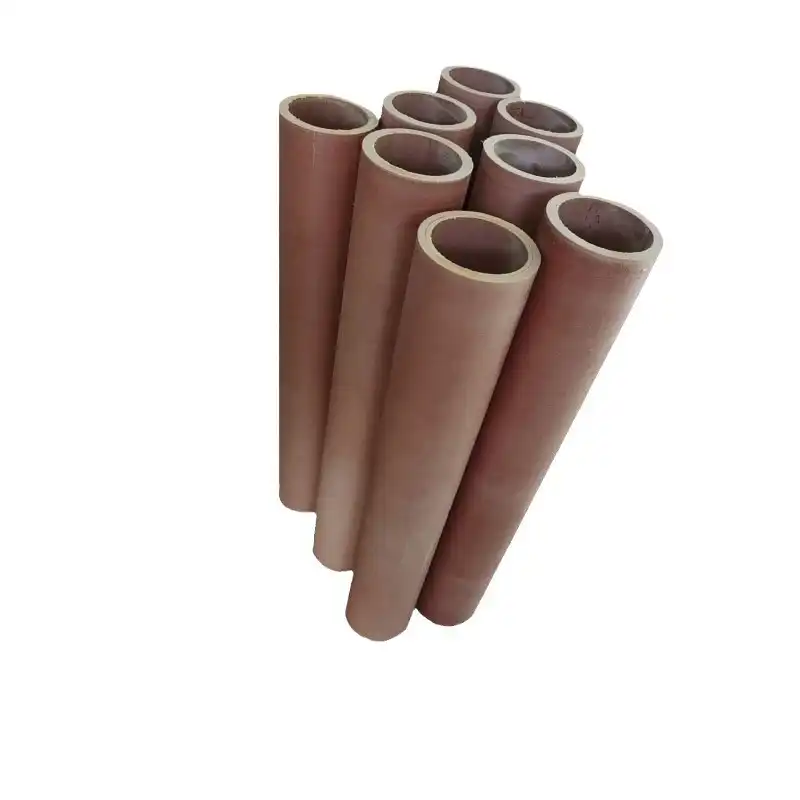
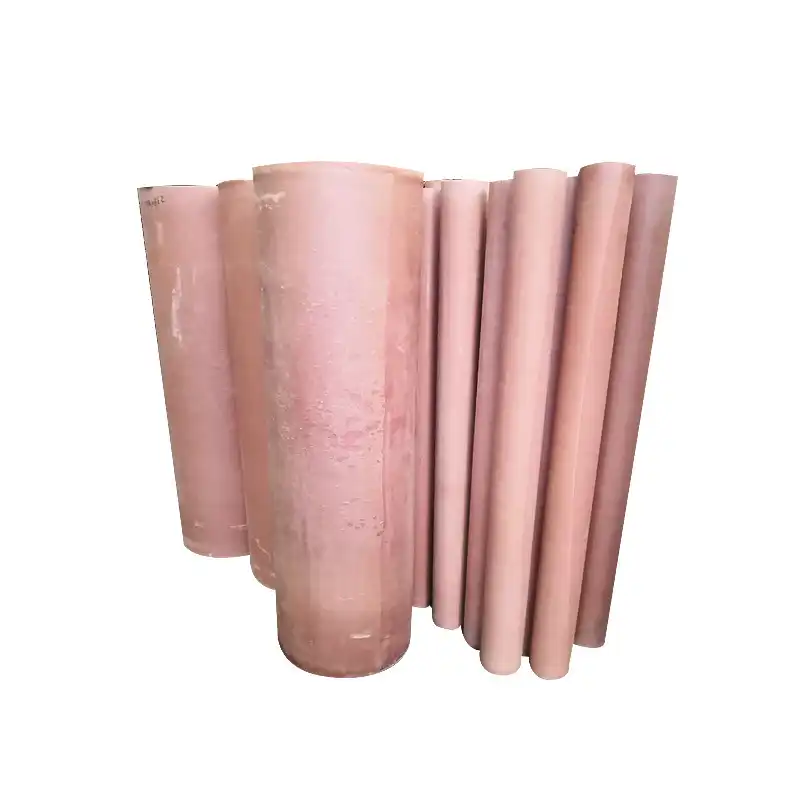
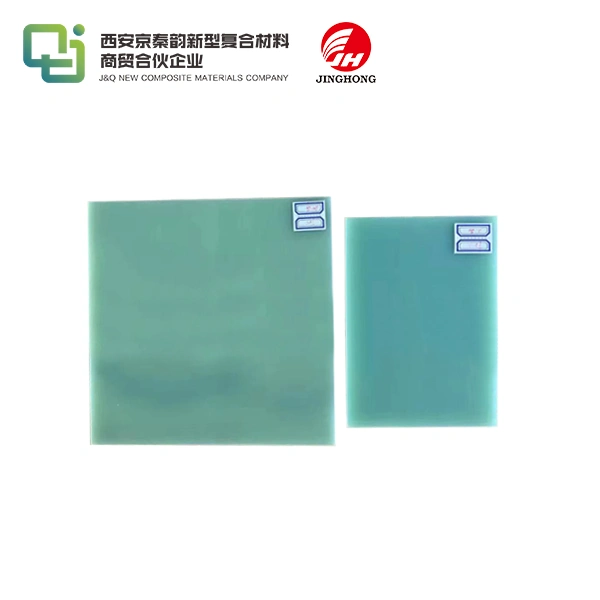
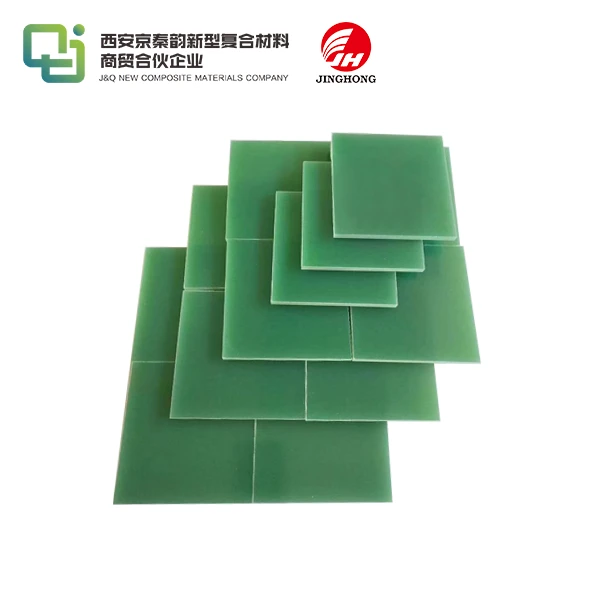
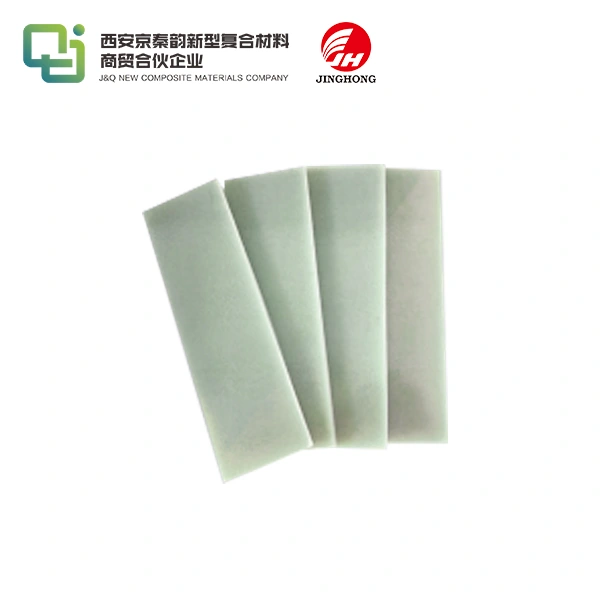
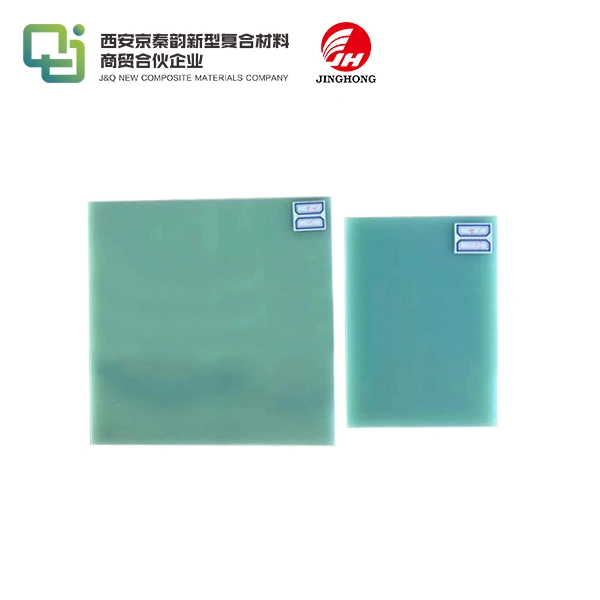
Battery safety remains a top priority in today's energy-dependent industries, from electric vehicles to grid-scale storage systems. An Epoxy Sheet for Battery Pack enhances safety by providing robust electrical insulation, exceptional thermal management, and reliable protection against chemical exposure. These engineered insulation materials prevent thermal runaway, minimize short-circuit risks, and ensure structural integrity under demanding operational conditions. By incorporating epoxy resin sheets into battery pack designs, manufacturers achieve improved reliability, longer service life, and compliance with rigorous international safety standards, making them indispensable for modern energy storage applications.
Understanding Battery Safety Challenges and the Role of Insulation Materials
There are big safety risks with battery packs in electric cars, energy storage systems, and industrial equipment. These risks can hurt performance and put people in real danger. One of the biggest worries is thermal runaway, which happens when battery cells get too hot and can't be stopped, which could cause fires or blasts. Electrical short circuits between cells next to each other or conductive parts can cause breakdowns right away, and over time, chemical corrosion from electrolyte leaks breaks down internal structures.
Your first line of defense against these risks is insulation. They build physical and electrical barriers that stop unwanted current flow, keep heat from building up, and don't break down easily when exposed to harsh chemicals. If you don't insulate battery packs properly, one bad cell can cause the whole system to fail. This is called cascading failure.
Why Epoxy Resin Sheets Stand Out?
When it comes to battery safety, epoxy-based insulation materials have a great mix of qualities that make them stand out. Their molecular structure gives them great dielectric strength, often more than 50 kV/mm, which keeps electricity from breaking down even in high-voltage systems with more than 800V. With glass transition temperatures hitting 170-180°C, high-Tg variants are thermally stable, so they keep working well even when temps change quickly.
Epoxy laminates are more stable in terms of their dimensions than traditional plastics that can change shape when heated or fiberglass that isn't very stiff. Their ability to withstand battery electrolytes and vehicle fluids keeps materials from breaking down, which could lower safety limits. Because of this fair performance profile, they are very useful in situations where failure is not a choice.
Core Benefits of Epoxy Sheets in Enhancing Battery Pack Safety
By adding epoxy insulation materials to battery pack designs, safety is improved in a number of ways that can be measured. When engineering teams know about these benefits, they can choose materials that meet both performance needs and government regulations.
Superior Thermal Management Capabilities
To stop the most dangerous types of battery failure, thermal control is needed. Epoxy sheets act as thermal shields between cells, stopping the spread of heat when cells fail and reducing heat transfer when they are working properly. The material's natural resistance to heat, along with designed thickness profiles, makes heat control zones inside the pack system that work well.
In battery modules for electric vehicles, these sheets can handle constant thermal cycling, which happens when batteries charge and discharge every day. The material keeps its protective qualities at temperatures ranging from -40°C to 155°C, so it always works to keep you safe, no matter the weather or how you drive. This dependability means that warranty claims will go down and car companies will have a better reputation for their brands.
Exceptional Electrical Insulation Properties
For safe function, there must be electrical separation between high-voltage parts and the battery enclosure, and Epoxy Sheet for Battery Pack provides this separation. Epoxy laminates have dielectric strengths that are much higher than the basic safety standards. This gives you a lot of extra safety. As the voltages of batteries rise in next-generation electric vehicles and grid-storage systems, this trait becomes more important.
The material doesn't absorb much water, so its electrical properties stay the same even in damp places. This is important for outdoor energy storage systems or vehicles that operate in a variety of climates. Some other materials lose their properties when they come in contact with water, but properly made epoxy sheets keep their ability to insulate throughout their useful life.
Chemical Resistance and Long-Term Durability
Battery electrolytes are chemically strong and can break down insulation materials that aren't made well. Epoxy sheets are very resistant to lithium-ion electrolytes and other common battery chemicals, so they keep materials from growing, breaking, or dissolving. This chemical stability makes sure that safety barriers stay in place even if there is a small amount of electrolyte leakage.
These materials are chemically resistant, and their mechanical qualities make them even better. Epoxy sheets are structural parts of battery packs, not just passive insulators. They have a modulus of elasticity that is high and a flexural strength that is usually higher than 400 MPa. They keep their shape even when they are under mechanical stress from things like road vibration in automotive applications or seismic activity in stationary storage systems. This keeps the electrical clearances the same over time.
These traits work together to solve the problems that battery pack makers really face in the real world. The material can handle thermal, electrical, chemical, and mechanical pressures all at the same time. This makes it perfect for difficult situations where safety must be maintained.
Comparative Analysis: Epoxy Sheets vs Alternative Insulation Materials
To choose the best insulation material, you need to know how each one works in a number of important areas. Comparing things based on facts can help procurement managers and tech teams find better energy solutions for real-life situations.
Performance Against Common Alternatives
When temperatures get too high, traditional plastic insulation materials often don't work well because they shrink or distort, making it harder for electricity to flow through. Plastics may be cheaper, but they are not very stable when heated or cooled. This makes them unsafe for battery packs that are often exposed to high temperatures during fast charging or high-discharge events.
While fiberglass-based materials have good thermal resistance, they don't have the mechanical rigidity needed for structural uses in battery packs. Because they tend to soak up water, their electrical qualities can weaken over time, especially in sea or outdoor settings. While silicone sheets are very flexible and don't change much in temperature, they can't give you the mechanical support you need to put a busbar or place a cell.
PVC sheets are cheap and easy to find, but they can't stop flames from spreading and don't work as well at high temperatures as epoxy laminates. When epoxy materials are exposed to battery electrolytes for a long time, they show better chemical resistance than PVC materials, which may break down faster.
Technical Property Comparison
When comparing materials to the strict needs of battery uses, there are a few key factors that make epoxy sheets stand out. High-voltage systems have a lot of safety margins when the dielectric strength is above 50 kV/mm. UL94 V-0 flammability ratings make sure that fire safety rules are followed, and thermal conductivity traits allow for exact heat management design.
Epoxy sheets can be used as load-bearing structural parts in battery systems because they have a high flexural strength and a low thermal expansion rate. This ability to do two things at once often gets rid of the need for separate structural parts, which makes pack design easier and cuts down on weight.
Following foreign rules like NEMA LI-1, IEC 60893, and ISO 1642 for Epoxy Sheet for Battery Pack gives purchasing teams peace of mind that quality will be the same all over the world's supply lines. These certifications are especially important for companies that sell their products in different areas with different rules and regulations.
Practical Guide: How to Install and Use Epoxy Sheets in Battery Packs?
The safety benefits of epoxy insulation materials are directly related to how they are installed. When engineers use these materials, they should stick to tried-and-true methods that get the best performance and dependability.
Surface Preparation and Cutting Techniques
To get the best adhesion, the surface must first be properly prepared. The battery case and its structural parts should be cleaned to get rid of oils, dust, and oxidation that could stop the parts from joining properly. Epoxy sheets from reputable manufacturers come with suggested surface treatments that are made to work with common battery pack materials.
Accurate cutting makes sure that everything fits right and gets rid of any gaps that could affect the electrical isolation. CNC machines can make parts with complicated shapes and the tight tolerances needed for current battery designs. Good epoxy laminates can be machined to make clean edges that don't delaminate or crack, so the material stays strong where it's been cut.
Layering and Adhesion Methods
By strategically stacking insulation sheets on top of each other, extra safety barriers are made inside battery packs. Multiple layers of insulation with spaced seams can help keep electrical paths from happening at important high-voltage points. Choosing the right glue ensures a strong bond that lasts without causing chemical problems.
Manufacturers who have worked with batteries for a long time can suggest adhesive systems that keep working at the expected temperatures and don't let electrolytes get to them. To keep stress from building up during thermal cycling, the adhesive should have the same thermal expansion properties as the epoxy sheet and the material it's stuck to.
Performance Validation and Maintenance
Leading battery makers use strict testing methods to make sure that the insulation system works. Dielectric withstand testing makes sure that there is no electrical interference at voltage levels higher than normal working settings. During rapid life testing, thermal imaging finds possible hotspots that could mean there are problems with the installation.
During routine maintenance checks, the material should be looked at visually for signs of wear and tear, physical damage, or electrolyte contamination. Keeping an eye on the temperature during normal operations can find problems before they become dangerous. Keeping track of inspection results helps make installation methods and material requirements better all the time.
Procurement Considerations for Buying Epoxy Sheets for Battery Packs
When making B2B purchasing choices for important safety parts, sellers and materials must be carefully evaluated. To ensure long-term success, engineering managers and procurement specialists should think about more than just unit price.
Supplier Evaluation Criteria
A trustworthy Epoxy Sheet for Battery Pack supplier has strong quality management systems that are certified to ISO 9001 and automotive standards like IATF 16949. These systems show that the products are consistently made. Certifications for materials, such as UL approval and RoHS compliance, should be easy to find and look over.
Having experience making things that are used in battery applications is very helpful during the design process for Epoxy Sheet for Battery Pack. Suppliers who know about the unique challenges of putting together battery packs can suggest the best grades, thicknesses, and shapes for each job. Technical support services, such as tests and failure analysis for materials, add a lot of value on top of the material itself.
Customer references from well-known battery makers give you confidence in a supplier's ability to meet your needs for quality and delivery. Long-term relationships with big automakers or energy storage system integrators show that you can handle high-stakes situations.
Pricing and Commercial Terms
Cost of materials is an important factor, but when you look at the total cost of ownership, you can often see that quality materials from well-known sources are a better deal. Along with material yield, scrap rates, and processing efficiency, price per square meter should be looked at. Flexible minimum order amounts and prices based on volume can meet the needs of both prototype development and high-volume production.
When the market puts pressure on production schedules for battery packs, lead time reliability becomes very important. Suppliers with enough supplies and quick transportation skills keep production interruptions to a minimum. We use our own logistics company to make delivery easier for our customers by streamlining the supply chain.
Customization lets you make material specs that fit the needs of a particular design without having to pay a lot for tools or wait a long time for them to arrive. Sample programs let you test for validity before committing to large quantities for production, which lowers the technical risk.
Quality Assurance and Sustainability
Consistency in materials across production batches makes sure that assembly processes are predictable and that the product works as expected. Suppliers should give thorough information about the materials they sell, including managed limits for important qualities such as thickness, dielectric strength, and thermal performance.
Environmental duty is becoming more and more important in purchasing decisions. Suppliers that are committed to environmentally friendly ways of making things, like cutting down on waste and using less energy, are in line with corporate social responsibility efforts. Making materials that are easy to recycle at the end of their useful life supports the circular economy ideas that are becoming more important in global markets.
Conclusion
Epoxy Sheet for Battery Pack has been shown to improve the safety of battery packs in a wide range of settings, from electric vehicles to energy storage on a large scale. The complex safety issues that come up with current battery systems can be solved by their special mix of electrical insulation, temperature management, chemical resistance, and mechanical strength. When compared to other materials, epoxy sheets perform better, which is why they are chosen for critical applications where failure would have big effects. The safety benefits of these materials are maximized when they are installed correctly and when the right source is chosen. This helps the development of reliable, long-lasting battery-powered goods.
FAQ
What thickness of epoxy sheet is optimal for battery pack insulation?
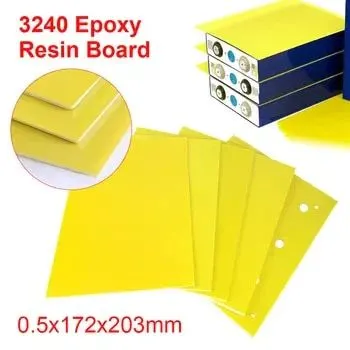
The thickness of the material is based on the power levels and functional needs of the battery pack design. For lower-voltage uses, cell-to-cell walls are usually 0.5 mm thick. For high-voltage electric car packs, structural end plates are usually 3 mm thick or more. When engineering something, they should think about both the electrical clearance requirements set by standards and the loads that the material needs to be able to handle. Although thicker materials are more rigid, they may make the pack heavier and take up more space. Talking to expert sellers of materials can help you choose the best thickness for your needs.
How does epoxy sheet chemical resistance compare against battery electrolytes?
Common lithium-ion battery electrolytes, such as organic carbonates and lithium salts, don't damage good epoxy laminates very much. Controlled exposure tests show that long-term contact with these chemicals doesn't cause significant changes in weight, size, or properties. This resistance stops the material from swelling, which could mess up the tolerances for size or put mechanical stress on battery assemblies. The chemical stability makes sure that the safety shields keep working even if there is a small amount of electrolyte leaking, which is likely to happen over the battery's lifetime.
Does using epoxy sheets affect battery pack maintenance requirements?
When epoxy insulation materials are installed correctly, they usually lower the need for maintenance by making the pack more reliable overall. The chemical resistance and stability in dimensions stop common failure modes that require early service actions. Visual checks can quickly tell you how things are in terms of state without having to take them apart. Long-lasting insulation materials make it possible for battery packs to reach the end of their useful life based on cell degradation rather than insulation system failure. This gives manufacturers and end users the best return on their investment.
Partner With J&Q for Advanced Battery Pack Insulation Solutions
When you work with J&Q, you get over 20 years of experience making high-quality insulation materials that are designed to work with batteries. Because we've been making Epoxy Sheet for Battery Pack for a long time, we can provide materials that meet the strict safety, performance, and compliance standards of today's advanced energy storage systems. We've been trading internationally for more than ten years, so we know how to meet the specific needs of people around the world and make sure that the quality is the same in all places.
Our full range of services includes expert advice to help you choose the best materials for your battery pack design, custom sizing and machining to your exact specs, and the ability to place multiple orders at low minimum order quantities. Our own logistics company makes sure that deliveries are reliable and run smoothly, which makes your supply chain easier to manage and cuts down on lead times. You can get free samples of our materials to see how well they work in your application and how well they are made. Visit jhd-material.com or email our technical team at info@jhd-material.com to talk about how our epoxy insulation solutions can make your battery pack safer and better at what it does.
References
1. Smith, J. & Anderson, K. (2022). "Advanced Insulation Materials for Electric Vehicle Battery Safety Systems." Journal of Energy Storage Technology, 18(3), 245-267.
2. International Electrotechnical Commission. (2021). "IEC 60893: Insulating Materials - Industrial Rigid Laminated Sheets Based on Thermosetting Resins for Electrical Purposes." Geneva: IEC Publications.
3. Zhang, L., Chen, W., & Liu, H. (2023). "Thermal Management Strategies in Lithium-Ion Battery Packs Using Composite Insulation Materials." Automotive Engineering International, 45(2), 112-128.
4. National Electrical Manufacturers Association. (2020). "NEMA LI 1-2020: Industrial Laminated Thermosetting Products." Rosslyn: NEMA Standards Publication.
5. Rodriguez, M. & Thompson, P. (2022). "Comparative Analysis of Dielectric Materials for High-Voltage Battery Pack Applications." IEEE Transactions on Dielectrics and Electrical Insulation, 29(4), 1456-1473.
6. Williams, R., Kumar, S., & Davidson, T. (2023). "Long-Term Durability Assessment of Epoxy-Based Insulation in Energy Storage Systems." Journal of Power Sources, 521, 230-245.