3021 Phenolic Paper Sheet Provides Reliable Performance in Industrial Parts
2026-09-09 17:29:55
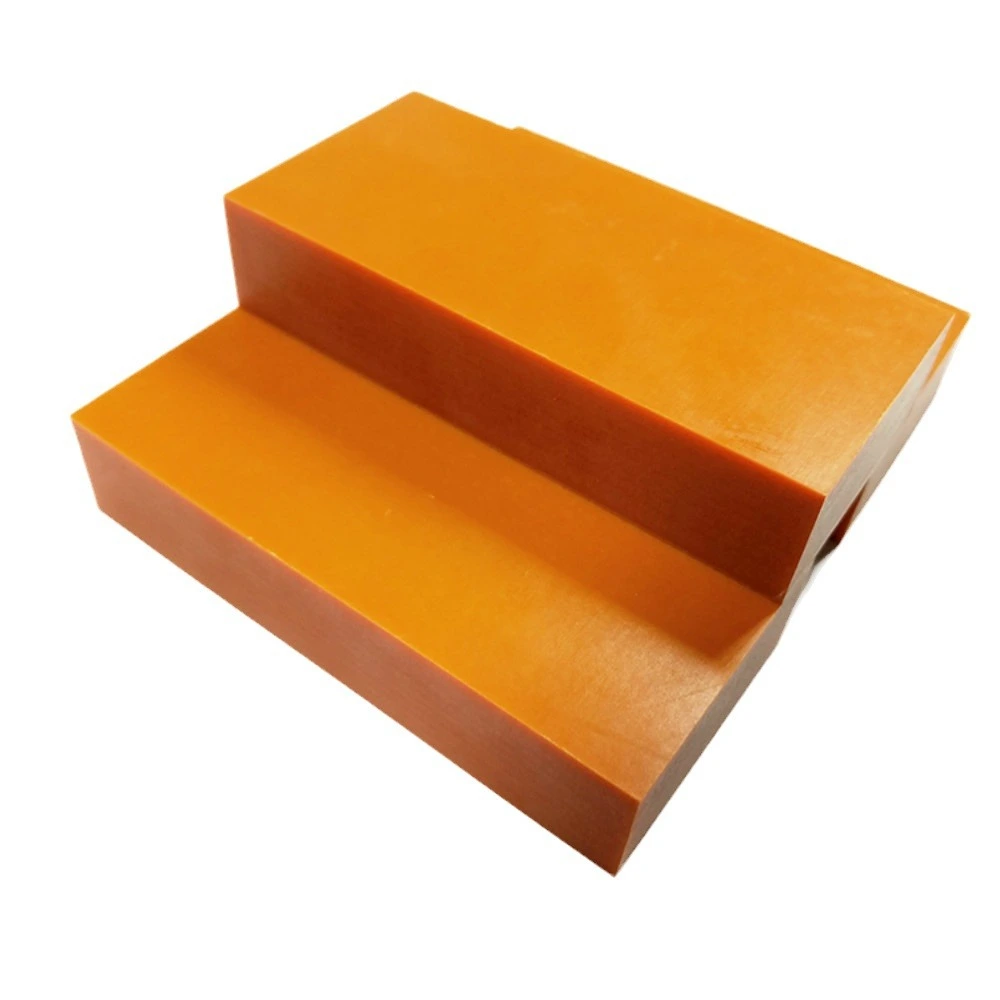
When sourcing insulation materials for demanding industrial environments, the 3021 phenolic paper sheet stands out as one of the most dependable and cost-efficient laminated sheet options available. Manufactured by impregnating insulating kraft paper with phenolic resin and then hot-pressing it under controlled heat and pressure, this Class E (120°C) thermosetting laminate delivers consistent mechanical strength, solid dielectric performance, and excellent machinability. Whether you are equipping switchgear assemblies, transformer coil systems, or motor brackets, this phenolic paper laminate has proven its value across decades of real industrial use.
Understanding 3021 Phenolic Paper Sheet and Its Core Properties
This material is basically a paper-based phenolic laminate that meets the requirements of IEC 60893-3-4 (type PFCP201) and NEMA Type X/XX. Its orange or black color makes it easy to spot on the production floor, and its dense, rigid structure shows that it was carefully engineered.
Key Technical Specifications
Why do engineering managers and technical buying teams like this laminate so much? It meets the following physical and electrical standards:
- Density: 1.30–1.45 g/cm³, giving structures strength without adding too much weight to units
- Flexural strength (perpendicular to laminations): At least 115 MPa, and high-grade versions have strengths of over 135 MPa.
- Impact strength (Notched Charpy, parallel to laminations): ≥12 kJ/m²
- Dielectric strength (in oil, step-by-step): ≥10–12 kV/mm, which guarantees reliable insulation in places where oil is present.
- Insulation resistance: Under normal circumstances, the insulation resistance is ≥10⁷ Ω.
- Thermal rating: Class E, up to 120°C constant service.
Manufacturing Process and Quality Assurance
Each sheet is made in a very specific way: phenolic glue is added to kraft paper, it is stacked to the right thickness, and then it is hot-pressed at the right pressure and temperature. The end result is a plastic that is uniform and has few gaps inside it. Standard sheet sizes range from 1030 × 2070 mm to 1220 × 2200 mm, and thicknesses from 3 mm to 100 mm. This wide range of sizes can fit both small machined parts and big insulation panels for buildings.
Performance Advantages of 3021 Phenolic Paper Sheet in Industrial Parts
A lot of buying professionals wonder why the 3021 Phenolic Paper Sheet is still used so often when there are newer composite materials available. There is a set of practical performance characteristics that directly lower operational risk and total material cost that hold the key.
Here are the main performance benefits of this material that make it a good choice for long-term use in factories:
- Superior machinability: The sheet can be cut, drilled, milled, and punched without leaving any gaps. With very tight tolerances, CNC cutting makes insulation washers, spacers, bushings, and terminal boards.
- Low moisture absorption: Phenolic resin surrounds the cellulose boards, blocking humidity from entering, so the dielectric properties are kept even in moderately humid conditions.
- Chemical resistance: It can stand up to transformer oil, mild acids, and common chemical solvents. This is very important for electrical enclosures that are sealed and oil-cooled transformer assemblies.
- Wear resistance: The compressed paper-resin structure doesn't wear down easily, so it can be used for mechanical spaces and parts that slide on machines.
- Cost efficiency: This paper-based type of phenolic laminate has the lowest material cost per unit area of all the grades. This makes it perfect for high-volume production runs in the electrical and home gadget industries.
Comparing 3021 Phenolic Paper Sheet with Alternative Materials
Procurement professionals can make better decisions about where to buy things when they know where this laminate fits in the larger world of insulation materials.
3021 vs. 3025 Cotton Phenolic Sheet
For the 3025 grade, the reinforcement is woven cotton fabric instead of paper. Cotton phenolic is good for gears and heavy structural parts because it is more resistant to impact and works better when subjected to mechanical shock. It costs more and has less accurate insulating properties than the paper-based version, though. The 3021 Phenolic Paper Sheet is the better choice when electrical shielding values are more important than impact resistance, like in switchboards and transformer barriers.
3021 vs. FR4 Epoxy Glass Laminate
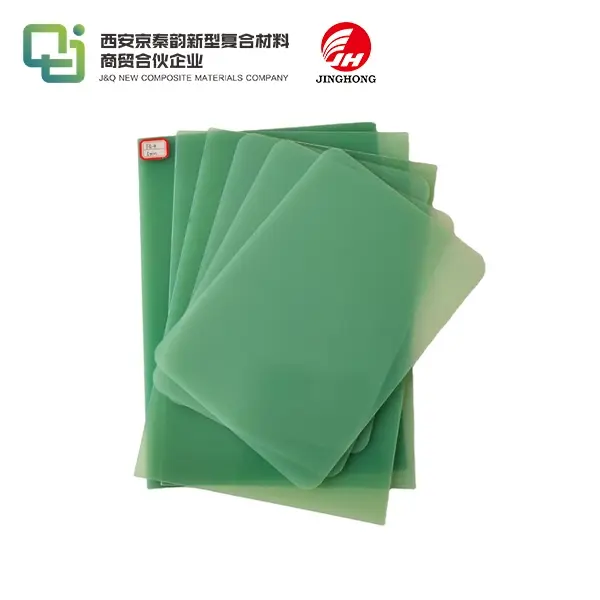
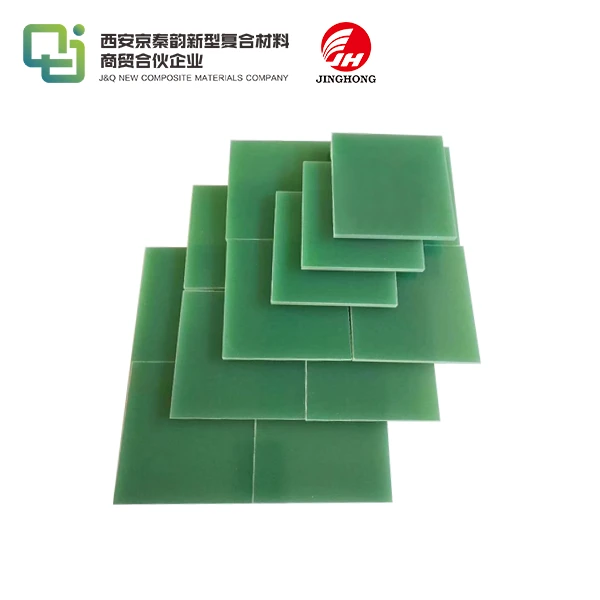
FR4 is an epoxy laminate strengthened with glass fibers that can withstand higher temperatures (usually 130°C+) and is approved by UL 94 V-0 to not catch fire. It works really well in high-frequency electrical environments and PCB substrate applications. FR4 does have a much higher unit cost, though, and it's harder to make into thick parts. In situations where Class E thermal performance is enough for low-voltage insulation, mechanical spacers, and transformer parts, the phenolic paper laminate gives the same level of performance at a much lower cost.
3021 vs. Ceramic Insulators
Although ceramic insulators are very good at keeping heat stable at very high or very low temperatures, they are also very fragile, hard to work with, and not good for uses that need complex shapes. Because it is easier to machine, can handle shocks better, and can be bought in a variety of ways, phenolic paper laminate is better than ceramics for making precision-machined industrial parts.
Procurement Guide: How and Where to Source This Phenolic Laminate?
To get a lot of phenolic paper laminated sheets, you need to pay close attention to the qualifications of the suppliers, the lead times, and the consistency of the batches.
What to Look for in a Reliable Supplier
When looking for 3021 Phenolic Paper Sheet providers, make sure they meet these requirements: production certifications that are confirmed to match IEC or NEMA standards; detailed quality control methods; the ability to make unique sizes and thicknesses; and quick technical support. Manufacturers with a lot of experience and specialized foreign trade teams can make it easy for international buyers to handle export paperwork, logistics, and follow-up after the sale.
At J&Q, we've been making insulating sheets for more than 20 years and have been trading with other countries for more than ten years. We run our own transportation infrastructure, which means that we take care of everything from production to delivery right to your door. There are no surprises with third-party freight or broken supply lines.
Applications and Industrial Use Cases
The fact that this phenolic laminate is used in so many different fields shows how useful it is in many different situations. It is used by electrical and electronics companies to make insulation washers, switchboard panels, motor slot liners, and terminal boards. It is used by transformer makers to make coil insulation layers and arc barriers in oil-immersed units. In the car industry, it's used as heat-resistant parts in battery pack systems and as insulation pads. It is used by machinery builders as mechanical spacers and wear plates in machines that cycle under steady load. It is used by companies that make home appliances for motor braces and thermal separation frames. Stable costs and uniform batch quality have a direct effect on the economics of production.
Conclusion
The 3021 Phenolic Paper Sheet has won its place at the top of the industrial insulation ladder. Its technical profile includes dielectric strength, mechanical rigidity, chemical resistance, and CNC machinability. This makes it useful for real-world production problems in machinery, electrical manufacturing, power systems, and automotive parts. As it works reliably and doesn't cost more than higher-grade laminates, it makes sense to use it as the usual standard for Class E insulation needs. Understanding this material's properties and how it can be sourced directly leads to better buying decisions and more reliable supply chains for procurement teams that are in charge of a wide range of sourcing portfolios.
FAQ
What thickness options are available?
A standard production run can be anywhere from 3 mm to 100 mm thick. Standard stock sizes for sheets are 1030 × 2070 mm and 1220 × 2200 mm. You can get custom sizes if you ask for them and confirm your order quantities.
How does this material perform in oil-immersed environments?
The phenolic resin structure makes it very resistant to transformer oil. The dielectric strength in oil (step-by-step test, perpendicular direction) is at least 10–12 kV/mm, which means it can be used to insulate coils and stop arcs inside oil-cooled transformer circuits.
What is the minimum order quantity for bulk procurement?
Minimum order amounts depend on the thickness and size of the item. We want engineering managers and OEM sourcing teams to get in touch with us directly so that we can make you a quote that fits your volume and delivery schedule.
Is it compatible with CNC machining?
Yes. The structure made of compressed paper and plastic works well for cutting, milling, and punching. It is much easier to work with than clay insulators or thick-section fiberglass composites, which cuts down on tool wear and cycle time.
What certifications apply to this laminate?
The material is in line with NEMA Type X/XX and IEC 60893-3-4 (type PFCP201). If you ask, approved makers can give you specific certification paperwork.
Partner with J&Q for Your 3021 Phenolic Paper Sheet Supply
J&Q has been making insulating sheets for more than 20 years and has a fully integrated logistics network that lets us send certified 3021 Phenolic Paper Sheet straight to your facility. As a reliable manufacturer, we can help with technical questions, special sizes, and large orders. To get a brochure, look at the specs, or ask a question, email our team at info@jhd-material.com or go to jhd-material.com right now.
References
1. International Electrotechnical Commission. IEC 60893-3-4: Insulating Materials — Industrial Rigid Laminated Sheets Based on Thermosetting Resins for Electrical Purposes. IEC, 2003.
2. National Electrical Manufacturers Association. NEMA LI 1: Industrial Laminating Thermosetting Products. NEMA, 2020.
3. Harper, Charles A. Handbook of Plastics Technologies. McGraw-Hill, 2006.
4. Brydson, J. A. Plastics Materials. 7th ed., Butterworth-Heinemann, 1999.
5. Shields, J. Adhesives Handbook. 3rd ed., Butterworth-Heinemann, 1984.
6. Mazumdar, Sanjay K. Composites Manufacturing: Materials, Product, and Process Engineering. CRC Press, 2002.
_1740986340093.webp)
_1764314369204.jpg)