Can Bakelite 3026 Phenolic Cotton Cloth Board Extend Service Life in High-Wear Components?
2026-10-15 17:02:27
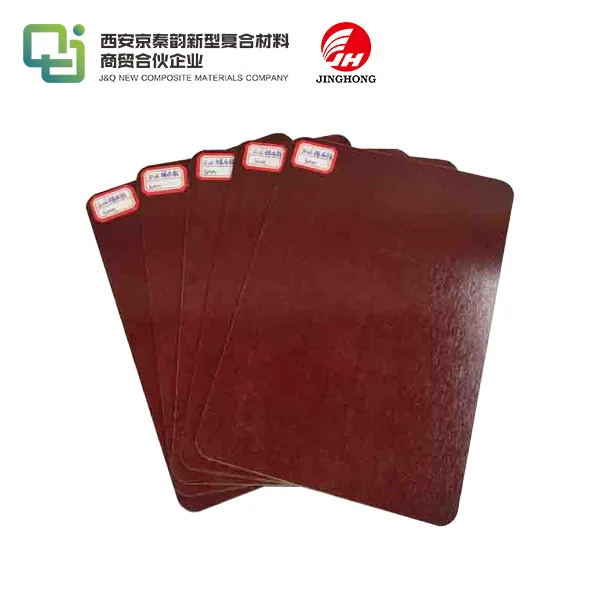
The short answer is yes. Bakelite 3026 Phenolic Cotton Cloth Board is engineered from fine-weave cotton fabric layers bonded with phenolic resin under high temperature and pressure, producing a dense laminate with low water absorption, strong surface hardness, and proven abrasion resistance. In high-wear applications such as ball bearing retainers, wear plates, cams, and slider stock, this material maintains dimensional stability far longer than standard paper phenolics or generic thermoplastics. For procurement teams and engineers evaluating material upgrades, the data consistently supports phenolic cotton cloth board as a cost-effective path to extended component service life.
Understanding Bakelite 3026 Phenolic Cotton Cloth Board
What Is It Made Of?
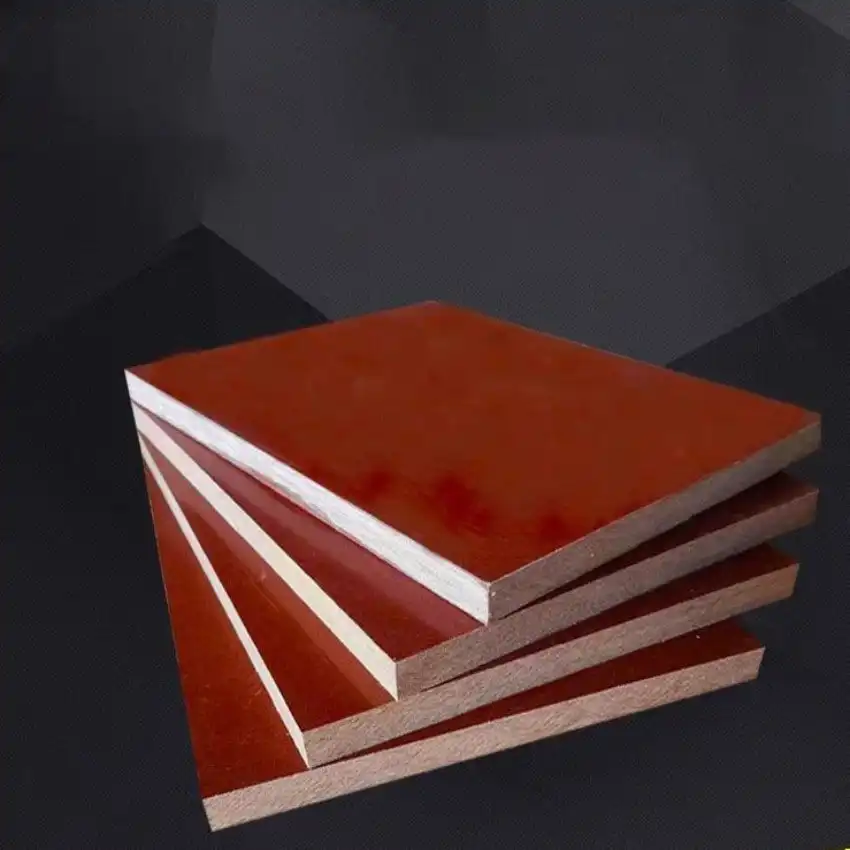
Phenolic glue is mixed with one or more layers of fine-weave cotton cloth to make Bakelite 3026. The part is heated and pressed in a controlled way until the resin fully polymerizes, creating a rigid thermoset laminate. This design makes the board's density about 1.35–1.45 g/cm³, which is much lower than steel or metal but keeps the board's tensile strength. It is clearly different from paper-based types like X or XX, which have lower mechanical strength under dynamic loading conditions, because it has a cotton support layer.
Key Technical Properties
This phenolic laminate board can work at temperatures of up to 120°C all the time (Class E thermal insulation). Its flexural strength is usually at least 100 MPa, which means it can be used in places with shock loads. Mineral oils, weak acids, and common industrial cleaners don't damage the board very much either. These features meet the standards set by IEC 60893 and GB/T 5130, which give buyers a clear idea of the level of quality. Hongda makes this stuff in thicknesses ranging from 0.5mm to 100mm and normal sheet sizes of 1220mm × 2020mm, so it can be used for a lot of different kinds of manufacturing.
Where Is It Used?
The substance is often used for fixture plates, jig models, switch parts, slider stock, ball bearing retainers, wear plates, cams and pushers, and mixing blades. Because it can be machined, CNC cutting, drilling, and milling can be done on it without delamination, which is a problem that often happens with lower-quality melamine boards. Because of these qualities, it is often used in electrical and mechanical engineering for electrical insulation frames, mechanical spacers, and structural support parts.

Performance Analysis in High-Wear Applications
Wear Resistance Under Real Conditions
When there is a lot of contact, phenolic cotton cloth laminates always work better than paper phenolics and a lot of other common industrial plastics. The braided cotton support spreads the board's cross-sectional stress, which stops wear from happening in one place. Testing according to the rules in GB/T 5130 shows that the material doesn't delaminate even after oil-boiling cycles, which model long periods of time spent in heated lubricant environments like those found in gearboxes and hydraulic systems. This trait directly lowers the number of times OEM machinery needs to have parts replaced.
Thermal and Chemical Stability
A lot of the time, chemical and mechanical stress happen at the same time in industrial parts. Mineral oils, weak alkalis, and common process liquids can't break down Bakelite 3026 Phenolic Cotton Cloth Board. It also keeps its shape over heat cycles. Because it doesn't absorb water, it doesn't swell or warp in humid production settings, which is known to be a way that paper phenolic options fail. This chemical and thermal stability means that fewer unexpected repair shutdowns will happen in fields like power distribution and car making.
Documented Application Outcomes
When used in oily settings, cotton cloth phenolic boards in bearing retainers and wear plates are said to last longer by OEM makers than nylon or acetal options. Because phenolic cotton laminates are self-lubricating, they lower the heat that is created by friction at the contact surfaces. This lowers the rate of wear on metal parts that are next to them. These results show that the material is useful in real life beyond its theoretical properties and make it even better for production lines with a lot of orders.
Comparative Evaluation: Bakelite 3026 vs Alternative Phenolic Boards
Bakelite 3026 vs Grade 3025 (Paper Phenolic)
Grade 3025 has a paper-based base that is filled with phenolic resin. This makes it better for electrical protection in situations with low mechanical load. With its cotton cloth reinforcement, Bakelite 3026 has better impact resistance and surface hardness, making it the best choice for parts that will be touched, abraded, or vibrated over and over again. When looking for wear plates or bearing parts, the cotton-reinforced grade always has a longer service life under the same loading conditions.
Bakelite 3026 vs Fiberglass Epoxy (FR4/G10)
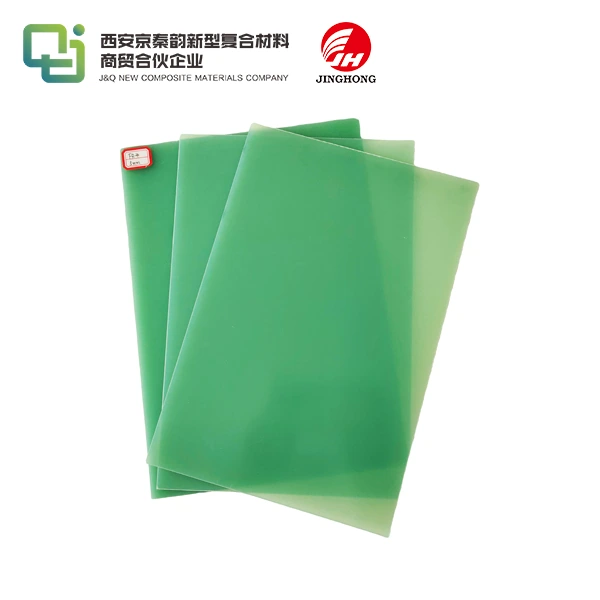
The dielectric strength and flame protection of FR4 and G10 epoxy boards are very high, which makes them perfect for PCB and high-voltage shielding tasks. They cost more to make, though, and are more likely to break when hit with force over and over again. Bakelite 3026 has a better balance between cost and mechanical performance for parts where dielectric performance is not as important as wear resistance and machinability. This cost-effectiveness at the procurement level is important for making a lot of mechanical parts.
Bakelite 3026 vs Micarta and Epoxy Laminates
When it comes to chemical protection and surface finish quality, Micarta and luxury epoxy laminates are better than others. Bakelite 3026, on the other hand, has the right performance profile for uses in automotive fixtures, jig models, and industrial gearing without the higher cost. It can be machined reliably and has thickness tolerances that are usually ±0.1mm to ±0.5mm, based on the thickness. This gives manufacturing experts faith in the consistency of production across large batch orders.
Procurement Guide for Bakelite 3026 Phenolic Cotton Cloth Board
Selecting the Right Supplier
Supply chain risk is lower when you buy from a verified Bakelite 3026 Phenolic Cotton Cloth Board maker with clear quality control methods. Some important factors are ISO approval, being able to consistently track batches, and meeting IEC or GB/T standards. Suppliers should be able to give you records of delamination tests, thickness tolerance reports, and inspections of the surface quality. Hongda has been making things for more than 20 years and makes 13,000 tons of goods every year. Their quality control procedures are in line with these buying standards.
Order Specifications and Logistics
Before placing an order, buyers should make sure of these normal purchasing conditions:
- MOQ: 500 kg per order, which accommodates both mid-scale and large production runs
- Standard sheet size: 1220mm × 2020mm, with custom dimensions available upon request
- Thickness range: 0.5mm to 100mm, covering thin insulation film applications up to thick structural block requirements
- Packaging: Pallet-protected standard packing to prevent surface damage during transit
- Shipping methods: Ocean, land, and air freight are all supported, offering flexibility for different delivery timelines
- Payment: T/T (Telegraphic Transfer), a standard and secure B2B payment method
These standards make it easy for procurement managers to make sure that orders are in line with budget cycles and production plans.
Quality Inspection Checklist
Before accepting delivery, buyers should test the bonding strength by delamination, make sure the surface is intact with no blisters or resin voids, and compare the thickness uniformity to the tolerances given. Testing the board's dielectric strength in hot oil at 90°C should also show that it keeps its insulating properties under stress from use. This list is in line with the checking rules in GB/T 5130 and IEC 60893, and it keeps quality problems from happening in later stages of production.
Why Bakelite 3026 Is the Rational Choice for Extending Service Life?
Three things make phenolic cotton cloth laminate better than other options: how long it lasts under wear, how well it handles heat, and how easy it is to work with. This material's surfaces don't break down as easily when they are rubbed; it keeps its shape through thermal cycles, and it can be machined to exact specs without damaging the tool or delaminating the part. These features lower the number of replacements needed and the cost of tools over the course of a production run.
Not only does acting matter, but so does how predictable the subject is. Engineering teams can get it in large quantities at a uniform quality level, with known thickness tolerances and mechanical properties. This lowers the risk of design confusion during product development and the chance that a part will fail in the field, which can cost money and hurt the company's image.
Conclusion
Bakelite 3026 Phenolic Cotton Cloth Board is used in high-wear areas because it is resistant to abrasion, stable at high temperatures, doesn't react with chemicals, and can be machined easily. It has a better performance rating for parts that are under constant mechanical and environmental stress than paper phenolics, fiberglass boards, and normal engineering plastics. For purchasing teams in the power, automotive, industrial machinery, electrical manufacturing, and automotive sectors, this material is a smart, data-backed choice for increasing the service life of parts and lowering overall repair costs over time.
FAQ
What industries commonly use Bakelite 3026 Phenolic Cotton Cloth Board?
It is used a lot in the power industry for arc barriers and thermal separation parts, in the manufacturing of industrial machinery for wear plates and bearing retainers, in the manufacturing of automobiles for fixture plates and jig models, and in the manufacturing of electrical and electronics for switch parts and insulation components.
How does it compare in cost to fiberglass or epoxy boards?
More often than not, phenolic cotton cloth board is cheaper for mechanical uses than FR4 or premium epoxy laminates. Epoxy boards work better in high-voltage electrical situations, but Bakelite 3026 is cheaper and has better insulation and wear resistance, so it is the best choice for large mechanical parts that don't need to perform very well in terms of dielectric performance.
Can it be customized for specific dimensions?
That's right. Hongda sells this stuff in normal sizes (1220mm x 2020mm) and thicknesses ranging from 0.5mm to 100mm. Custom shapes and widths can be made based on the needs of the purpose. Buyers should talk to the maker immediately about the specific tolerances and finishing needs they have.
What is the minimum order quantity?
The MOQ for each order is 500 kg, which works for both small purchases and big production runs.
Is quality documentation available?
Yes. According to IEC 60893 and GB/T 5130 standards, certified suppliers give test reports that cover dielectric strength, surface quality, thickness tolerance, and resistance to delamination.
Partner with J&Q for Reliable Bakelite 3026 Phenolic Cotton Cloth Board Supply
J&Q has been making insulation sheets for more than 20 years and has been trading with other countries for more than 10 years. As a reliable provider of Bakelite 3026 Phenolic Cotton Cloth Board, we provide quality paperwork that has been checked, flexible order sizes starting at 500 kg, and full transportation support through our own freight network. You can email us at info@jhd-material.com or go to jhd-material.com to get a quote or professional advice.
References
1. IEC 60893-3: Specification for Industrial Rigid Laminated Sheets Based on Thermosetting Resins for Electrical Purposes — International Electrotechnical Commission, 2003.
2. NEMA LI 1: Industrial Laminating Thermosetting Products Standard — National Electrical Manufacturers Association, 2020.
3. GB/T 5130: Test Methods for Electrical Laminates — Cotton Cloth Phenolic Boards — Standardization Administration of China, 2018.
4. Harper, C.A. (Ed.): Handbook of Plastics Technologies — McGraw-Hill, 2006.
5. Domininghaus, H. et al.: Plastics: Properties and Applications — Springer, 2008.
6. Brydson, J.A.: Plastics Materials, 7th Edition — Butterworth-Heinemann, 1999.