Epoxy Sheet vs. Bakelite: Which Is More Suitable for Electronics?
2026-04-16 17:25:49
When making electronics, the choice between epoxy sheet and Bakelite has a direct effect on how reliable, compliant, and cost-effective the result is. Modern epoxy laminates, especially FR4 types, are used more often in PCB applications because they have better dielectric qualities and can be machined more precisely. Bakelite, on the other hand, is still useful in moderate-temperature, cost-conscious settings. When choosing insulation materials, engineering managers need to look at things like dielectric strength, heat endurance, legal certifications, and how consistent the suppliers are. This comparison looks at both materials through the lens of real-world purchasing, which will help you match scientific requirements with production needs.
Understanding Epoxy Sheet and Bakelite: Material Basics
What Are Epoxy Sheets and Their Core Properties?
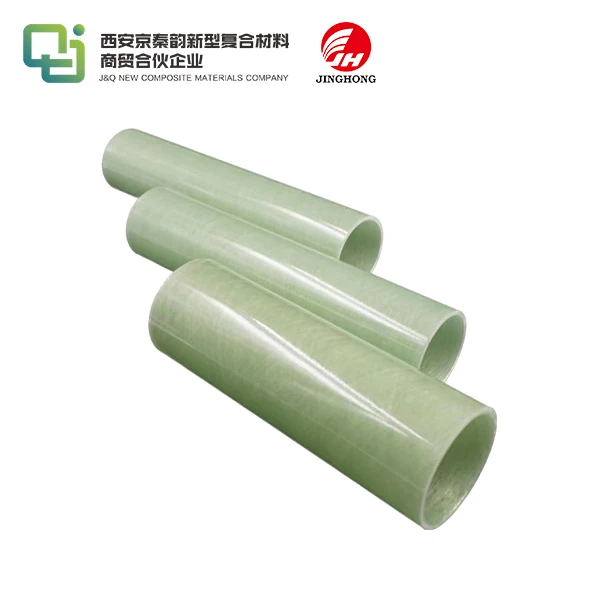
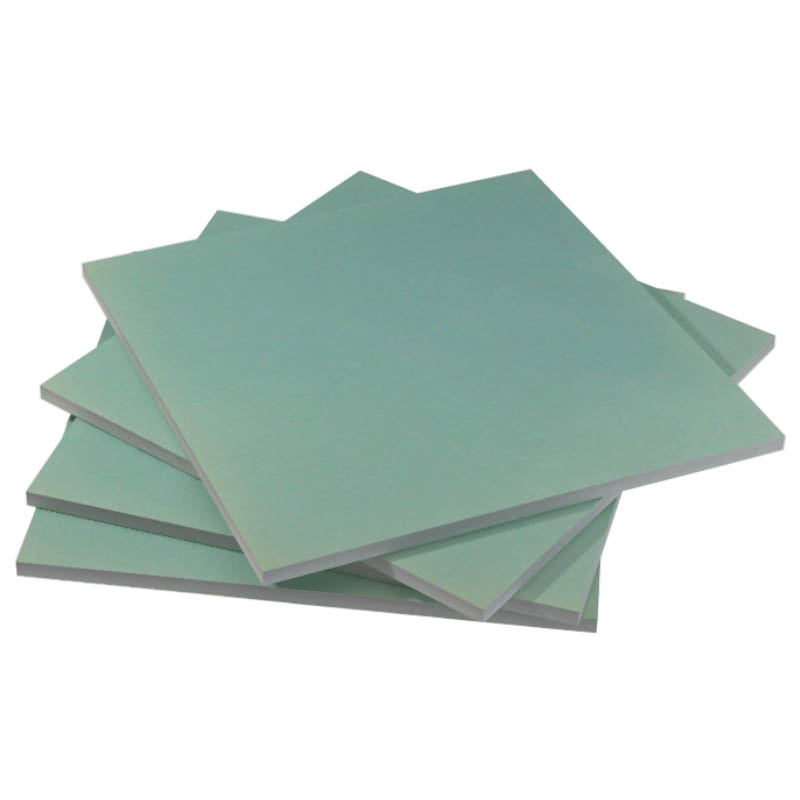
epoxy sheet is a high-pressure thermosetting laminate made of glass cloth that is wound in a continuous thread and mixed with epoxy glue. NEMA standards list grades G10, FR4, G11, and FR5 for this material. It cures permanently under controlled heat and pressure, making a structure that doesn't bend when heated. The glass support gives the material great mechanical strength, and the epoxy matrix gives it great electrical shielding. Epoxy laminates don't change size when heated like thermoplastics do; they stay the same size at temperatures ranging from -50°C to 180°C.
In the manufacturing process, fiberglass cloth is layered with resin and then cured in hydraulic presses at temperatures above 150°C. For precise machining, this makes thickness errors that are all the same, within ±0.1mm. The material is very easy to cut with a CNC machine, so it can be used to make complicated shapes for PCB bases, terminal blocks, and insulating washers. These laminates are necessary for safety-critical electrical parts in power distribution and car electronics because they meet UL94 V-0 flame rates and RoHS requirements.
Bakelite's Historical Role and Material Characteristics
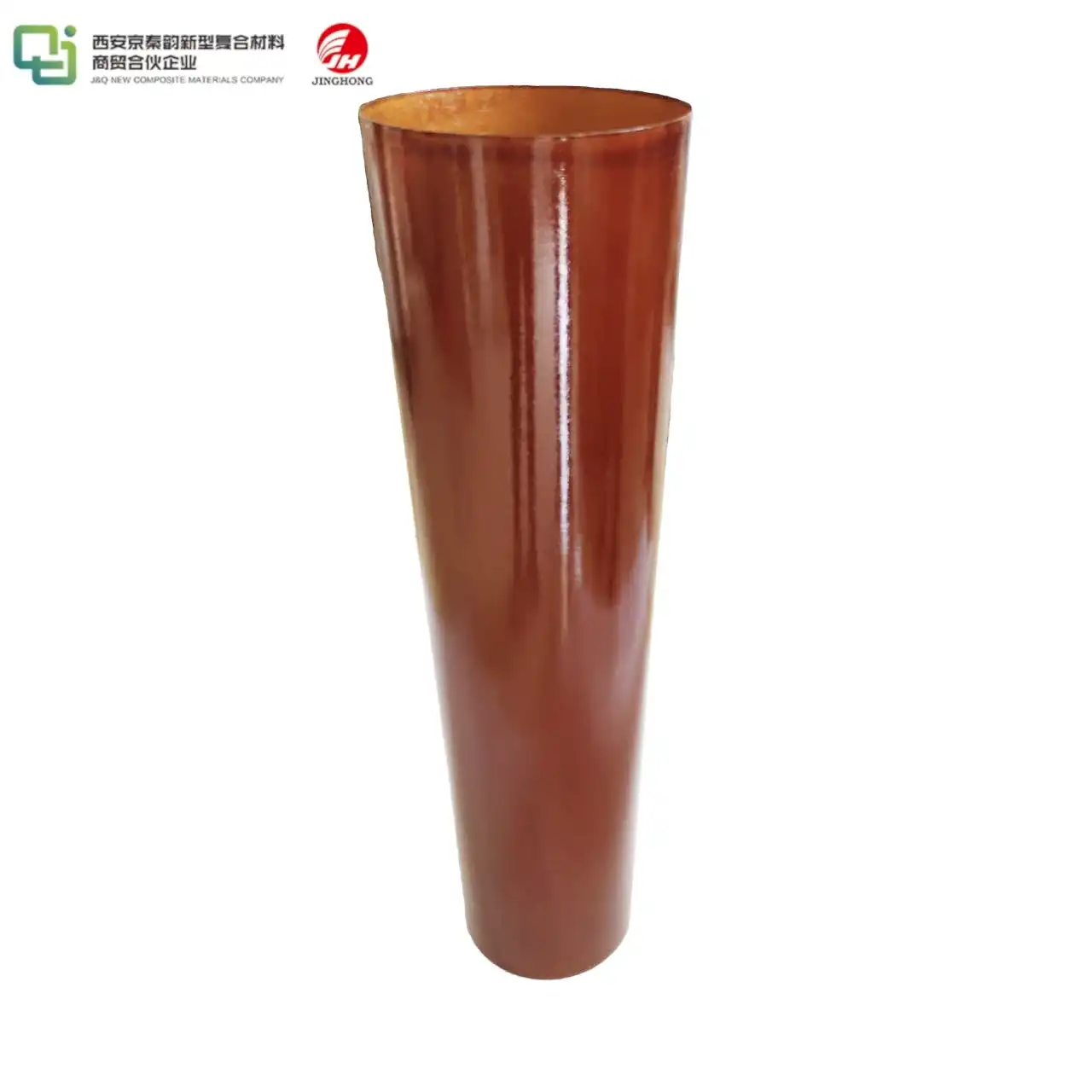
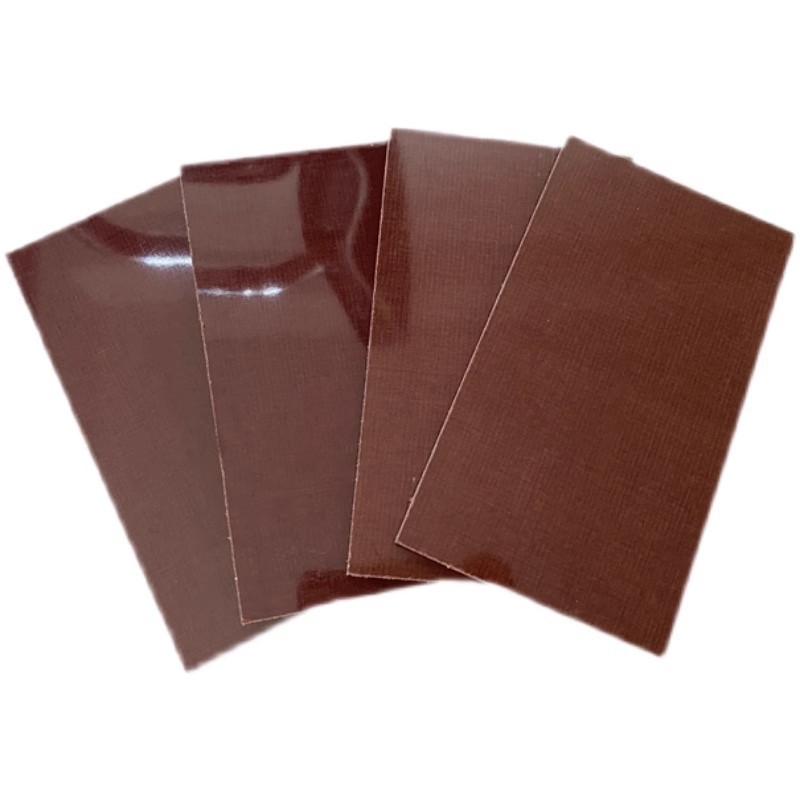
Bakelite, which is made of phenol-formaldehyde glue and paper or cotton cloth, was the first man-made plastic. It came out in 1907. The condensation polymerization process hardens this thermosetting material, creating rigid cross-linked structures that are naturally resistant to fire. Phenolic laminates are good at blocking electricity at levels below 10kV, and they can also handle heat well up to 120°C for long periods of time. The dark brown color of the material comes from organic fillers and hardening processes.
Cotton-reinforced phenolic sheets have average mechanical qualities that make them good for use as structural spacers and gear blanks in factories. The substance takes in water more easily than epoxy composites, which can make shielding less effective in damp places. But Bakelite stays in use in parts of appliances that don't need to be very strong because it's cheap and easy to shape. Examples include motor clamps and switch housings.
Comparing Mechanical Strength and Environmental Resistance
The tensile strength of epoxy laminates is higher than 400 MPa, which is a lot higher than Bakelite's normal 200 MPa grade. This extra strength is very important for jobs that need thin parts to hold a lot of weight, like supporting busbars in switchgear systems. Epoxy materials are also better at resisting impact, which lowers the risk of cracking during automatic assembly processes.
Environmental stability varies a lot between types of materials. Epoxy resins don't absorb more than 0.15% of their weight in water over 24 hours, so they keep their electrical qualities even in coastal or tropical industrial settings. Organic fillers in Bakelite can soak up as much as 1.5% of water, which causes the material to expand and lose its ability to insulate. Chemical resistance follows similar patterns. For example, epoxy resins can handle most industrial solvents and cleaning agents, but phenolic materials break down when they come into touch with strong alkalis or solvents for a long time.
Performance Comparison for Electronics Applications
Dielectric Strength and Electrical Safety Standards
The dielectric breakdown voltage tells the difference between good insulators and great ones. In a straight line, FR4 epoxy sheet has a dielectric strength of 20 kV/mm, which is twice as high as normal Bakelite sheet grades' 10 kV/mm. In small devices, where shielding thickness is kept to a minimum to save space and weight, this performance gap is very important. Epoxy's low dissipation factor (0.02 at 1 MHz) is better for high-frequency uses than Bakelite's 0.05. This is because it lowers signal loss in RF circuits and high-speed data transfer lines.
Market entry is based on meeting worldwide safety standards. UL-recognized epoxy grades pass strict flammability tests according to UL94, getting V-0 scores that put out fires on their own in 10 seconds. Many types of Bakelite can only get V-1 ratings, which means they can't be used in consumer gadgets that need to be safer around fire. Compliance with RoHS and REACH also benefits modern epoxy formulas, which get rid of harmful substances that were a problem with older phenolic resins.
Thermal Performance and Long-Term Durability
The glass transition temperature (Tg) is the point at which plastics change from being stiff to being flexible. Standard FR4 epoxy has a Tg of about 130°C, and high-Tg versions can hit 180°C. These are good for lead-free soldering methods at peak reflow temperatures of 260°C. Bakelite can only work at a temperature of 120°C for a long time, which means it can't be used in places like car trunks or industrial motor systems.
In real life, thermal cycling speeds up the age process of materials. According to tests done by a third party, epoxy laminates keep 90% of their original flexural strength after 500 temperature cycles between -40°C and 125°C. Bakelite, on the other hand, loses 15-20% of its strength in the same conditions. This reliability has a direct effect on how long gadgets come with warranties and how often they break down in the field.
Moisture and Chemical Resistance in Demanding Environments
Even when gadgets are sealed, they still get wet when they are stored and used. The hydrophobic glass-resin contact in epoxy stops water from getting in and lowering the insulation's resistance. After 96 hours of immersion tests, epoxy's insulation resistance stayed above 10^12 ohms, while Bakelite's dropped to 10^9 ohms, which is close to levels that aren't okay for high-voltage uses.
Chemical exposure varies by job. Automotive battery pack insulators have to deal with coolants that are based on glycol and fluids that are acidic. Epoxy's aromatic ring structure makes it better at resisting these conditions. Cutting oils and hydraulic fluids that come into contact with industrial machines reduce phenolic binders over time. These real-life examples show why purchase requirements are calling for more and more epoxy laminates, even though they cost more.
Procurement Considerations for B2B Clients
Evaluating Supplier Capabilities and Certification Systems
There's more to choosing trusted material providers than just comparing prices. ISO 9001-certified quality control systems make sure that features stay the same from batch to batch, which is important for automated production lines. Suppliers with UL Yellow Card listings offer approved electricity ratings, so you don't have to pay for expensive third-party testing every time you buy something. In controlled industries, liability claims can be avoided with traceability systems that connect lots of materials to test records.
Global buying can save money and make things more complicated at the same time. Long-standing providers with many years of production know what the thickness tolerance requirements are for CNC cutting and what the surface finish requirements are for glue bonding. Newer companies may have good prices, but they don't have the expert support to help you choose the right material or fix problems with your application. One way to check if a supplier is stable is to see how much production capacity they have to handle changes in volume and emergency orders without affecting delivery times.
Cost Analysis: Upfront Price versus Lifecycle Value
The price of materials is based on the cost of raw materials, the difficulty of production, and the desire in the market. Bakelite is usually 40–60% less expensive per kilogram than FR4 epoxy sheet, which makes it a great choice for projects that need to stay within their budget. When processing costs are taken into account, this figure oversimplifies the real prices. Compared to Bakelite, which is harder and more rough, epoxy is easier to work with and requires fewer tool changes and cycle times during CNC operations. This lowers the cost of making each part by 15 to 25 percent.
Lifecycle factors have a huge effect on business. Failures in the field due to moisture getting in or thermal degradation cost a lot more than the initial material savings because of warranty claims, replacement supplies, and damage to the brand's image. Power distribution equipment that will be used for more than 20 years needs materials that have been shown to keep their shielding integrity over decades, which is why epoxy costs more. Home products that are meant to last 5 years may be able to handle Bakelite's flaws if they are properly built and kept within temperature and humidity limits.
Customization, Lead Times, and Supply Chain Reliability
Specialized uses often need non-standard sizes, custom colors to make the assembly easy to spot, or certain plastic formulations to make them compatible with chemicals. When compared to pure wholesalers, suppliers with in-house machining and a large inventory offer faster prototyping and lower minimum order amounts. Logistics infrastructure is just as important as the logistics itself. Suppliers that are fully integrated and run their own transportation cut down on delays caused by third-party freight coordination.
Lead times have a big effect on planning how to make something. Goods grade FR4 are shipped within 7 to 10 days from reputable sources with regional storage. Custom formulas or odd thicknesses make lead times 4 to 6 weeks longer, so it's important to accurately predict demand. Recent problems in the supply chain have shown the dangers of relying on a single source. To keep production going even when there are problems with shipping or not enough raw materials, procurement strategies now stress dual sourcing and a wide range of suppliers.
Practical Application Scenarios and Case Studies
PCB Substrates and High-Frequency Circuit Boards
FR4 epoxy sheet is the standard base for layered printed circuit boards that power medical devices, smartphones, and industrial controls. The material's dielectric constant stays the same across frequency ranges, which keeps signals intact in digital circuits that work at speeds above 1 GHz. The adhesion strength of copper foil is higher than 1.5 N/mm, and it can survive thermal stress during multiple soldering processes without coming apart.
After engine control unit substrates failed in hot conditions, a European company that makes electronics for cars moved from Bakelite sheet to FR4. After the test, it was found that the insulation's resistance dropped below the required level because of moisture absorption. When warranties were changed to epoxy laminates, guarantee returns stopped happening. This made up for the 30% rise in material costs by making the products more reliable. This case shows that the application setting affects the choice of material in ways other than just cost.
Insulating Components in Power Distribution Equipment
For coil insulation barriers, terminal boards, and phase separators in medium-voltage applications up to 35 kV, transformer makers depend on epoxy sheet. The 3mm to 25mm thickness of the material gives it the mechanical strength to hold heavy copper wires while still allowing enough electrical space. When there is a partial discharge, the arc resistance features stop tracking failures that would otherwise lead to catastrophic shorts.
Bakelite is still used in meter panels and lower-voltage disconnect switches where the working temperature stays moderate and specs are based on lowering costs. A big name in appliances buys phenolic sheets to use as motor terminal insulators in washing machines. The material's good dielectric strength at 240V meets safety standards and helps mass production costs. Over-specification waste and under-specification fails can be avoided by matching the right material to the right application.
Decision Framework for Material Selection
Using structured review models to balance technical needs with business limits is helpful for engineering teams. For safety reasons, epoxy laminates are strongly recommended for operating voltages above 5 kV. Continuous temperatures above 100°C rule out Bakelite as a material option. Exposure to humidity levels above 70% RH requires that epoxy be resistant to water. Chemical contact with strong solvents needs compatibility tests, but epoxy formulas tend to work better.
When more than one material meets the technical minimums, choices are affected by budgets and production numbers. If Bakelite's lower cost is properly derated for temperature and humidity, it might be worth it to make a lot of appliances. Epoxy's processing perks are useful for low-volume industrial tools, even though the material is more expensive. Risk tolerance is different in different industries. For example, medical devices and military uses need to have proven performance over cost savings. On the other hand, consumer goods have to balance acceptable failure rates with the need to keep prices low.
Conclusion
When making devices, the choice of material between epoxy sheet and Bakelite has a big impact on how well the product works, how well it meets regulations, and how reliable it is in the long run. Epoxy laminates have better dielectric strength, thermal stability, and moisture resistance, which are important for current high-voltage and high-frequency uses. Bakelite, on the other hand, can still be used in moderate-temperature environments that are cost-conscious. When making procurement choices, people have to weigh up-front costs against long-term costs, how efficiently they can be processed, and the need to meet legal requirements. Successful buying strategies focus on relationships with suppliers that offer technical know-how, reliable supply chains, and consistent quality systems. As gadgets get smaller and more electric, material standards need to be able to adapt to new rules and performance requirements that go beyond what is currently expected.
FAQ
Can epoxy sheets be painted or covered to make them safer?
Coatings can be put on epoxy sheet laminates after the surface has been properly prepared. Using a 220-grit sandpaper for light sanding makes surfaces that paints and conformal coats can mechanically stick to. Using a solvent to clean gets rid of machine oils that get in the way of bonding. Two-component polyurethane and epoxy-based coats protect against chemicals and keep out the outside world. When used outside, UV-resistant topcoats keep the paint from turning yellow. Always test the coating's fit on small pieces first, before using it on large pieces.
What safety measures should be taken when working with cement materials?
When you machine epoxy, you get dust with glass fibers in it that can hurt your skin and lungs. When cutting or digging, workers should wear safety glasses, dust masks with a N95 rating or higher, and gloves that protect their hands. Having enough air flow keeps dust from building up. When working with uncured resin systems, you need to be careful not to get them on your skin and make sure they dry properly before installing them. Even though cured laminates don't pose many health risks, basic safety gear should still be worn during manufacturing.
How does the time it takes to cure change the qualities of epoxy?
For the best qualities, complete polymerization needs the right amount of time and temperature. Epoxy that hasn't fully cured has a lower glass transition point and less chemical protection. During production, most laminates set at 150°C to 180°C for 60 to 90 minutes. For high-temperature uses, post-cure processes at high temperatures make the thermal performance better. Keeping the product at room temperature after production lets any leftover drying finish. Material certificates list the suggested handling times before the parts are machined and put together.
Partner with J&Q for Superior Epoxy Sheet Solutions
J&Q has been making insulation materials for over 20 years and has also been trading internationally for 10 years. This makes us a reliable provider of epoxy sheet solutions for electronics and industry uses all over the world. Because our businesses are fully intertwined, we have our own logistics services that let us provide one-stop service from choosing materials to coordinating deliveries. Our application engineering help is useful for technical buying teams because it helps them choose the best grades for PCB bases, high-voltage insulators, and precision machined parts. We have many quality standards and a wide range of epoxy sheet types in stock, ready to ship right away or be made to order. Email our experts at info@jhd-material.com to get samples of the materials we offer, talk about your unique needs, and find out how our custom solutions can help you with your production problems while still meeting international standards.
References
Harper, C.A. (2006). Electronic Materials and Processes Handbook. McGraw-Hill Professional, Chapter 5: Laminate Materials for Printed Circuits.
NEMA Standards Publication LI 1-1998. Industrial Laminated Thermosetting Products. National Electrical Manufacturers Association.
Lubin, G. (1982). Handbook of Composites. Van Nostrand Reinhold Company, Section on Electrical Applications of Reinforced Plastics.
IPC-4101 Specification for Base Materials for Rigid and Multilayer Printed Boards. Institute for Printed Circuits.
Tanaka, T. (2001). Dielectric Properties and Reliability of Insulating Materials. IEEE Transactions on Dielectrics and Electrical Insulation, Volume 8, Issue 3.
Davé, R.S., Kranbuehl, D.E. (1995). Polymer Characterization: Physical Property, Spectroscopic, and Chromatographic Methods. American Chemical Society, Chapter on Thermosetting Resins.