How Moisture Affects Phenolic Paper Board Performance?
2026-06-02 17:25:34
Moisture exposure represents one of the most significant environmental challenges facing phenolic paper board applications across electrical, industrial, and power generation sectors. When water molecules penetrate the resin-paper matrix, they alter dielectric properties, compromise mechanical integrity, and accelerate dimensional instability—issues that directly impact component reliability in switchgear assemblies, transformer insulation, and PCB support structures. Understanding these moisture-induced performance changes is essential for procurement professionals tasked with specifying insulation materials that maintain consistent quality across varying humidity conditions. This comprehensive guide explores the scientific mechanisms behind moisture absorption, identifies common failure modes, and provides actionable strategies to help engineering managers and technical buyers select, store, and deploy paper-based phenolic laminates that deliver predictable, long-term performance even in demanding environmental conditions.
Understanding Phenolic Paper Board and Moisture Interaction
Core Material Composition and Structure
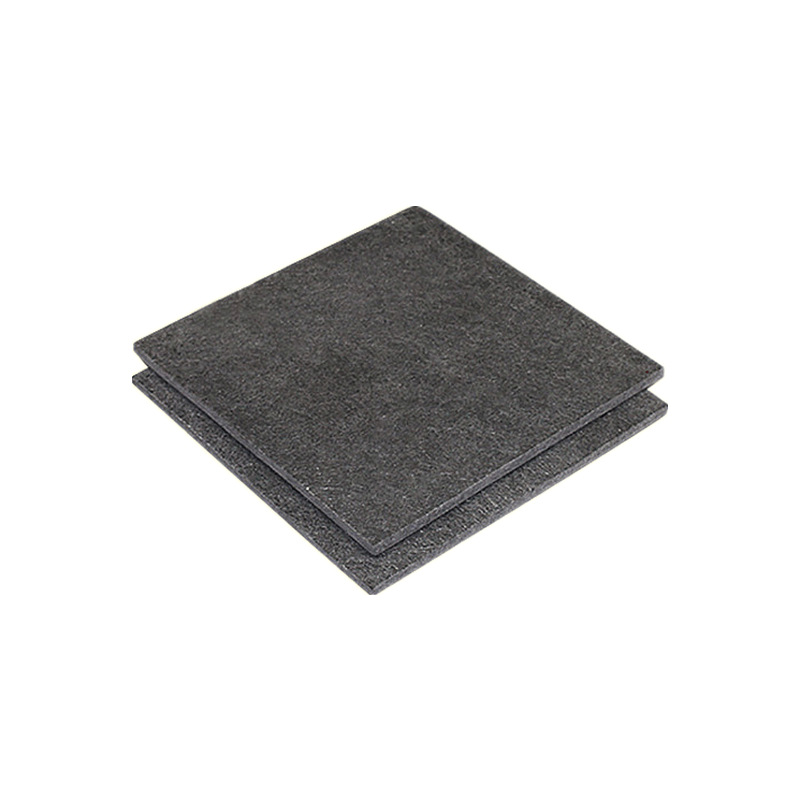
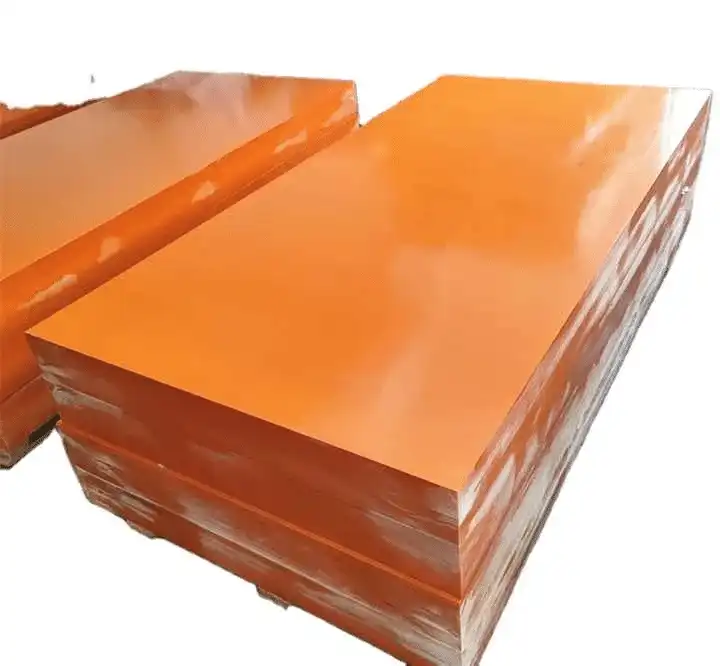
Phenolic paper board is a hard thermosetting composite laminate that is known by its precise names in industry standards as NEMA Grade X, XX, or XXX and IEC PF CP 201/202. Manufacturers make this stuff by adding phenolic resin to layers of fine kraft paper and then heating and pressing them together under a lot of pressure (about 1000 psi). This material is different from cotton or glass-based laminates because it is designed to be both cost-effective and high-performance electrical shielding. The material that was made has a density of 1.30–1.45 g/cm³, which means it is strong but not too heavy, making it ideal for precision cutting.
How Moisture Penetrates the Laminate Matrix?
The hygroscopic nature of the cellulose fibers in the paper base makes it easy for water vapor to get in, especially along edges and surfaces that have been cut. When the relative humidity goes above 65%, molecules of moisture start to fill the empty places between the resin and fiber surfaces. This process of absorption follows Fick's diffusion laws, and the rate of entry depends on the temperature, the length of contact, and how well the resin cured during production. Higher-grade versions, like NEMA XXX, have thicker resin saturation patterns that make it much harder for water to get through than normal Grade X boards.
Impact on Electrical and Mechanical Properties
The amount of moisture has a direct effect on the dielectric strength that electrical engineers use to make sure that shielding works safely. Because water molecules are polar, they make conductive paths that lower the volume resistance and raise the dissipation factor numbers. When moisture is absorbed, it softens the phenolic resin matrix. This lowers the material's bending strength from its normal level of over 135 MPa (LW) and weakens its compression strength in load-bearing situations. Tensile strength is usually 119 MPa when the material is dry, but it can drop by 15 to 20 percent when the moisture content gets close to 2 to 3 percent by weight.
Common Moisture-Related Issues in Phenolic Paper Board Applications
Physical Deformation and Dimensional Instability
Phenolic paper board breaks down quickly when they come into contact with water. The first thing that happens is that the dimensions change, which makes it hard to put together tightly toleranced parts. When water molecules push apart the paper plies, boards that aren't covered will swell perpendicular to the laminate layers. This makes the boards thicker by 0.5 to 1.5%. When moisture is absorbed unevenly across board surfaces, it leads to warping. This is especially bad for busbar supports and phase barriers, where flatness standards of ±0.3mm are needed to keep electrical gaps in high-voltage switchgear installations.
Delamination is the worst kind of physical failure. It happens when stresses caused by moisture break the link between layers of paper that are soaked with resin. This usually starts at cut edges or drilled holes where the ends of the fibers are visible, and then spreads inside during thermal cycling, when stored moisture goes through cycles of expanding and contracting. Manufacturers of transformers have reported that arc chutes delaminated after only 18 to 24 months of use in seaside sites where the humidity level regularly exceeds 80%.
Degradation of Electrical Insulation Performance
When moisture gets into the board, it makes conducting paths that go against its main purpose as an electrical insulation. In short-time tests for dry NEMA XXX grades, the dielectric strength is usually higher than 500 V/mil. But when the moisture level hits 1.5%, it can drop below 350 V/mil. In power distribution equipment, where insulation margins directly affect safety and device life, this decrease is very important.
The material's surface resistance drops rapidly as humidity rises, which lets currents track and circle along dirty surfaces. PCB makers who use phenolic backup boards during drilling operations have seen more surface flashover during electrical tests when the boards are kept in places that don't have temperature control. The dissipation factor, which is an important factor for AC applications, goes from normal levels of 0.04-0.06 to troubling levels above 0.10. This causes transformer coil insulation and motor slot liners that work at standard frequencies to get too hot.
Best Practices to Mitigate Moisture Impact on Phenolic Paper Board
Selecting Moisture-Resistant Grade Specifications
To stop harm from wetness, you should first understand the differences between grades as described in ASTM D709 and IEC 60893. NEMA XXX grades are better at resisting wetness and having a high dielectric strength than Grade X grades. This is because they have longer curing processes and more resin absorption during manufacturing, which reduces the amount of porosity that is left over. Even when the relative humidity changes from 40 to 70% during normal operation, these top types keep their performance features stable.
When choosing materials, you should think about where they will be used. When automotive part sellers ask for insulation pads for battery pack barriers, they should ask for phenolic paper board with confirmed moisture absorption rates below 1.0% when tested according to ASTM D570 procedures. When putting coil insulation in outdoor transformers, power distribution companies should only use types that have been tested and proven to work continuously at 85% relative humidity without losing performance. Moisture susceptibility is also affected by the thickness of the laminate. Laminates that are 6 mm or thicker have proportionally longer saturation timelines, which gives them more safety gaps in low humidity circumstances.
Storage and Handling Protocols for Material Integrity
Climate-controlled storage is the best way to avoid damage from moisture before installation. Keeping storage areas between 18°C and 24°C and controlling the relative humidity between 45 and 55% stops items from absorbing too much water too quickly, which can make them weak. The original package should stay closed until the materials are moved into controlled manufacturing areas. This is because polyethylene wrapping works well as a short-term vapor shield during shipping and temporary staging.
When materials have to be stored in less-than-ideal conditions, buying managers should set up rotation plans to make sure that boards are used up within 90 days of arrival. When sheets are stored vertically, there are fewer places where they can touch each other and collect wetness. Before cutting or installing, boards should be left to "acclimate" in the work area for 24 to 48 hours. This evens out the moisture content, which stops following changes in size. Using moisture-curing polyurethane or epoxy coats to seal the edges of machined parts protects the most vulnerable fiber-exposed areas in a specific area.
Installation Guidelines for Long-Term Performance
Paying attention to mounting methods and weather protection is needed to keep boards from getting wet during assembly. When mechanical fastening methods are used, they shouldn't put too much stress on the edges, where cracks can start to spread and let water in. Fixed-end setups with 2-3 mm clearance gaps can handle the small changes in size that happen when the air changes with the seasons without putting stress on the inside.
Surface treatments that are added after fitting make the product last longer in harsh conditions. Conformal coatings made from silicone or acrylic resins make finished pieces resistant to water. This is especially helpful for switchgear parts that are placed in enclosures that aren't waterproof. Manufacturers of home appliances that use epoxy motor clamps can protect the insulation frames by adding these layers before the final assembly. This keeps the performance stable in a variety of installation environments. Regular inspections should look for obvious signs of moisture damage, like color loss, surface roughening, or edge swelling. This way, problems can be fixed before they become useful.
Comparative Analysis: Phenolic Paper Board vs. Other Materials in Moisture-Heavy Environments
Performance Benchmarking Against Alternative Insulators
In uses that are subject to moisture, phenolic paper board has clear pros and cons when compared to melamine boards, MDF substrates, and glass-epoxy laminates. Melamine-faced boards are better at keeping water out of the surface because they have a thermosetting overlay, but they don't have the electrical qualities needed for high-voltage shielding that go through the whole thickness. MDF boards, which are often used in non-electrical settings, quickly absorb water, often reaching 8–12% content in damp conditions. This causes them to swell disastrously, rendering them unfit for precise electrical setups.
Glass-reinforced epoxy laminates like FR-4 are much better at resisting moisture than phenolic paper board. They keep their shape and dielectric qualities even after being exposed to high humidity for a long time. But this better performance comes at a 40–60% higher cost and makes the material harder to machine because glass threads make hot-punching more difficult and speed up tool wear during CNC operations. The chemical resistance profile is also different. For example, phenolic paper board is better for industrial machinery uses that use mineral oils and cutting fluids because it doesn't absorb water and doesn't react with organic solvents, weak acids, or alkalis.
Cost-Benefit Analysis for Industrial Applications
Life cycle cost ratios show when phenolic paper board is the best choice, even though they are vulnerable to water damage. NEMA XXX phenolic paper board meets UL 94 V-0 ratings for flame and arc tracking resistance in transformer barrier applications. They cost half as much to make as comparable glass-epoxy types. Because it's easy to machine, parts can be made 25–35% faster, which saves money on labor costs for making complex die-cut parts for motor components.
When something is permanently placed outside, maintenance issues change the situation. When buying coil insulation for distribution transformers in the power sector, procurement specialists have to weigh the lower starting cost of phenolic paper board against the cost of repair if moisture gets in. When kept safe inside generator tanks with mineral oil shields, phenolic paper board has a 20–30 year service life that is similar to higher-end options. On the other hand, glass-epoxy standards may be necessary for exposed structural uses in coastal or tropical conditions to avoid early fails and the costs of downtime that comes with them. When deciding which materials to use, you should use return on investment estimates that take into account how likely it is that something will fail, how hard it will be to find new workers, and how unplanned outages will affect operations.
Procurement Guidance for Moisture-Resistant Phenolic Paper Board
Evaluating Supplier Quality Systems and Certifications
To do effective procurement, you need to choose makers with strong quality certifications and output standards that can be checked. As a general rule, ISO 9001 certification means that the process is controlled, and ISO 14001 certification means that chemicals are handled safely during resin impregnation activities. When buying electrical parts, people should look for suppliers that are recognized by UL for certain grade labels. This way, buyers can be sure that the materials meet the standards for flame resistance and electrical strength without having to go through extra testing.
Production consistency directly impacts moisture performance. Suppliers who use automatic resin impregnation systems with closed-loop viscosity tracking have better control over the uniformity of the resin content, which is a key factor in determining how well the material lets water pass through. Procurement teams can figure out how mature a manufacturing process is by asking for process capability data (Cpk values) for important factors such as water absorption rates and thickness limit (±0.1mm for precision uses). Reports from third parties that confirm compliance with ASTM D709 mechanical properties and IEC 60893-3-1 electrical characteristics are concrete proof of material quality that goes beyond what the seller says.
Sample Validation and Pre-Production Testing
Before agreeing to large orders, engineering managers should ask for example samples to be sent for testing that is specific to the application. Conditioning samples at 95% relative humidity for 96 hours and then recording changes in size and dielectric strength gives a more accurate picture of how sensitive they are to moisture in real life than datasheet specs. By checking the flexural strength and delamination resistance of samples that have been exposed to wetness, you can find materials that can be used for load-bearing tasks in damp places.
Custom sizing requirements demand clear communication regarding thickness tolerances, surface finish specifications, and edge preparation standards. When CNC machines are used to make precision gears and test tools, it's best to ask for materials that have already been dried to 0.3% to 0.5% moisture content. This keeps post-machining dimensional shift to a minimum. When you order in bulk, you should know that wait times for specialty grades can last up to eight weeks. Standard NEMA X and XX variants, on the other hand, usually ship within two to three weeks from reputable wholesalers.
Logistics Considerations for Moisture-Sensitive Materials
Planning for transportation and shipping is a very important part of keeping things in good shape. Choosing containerized shipping with desiccant packs saves things while they're being shipped overseas, especially when going through wet port facilities. Managers in the automotive supply chain who are in charge of just-in-time deliveries should make sure that their transportation partners keep climate-controlled warehouses at distribution hubs. This will keep goods from absorbing wetness while they are being stored between production and delivery. When you work directly with providers who run integrated transport networks, you cut down on handling changes where environmental controls might be lost.
Conclusion
Keeping moisture under control is very important for using phenolic paper board in tough electrical and industrial settings. When choosing materials, it's important to make sure that the grade requirements match the climate they will be exposed to. This means weighing the cost benefits of phenolic paper board against the better resistance to moisture of glass-epoxy options. When stored properly, treated with protective coatings, and bought with knowledge, these cheap insulation materials can work reliably for a long time, even in wet conditions that are hard to handle. By following the validation testing, supplier qualification, and installation best practices in this guide, engineering managers and procurement specialists can confidently specify phenolic paper board in situations where its unique mix of electrical properties, ease of machining, and low cost makes it the best choice.
FAQ
Can phenolic paper board be used in outdoor high-humidity environments?
Standard phenolic paper board grades should not be left out in the sun without any protection. When boards aren't protected from moisture, they lose their shape and their dielectric properties get worse. NEMA XXX grades with edge seals and conformal coatings can handle fairly humid indoor settings (up to 75% RH), but glass-epoxy laminates are still the best choice for long-term outdoor installations where moisture protection can't be guaranteed.
What is the typical moisture absorption rate for phenolic laminates?
Quality NEMA XXX phenolic paper board absorbs between 0.8% and 1.2% of its weight in water after 24 hours, according to ASTM D570 testing guidelines. Under the same situations, standard NEMA X grades may be able to take 1.5% to 2.5%. These values mean that boards with short-term increases in humidity during normal indoor service don't suffer much in terms of performance. However, long-term exposure to above 80% relative humidity can push absorption beyond these ranges, leading to changes in properties that can be measured.
How can buyers test moisture resistance before large purchases?
Purchasing teams should ask for samples that have already been checked out and then do rapid age tests that mimic how the product will be used. Samples can be accurately predicted by putting them in a room with 85% relative humidity and a high temperature (50°C) for 168 hours and then checking their dielectric strength retention and physical stability. By comparing the results to measures taken in a dry state at the start, we can figure out how sensitive the material is to wetness. This lets us choose materials based on data, which lowers the long-term risk.
Partner with J&Q for Reliable Phenolic Paper Board Supply
It has been more than twenty years since J&Q has been making high-quality phenolic paper board products that meet the strict needs of electrical, industrial, and automobile uses. Our technical team knows how important it is for insulation materials to be resistant to wetness. That's why we have strict production controls that make sure all grade standards have the same amount of resin saturation and few holes. We have been in foreign trade for more than ten years and have built strong relationships with procurement teams around the world. We send NEMA and IEC-compliant laminates on time and as promised. Our combined transportation services make it easy to coordinate everything from production to delivery, getting rid of the problems in the supply chain that often lower the quality of materials. If an engineering manager is looking for a reliable phenolic paper board provider, they can email our team at info@jhd-material.com to get technical datasheets, samples that are made for specific uses, and competitive volume prices. For the success of your project, we offer quick technical help, a range of customization options, and consistent manufacturing, which is why J&Q is a trusted partner in important insulation uses.
References
ASTM International. (2020). ASTM D709-20: Standard Specification for Laminated Thermosetting Materials. West Conshohocken: ASTM International Standards Organization.
National Electrical Manufacturers Association. (2019). NEMA LI 1-1998 (R2019): Industrial Laminated Thermosetting Products. Rosslyn: NEMA Standards Publication.
International Electrotechnical Commission. (2021). IEC 60893-3-1:2021 - Insulating Materials - Industrial Rigid Laminated Sheets Based on Thermosetting Resins for Electrical Purposes - Part 3-1: Specifications for Individual Materials. Geneva: IEC Central Office.
Harper, C.A. (2018). Electronic Materials and Processes Handbook, Fourth Edition. New York: McGraw-Hill Education Professional.
Tanaka, T., & Greenwood, A. (2017). Advanced Power Cable Technology: Present and Future Perspectives. Boca Raton: CRC Press Technical Publications.
Shugg, W.T. (2016). Handbook of Electrical and Electronic Insulating Materials, Third Edition. Piscataway: IEEE Press Standards Collection.