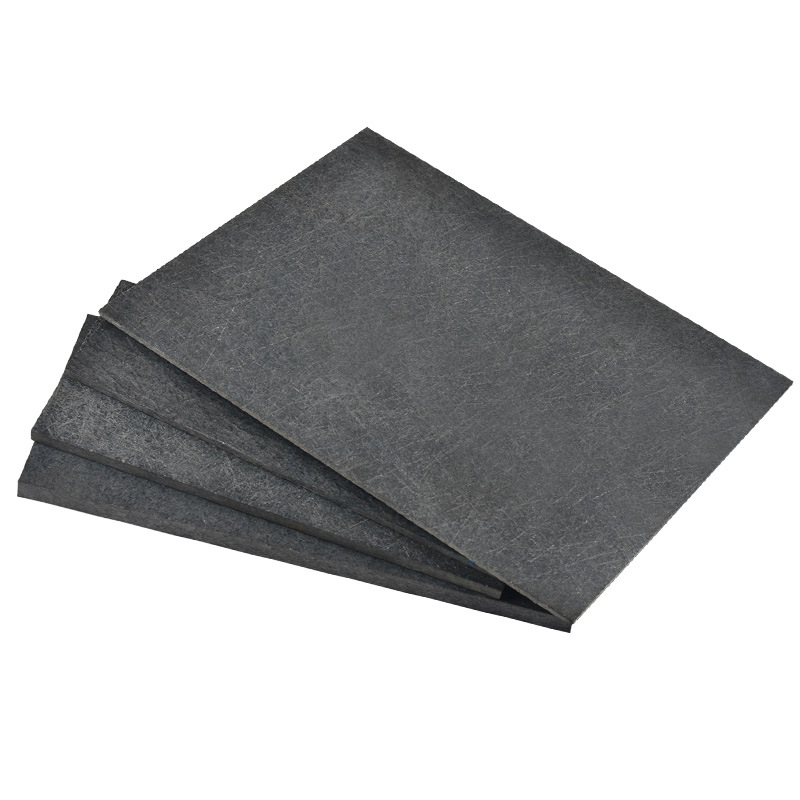
Phenolic Paper Board: Moisture Resistance Tips
2026-06-17 17:28:24
When working with phenolic paper board in places with a lot of humidity, controlling the wetness becomes very important for both long-term dependability and early failure. This hybrid laminate is made of phenolic resin-impregnated kraft paper layers. It has great electrical insulation and mechanical performance, but the paper-based foundation needs to be kept dry at all times. Knowing how the climate impacts this material helps engineers make sure it lasts as long as possible while keeping its dielectric strength and dimensional stability, which are important for uses in electrical, automobile, and industrial settings. We've seen a huge number of projects where using the right methods for moisture resistance turned average material performance into excellent performance.
Understanding Moisture Resistance in Phenolic Paper Board
The production method and resin chemistry of phenolic paper board are the primary causes of its dampness resistance. During production, phenolic glue is mixed with layers of kraft paper, and then the layers are pressed together at high temperatures and pressures of about 1000 psi. This thermosetting process makes a thick structure that surrounds the paper fibers and keeps them from coming into contact with moisture in the air.
Resin Content and Grade Classification
The NEMA grade numbers directly relate to how well they fight wetness. Grade X has the least amount of resin, which makes it cheaper but more likely to absorb water. Grade XX is the electrical grade with average security, and Grade XXX has better moisture resistance because it has the most resin saturation. The IEC standards PF CP 201 and 202 offer similar ways to group things into categories. From working with transformer makers, we know that Grade XXX boards keep their dielectric strength above 500 V/mil even after being exposed to dampness, which would weaken lower grades.
Impact of Moisture on Material Performance
Paper-based laminates break down in a number of ways when they absorb water. When kraft paper is exposed to moisture, the fibers swell in different ways. This creates internal stresses that show up as twisting or delamination. In electrical uses, water molecules work as conductors, which lowers the dielectric strength and raises the leakage currents. Also, the mechanical traits get worse. For example, flexural strength can drop by 15 to 20 percent in wet conditions compared to samples that have been conditioned. We tried boards in a range of humidity levels and found that raw materials quickly absorb moisture in the first 48 hours of contact.
Industrial Applications Demanding Moisture Control
Installing high-voltage switches may be the most difficult place for phenolic laminates to deal with moisture. Even though there is a chance of temperature cycling and condensation, arc chutes and phase barriers must keep their insulation qualities. When drilling PCBs, you need backup boards that don't change size during production runs. This keeps the drill bit from deflecting because the material is growing. Power distribution transformers that work in coastal or tropical areas need grades that don't absorb water to keep tracking failures from happening across coil insulation barriers.
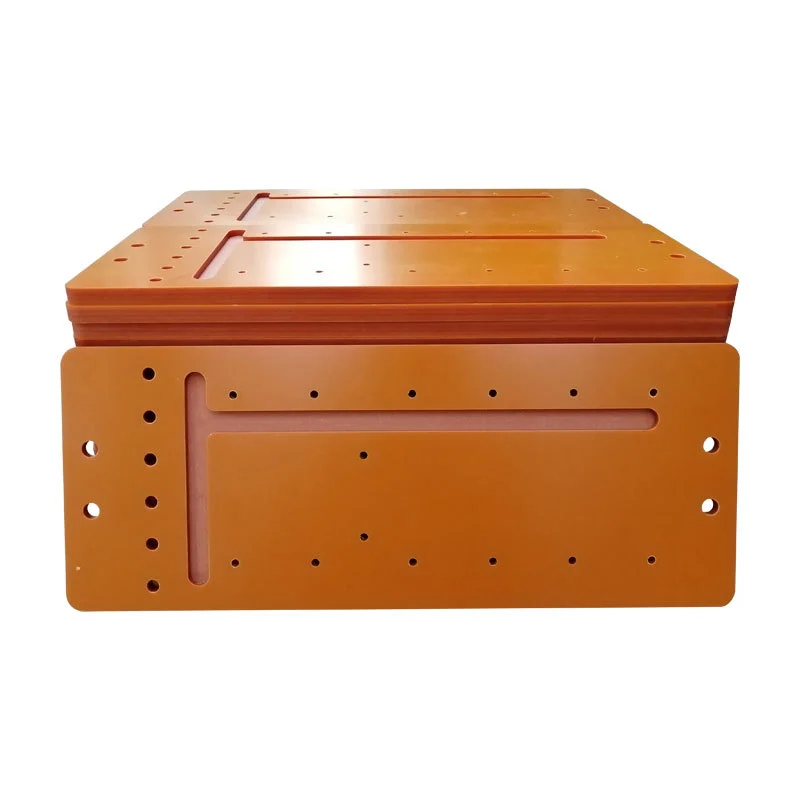
Causes of Moisture Penetration and Common Challenges
Environmental factors cause long-lasting moisture problems that affect the whole lifespan of a material. Changes in relative humidity cause cycles of absorption and release, which wears down the resin-paper contact over time. Changes in temperature speed up this process because warm, wet air that is sucked into the material condenses when the temperature drops, bringing liquid water straight into the laminate structure.
Manufacturing Variables Affecting Resistance
Inconsistencies in how the resin cures during production create weak spots in phenolic paper board. When there isn't enough cure, unreacted glue parts stay hygroscopic, and when there isn't enough cure in one area, paper strands are directly exposed to the environment. Defects in the laminate, like air holes that get stuck or resin that doesn't completely wet out, let water in. To keep these factors to a minimum, good makers use strict process controls to keep an eye on cure temperatures, press pressures, and post-cure conditioning.
Early Detection Methods
A close look shows that there is advanced moisture damage, as shown by surface blisters, edge swelling, or delamination at cut edges. Discoloration usually shows up as dark spots where water has gathered. For more advanced monitoring, moisture meters that use dielectric measurement are used. Putting probes into holes that have been drilled gives precise data on the amount of moisture present. Another way to be sure is to measure the weight gain of samples that were stored in wet conditions and samples that were stored at room temperature. If you find moisture entry early, you can fix the problem before it leads to electrical or mechanical failure.
Field Challenges in Demanding Sectors
When used in automotive battery packs, phenolic insulation pads can leak water and form condensation when the temperature changes. Installations in deep vaults for the power sector have to deal with groundwater seepage and bad air flow. Corrosive fumes can damage surface coats on industrial equipment that works in chemical processing plants. Instead of using generic material specs, each setting needs its own unique methods for protecting against moisture based on real-life exposure situations.
Proven Moisture Resistance Enhancement Techniques
Choosing the right materials is the first step in managing wetness well. Matching the grade and thickness to the real working conditions keeps costs down and makes sure there is enough safety. Diffusion theory explains the link between material thickness and moisture penetration: thicker parts provide longer pathways and more ability to absorb short-term changes in humidity.
Grade Selection Strategies
NEMA XX grade material usually works well in situations where it is exposed to occasional humidity, striking a good balance between cost and safety. Continuously high-humidity areas need Grade XXX, especially when electricity safety can't be ignored. For outdoor equipment, we usually tell switchgear makers to use XXX grade, but X grade may work for indoor motor parts if the right weather controls are in place. The difference in resin content leads to lower water absorption rates in ASTM D570 tests, usually less than 1.3% for thick XXX grade parts compared to 2–3% for X grade.
Surface Treatment Innovations
Modern surface layers make moisture barriers work a lot better without changing the qualities of the core material. When epoxy-based seals are used on cut edges, they stop spreading along the layers of paper that are showing. Silicone conformal coats make surfaces that don't absorb water, so they shed condensation instead. Some companies now make treatments that are applied in the plant and cure along with the laminate. These treatments stick better than goods that are applied in the field. These processes are especially helpful for made parts with complicated shapes, where edge sealing would normally have to be done by hand, which would take a lot of work.
Handling and Storage Protocols
Because paper-based laminates absorb water, they need to be stored in a controlled environment from the time they are received until they are installed. Keeping storage places below 50% relative humidity stops changes in size that could affect the accuracy of machine work. Material should stay wrapped until it is time to use it, so it doesn't have to be exposed to air for too long. Large sheets don't get warped by gravity when they are stored flat. Controlling humidity is important, but keeping the temperature stable is even more important. In buildings that aren't heated, thermal cycling moves the wetness around in the laminate structure.
The way something is installed has a big effect on how well it resists moisture over time. Metal gear won't let water through if the fixing holes are sealed with the right seals or sealants. By avoiding compression stress concentrations, the chance of resin breaking, which opens up new paths for moisture, is lower. We suggest letting made parts re-equilibrate in controlled conditions for 24 to 48 hours before putting them together for the last time. This will make sure that the dimensions stay the same when they are used.
Comparative Analysis: Phenolic Paper Board vs Other Materials in Moisture Resistance
When choosing a material, it's important to look at its full range of ability, not just how well it resists water. Phenolic paper board fills a unique need where cost-effectiveness, electrical protection, and the ability to be machined all come together.
Epoxy Glass Laminates (FR-4)
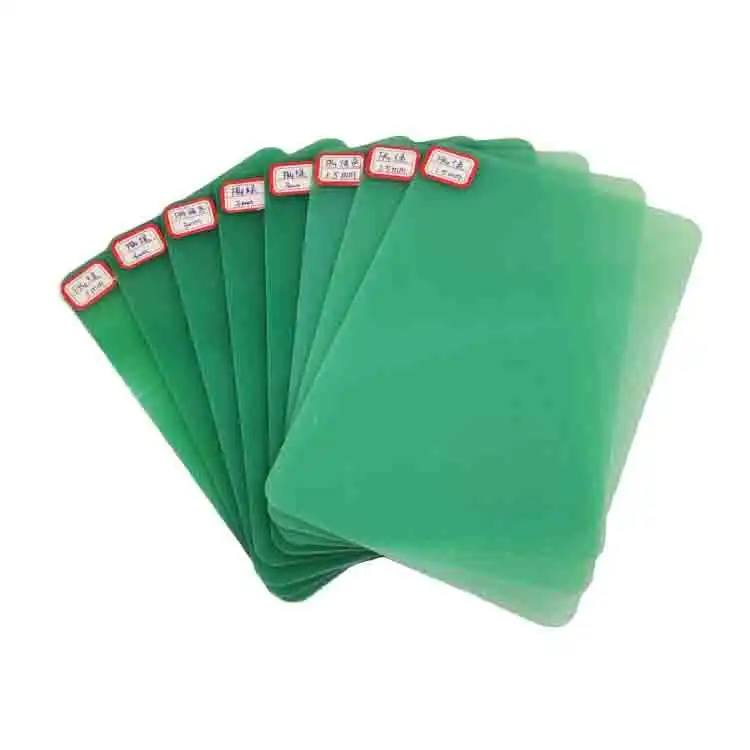
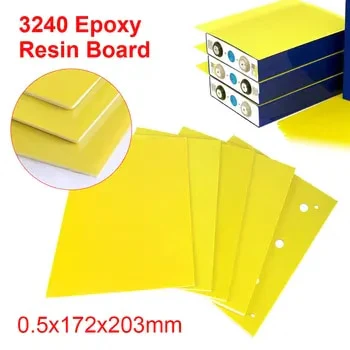
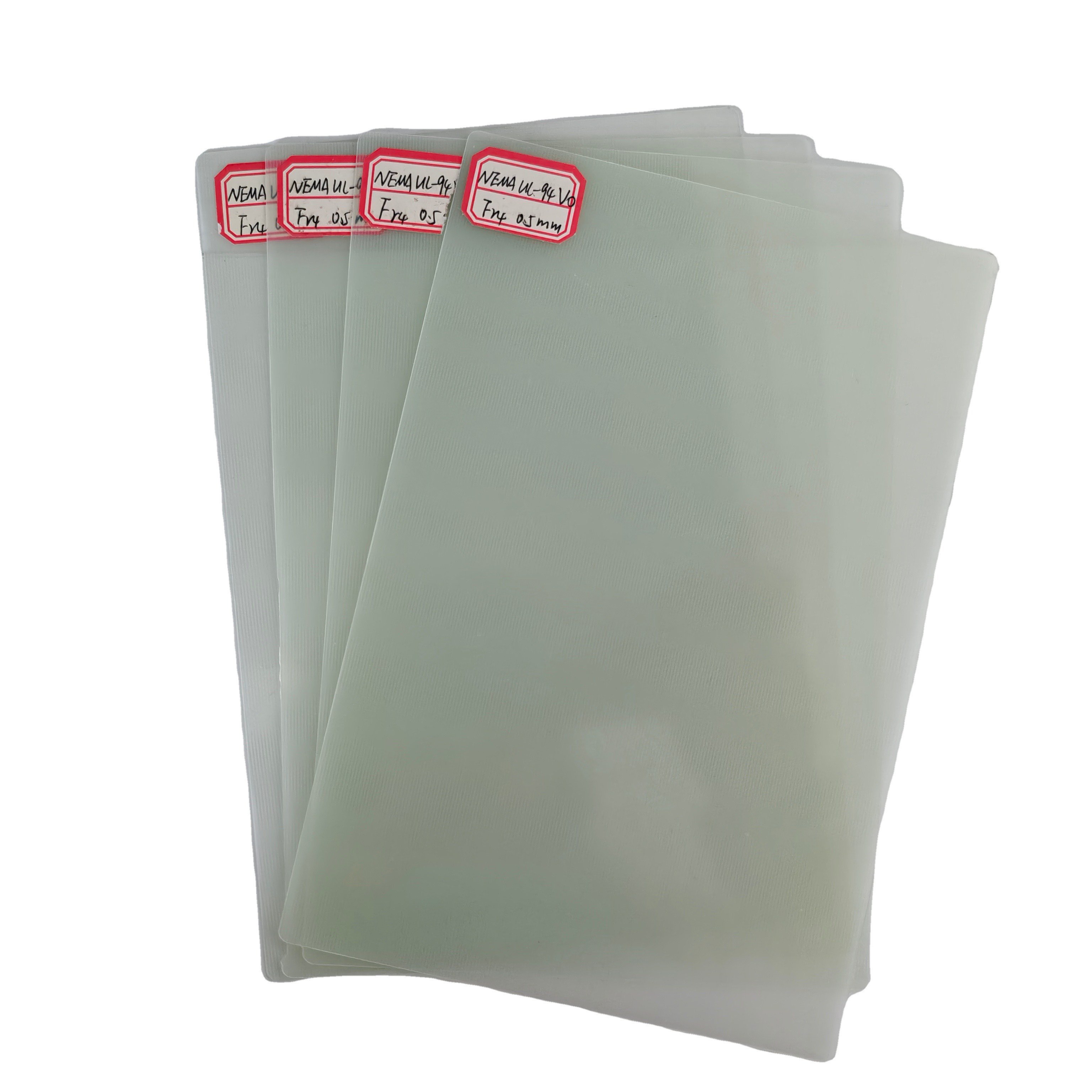
Because their glass fiber support doesn't absorb water, epoxy glass composites are better at keeping water out. FR-4 keeps its mechanical properties over a wider range of humidity levels and can handle higher constant working temperatures (155°C vs. 120°C for phenolic). But because of this ability, the price is usually 40–60% higher than for similar phenolic types. To machine FR-4, you need carbide tools and make gritty dust, which raises the cost of production. Applications that need structural strength in wet conditions are worth the expense, and electrical insulation needs that are sensitive to cost often work well with properly defined phenolic grades.
Melamine and Decorative Laminates
Melamine-based boards have a very hard surface and a variety of looks, but they don't insulate electricity as well as phenolic materials do. While moisture protection is good enough for furniture and building materials, it's not good enough for electrical parts where dielectric strength is important. The chemistry of the resins is very different. Melamine is better at resisting stains but not as strong when loaded.
Traditional Wood Products
While plywood and MDF are cheaper options for structural uses, they can't compare to phenolic when it comes to performance in wet electrical settings. When the humidity changes, wood goods swell a lot, losing the support that is needed for precise structures. They do not act as electrical protection and help burning happen instead of stopping it. Phenolic materials are more expensive at first, but they don't fail as easily as wood does, which makes them perfect for any electrical application.
Procurement Tips: Choosing and Buying Moisture Resistant Phenolic Paper Board
To find trusted providers of materials, you have to look at more than just price quotes. Quality certificates are a good start, but a more in-depth look shows what the real production skills are when working with phenolic paper board.
Certification and Testing Verification
UL registration shows that electricity safety standards are met, while ISO 9001 certification shows that quality management is organized. Ask for test results that show how much water the material absorbs according to ASTM D570, how much it breaks down electrically according to ASTM D149, and how stable it is in terms of its shape according to the manufacturer's instructions. Suppliers with a good reputation give batch-specific paperwork instead of general datasheet values. We keep detailed records of all the tests that are done during production runs. This way, buyers can connect the properties of materials to specific times when they were made.
Supplier Evaluation Criteria
The closeness of two locations affects wait times and freight prices, but the ability to manufacture is more important than location alone. Suppliers who use specialized laminating presses with exact temperature and pressure control make more consistent materials than those who outsource production. Where you get your resin affects the security of your supply over the long term. Suppliers who mix their own resin formulations offer better batch-to-batch accuracy than those who buy generic resins. Ask about production ability during times of high demand to avoid not having enough materials when you need them the most.
Customization and Technical Support
Standard sheet sizes lower costs because they allow for economies of scale in production, but custom measurements get rid of waste in high-volume uses. Precision parts don't have problems fitting because the thickness tolerances are tighter than the industry standard (±0.05mm vs. normal ±0.1mm). Some providers offer parts that have already been machined or CNC services that make sure the dimensions are correct and make your supply chain easier. Technical help is what sets good providers apart from order-takers. Being able to talk to applications experts who understand your unique moisture problems adds value beyond the material itself.
Sample Testing and Validation
Before making a production commitment, samples should be carefully tested in real-world working circumstances. To check for uniformity, ask for samples from more than one production run. Samples that are aged faster in humid conditions—24 hours at 95% RH and 50°C—show moisture sensitivity more accurately than samples that are left in the air. Before and after training, check for changes in size, weight gain, and electrical qualities. This spending keeps qualification fails from being expensive after big orders have been placed.
Conclusion
Managing moisture resistance in phenolic paper board uses means knowing the basics of the material, being aware of the challenges that come from the surroundings, and using tried-and-true protection methods. Choosing the right grade based on how much humidity it will be exposed to is the first step. Then, the right surface processes and strict handling rules build on that. Comparing phenolic laminates to other materials makes it clear when they are the best choice and when other options are better for the job. For procurement to go well, relationships with suppliers must put quality certification, consistent manufacturing, and technical teamwork at the top of their list of priorities. The small amount of money spent on making sure the right materials are used and that suppliers are qualified saves a lot of money in the long run when moisture-sensitive uses fail early.
FAQ
How long does moisture resistance last in phenolic paper board?
How long a material lasts varies a lot on the type you choose and how it is used. In controlled factory settings, Grade XXX boards keep their traits for decades, but Grade X materials may break down in just a few months in places with a lot of humidity. Edges that are sealed and coated with protection materials make things last a lot longer. By checking on a regular basis for early signs of moisture damage, you can fix the problem before it gets really bad.
Can phenolic paper board withstand outdoor or high-humidity applications?
Grade XXX phenolic laminates work well in outdoor setups that need to be kept safe, like switchgear that is sealed or terminal blocks that are covered. No matter the grade, continuous direct weather contact is too much for the material. Up to 85% relative humidity (RH) can be handled indoors with XXX grade material and proper edge closing. For uses that involve submerging in water or lowering the humidity, different materials are needed, such as epoxy glass laminates.
What maintenance preserves moisture resistance performance?
Inspections done on a regular basis find wetness entry before it causes major problems. Look for changes in the size or color of the surface, swollen edges, or other signs of absorption. Environmental controls should be kept within the limits set by the designer. Dehumidification in enclosed areas stops long-term exposure. To stop moisture from wicking away, fix broken protective layers right away. In important uses, replacing materials at regular intervals based on how much they are exposed to it keeps them from breaking down without warning.
Partner with J&Q for Superior Phenolic Paper Board Solutions
J&Q has been making high-quality electrical insulation materials for more than twenty years and has also been trading internationally for more than ten years, helping difficult industrial uses all over the world. Our different types of phenolic paper board meet the strict standards for moisture protection in the power, automotive, and electronics industries. As a well-known company that supplies phenolic paper board, we have strict quality control measures in place, such as batch tracking, performance testing, and licensing paperwork that you can use to feel confident in your purchases.
Our integrated logistics skills make sure that delivery dates are met without having to deal with the hassles of working with many providers. We can change the size and width of the sheets to fit your needs, so you can get the best material for your moisture problems. Email our applications team at info@jhd-material.com to get expert advice, examples of the material, and cheap quotes. We give you the testing data and technical help that turns guesswork into engineering certainty when it comes to choosing materials. Our manufacturing stability protects your production plans and the reliability of your products.
References
National Electrical Manufacturers Association. "Industrial Laminating Thermosetting Products: NEMA Standards Publication LI 1-2016." National Electrical Manufacturers Association, 2016.
ASTM International. "ASTM D709-18: Standard Specification for Laminated Thermosetting Materials." ASTM International, West Conshohocken, PA, 2018.
International Electrotechnical Commission. "IEC 60893-2: Insulating Materials – Industrial Rigid Laminated Sheets Based on Thermosetting Resins for Electrical Purposes – Part 2: Methods of Test." IEC, Geneva, Switzerland, 2017.
Harper, Charles A. "Handbook of Plastics, Elastomers, and Composites." McGraw-Hill Education, 5th Edition, 2002.
Tanaka, Toshikatsu and Greenwood, Allan. "Advanced Power Cable Technology: Present and Future." CRC Press, 2017.
Slade, Paul G. "Electrical Contacts: Principles and Applications, Second Edition." CRC Press, Taylor & Francis Group, 2013.
_1753951194967.jpg)