Why Does FR4 Board Delaminate During CNC Machining?
2026-06-17 17:28:22
When the layered composite structure splits during CNC cutting, FR4 board delamination happens. This affects both the mechanical and electrical performance. This annoying flaw has four main causes: too much mechanical stress from bad tools or aggressive cutting parameters; thermal degradation from friction and not enough cooling; inconsistent material quality from bad resin impregnation; and moisture absorption that makes interlayer bonding weaker. By knowing these underlying reasons, engineering managers and buying teams can create focused prevention plans that will ensure reliable production results and lower the amount of expensive scrap that is produced.
Understanding FR4 Board and Its Characteristics
Composition and Material Structure
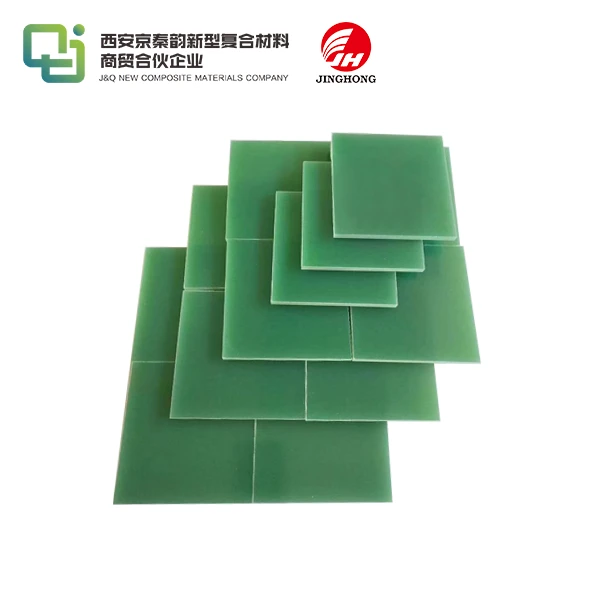
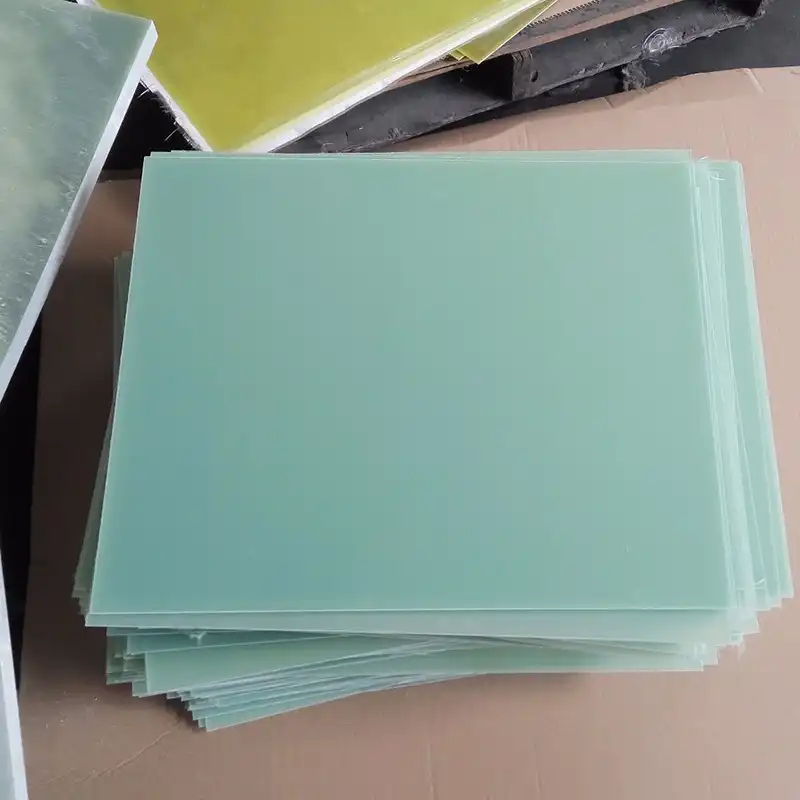
Woven fiberglass cloth is mixed with a thermosetting epoxy resin glue that is heated and put under a lot of pressure to make the FR4 board. This mixed design makes a layered structure where the continuous filament glass gives it strength and the epoxy matrix keeps the layers together and keeps electricity from flowing through them. 'FR' means the material is flame-retardant and meets UL94 V-0 standards. This means it goes out on its own within 10 seconds of being removed from a fire source.
Key Technical Parameters
The properties of a material have a direct effect on how it works during cutting and in use. The density is between 1.85 and 2.10 g/cm³, which means it is strong without being too heavy. In the long direction, the flexural strength is more than 340 MPa, and the impact strength is about 250 J/m. In terms of electricity, the breakdown voltage is higher than 40 to 50 kV parallel to the layers, and the dielectric constant stays between 4.4 and 4.8 at 1MHz. Water uptake stays very low, below 0.1%, so changes in dimensions caused by moisture don't happen, which stops delamination.
Advantages Over Alternative Substrates
Because they are more cost-effective than specialized materials, FR4 boards are used to make most devices. While CEM-1 and CEM-3 composites are cheaper, they don't have as much dynamic strength or heat performance. Rogers high-frequency laminates have great electrical qualities for RF uses, but they are much more expensive and hard to machine. Aluminum-based surfaces are great at getting rid of heat, but they need special cutting tools. For most uses, the glass epoxy choice is the best mix, which is why it is widely used in electrical switchgear, motor parts, PCB substrates, and test fixtures.
Why Does FR4 Board Delaminate During CNC Machining?
Mechanical Stress and Tool Selection
When cutting tools aren't chosen correctly, they create too much mechanical force that pulls FR4 board layers apart. When cutting edges are dull, they crush material fibers instead of cleanly shearing them. This does damage below the surface that shows up as delamination after grinding. High-speed steel tools lose their sharpness faster than carbide tools made for rough materials, but many makers still use the wrong tools to save money up front. When there isn't enough support under the workpieces, the material can bend during drilling, putting the most stress on the layer surfaces where bonding is weaker.
Thermal Degradation During Processing
We've looked at failed parts from a number of different factories and have always found signs of mechanical overload. Point angles that are too small on drill bits push material downward instead of cutting neatly, which is especially bad when coming out of the bottom surface. Feed rates that are higher than what the material can handle create heat while also destroying it. When router bits don't have the right flute shape, they catch chips, which raises the temperature and friction and puts cyclical stress on the laminate structure.
Material Quality Inconsistencies
During CNC processes, heat is created, which is very bad for the stability of epoxy resin. Standard formulas have a glass transition temperature between 130°C and 180°C. These are temps that are easily surpassed when aggressive machining is used. When the temperature goes up, the epoxy matrix gets softer. This makes the bonds between layers weaker and lets mechanical forces separate the layers. Continuous drilling without enough cooling cycles builds up thermal energy faster than the material can lose it. This is especially true in layered structures where the internal layers don't have direct ways for heat to escape.
Moisture Absorption and Environmental Factors
When cutting tools rub against glass threads, they create sparks that can reach 200°C or higher. At these temperatures, epoxy glue starts to break down, losing its ability to hold together and releasing volatile chemicals. When manufacturers are only concerned with making things faster and more efficiently, they often exceed the safe temperature limits for spinning speeds and feed rates, putting cycle time ahead of protecting the material. This problem is made worse when coolants aren't used properly or when there are no cooling systems at all, leaving heat with nowhere to go but into the plastic structure.
How to Prevent FR4 Board Delamination During CNC Machining
Optimizing CNC Parameters and Tooling
Preventing FR4 board problems starts with making sure that the cutting settings are perfectly set up and match the properties of the material. Spindle speeds between 20,000 and 40,000 RPM and feed rates between 50 and 150 mm/min keep heat and mechanical stress to a minimum. These amounts need to be changed for different jobs because they depend on the tool's width, the thickness of the material, and the number of layers. Using climb milling instead of regular milling lowers the risk of delamination because the cutting forces go down into the material instead of pulling the layers apart.
Choosing the right cutting tools is just as important. Carbide drill bits with point angles of 130° and special shapes made for composite materials make holes that are cleaner and cause less damage to the ground below. When working with rough glass fibers, diamond-coated tools last longer and keep their sharp cutting tips over longer production runs. Compression cutters with flutes that face opposite directions push both the top and bottom sides of the material toward the middle, which almost completely stops edges from delaminating during profile cutting.
Here are some tried-and-true ways to improve cutting parameters:
• Tool Selection and Maintenance: Carbide end mills with two or three flutes combine chip removal with cutting edge strength. Sharp tools cut with less force and produce less heat, which directly lowers the risk of delamination. Setting up programs to track tool life makes sure that they are replaced before their performance starts to suffer, which could affect quality. Diamond-coated bits are worth the extra money because they last longer between services and work the same way through thousands of holes.
• Cooling and Chip Evacuation: Compressed air aimed at the cutting area gets rid of heat and chips before they get in the way of the cutting action. Mist coolant systems help control temperatures better than flood coolant systems do without the problems of moisture contamination. When you vacuum chip remove, you keep trash from building up, which would otherwise make friction and temperature rise. These systems work together to keep the safe working temperatures steady during machining processes.
• Workpiece Support and Fixturing: Back-up boards under workpieces keep material that isn't supported from bending during drilling exit. Using vacuum tables or motorized clamps spreads the binding forces evenly across the laminate surfaces, which keeps stress from building up in one place. Entry and exit material sacrificial layers take the force of the cutting, keeping the part itself from delaminating at the edges. When you use the right fixtures, cutting goes from being an unsafe process that can damage things to one that can be managed and repeated.
These thorough controls treat the reasons of problems in a planned way instead of just fixing the symptoms. Manufacturing teams that use these methods report a failure rate drop of more than 80% compared to standard operations that use default settings and general-purpose tools.
Material Handling and Preparation
Good handling of materials starts a long time before any cutting is done. Keeping things stored in climate-controlled spaces with relative humidity below 60% stops them from absorbing water, which would weaken the structure. Sealed packaging should stay sealed until right before it is used, so it doesn't get exposed to the world. Pre-drying at 105–125°C for two to four hours gets rid of any moisture that has built up in materials that have been stored for more than six months. This does not damage the epoxy matrix.
Sourcing from Qualified Suppliers
A pre-machining check finds possible quality problems before the money is spent on production. A visual inspection shows any flaws, contamination, or damage on the surface that happened during shipping and handling. Taking measurements of width in more than one place makes sure that standards are being followed, since differences show that the manufacturing wasn't done correctly. By putting the material on a flat surface to check for warpage, you can find the pieces that need to be fixed. These simple quality guards keep bad materials from getting into the production process, where they would cause waste and downtime.
Comparing FR4 Boards: Impact on Machining and Performance
Material Grade Variations
There are different types of FR4 boards that are best for different uses and performance needs. Standard formulas have the right mix of general-purpose electrical and mechanical qualities and low prices, making them good for both household gadgets and industrial controls. High-temperature versions keep their mechanical strength and shape stability above 180°C, which is important for uses in power generation equipment and under-the-hood parts of cars. Low-loss grades keep dielectric losses to a minimum at radio frequencies, which helps radar systems and transmission equipment.
Alternative Substrate Comparison
Each grade difference changes the machinability properties. Standard formulas are easy to machine with standard carbide tools and mild settings. High-temperature materials have thermally stable resin systems that make them harder. This means that they need more harsh tools and may require slower working speeds. Different low-loss versions often have different resin formulas that may react to heat in cutting in different ways. Knowing the features that are unique to each grade helps production teams set the settings correctly.
Aluminum-based PCBs are great at managing heat because the metal core heat spreads it out. However, cutting needs special carbide or diamond tools because the metal and insulator have to be machined together. Rogers hydrocarbon ceramic laminates have better high-frequency performance, but they are much more expensive and are hard to machine because the ceramic fills are so fragile. Polyimide composites can continuously withstand temperatures above 200°C, but their uses are limited to aircraft and military systems because the materials are expensive and they need to be processed in a certain way.
Procuring Quality FR4 Boards: What B2B Buyers Should Know
Certification and Compliance Requirements
What B2B buyers should know about getting good FR4 boards begins with certification. For safety-critical uses, electrical and electronics makers need materials that meet UL94 V-0 flammability standards. RoHS compliance makes sure that restricted chemicals stay below the limits set by regulations. This is required for goods sold in Europe and is becoming more and more important around the world. REACH registration shows that chemical substances have been evaluated, which addresses health and environmental issues throughout the lifecycle of a product. These licenses are basic needs, not extras that can be chosen.
Supplier Evaluation Criteria
Quality-focused providers go above and beyond basic compliance by giving thorough material test results that list electrical properties like dielectric breakdown voltage, volume resistivity, and comparative tracking index. Flexural strength, impact resistance, and tensile qualities have all been confirmed by mechanical tests. The glass transition temperature, the rate of thermal expansion, and the stability of the material's shape at high temperatures are all parts of thermal classification. With this detailed paperwork, engineering teams can make sure that the materials are right before starting mass production.
A supplier's production capacity shows how well they can keep up with rising demand and handle urgent orders when they come up out of the blue. Manufacturers with various production lines and enough raw materials on hand are better able to handle supply problems than those with only one line going at full capacity. Shipping prices and lead times are affected by how close two companies are to each other, but quality and dependability are more important than location when making strategic relationships.
Strategic Inventory Management
The ability to provide technical help is what sets exceptional providers apart from average ones. Quick and helpful technical help can solve machine problems, suggest changes to parameters, and find the best material grades for different uses. Suppliers who offer custom thickness choices, unique resin formulas, or material certifications in addition to their standard products show that they care about their customers' success. Long-term relationships with these kinds of sellers lower the risk of buying things and allow for efforts to keep getting better.
Volume buying deals get you better prices and make sure you can get materials even when the market changes. By negotiating yearly contracts with set delivery dates, you can balance the costs of keeping inventory with the benefits of big discounts. Because lead times can change and demand is hard to predict, safety stock levels should be kept at a level that covers 30 to 60 days of consumption. Just-in-time inventory methods cut down on the need for storage space, but they require providers to be very stable and have a track record of on-time delivery.
Conclusion
Mechanical stress, temperature decay, moisture effects, and differences in material quality can all cause delamination during CNC machining, which makes the FR4 board less reliable. To avoid this expensive flaw, you need to use a combination of methods that include optimized machining settings, correct material handling, and smart partnerships with suppliers. When engineering managers and procurement workers look at suppliers, they shouldn't just look at price; they should also look at certifications, production skills, and technical support. Understanding the unique properties of each grade, choosing the right tools, and keeping the surroundings under control while storing and preparing materials are all ways to keep their integrity throughout the manufacturing process. These strategies, which are based on facts, help makers get consistent quality, lower the amount of scrap, and make products more reliable in electrical, industrial, automobile, and home appliance uses.
FAQ
Why are multilayer boards more susceptible to delamination?
Compared to single- or double-sided laminates, multilayer designs have more layer surfaces where bonding can go wrong. Internal layers don't have clear ways for heat to escape, so heat builds up during drilling. Changing the pressure during lamination can sometimes make the connection between the layers inside less strong, which isn't seen until the FR4 boards are stressed during cutting.
Can upgraded material grades eliminate delamination risks?
High-performance versions lower the chance of delamination, but they can't totally get rid of it. Better resin systems can handle higher temperatures and have better mechanical qualities, which makes the safe machining parameter openings bigger. But even high-quality materials can delaminate if the cutting conditions are too harsh or the machining is done incorrectly. Improvements to materials work best when used with the right working methods, not instead of them.
What inspection protocols should precede machining operations?
A visual inspection can find surface flaws, pollution, and harm from shipping. Dimensional verification checks for warpage and makes sure that width limits are correct. Testing the moisture content by measuring the weight of things before and after controlled drying shows that there is too much absorption, which needs to be fixed. Before putting whole batches of materials into production, sample drilling test pieces from each lot are used to make sure they can be machined.
Partner with J&Q for Reliable FR4 Board Solutions
J&Q has been making products for over 20 years and has also been trading internationally for 10 years. They always make the best FR4 board solutions that are best for CNC cutting jobs that require a lot of precision. We have many quality certifications, such as UL, RoHS, and ISO, that make sure our goods meet the strict standards of the industry. We also handle all of our own operations, so you only have to deal with us once, from placing your order to delivering it. Engineering managers and procurement experts can work together on technical issues with the help of responsive support teams that know how hard it is to stop delamination in a variety of industrial settings.
Working with a well-known manufacturer that keeps strict process standards and checks the quality of their work gets rid of the doubt that plagues many supply lines. We offer unique thickness choices, price based on volume, and open shipping dates that work with how you plan to make your products. Contact our team at info@jhd-material.com to talk about your unique application needs, get material specifications and test results, or get quotes from other companies for your future projects. Visit jhd-material.com to see all of our products and learn how strategic relationships with suppliers can help improve factory efficiency and lower the total cost of ownership.
References
Coombs, C.F. (2008). "Printed Circuits Handbook, Sixth Edition." McGraw-Hill Professional, chapters covering laminate materials and processing fundamentals.
Institute of Printed Circuits (2019). "Design and Manufacturing Guidelines for Rigid Printed Circuit Boards." IPC-2221B standards documentation on material specifications and machining practices.
Tummala, R.R. (2001). "Fundamentals of Microsystems Packaging." McGraw-Hill, sections addressing composite material mechanics and thermal management.
Liu, P. and Zheng, J. (2010). "Recent Developments in Polymer Composites for Electronic Applications." Materials Science and Engineering reports on epoxy resin systems and glass reinforcement.
Harper, C.A. (2006). "Electronic Materials and Processes Handbook, Third Edition." McGraw-Hill, comprehensive coverage of dielectric materials and substrate fabrication.
National Electrical Manufacturers Association (2017). "Industrial Laminating Thermosetting Products LI 1-2017 Standards Publication." NEMA specifications for FR-4 grade materials and testing protocols.