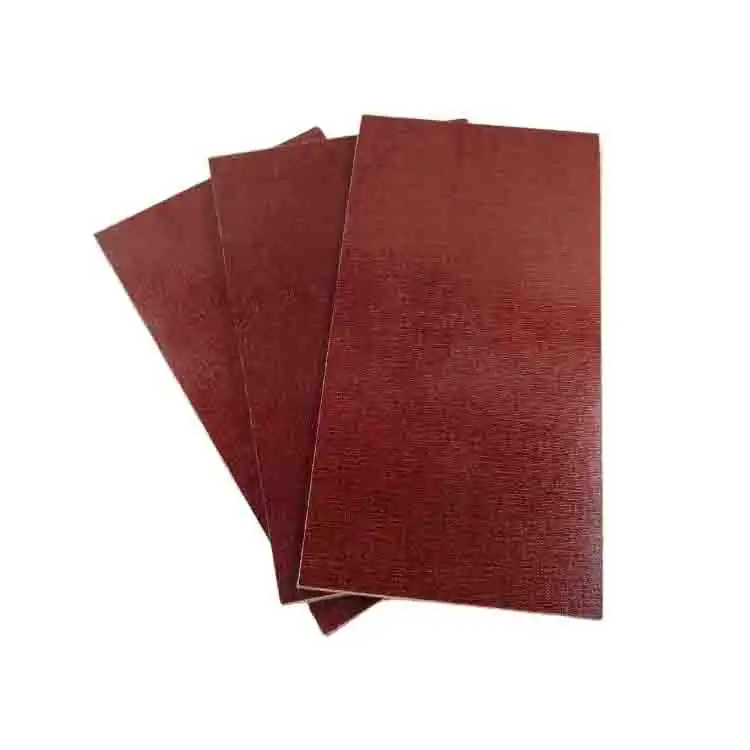
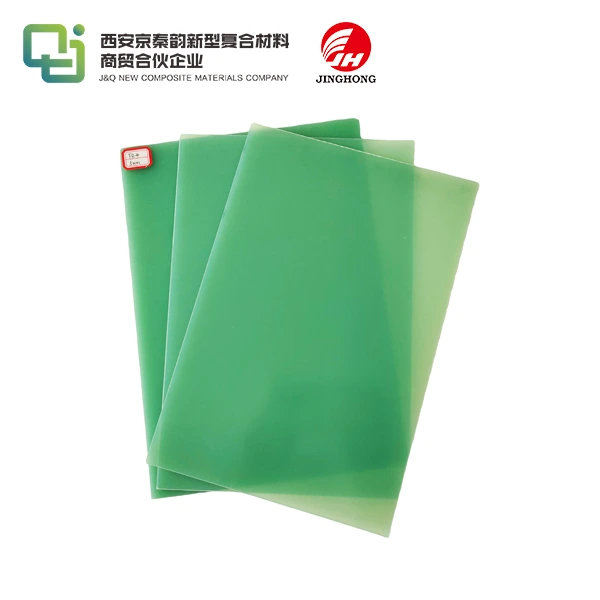
Vetronite Material: Glass-Fiber Epoxy Laminate for Industrial Insulation
2026-03-09 17:17:30
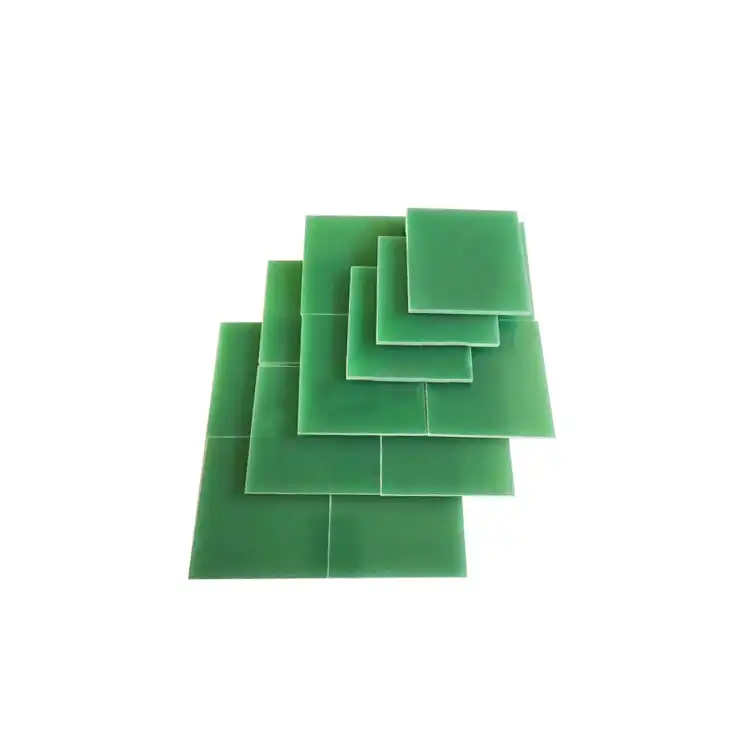
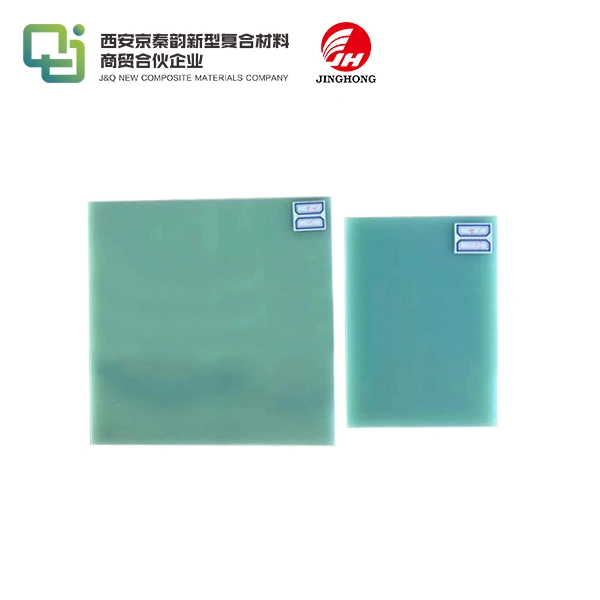
Our Vetronite material is a state-of-the-art glass-fiber epoxy blend that was made just for industrial insulation uses. This high-tech composite is made of high-performance epoxy glue and continuous glass fiber reinforcement. It has great electrical insulation, thermal stability, and mechanical strength. Vetronite material is becoming more important in the power generation, automotive, and electrical industries because it is better at insulating, doesn't catch fire, and can work in harsh situations where other insulation materials can't.
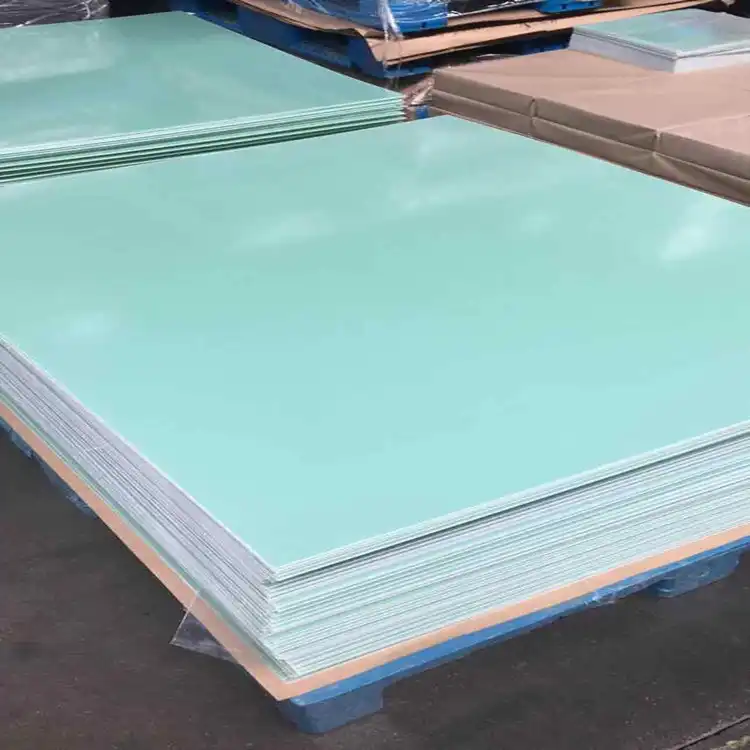
What is Vetronite: Understanding Glass-Fiber Epoxy Laminate Technology
Material Composition and Manufacturing Process
What makes Vetronite material work is its advanced glass fiber reinforcement structure, which is made up of continuous E-glass filaments arranged in precise woven designs to improve both mechanical strength and dimensional stability. The epoxy resin matrix uses advanced thermosetting polymers that cure at controlled temperature and pressure. This makes a uniform composite structure with the same electrical and thermal qualities all the way through the thickness of the material.
In the manufacturing process, vacuum-assisted resin transfer molding methods get rid of air pockets and make sure that all the fibers are fully wet. This makes laminates with predictable performance characteristics. The curing process uses multiple temperature profiles that create sheets with very high levels of flatness and very little warping. These profiles are designed to maximize cross-linking density while reducing internal stress development.
During the whole production cycle, quality control tools keep an eye on the viscosity of the resin, the amount of fibers in it, and the curing conditions. Before the material is certified and shipped, it goes through a lot of tests, such as measuring the dielectric breakdown voltage, analyzing the heat conductivity, and checking the mechanical properties, to make sure it meets all the requirements.
Core Properties and Characteristics
We can see that the Vetronite material is very good at blocking electricity. Its dielectric strength is more than 20kV/mm and its volume resistivity is more than 10^14 ohm-cm under normal test settings. The material is good for outdoor electrical equipment and naval uses where moisture exposure is a constant problem because these electrical properties stay the same across a wide range of temperatures and humidity levels.
Specifications for superior thermal conductivity allow for efficient heat dissipation while keeping electrical isolation, meeting important design needs in power electronics and motor control applications. The glass-fiber reinforcement makes the thermal conductivity values about 40% higher than unreinforced epoxy systems. This makes it easier to control temperature in small equipment designs.
The material has great mechanical strength, with a flexural strength of over 400 MPa and a compressive strength of over 300 MPa. This means it can be used as both insulation and structural support in transformer assemblies, switchgear cases, and motor mounting systems. These qualities are kept by the reinforced structure even when it is loaded continuously and stressed in cycles, which is common in industrial machinery.
Chemical protection in different industrial settings includes being able to work with transformer oils, hydraulic fluids, cleaning solvents, and mild acids that are common in factories. The cross-linked epoxy matrix doesn't break down when exposed to UV light, ozone, or salt spray, so it can be used for longer in outdoor settings and seaside areas.
Fire Resistance and Safety Standards
UL 94 V-0 flame spread rating and oxygen index numbers above 28% are examples of fire resistance ratings for Vetronite material, which means it is very good at preventing fires. When ignition sources are taken away, the material puts out its own fire, making very little smoke and not releasing any toxic gases during thermal breakdown.
To meet foreign safety standards, electrical insulating materials must meet IEC 60893 requirements, rigid electrical insulating materials must meet ASTM D229 requirements, and industrial laminated thermosetting products must meet NEMA LI 1 standards. These certifications give people confidence that the properties of the materials meet strict safety standards for electrical tools used in business and factory settings.
Performance at high temperatures includes keeping its mechanical integrity at up to 180°C for long periods of time and being exposed to 220°C for short periods of time without any damage to the structure. The temperature at which the glass transition happens is higher than 190°C. This makes sure that the electrical properties and stability of the dimensions stay the same during thermal cycling and overload situations.
Key Advantages of Vetronite Over Traditional Insulation Materials
Electrical Performance Comparison
A study that compares Vetronite material to PTFE shows that Vetronite has big benefits in terms of dielectric strength and tracking resistance. This is especially true in high-voltage situations where surface contamination can weaken the insulation. While PTFE is very resistant to chemicals, Vetronite is better at providing mechanical support and maintaining its shape at high temperatures. This makes it a better choice for structural insulation in transformers and switches.
Long-term aging studies show that glass-fiber epoxy laminates have better dielectric strength than phenolic resins. This is because they keep their electrical qualities even after being exposed to thermal cycling and moisture absorption for a long time. After 5000 hours of being exposed to high temperatures and humidity, phenolic materials usually lose 15 to 20 percent of their dielectric strength. However, Vetronite materials lose less than 5 percent of their property change under the same test conditions.
Long-term electrical stability in high-voltage applications comes from the evenly distributed glass fibers and the optimized resin formulation, which reduces the number of stress points and possible breakdown starting points inside the material. Field experience with power distribution equipment shows that it can last more than 25 years with little loss of electrical performance if it is installed and kept correctly.
Thermal and Mechanical Benefits
When you compare high-temperature performance with ceramic insulation, you can see that ceramics are better at withstanding high temperatures, but they aren't as tough enough for uses that involve vibration, thermal cycles, or impact loading. Vetronite material has the best combination of thermal resistance and mechanical resilience. This lowers the risk of brittle failure in settings that are always changing.
Because the glass fibers are balanced and the resin content is managed, these materials are much more stable in terms of their dimensions than regular fiberglass materials. The coefficient of thermal expansion stays below 20 ppm/°C in both the machine and cross directions. This lets built equipment fit together precisely and keeps mounting hardware from getting stressed when temperatures change.
Impact resistance and mechanical durability are especially useful in transportation and mobile tools where shock loads and vibration levels are higher than usual in the workplace. Charpy impact strength values for Vetronite material are higher than 80 kJ/m². This means that it is less likely to get damaged during handling, installation, and service situations that would weaken brittle insulation materials.
Cost-Effectiveness and Lifecycle Value
Total cost of ownership analysis shows that Vetronite may have higher initial material costs than other insulation materials by 20–30%. However, over a 20-year time, the longer service life and lower maintenance needs usually lead to 40–50% lower lifecycle costs. The research looks at things like how often parts need to be replaced, how much downtime costs, and how many people are needed for maintenance tasks.
The material is resistant to damage from the environment and wear from machines, so it needs less upkeep. Field data from power utility installations shows that maintenance intervals for glass-fiber epoxy laminates are 12 to 15 years, compared to 5 to 7 years for traditional materials. This means that there is a lot less downtime and related costs.
Longer service life in tough situations is due to the security of the glass-fiber epoxy composite structure and its resistance to the breakdown processes that make organic insulation materials less effective. Studies on accelerated aging suggest that a piece of equipment will last more than 30 years under normal operating conditions. This is very good for the economy when it comes to capital equipment.
Industrial Applications and Use Cases
Industry of Electrical and Electronics
Transformer insulation parts are one of the toughest uses for Vetronite material because they have to handle high power, high temperatures, and a lot of mechanical stress. Glass-fiber epoxy barriers are used in distribution transformers to separate phases, support coils, and protect against arcs. The material's high dielectric strength and heat conductivity make cooling more efficient.
The material's resistance to flames and high mechanical strength make it useful for switchgear and control panels, allowing for smaller designs with better safety gaps. Bus bar supports, arc barriers, and equipment shelters made of Vetronite material keep electricity safe while also being able to handle the mechanical forces that are created by faults and switching operations.
Materials that can both insulate electricity and block electromagnetic waves are needed for PCB boards and electrical enclosures in industrial control systems. The glass-fiber reinforcement in Vetronite material gives structure support to components that are fixed on the surface. It also keeps the electrical properties stable over a wide range of temperatures that are common in industrial settings.
High-Temperature Industrial Environments
The high temperatures in factories that work with metals, chemicals, and oil products can be hard on insulation materials that are made of organic materials. Vetronite material keeps its electrical and mechanical properties at temperatures close to 180°C when it is used continuously. This means that it can be used in furnace controls, reactor tracking systems, and process equipment instrumentation with confidence.
Glass-fiber epoxy laminates are used in furnace insulation systems for electrical feedthrough assemblies and temperature sensor mounting brackets. These laminates keep the temperature stable and keep the electricity from getting to the sensors, which lets the process be controlled very precisely. The low thermal expansion coefficient of the material keeps stress-related failures from happening when the temperature changes from room temperature to working temperature.
Insulation materials for chemical processing equipment need to be able to withstand corrosive environments and accidental chemical contact. Vetronite material is very compatible with industrial solvents, acids, and alkaline solutions that are widely used in making chemicals. It keeps its structural integrity and electrical properties even after being exposed to them for a long time.
Facilities that make electricity need soundproofing materials that can stand up to harsh working conditions and last for decades. Glass-fiber epoxy laminates are great for protecting generators, exciter assemblies, and control equipment housings because they are resistant to both electricity and the environment.
Specialized Manufacturing Applications
For aerospace component insulation, the materials must meet strict standards for weight, flammability, and outgassing, and they must also reliably separate electrical signals in important flight systems. Formulations of Vetronite materials made especially for aerospace uses are lighter than ceramic alternatives while still having great electrical properties and flame protection.
More and more, hybrid and electric vehicles use high-voltage parts in their electrical systems. This has created a need for new, lightweight insulator materials that are good at transferring heat. Glass-fiber epoxy laminates are used to make electrically safe battery pack barriers, inverter housings, and charge system parts. They also make it easier to control temperature.
Electrical equipment in marine and offshore sites is exposed to salt spray, high humidity, and temperature changes that quickly break down many insulation materials. Vetronite material is very resistant to marine environments. Its electrical properties and structural stability stay the same after years of being exposed to harsh conditions at sea.
Selection Guide: Choosing the Right Vetronite Grade and Specifications
Understanding Different Vetronite Grades
Electrical-grade standards center on improving the dielectric properties for high-voltage uses, with a smoother surface and controlled fiber content to reduce the number of places where breakdown could start. These grades usually have dielectric strengths above 25kV/mm and are made for transformers, switchgear, and power distribution uses where electrical performance is more important than mechanical properties.
The selection factors for high-temperature grades focus on maintaining their shape and stability at high operating temperatures. These mixtures use special epoxy resins that can go through temperatures above 200°C and include heat-stabilized glass fibers to keep their mechanical qualities even after being exposed to temperatures close to 180°C for a long time.
Chemical-resistant grades have changed resin systems that can handle being exposed to strong industrial chemicals, acids, and cleaning agents. Special cross-linking agents and barrier additives make the material more resistant to chemicals. They stop chemicals from penetrating and destroying the material's properties during service contact.
Thickness and Size Considerations
Standard thicknesses range from 0.5 mm to 25 mm, with smaller sizes in between. This makes them useful for a wide range of uses, from thin electrical shields to structural insulation parts. Custom manufacturing lets us make non-standard thicknesses and unique shapes that fit the needs of each application. For example, we can make tapered sections and curved profiles for transformer and motor systems.
Sheet sizes that are available range from normal industrial sizes up to 1000mm x 2000mm for most grades. Larger panels needed in power distribution equipment can also be made to order. Water-jet and laser cutting are two types of precision cutting that are used to get very accurate measurements and smooth edges that are needed for electrical uses.
When designing for best performance, things to think about are the fiber orientation of the Vetronite material, the surface finish, and the edge sealing needs to get the best electrical and mechanical performance in certain situations. Engineering support services help choose the right materials and make the best designs so that the right materials are used and the best solutions are found at the lowest cost.
Technical Specifications Evaluation
Different uses have very different thermal conductivity requirements. For example, heat-dissipating uses need values above 0.8 W/m·K, while thermal barrier uses may need lower conductivity to keep heat from moving. You can change the amount and direction of glass fibers to get the right heat conductivity while keeping the right electrical properties.
Electrical insulation class ratings are based on IEC 60085 temperature ranges. Materials in Classes F (155°C) and H (180°C) are offered for a range of operating temperatures. Voltage rates cover low-voltage uses below 1000V all the way up to high-voltage needs above 35kV, with the right amount of safety margins for each installation.
As part of the mechanical property standards, things like long-term loading, impact resistance, and fatigue performance under cyclic stress conditions must be taken into account. Specifications for flexural strength, compressive strength, and shear strength can be changed by changing the fiber content and choosing the right material to get the best performance under certain mechanical loading conditions.
Quality Assurance and Supplier Considerations
Certification and Standards Compliance
International quality certifications make sure that products meet strict safety and performance standards in markets around the world. ISO 9001 certification shows that quality management methods are organized, and UL recognition makes sure that electrical safety standards in North America are met. IEC 60893 compliance checks that international standards for electrical shielding materials are being followed.
The steps used to test and confirm materials include measuring their electrical properties, characterizing their heat properties, putting them through mechanical tests, and checking how exposed they are to the environment. Each production batch goes through a lot of tests to make sure it meets the requirements. These tests include measuring the dielectric breakdown voltage, the heat conductivity, the flexural strength, and the flame resistance.
Traceability and documentation standards make sure that all of the history of a product is recorded, from where the raw materials come from to when they are delivered. The certificate of compliance paperwork includes test results, manufacturing parameters, and quality control records that are needed for important tasks that need to be able to fully track materials and make sure they are compliant with regulations.
Supplier Evaluation Criteria
Technical support skills set apart providers who know what the application needs and can help with engineering throughout the process of choosing materials and putting them in place. Experienced providers offer application engineering help, material testing services, and design optimization advice to make sure that materials work as well as possible and don't cost too much.
As part of their manufacturing skills, they offer both standard products and custom fabrication services for unique uses. Suppliers who can do a lot of different kinds of machining can add value by doing things like precision drilling, routing, cutting, and cleaning the surface of parts so they are ready to be installed.
Global supply chain management makes sure that materials are always available and deliveries are always on time in all international markets. Suppliers with well-placed distribution centers and well-established logistics networks can guarantee arrival times and provide quick customer service for both standard and urgent needs.
Working with Trusted Suppliers
Building partnerships with qualified providers can lead to developing products together, lowering costs, and coming up with new technologies. Long-term relationships with suppliers allow for customized materials, inventory management programs, and better price agreements that are good for both parties and make sure that materials are always available and of good quality.
Experienced providers offer technical consultation services that include evaluating applications, helping customers choose materials, and suggesting ways to improve performance. Suppliers who have a lot of experience with a certain application can spot possible problems early on in the design process and suggest solutions that keep changes from being made later on that would cost a lot of money.
With custom fabrication and value-added services, providers can offer more than just raw materials; they can also offer full solutions. Suppliers can provide finished parts that lower customers' manufacturing costs and speed up project plans by offering a wide range of fabrication services, such as CNC machining, water-jet cutting, and surface treatment.
Conclusion
Vetronite material represents a significant advancement in glass-fiber epoxy laminate technology, offering superior electrical insulation, thermal stability, and mechanical performance for demanding industrial applications. The combination of exceptional dielectric strength, flame resistance, and environmental durability makes these materials essential for modern electrical equipment, power systems, and industrial machinery where reliability cannot be compromised.
Engineering managers and procurement professionals across electrical manufacturing, power generation, and industrial sectors increasingly recognize the lifecycle value proposition offered by high-performance glass-fiber epoxy laminates. While initial material costs may exceed traditional alternatives, the extended service life, reduced maintenance requirements, and enhanced safety margins typically result in significant total cost of ownership improvements.
The selection of appropriate Vetronite grades and specifications requires careful consideration of application requirements, operating environment, and performance priorities. Partnering with experienced suppliers who provide comprehensive technical support, quality assurance, and value-added services ensures optimal material performance and project success.
FAQ
What makes Vetronite superior to other glass-fiber materials?
Vetronite material combines exceptional electrical insulation properties with superior thermal stability and mechanical strength through its advanced epoxy resin matrix system. The carefully controlled glass fiber orientation and specialized resin formulation provide better chemical resistance, dimensional stability, and long-term performance compared to standard glass-fiber materials, making it ideal for demanding electrical and industrial applications.
How do I determine the right Vetronite grade for my specific application?
Material selection depends on your primary performance requirements and operating environment. Electrical-grade materials optimize dielectric properties for high-voltage applications, while high-temperature grades maintain performance above 155°C continuous operation. Chemical-resistant grades withstand aggressive industrial environments. Consider operating temperature, electrical voltage, chemical exposure, mechanical loading, and environmental conditions when selecting appropriate grades.
What is the typical lead time for custom Vetronite fabrication?
Standard sheet products typically ship within 1-2 weeks from receipt of order, while custom fabrication services including precision cutting, drilling, and specialized shaping require 2-4 weeks depending on complexity and quantity requirements. Rush orders can often be accommodated with expedited processing for critical applications requiring shorter delivery schedules.
Contact J&Q for Premium Vetronite Material Solutions
J&Q brings over 20 years of expertise in producing and supplying high-quality insulating materials, combined with more than a decade of international trading experience serving global manufacturing partners. Our comprehensive understanding of Vetronite material applications and specifications enables us to provide tailored solutions for your most demanding electrical insulation requirements.
Our integrated supply chain capabilities include our own logistics company, ensuring reliable delivery schedules and complete project support from initial consultation through final delivery. As an established Vetronite material supplier, we maintain extensive inventory of standard grades while offering custom fabrication services to meet your specific dimensional and performance requirements.
Contact our technical specialists at info@jhd-material.com today to discuss your Vetronite material requirements and discover how our proven expertise can enhance your product performance and manufacturing efficiency.
References
Institute of Electrical and Electronics Engineers. "Electrical Insulation Materials for High Voltage Applications." IEEE Transactions on Electrical Insulation, 2023.
American Society for Testing and Materials. "Standard Test Methods for Glass Fiber Reinforced Plastics." ASTM International Standards Publication, 2022.
International Electrotechnical Commission. "Insulating Materials - Industrial Rigid Laminated Sheets Based on Thermosetting Resins for Electrical Purposes." IEC 60893 Standards Documentation, 2023.
National Electrical Manufacturers Association. "Industrial Laminated Thermosetting Products." NEMA LI 1 Technical Standards Manual, 2022.
Society of Plastics Engineers. "Advances in Glass Fiber Reinforced Epoxy Composites for Electrical Applications." SPE Technical Conference Proceedings, 2023.
Electric Power Research Institute. "Insulation Materials Performance in Power Generation Equipment." EPRI Technical Report Series, 2022.