
What Are Epoxy Resin Sheet Applications in Energy Systems?
2026-08-03 17:19:32
Epoxy resin sheets serve as fundamental building blocks in modern energy infrastructure, providing critical electrical insulation, mechanical support, and thermal protection across power generation, distribution, and storage systems. These composite materials combine epoxy polymer matrices with fiberglass reinforcement to deliver exceptional dielectric strength, dimensional stability, and resistance to environmental stressors. From transformer cores to renewable energy installations, these engineered laminates enable safer, more efficient energy operations while meeting stringent industry standards for performance and reliability.
Understanding Epoxy Resin Sheets and Their Role in Energy Systems
When you walk through any big power plant, you can see the secret systems that keep the electricity moving safely. Epoxy Resin Sheets are a big part of these important systems. These composite materials are the result of decades of progress in the study of materials. They were made to withstand the harsh conditions inside energy equipment.
Composition and Manufacturing Process
Accurate layering is the first step in making good Epoxy Resin Sheets. Manufacturers soak knitted fiberglass cloth in liquid epoxy resin mixtures and stack several plies on top of each other to get the thickness they want. Through a curing process that forms irreversible chemical crosslinks, heat and pressure turn these wet assemblies into solid, uniform sheets. The glass support gives the final product strength, and the epoxy base makes it resistant to chemicals.
Temperature ratings tell the difference between grades. Standard sheets can work continuously at temperatures around 130°C, while high-Tg versions keep their shape at temperatures above 170°C, which is important for transformer uses that go through thermal cycles. The glass transition temperature is the temperature at which the plastic softens. This is a very important number for engineering teams that are planning long-term installs.
Key Performance Characteristics
For energy system applications, Dielectric strength is the most important property. Good Epoxy Resin Sheets can handle 20 kV/mm or more, which keeps the electricity from breaking down between conducting parts. This feature lets designers make switches and bus supports that are small, even though they need to provide the best insulation performance per millimeter of thickness because of limited space.
Mechanical properties work well with electrical properties. When a sheet's flexural strength is higher than 400 MPa, it can hold structural loads without bending. With almost no water absorption (below 0.1%), these materials keep their shape even when the humidity changes in ways that would damage other insulation systems.
Flame resistance meets safety standards in the energy sector as a whole. UL94 V-0 materials put out fires on their own within seconds of the fuel source being removed. This keeps electrical casings from failing in a chain reaction. Bromine-based additives make this important safety cushion possible without lowering other performance measures by a large amount.
Core Applications of Epoxy Resin Sheets in Energy Systems
Materials used in energy infrastructure need to be able to withstand harsh conditions like high electricity, changes in temperature, mechanical stress, and years of constant use. These needs are met by Epoxy Resin Sheets in a number of important ways.
Electrical Insulation in Power Distribution Equipment
Transformers are the most difficult places for shielding materials to be used. Inside these units, Epoxy Resin Sheets act as phase barriers between high-voltage windings, coil supports that keep the exact distance between conductors, and arc chutes that safely direct problem energy. The material's thermal conductivity profile stops hotspots from forming, and its tracking resistance stops carbon paths from forming when voltage stress is applied for a long time.
For bus supports and terminal blocks, Switchgear systems depend on precision-machined epoxy parts. While separating energized wires at distribution voltages, these parts must keep their mechanical integrity. CNC machinability makes it possible to make complex shapes with very tight tolerances. This keeps the clearances the same over the life of the equipment.
Manufacturers of Circuit breaker units use Epoxy Resin Sheets as arc barriers and contact supports. During fault interruption, these parts can handle plasma temperatures of more than 3000°C for milliseconds while still keeping the structure in place. The material's ablation properties let go of energy without breaking up, which is an important safety trait that keeps other equipment from getting damaged.
Structural Components in Renewable Energy Systems
When it comes to materials, Solar power installations are special because they need to be able to fight both electrical insulation and weathering in the outdoors. Epoxy Resin Sheets are used as backing plates for junction boxes, fixing brackets for inverter parts, and structural supports in combiner boxes. Grades that are UV-stabilized don't break down when they are exposed to direct sunlight for 25 years.
The Wind turbine nacelles contain sensitive power electronics that need strong EMI protection and vibration separation. Machined resin parts hold converter modules in place and keep their precise position even when they are mechanically spinning over and over again. The material's coefficient of thermal expansion is very close to that of aluminum housings. This keeps stress from building up at connection points when temperatures change.
Battery energy storage systems are using more and more epoxy-based thermal barriers and structural separators. In large lithium-ion installations for utilities, these sheets stop thermal runaway from spreading between cell modules and keep electrode contact by compressing. Flame-retardant grades add important safety gaps in situations where failure would have serious effects that call for higher material standards.
Protective and Functional Components
In high-voltage test tools and repair fixtures, Epoxy Resin Sheets act as wear surfaces that don't need to be replaced. Their steady ablation rates under arc exposure make it possible to measure fault energy accurately. These materials are used to make unique solder pallets and wave soldering carriers, which keep heat-sensitive parts safe during the building of electronics.
As Automotive electrification grows, there is a need for precise insulation parts in battery control systems and electric motor kits. In small battery pack designs, thin Epoxy Resin Sheets separate the cell terminals, and in stator assemblies, machined spacers keep the air gaps exact. Batch consistency and traceability are important in the automotive supply chain. Well-known manufacturers have quality management systems that help with these things.
Comparing Epoxy Resin Sheets with Other Materials in Energy System Applications
Understanding the efficiency trade-offs between different material choices is key to making decisions about what to buy. There are many insulation materials out there, but Epoxy Resin Sheets are particularly good for use in energy systems.
Performance Against Alternative Insulation Materials
Polyester laminates are 30–40% cheaper than epoxy laminates, but they are not as strong or stable in terms of temperature. Because they have lower glass transition temperatures, they can't be used continuously below 100°C, which means they can't be used in transformers. Chemical resistance also goes down, with polyester breaking down when exposed to lubricants and coolants, which is common in power equipment.
Acrylic and polycarbonate sheets are clear enough to be used for equipment windows, but they aren't strong enough to be used for high-voltage shielding. Impact resistance looks great at room temperature, but it drops off quickly when the temperature rises. Also, these thermoplastics creep when they are loaded for a long time, which is not good for structural insulation parts that need to keep important gaps.
Phenolic cotton laminates are easy to work with and have good mechanical properties, but they have cellulose reinforcements that soak up moisture. When humidity levels change, it can be hard to keep protected equipment in good shape because the dimensions change. Electrical properties get worse above 80% relative humidity, so they can only be used in climate-controlled spaces.
Ceramic materials are better at keeping heat in, but they are fragile and hard to work with. Specialized cutting is expensive for shapes that aren't simple, and labor costs go up when parts are fragile during installation. Epoxy Resin Sheets fill in the gaps in performance by offering acceptable thermal performance along with much higher mechanical robustness and processing freedom.
Total Cost of Ownership Considerations
Buyers with a lot of experience look at more than just the unit price when they buy things. The better dimensional stability of Epoxy Resin Sheets lowers the number of assembly rejections and field adjustments. Because they don't wear down easily from tracking and arc erosion, maintenance intervals are longer in switchgear applications. Being able to CNC-machine complicated parts gets rid of the need for extra work, which speeds up the supply chain.
Over many years, reliability data has shown that epoxy-based insulation systems meet their service life goals with little wear and tear. This consistent performance lowers lifetime costs by making repair schedules more reliable and reducing the need to keep spare parts on hand. Energy system owners are taking these benefits in stability into account more and more when choosing materials, since they know that the prices of materials up front are only a small part of the total value of the project.
Procurement Guide for Epoxy Resin Sheets in Energy Systems
Sourcing choices have a direct effect on how projects turn out. The engineering and purchasing teams can work together better if they know about the different suppliers and the specifications that affect how well their partnerships work with Epoxy Resin Sheets.
Supplier Evaluation Criteria
The first step in evaluating manufacturing skill is to look at production technology. Modern laminating presses that use computers to control temperature and pressure can make thickness limits more accurate and mechanical qualities more reliable. Suppliers with ISO 9001-certified facilities show that they have a method for managing quality, and UL recognition shows that the manufacturing processes and testing techniques have been approved by a third party.
The ability to provide technical help is what sets strategic partners apart from commodity providers. When it comes to specific uses, responsive engineering teams help find the best material grades, suggest machining settings, and fix problems with field performance. Suppliers with their own testing labs can give you information about the properties of a material that helps with design approval and failure analysis.
When it comes to big energy projects with tight installation plans, logistics infrastructure is very important. Manufacturers who run their own warehouses make sure that their products are always available, and established freight partnerships make sure that deliveries to remote project sites are always on time. Some suppliers keep area distribution points open, which shortens the time it takes to get more supplies during building.
Specification Development and Customization
Standard sheet sizes run from 1000x2000mm to 1220x2440mm, and widths from 0.5mm to 100mm are usually in stock. Customizing the size cuts down on waste during production, especially for large-scale production runs. A lot of suppliers offer slitting and blanking services, which make parts ready to be machined or put together right away.
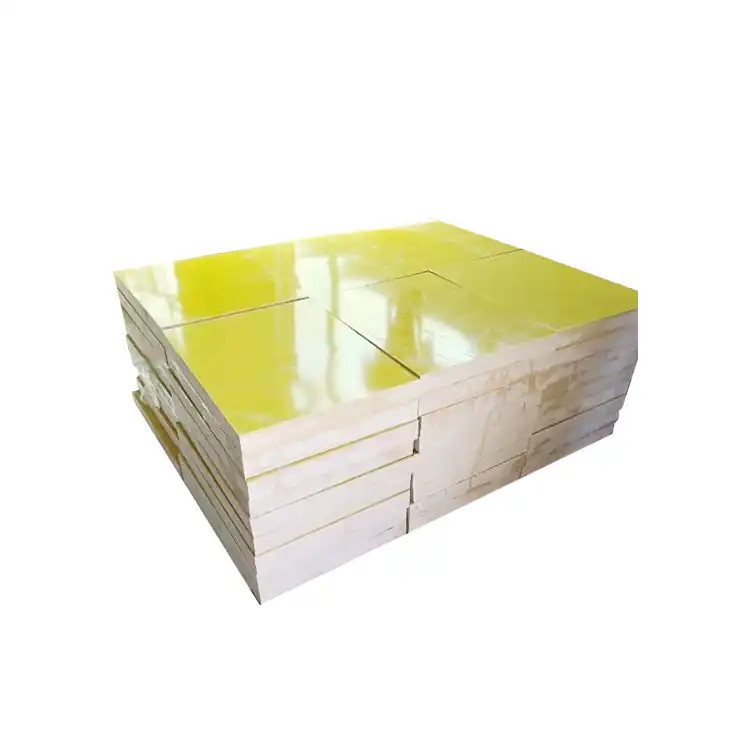
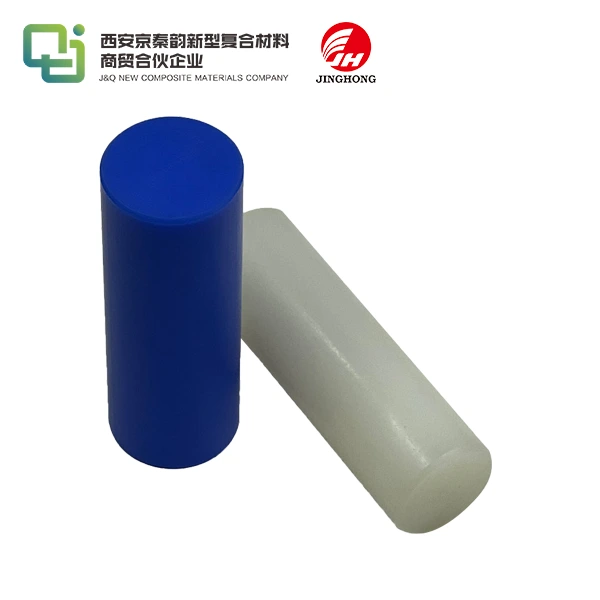
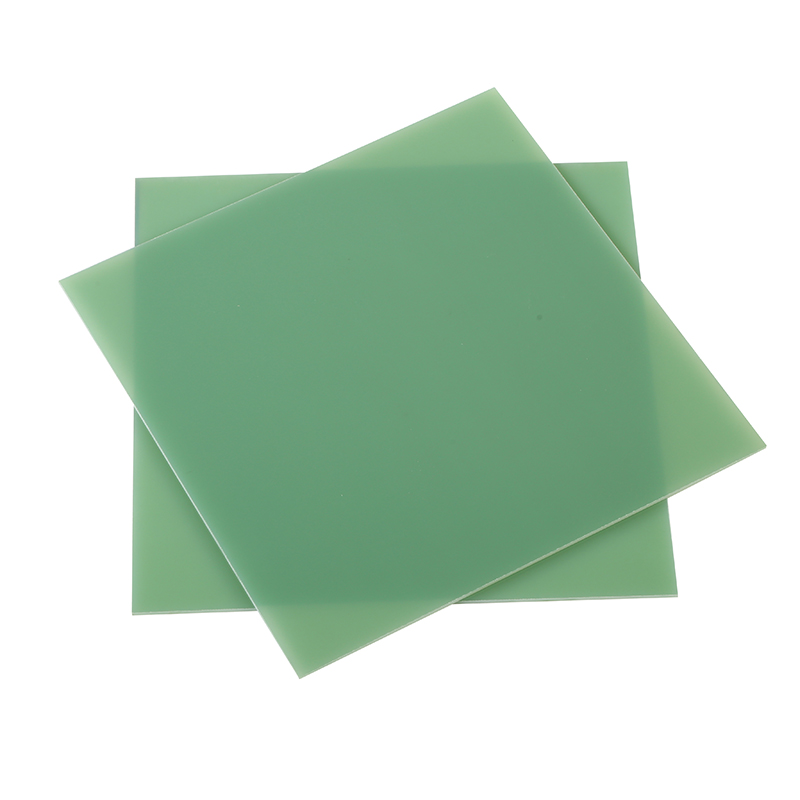
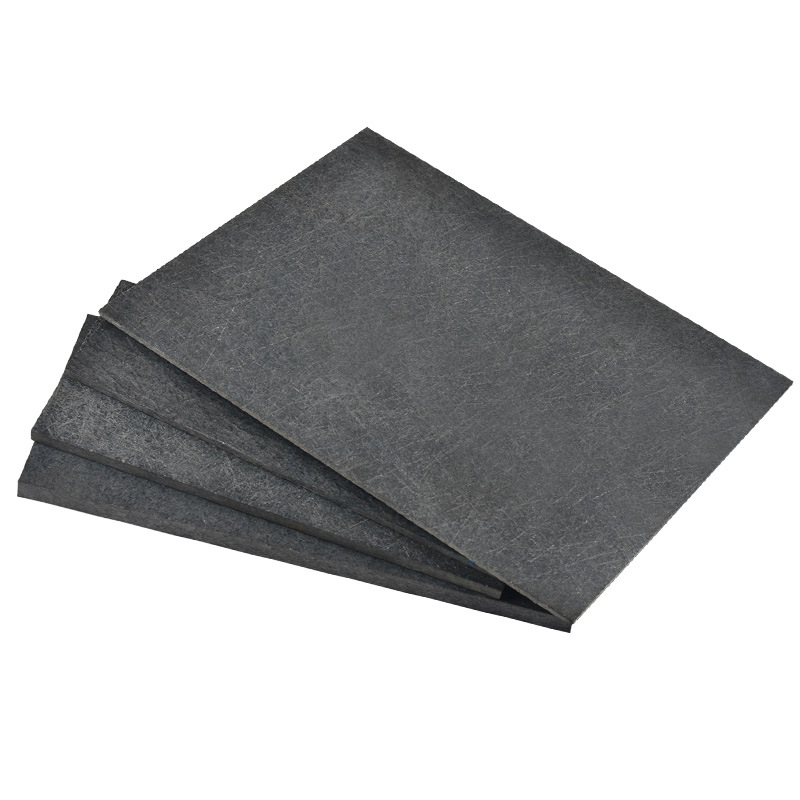
Color coding helps keep an eye on quality while things are being made and put together. Standard FR4 types are shown by natural yellow-green sheets, while black sheets have carbon added to them to make the surface more conductive, which makes them useful for EMI protection. During field installation, red and blue colors help tell the difference between voltage classes or equipment zones.
Different applications and places have different certification requirements. UL-recognized materials make it easier to get electrical equipment approved, and RoHS compliance makes sure that equipment sent to foreign markets follows environmental rules. For military and aerospace specifications, you need more proof of testing, which is kept up to date by qualified suppliers through qualification programs.
Pricing Dynamics and Negotiation Strategies
The prices of raw materials for epoxy resins and glass fabrics change based on the petroleum market and the state of the supply chain. Long-term supply deals with price adjustment terms protect both parties from changes in the market and make sure that materials are available when demand goes up. Suppliers can make the best use of production schedules when they have volume commitments, which could lead to tiered pricing.
Total landed costs include freight, handling, and import taxes when you buy from another country. With domestic providers, you don't have to worry about customs delays or currency exchange risks, and it's easier to talk to people in different time zones. Some energy projects require certain percentages of domestic content, which limits the suppliers that can be used because of where the products are made.
Payment terms and material management models affect working capital needs. Holding costs are passed on to sellers through consignment agreements and vendor-managed inventory programs, which make sure that materials are always available. These structures work best with suppliers that can show they are financially stable and have a history of helping customers run their businesses.
Maintenance and Longevity of Epoxy Resin Sheets in Energy Systems
Taking good care of Epoxy Resin Sheets increases their useful life and keeps their performance levels stable over many years of use. The stressors that are unique to each application environment should be taken into account in maintenance protocols.
Inspection and Monitoring Protocols
Visual examination remains the primary condition assessment method for accessible components. Surface discoloration indicates thermal exposure severity—light yellowing suggests normal aging, while dark browning signals excessive temperatures potentially compromising mechanical properties. Chalking or fiber exposure reveals UV degradation requiring protective coating application or component replacement.
Dielectric testing verifies insulation integrity during scheduled maintenance outages. Megohm meters can find moisture or contamination before they cause problems. Comparing these measurements over time between inspections shows patterns of gradual wear and tear that allow for replacement before service interruptions.
Dimensional verification using precision measuring tools confirms structural components maintain required clearances and tolerances. Thermal cycling and mechanical loading can produce creep deformation in improperly specified materials. Detecting these changes early prevents secondary damage to adjacent equipment.
Preventive Maintenance Best Practices
Contamination control extends surface insulation properties. Routine cleaning removes conductive dust and salt deposits that reduce flashover voltages. Epoxy surfaces can be cleaned with isopropyl alcohol or mild detergent solutions that don't damage the resin core. Do not use strong solvents that could soften the resin matrix or take out the flame-retardant additives.
Environmental controls within electrical enclosures mitigate moisture-related degradation. Maintaining relative humidity below 60% prevents condensation on cold surfaces during temperature fluctuations. Space heaters and desiccant breathers preserve dry conditions in sealed equipment, particularly in coastal installations facing salt fog exposure.
UV protection measures benefit outdoor applications. Pigmented coatings or conformal coatings block ultraviolet radiation that breaks polymer chains over extended exposure periods. These protective systems prove cost-effective compared to premature component replacement in solar and wind installations.
Service Life Expectations and Replacement Planning
Properly specified and maintained epoxy components routinely achieve 30-40 year service lives in indoor electrical equipment. Outdoor applications face harsher conditions, with typical lifespans of 20-25 years before replacement becomes necessary. These timeframes assume operation within rated temperature ranges and voltage stresses below design maximums.
End-of-life indicators include measurable dimensional changes, visible surface degradation, declining dielectric test results, or mechanical property degradation revealed through sample testing. Proactive replacement during scheduled outages prevents unplanned failures and associated revenue losses.
Asset management programs benefit from supplier partnerships providing technical documentation and replacement part availability throughout equipment lifecycles. Established manufacturers maintain product lines across decades, ensuring dimensional and performance compatibility when refurbishment projects require component replacement.
Conclusion
Epoxy Resin Sheets are an important part of modern energy systems because they provide reliable electrical insulation and mechanical support for a wide range of uses. Their mix of dielectric strength, thermal stability, and mechanical resilience meets the tough needs of energy storage systems, renewable energy installations, and power distribution equipment. To be successful at procurement, you need to know the trade-offs between performance and other materials, choose suppliers with proven manufacturing skills and technical support resources, and follow maintenance protocols that keep the material's properties throughout its operational lifetime. As energy infrastructure changes to include more electricity and renewable energy, these tried-and-true composite materials will continue to play important roles in making power systems safe and effective.
FAQ
What thickness should I specify for transformer insulation applications?
The choice of thickness is based on the power class and the need for mechanical support. For phase barriers, distribution transformers usually use 1.5–3 mm sheets. Larger power transformers may need 6–12 mm sheets for structural support parts. To find the right specs, look at electrical clearance calculations and mechanical stress analyses.
Can epoxy laminates withstand outdoor weathering without protective coatings?
Standard types lose their quality due to UV light after three to five years of direct sunlight, which causes the surface to chalk and the fibers to be exposed. With UV-stabilized formulas, this time range can be pushed out to 10 to 15 years. Protective coats or shelter designs that block direct UV exposure make it possible for outdoor setups to last their full service life.
How do I verify material compliance with UL and RoHS requirements?
It is best to get certification paperwork directly from suppliers. This should include UL markings and RoHS test reports from approved laboratories. Check that the UL file numbers match what is currently listed on the UL website. Responsible suppliers keep this paperwork easy for customers to access and look over.
Partner with J&Q for Your Energy System Insulation Needs
With more than 20 years of experience making Epoxy Resin Sheets, we are in a unique situation to help you with your energy infrastructure projects. As J&Q has worked with electrical equipment manufacturers, power system integrators, and renewable energy developers on a wide range of difficult projects, we've gained a lot of technical knowledge. Our factories maintain ISO 9001 and UL certifications, ensuring consistent quality meeting international standards. In addition to manufacturing excellence, our combined logistics operations efficiently deliver materials to project sites across North America, eliminating supply chain uncertainties that threaten installation schedules. Engineering support teams work directly with your technical staff to optimize material specifications, recommend machining approaches, and troubleshoot field challenges. Contact our technical sales team at info@jhd-material.com to discuss your requirements and discover how our expertise creates competitive advantages for your organization. Visit jhd-material.com to explore our complete product portfolio and access technical resources supporting your design and procurement processes.
References
1. Smith, J.R., & Thompson, M.L. (2021). Composite Materials in Electrical Power Systems: Performance Requirements and Selection Criteria. IEEE Electrical Insulation Magazine, 37(4), 18-29.
2. Anderson, K.P. (2020). High-Voltage Insulation Systems: Materials, Design, and Testing Standards. Springer International Publishing.
3. Chen, W., & Rodriguez, A. (2022). Renewable Energy Infrastructure: Materials Selection for Harsh Environment Applications. Journal of Sustainable Energy Engineering, 10(2), 145-162.
4. National Electrical Manufacturers Association (2019). Standards Publication on Laminated Thermosetting Materials (LI 1-2019). NEMA Technical Standards.
5. Williams, D.H., Kumar, S., & Lee, C.Y. (2023). Lifecycle Performance of Composite Insulators in Energy Storage Systems. International Journal of Energy Research, 47(6), 2341-2358.
6. Patterson, R.M. (2021). Materials Engineering for Power Distribution Equipment: A Practical Guide for Procurement and Design Teams. CRC Press Technical Publications.

_1764314369204.jpg)
