What are the Differences Between Phenolic Cloth Board and Phenolic Cardboard?
2026-05-08 17:21:23
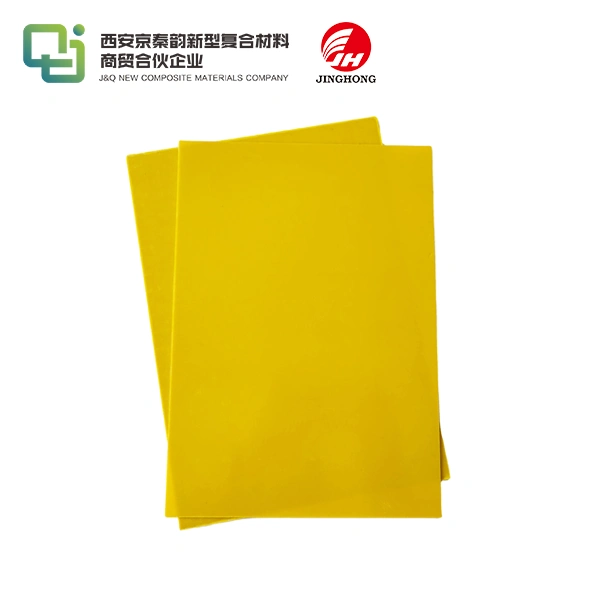
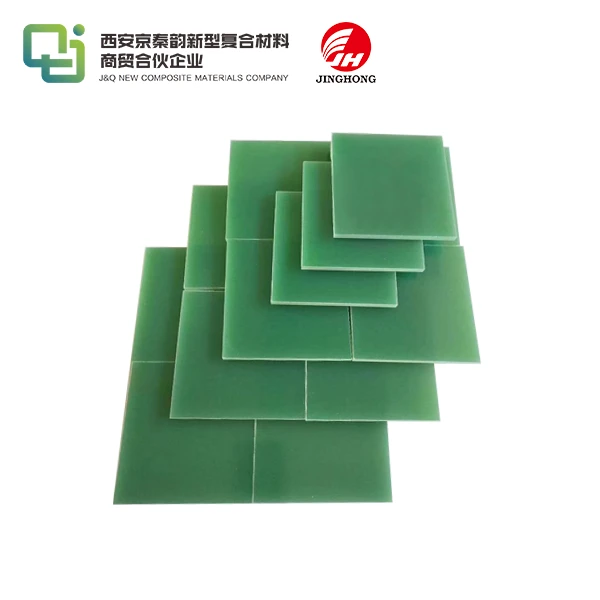
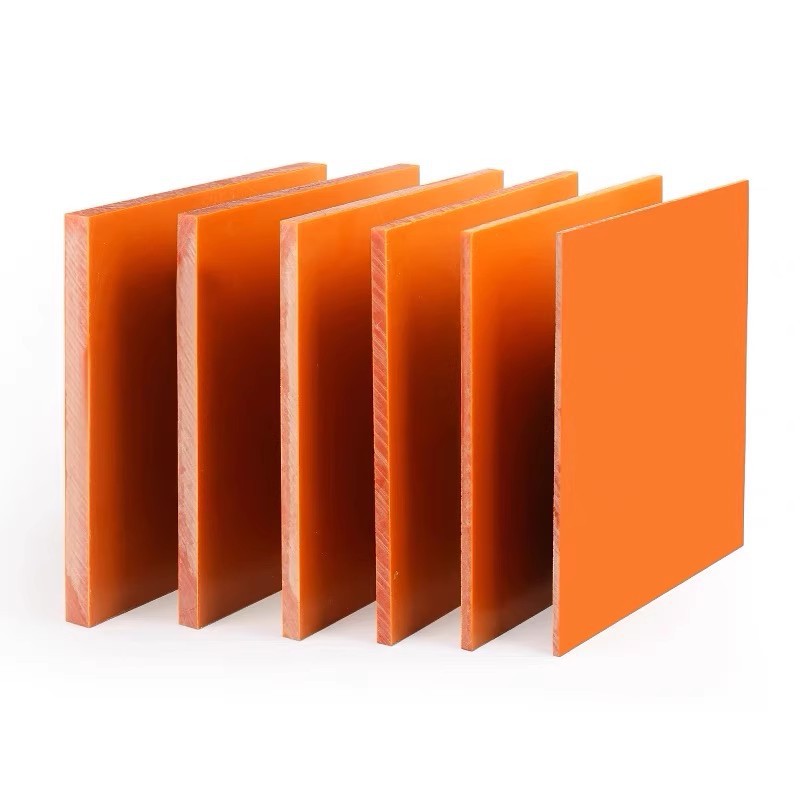
The difference between phenolic cloth board and phenolic cardboard is very important when choosing insulation materials for industrial uses. Phenolic cloth board is made of knitted cotton fabric that has been mixed with phenolic resin. This gives it better mechanical strength, resistance to impact, and steadiness in its shape when it's under load. Phenolic cardboard, on the other hand, is made of packed layers of paper that have been treated with phenolic glue. It provides good insulation at a lower cost and weight. By knowing these differences, buying teams can make sure that the qualities of materials are perfectly matched to the needs of the application, preventing over-specification or poor performance.
Understanding Phenolic Cloth Board and Phenolic Cardboard
Core Material Composition and Structure
When controlled heat and pressure are used to layer knitted cotton fabric with phenolic resin, phenolic cloth board is made. The cotton weave, which comes in coarse (NEMA Grade C) or fine (NEMA Grade CE) options, creates a network of fibres that spreads mechanical stress and absorbs impact energy. This method creates a thermosetting material that has very high tensile strength, especially in the crosswise direction, where the fabric consistency doesn't allow it to tear or break.
With layers of flattened cellulose paper, phenolic cardboard can be used instead of cotton cloth. The paper base still has phenolic glue in it and is fixed under heat, but the fibres don't join like they do in knitted cotton. As a result, the material is lighter and better at insulating electricity, but it is not as strong mechanically as cloth-based versions.
Manufacturing Processes and Quality Control
To make phenolic cotton cloth fused sheets, the resin has to be carefully mixed to get the right thickness for the fabric. Before being stacked and pressed in hot platens, the resin is evenly spread out on each cotton layer. Temperature patterns are usually between 150°C and 180°C, and pressures are changed to get rid of gaps while keeping the structure of the cloth. The constant dark colour and smooth surface finish of the material come from this process.
J&Q's manufacturing follows UL approval (NO.: E310670) as well as RoHS and REACH rules. This makes sure that all production runs have the same insulating qualities and mechanical performance. Making phenolic cardboard uses similar resin drying principles, but it needs different pressure settings to work with the compressibility of paper without delamination.
Key Physical and Electrical Properties
Phenolic cloth board has good mechanical qualities, like a tensile strength of more than 80 MPa along the length and 60 MPa across. It can work in electrical settings that need voltage gap because it is resistant to oil and has a high insulating strength. The material has a very low water absorption rate—usually less than 1.5% over 24 hours of immersion—so it stays stable in its shape even when it's wet.
Phenolic cardboard has about the same insulating strength for low-voltage uses, but it doesn't work as well mechanically. Its compression strength is still good enough for supporting structures when there isn't much dynamic pressure. Chemical liquids and light acids don't hurt either material, but strong alkaline solutions break down phenolic binders after a while, no matter what kind of base they are attached to.
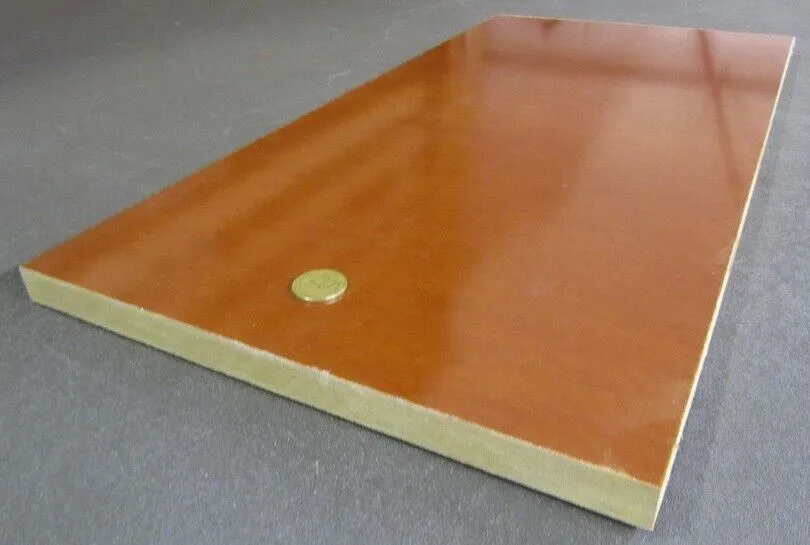
Comparative Analysis: Phenolic Cloth Board vs Phenolic Cardboard
Performance Characteristics Under Load
When mechanical stress, vibration, or impact loads are present, phenolic cloth board works very well. The braided cotton base can handle shocks without breaking easily, which is very helpful in gear grinding and bearing uses where metal-on-metal contact causes repeated stress. Impact strength is about three to four times higher than with paper-based phenolics, which means that heavy machinery parts will last longer.
Phenolic cardboard works well in situations where technical demands are low. Its lighter weight makes it useful for things like insulation frames in home appliances, where structural loads are low and less weight makes assembly easier. The material stays stiff enough for mounting frames and motor separators, but it may chip at the edges or set in compression when high loads are applied for a long time.
Thermal and Fire Resistance Comparison
Both materials have the natural flame resistance of phenolic resin and can put out fires on their own when the sources of burning are taken away. Phenolic cloth board usually keeps its shape up to 120°C when it is used continuously, and it can handle short-term changes to 150°C without breaking down mechanically. This ability to withstand high temperatures is very important for generator insulation and motor parts that get hot when they're working.
Phenolic cardboard works well in normal to high temperatures, but if it is exposed to temperatures above 100°C for a long time, it may lose strength over time. Because it has less thermal mass than cloth versions, it absorbs heat faster, so designers need to be careful about how they use heat in patterns where hot spots could form.
Application Suitability Across Industries
Specification choices are based on knowing where each material works best:
- Electrical and Electronics Manufacturing: Phenolic cloth board meets the tough requirements for building switches, circuit breaker parts and PCB drilling tools where arc-extinguishing operations cause mechanical shock. It is very easy to machine, so CNC machines can make complicated shapes with tight tolerances. Phenolic cardboard is used in equipment housings and low-voltage insulation walls where electrical separation is more important than mechanical strength.
- Machines and tools used in industry: For gears, wheels, wear plates, and bearing surfaces, machine builders use cotton cloth laminates. The material doesn't need much oil and runs quietly. It also absorbs vibrations that would normally go through metal parts. Its high resistance to mechanical wear means that textile looms, conveyor systems, and packing tools don't need to be serviced as often. When you need cheap mechanical spacers and insulation plates for less demanding systems, phenolic cardboard is a good choice.
- Power and Energy Sector: Phenolic cloth board is used by transformer makers as coil insulation supports and arc shields, where material strength under high electrical stress is essential. The material's insulating properties don't change when the temperature changes during load cycles. Phenolic cardboard can be used as an extra layer of insulation when saving money is the main goal and safety is not compromised.
- Automotive and Transportation: The ability to fight fire and maintain its shape is what makes phenolic cloth board ideal for battery pack shields and insulation pads in electric cars. R&D workers like that it can be machined to make prototypes, and production teams like that each batch is the same and meets quality standards for the car industry. Due to strict mechanical and temperature requirements, phenolic cardboard is not widely used in the automobile industry.
Making home appliances: Brands of appliances strike a mix between efficiency and price. Phenolic cardboard is used in motor mounts and heat separation parts where the working conditions are managed and the mechanical loads can be predicted. Phenolic cloth board is only used for parts that are subject to higher temperatures or need longer warranties on sturdiness.
Procurement Logistics and Cost Considerations
When choosing materials like phenolic cloth board, you have to weigh the efficiency needs against the funds. The higher price of phenolic cloth board is due to its better qualities and more difficult production. Lifecycle cost analysis, on the other hand, often favours cloth-based materials because they require less upkeep, need fewer repairs, and are more reliable, which makes the initial investment worth it.
Phenolic cardboard is cheaper right away and can be used for high-volume tasks that don't require great performance. Its lighter weight lowers shipping costs, which is something to think about when buying in bulk. Order minimums are usually based on normal sheet sizes, but providers may need to commit to a minimum batch size for special thicknesses.
Working with well-known companies like J&Q lets you get factory-direct prices, which cuts out the markups that distributors add on top of the prices. You can also be sure that the materials can be tracked and that the quality is certified. Our combined transportation capability makes purchasing easier by bringing together the partners responsible for finding materials and coordinating shipping under one roof.
How to Choose Between Phenolic Cloth Board and Phenolic Cardboard for Your Business Needs?
Application Requirements Assessment
Start by writing down the working factors that your component will face. Measuring the types of loads—compressive, tensile, or impact—along with the estimated stress levels is important for mechanical engineers. Electrical engineers need to know the voltage levels, the dielectric strength needs, and whether tracking resistance is important in the application setting.
Temperature exposure needs to be carefully looked at. The heat stability of phenolic cloth board is usually needed for continuous use at temperatures above 100°C. Applications that use heat cycle can benefit from the physical stability that cotton cloth laminates offer, which keeps tolerance slip to a minimum over the life of the component.
Performance Demands and Safety Margins
When selecting materials, conservative engineering practice takes safety into account. When a part fails and damages equipment or poses a safety risk, phenolic cloth board's better material qualities provide the necessary performance gaps. Its constant batch quality, which is confirmed by UL approval, lowers the risk of buying it compared to materials that don't have third-party proof.
Cloth-based laminates are better for places where there is a lot of wetness because they absorb water less quickly. This resistance to wetness is especially helpful for marine applications and outdoor setups because it keeps the dimensions from changing in ways that make it hard to fit parts together or for electrical gaps.
Environmental and Regulatory Compliance
Environmental duty and success are becoming more and more important in modern buying. When made to RoHS and REACH standards, both phenolic cloth board and phenolic cardboard get rid of harmful substances. This helps keep supply chains green without affecting how well they work. Eco-friendly plastic formulations have even less of an effect on the environment while still keeping the material's important qualities.
End-of-life issues should be thought about in a lifecycle evaluation. Phenolic materials don't break down naturally, but they can be burnt safely and the energy can be recovered. To make it easier to separate materials when reusing tools, parts should be made so they can be taken apart.
Supplier Selection and Quality Assurance
Working with approved makers of phenolic cloth board guarantees the quality of the materials all the time. Look for providers that use ISO quality systems and provide detailed product datasheets that include checked electrical and mechanical features. When material performance is very important, factory checks or third-party certifications give you extra peace of mind.
With 20 years of experience making things, J&Q does a thorough review of all arriving materials and process control at every stage of production. Our quality systems keep track of lots of materials as they are made, so if there are any quality issues, they can be fully tracked down. When normal sizes don't fit the needs of the design, having a direct relationship with the maker also makes it easier to get unique sizes and thickness specs.
Maintenance, Environmental Impact, and Compliance
Best Practices for Handling and Storage
The lifespan of phenolic board is increased by proper material handling. Keep sheets stored horizontally on flat surfaces so that the edges don't get loaded, which could cause them to twist. To keep things from absorbing water before they are machined, keep storage areas between 15°C and 25°C and the relative humidity below 70%. To get clean lines without delamination when cutting or drilling, use diamond tools and slow cutting speeds.
Solvents that aren't harsh are needed to clean surfaces. Isopropyl alcohol or mild cleansers can get rid of contaminants without harming phenolic bonds. Strong chemical cleaners should not be used because they can soften the surface over time, which lowers the resistance to electrical tracking.
Lifecycle Cost Analysis
The initial cost of the materials is only one part of the total cost of ownership. Because phenolic cloth board lasts longer, it doesn't need to be replaced as often, which saves money on repair labour and machine downtime. Longer service times directly improve working efficiency in important uses like power distribution parts.
Figure out the total cost by guessing how long each part will last under real-world working conditions. The lifetime advantage is clear when you consider that phenolic cloth board has twice the service life of cardboard options while costing 1.5 times as much. When you do a full cost analysis, you need to include the cost of installation labour, keeping inventory, and the possible effects of a failure.
Regulatory Compliance and Certification
More and more, international markets need important legal documents. RoHS approval makes sure that equipment shipped to European markets doesn't contain lead, mercury, cadmium, or other banned chemicals. REACH registration shows that a chemical safety review has been completed, which meets the standards for importing chemicals in many places.
When phenolic parts are added to listed systems, UL recognition makes it easier to certify the product because the electrical qualities can be checked by a third party. Keep records from your suppliers that show they are still following the rules, because losing your license could stop your supply chain during important production times.
Conclusion
When deciding between phenolic cloth board and phenolic cardboard, you have to weigh the needs for mechanical strength, electrical safety, the environment, and cost. For tough jobs, phenolic cotton cloth laminates are stronger, more resistant to impact, and more stable at high temperatures. On the other hand, phenolic cardboard is a cheap way to insulate places where mechanical forces are low. Before choosing a material, it's important to carefully look at how it will be used and how much it will cost over its entire life, not just the original price. Working with skilled makers gives you access to approved materials, expert support, and a reliable supply chain. This changes buying materials from a transactional activity to a strategic one that creates value.
FAQ
Can phenolic cloth board stand up to being outside in the weather?
Phenolic cotton cloth laminates are weatherproof enough to be used outside in protected areas. Although the temperature changes, the cloth doesn't absorb water and stays the same size. Long-term direct UV exposure may wear down the surface over time, suggesting that protective coverings or containers be used for outdoor use for longer periods of time. Marine and hydro-generator uses successfully use phenolic cloth board in wet situations, proving that it can last in harsh environments when properly designed.
What kinds of thicknesses do phenolic boards come in?
The standard thickness of phenolic cloth board is between 0.5mm and 100mm, so it can be used in a variety of situations. Common sizes that are easy to find in stock are 1.5 mm, 3 mm, 6 mm, and 12 mm. Custom thickness specs need a minimum order quantity but allow for exact matching to design needs. Phenolic cardboard is usually between 0.8 mm and 25 mm thick, which shows that it is used for lighter-duty tasks. Talk to the maker about their tolerance requirements, as precision grinding can control the thickness more precisely than normal output when it's needed.
How does the fire protection of phenolic cloth board compare to that of plywood?
Because phenolic resin naturally resists flames, both cloth board and cardboard perform better in fire situations than plywood that hasn't been treated. When fire sources are taken away, phenolic materials put out themselves and stop surface flames from spreading, meeting UL94 V-0 scores in tests. Chemical treatments are needed to make plywood as fire-resistant as other materials, and these treatments may wear off over time or leak out while the wood is being used. Because it doesn't catch fire easily on its own, phenolic cloth board is better for electrical cabinets and other places where there is a risk of sparks without the extra weight and cost of flame barriers.
Partner with J&Q for Your Phenolic Cloth Board Needs
J&Q has been making high-quality insulation sheets for more than 20 years and has also been trading with other countries for ten years, helping companies in the electrical, industrial machinery, power, car, and gadget industries. The phenolic cloth board we make is in line with UL, RoHS, and REACH standards. This means that engineering managers and buying teams can count on steady quality. As a company that makes phenolic cloth boards and also handles transportation, we offer a one-stop service from custom size to delivery, so you don't have to worry about coordinating with multiple providers. Email us at info@jhd-material.com to get product datasheets, advice on how to use our products, and low bulk price that fits your needs. If you need help choosing materials, our technical team is ready to help. They have the knowledge to turn specs into reliable solutions.
References
Harper, Charles A. Handbook of Plastics, Elastomers, and Composites, 5th Edition. McGraw-Hill Education, 2018.
Lubin, George. Handbook of Composite Materials Technology. Society of Manufacturing Engineers, 2020.
Margolis, James M. Engineering Thermoplastics: Properties and Applications. CRC Press, 2016.
Mallick, P.K. Fiber-Reinforced Composites: Materials, Manufacturing, and Design, 3rd Edition. CRC Press, 2017.
Chawla, Krishan K. Composite Materials: Science and Engineering, 4th Edition. Springer, 2019.
Murphy, John. Additives for Plastics Handbook, 2nd Edition. Elsevier Science, 2015.